
California Penalizes Dickey's for Franchise Disclosure Violations
California shifts to public enforcement strategy against Dickey's for deceptive franchise disclosures, signaling stricter state-level franchise oversight.
Franchising
Sep 10, 2026
California shifts to public enforcement strategy against Dickey's for deceptive franchise disclosures, signaling stricter state-level franchise oversight.
Sep 10, 2026
Paul Brown temporarily steps away from Inspire Brands as Scott Murphy assumes interim CEO role during confidential IPO filing process targeting late 2026.
Sep 10, 2026
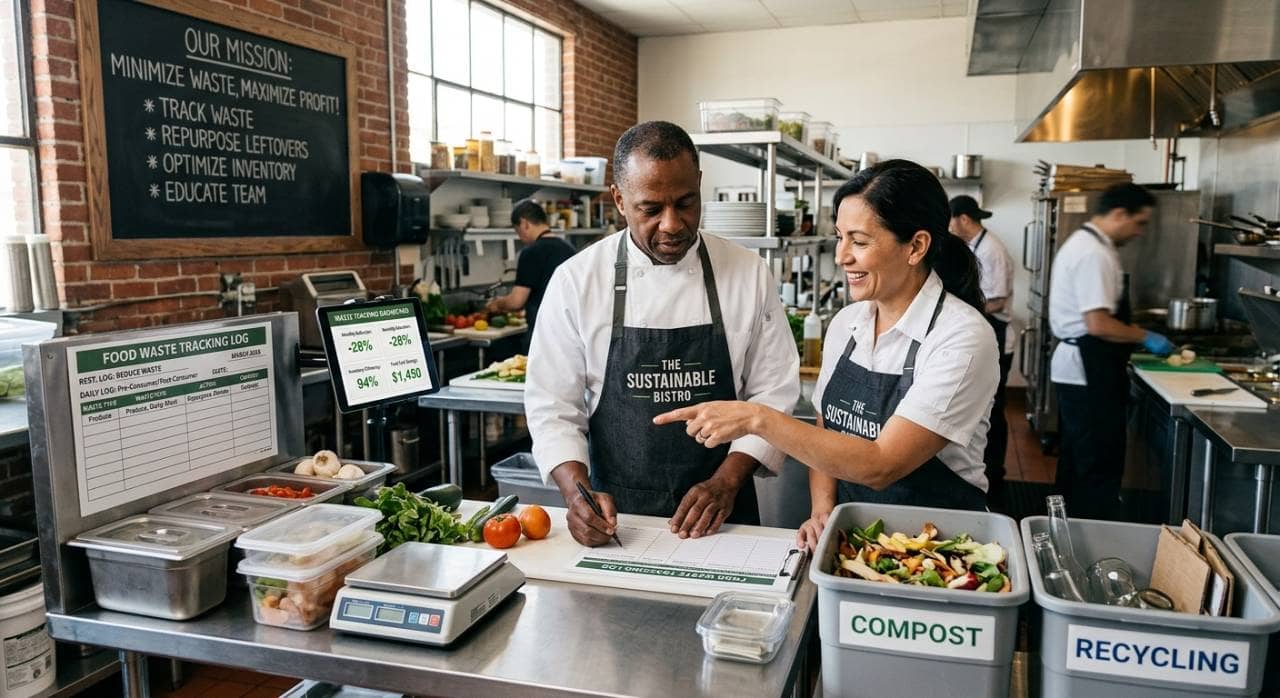
Learn how to reduce food waste in restaurants through smarter purchasing, storage, preparation, and service strategies that cut costs.
Sep 9, 2026
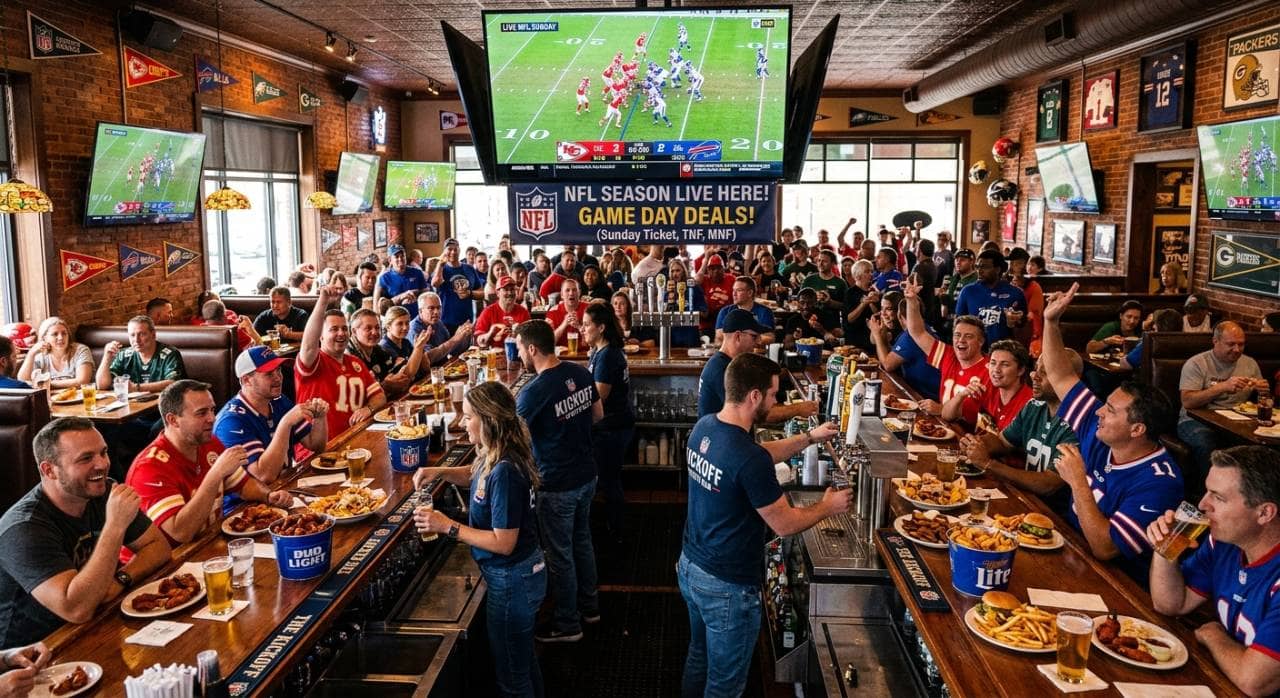
Prepare your restaurant for NFL season with smart menu planning, staffing, marketing, technology, and atmosphere strategies that boost season-long revenue.
Sep 9, 2026
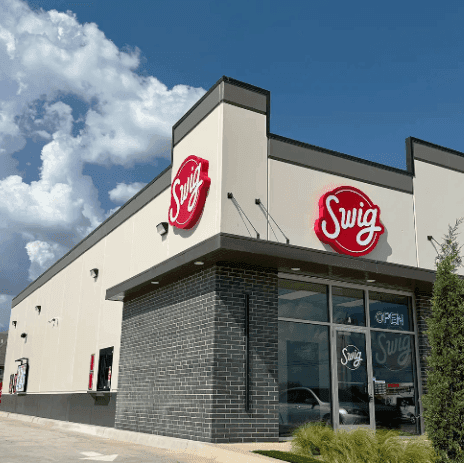
Swig signs franchise agreement for 11 South Denver locations, marking Colorado entry and validating its national expansion strategy.
Sep 8, 2026
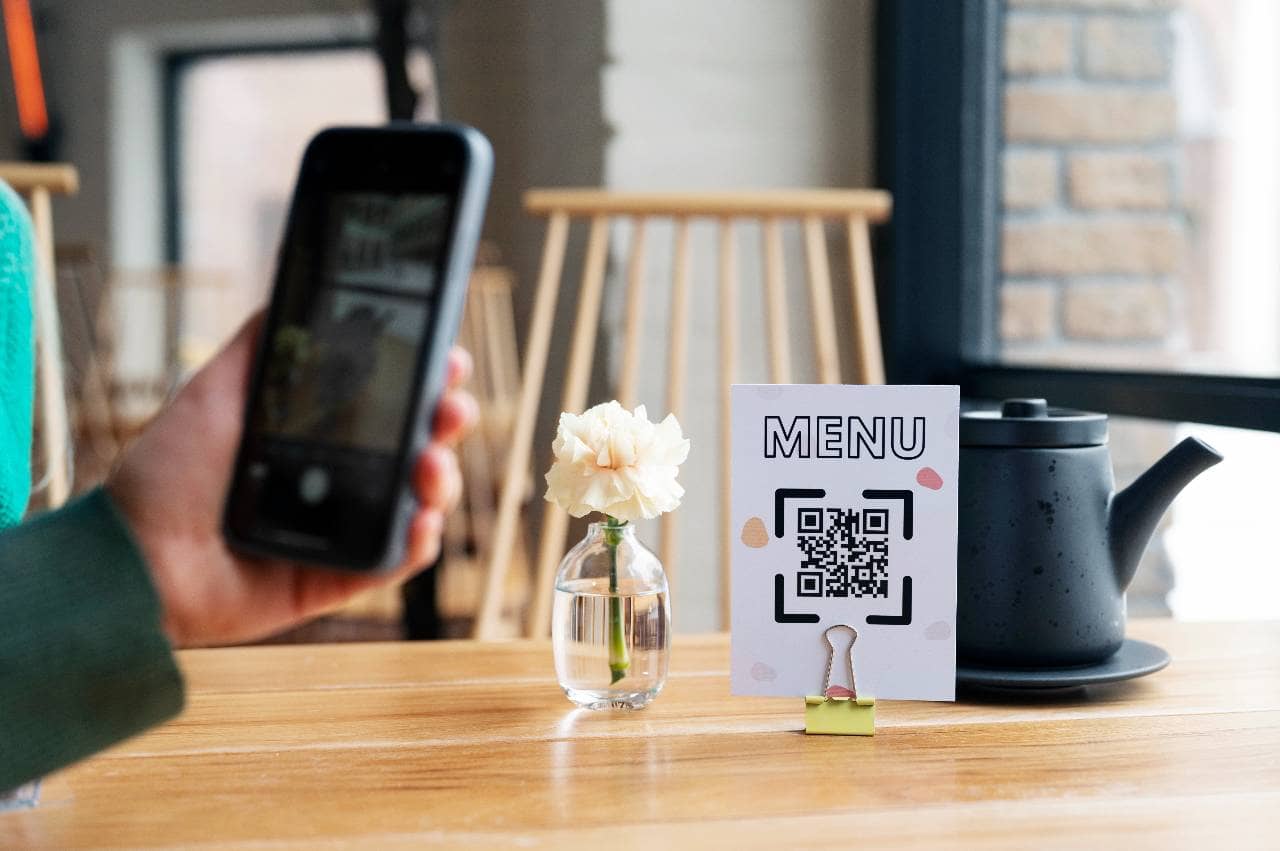
QR code menus let restaurants replace paper menus digitally, enabling instant updates, contactless browsing, ordering, and payment through simple smartphone scanning.
Sep 7, 2026
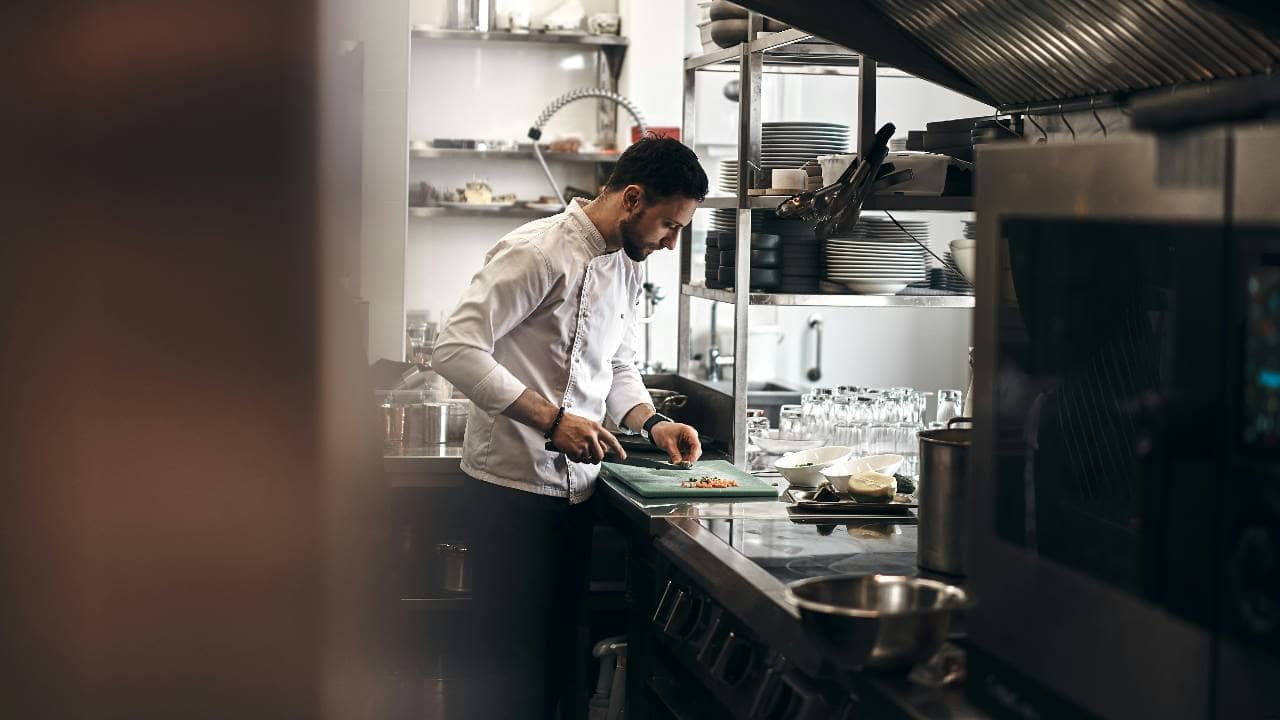
Complete guide helping restaurant owners choose essential kitchen equipment - covering cooking, refrigeration, prep, sanitation, ventilation, safety, and long-term maintenance planning.
Sep 7, 2026

Avoiding common restaurant payroll mistakes - misclassification, tip credit errors, overtime miscalculations - protects businesses from costly penalties, back pay, and compliance risks.
Sep 4, 2026
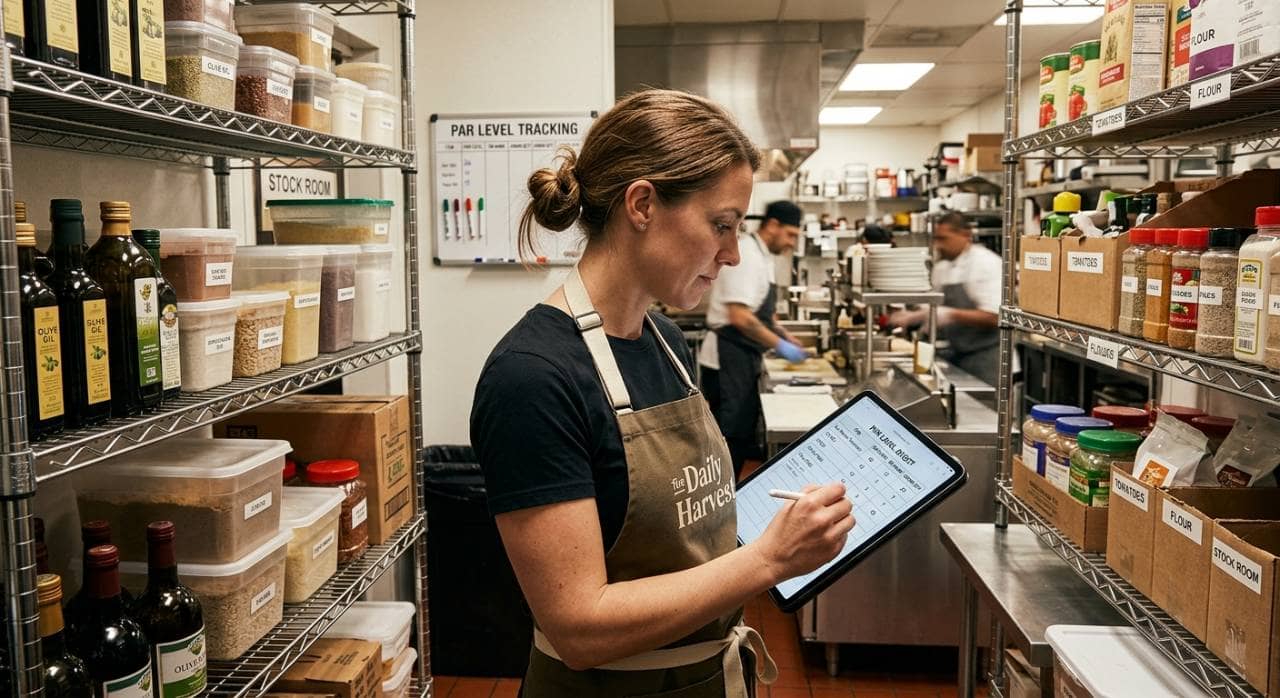
Learn to calculate par levels for restaurant food, beverages, and packaging inventory, preventing stockouts and waste through proper formulas.
Sep 4, 2026
Caribou Coffee appoints Zane Thomas-Rogers as Chief Operations Officer to strengthen execution across its expanding coffeehouse network.
Sep 4, 2026

Unlock Exclusive Access To Webinars, Events, And The Latest News For Free!
Value promotions reshape traffic and pricing, with off-premises growth and loyalty shaping the restaurant landscape.

Photo by Claudio Schwarz
The dining room has quieted into a study in value. In the theatre of dining, value has become a conductor guiding tastes and budgets alike. The RMS July 2025 Restaurant Industry Summary reads with restrained drama: traffic remains negative year over year at minus 2.3 percent, yet a subtle pulse of renewal appears in Q2 as fast‑food traffic outpaced the dip from Q1 by 3.5 percent. Price growth moves with a careful hand: average menu prices are up 2.9 percent year over year in Q2, just shy of 3.0 percent in Q1. These figures sketch a landscape where consumers seek more affordable options without surrendering flavor. The message is not chaos but calibrated restraint, and a reminder that loss‑leader value meals have not yielded durable premium or add‑on sales.
Promotions and pricing strategies shape traffic patterns as consumers seek value while preserving spend. The RMS framing suggests a population that gravitates toward lower-priced items while remaining price‑sensitive. The art for operators is to calibrate promotions so margins survive while customers feel rewarded. Importantly, loss‑leader meals are a constraint, not a salvation, the opportunity lies in architecture that makes value feel effortless rather than transactional. The coming chapters explore how that architecture translates into channel and menu choices.
Value-driven strategies dominate promotions and pricing, nudging traffic patterns toward efficiency and subtle differentiation. The July RMS overview underscores how promotions and pricing influence consumer choices, with shoppers clearly seeking value while watching every dollar. This cadence resonates with inflation signals tracked by the Bureau of Labor Statistics, illustrating that the art of value is inseparable from the economics of spend. The section that follows dissects how operators can balance affordability with culinary integrity, turning the impulse for value into lasting customer relationships.
Inflation signals from the BLS reveal the terrain: full‑service meals up 0.6 percent YoY in June and 3.9 percent year to date; quick service up 0.2 percent in June and 4.3 percent year to date. Food‑at‑home costs rose 0.1 percent in June and 1.1 percent over the past year. In total, restaurant prices climbed 4.1 percent over the year to June, while groceries rose 1.1 percent. Taken together, the data underscore the pricing pressure and the need for value‑driven traffic to hold margins.
Off‑premises are not a side show but the main stage of engagement. Delivery remains a high‑growth channel, while dine‑in and takeout contribute solid gains, and drive‑thru traffic has softened from pandemic peaks. RMS observations align with William Blair’s broader context, sketching a pattern of growth that travels beyond four walls and into the customer’s digital life.
William Blair’s June survey adds context: customers average roughly 10 restaurant interactions per month, up 7 percent from June 2023, with around 70 percent of these transactions off‑premises. The study also found that 41 percent of respondents reported increased delivery and/or takeout orders since 2019, while only 23 percent reported a decline. The dynamic is a clarion call for operators to support diverse fulfillment options and to accelerate digital capabilities for off‑site consumption.

Over the last 12 months, customers have become more selective about where they spend their money. “Brands that balanced the value equation and continued to innovate are recognizing positive traffic trends.”, Richard Delvallée, RMS senior vice president. He adds, “We’re seeing operators extend hours and focus on offering meals and bundles that are easily assembled and profitable.” These remarks accompany RMS’s Q2 insights, illustrating how value, efficiency, and scheduling decisions intersect to shape traffic trajectories.
Bifurcated market emerges from the conversation: value leaders gain, while others face ongoing pressure. The takeaway is not simply deeper discounting but a disciplined practice of value, efficiency, and scheduling that sustains customer interest without eroding margins. The implication for operators is to craft a precise, executable value architecture rather than rely on broad promotions.

Digital channels continue to reshape engagement, turning loyalty from a nice add‑on into a growth engine. The ongoing William Blair restaurant tracker, summarized in industry recaps, emphasizes direct online ordering and loyalty programs as levers of growth. In the latest data: 80 percent of respondents dine out at least a few times per month, with monthly restaurant spending near $270, up 16 percent from the prior year, a rise concentrated among households under $150,000 in income. Loyalty programs are broadly adopted, 52 percent participate, rising to 59 percent for those under 60, and 41 percent report loyalty as somewhat or highly influential in restaurant choices.
Direct ordering via websites or apps has grown in takeout 33 percent and delivery 31 percent, while a majority still favors in‑person ordering and phone orders. QR code usage has surged, with comfort rising to 59 percent from 43 percent, though 41 percent still prefer physical menus. The undercurrent is clear: off‑premises are a durable mode of interaction, and loyalty remains a compass for repeat visits in an evolving landscape.
