
Summer 2026 Restaurant Labor Law Updates
Stay compliant with key restaurant labor regulations in Summer 2026, including minimum wage increases, scheduling laws, and retirement requirements.
business management
Jul 24, 2026
Stay compliant with key restaurant labor regulations in Summer 2026, including minimum wage increases, scheduling laws, and retirement requirements.
Jul 24, 2026

Discover how restaurant apps help owners manage labor, payroll, inventory, food safety, reporting, and back-office operations more efficiently every day.
Jul 24, 2026
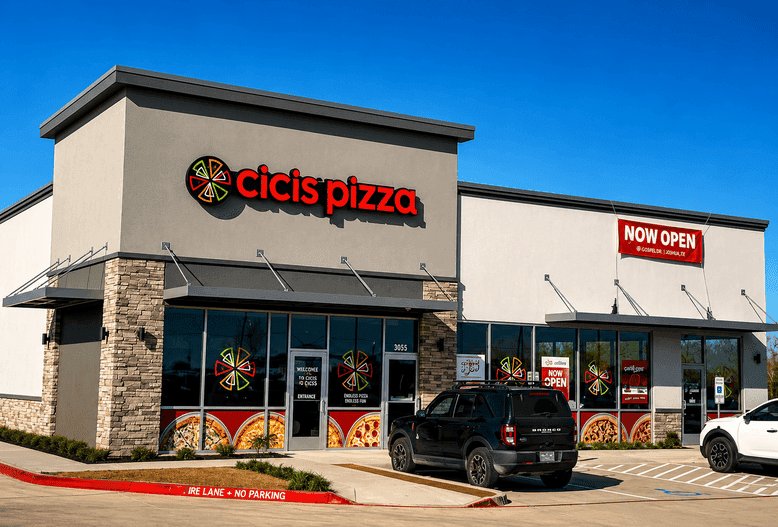
Cicis Pizza’s systemwide sales have surged over 50%, fueled by digital innovation, modern operations, and a revamped franchise strategy. Learn what restaurant owners can take away from Cicis’ transformation.
Jul 24, 2026

Fogo de Chão has announced Daniel Duran as its new CFO, marking a strategic leadership transition designed to enhance global growth and financial innovation for the renowned restaurant brand.
Jul 24, 2026

Learn how to calculate, benchmark, track, and improve restaurant payroll percentage while balancing staffing costs, sales, service, and profitability effectively.
Jul 24, 2026
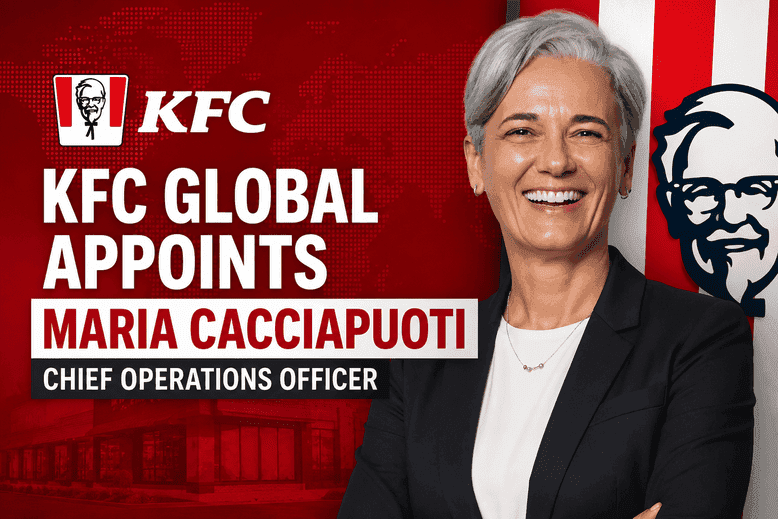
KFC Global has selected experienced leader Maria Cacciapuoti as its new Chief Operations Officer. Discover how her extensive expertise will help shape KFC’s global operations and franchise partnerships.
Jul 23, 2026
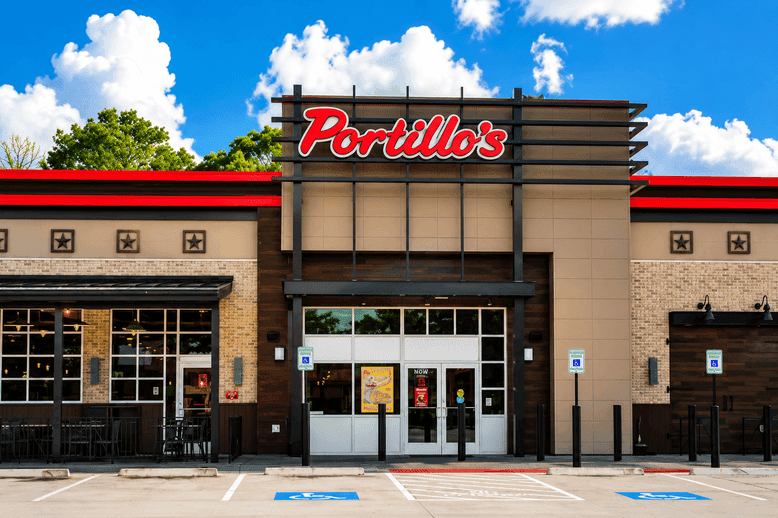
Portillo’s welcomes industry veteran Christopher Hansen as Executive Chef and Senior Director of Culinary Innovation to steer menu strategy and fuel national growth.
Jul 23, 2026
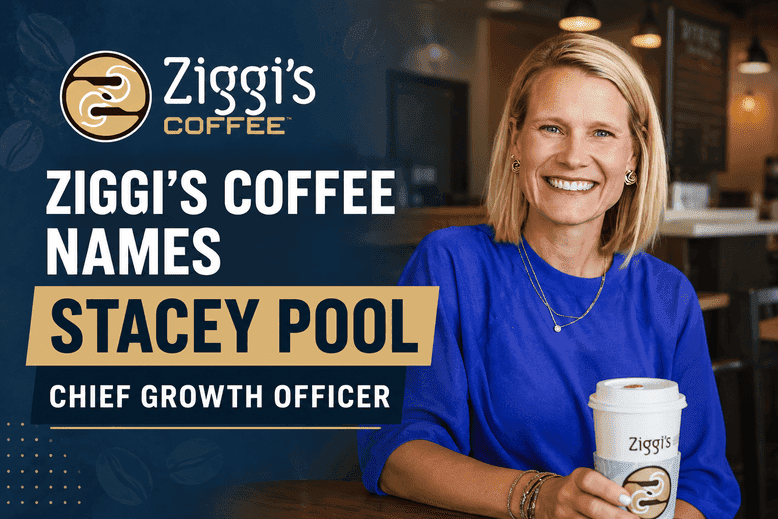
Ziggi’s Coffee welcomes Stacey Pool as Chief Growth Officer to spearhead national expansion and enhance franchise profitability as the brand celebrates a decade of franchising success.
Jul 23, 2026

Cinnabon grows 30% in U.S. units, adding 308 net stores as flexible formats expand into travel centers and convenience; 95 more openings forecast and 359 in pipeline.
Jul 22, 2026

QDOBA targets 2,000 restaurants in 10 years, powered by franchising and recent securitizations, aiming for $5B sales, $2.7M AUV, and 28% margins.
Jul 22, 2026
Hospitable kitchens are embedding mental health into daily operations, reshaping hiring, scheduling, and culture to support staff and elevate guest experiences.

Photo by Zoshua Colah
As the hospitality world recalibrates from a grind that stretched hours and frayed social lives, a different measure of success is taking hold. Operators are treating staff wellbeing not as a perk but as a core operating principle. The signals are hard to ignore: in 2023, a global survey found that 60% of chefs feel their work harms their mental wellbeing, and another study documented that 70% report anxiety tied to restaurant life. The practical takeaway is clear: healthier teams tend to deliver steadier service, more consistent guest experiences, and lower turnover. This shift isn’t a passing trend; it’s a thoughtful redesign of how kitchens tempo through service:
As managers rethink the rhythm of a shift, they embed wellbeing into daily practice, shifts with better coverage, and decisions explained with transparency. The goal is to translate concern into measurable change: calmer, more predictable shifts for staff; clearer communication about decisions; and service that feels balanced, nourishing, and practiced. When teams feel seen, the ripple effect touches guests too, elevating retention, morale, and the quality of interactions across kitchens and dining rooms. In short, care becomes a driver of performance, not a side note to it.

Mechanics of Change begin with a practical, people-centered frame. Leading restaurateurs are embracing structured routines that put people first, blending empathy with accountability. Transparent decision-making and clear expectations replace the old dialect of resilience at any cost. In this climate, managers are coached to spot emotional distress early, to acknowledge what staff endure, and to value care as a performance driver. This migration from policy to practice is the backbone of real improvement, and it raises the question: how do you translate care into daily operations?
Practical tactics now include suicide prevention training such as the QPR Institute course, rigorous harassment policies, and schedules that favor transparency and predictability. Companies encourage open-door policies, confidential feedback channels, and authentic staff connections on the floor. These steps are paired with a shift toward inclusive language and even gender-neutral facilities to foster equity. Taken together, these daily practices transform once-optional wellness efforts into a living culture that supports every employee, from back-of-house to front-of-house, in real time.

Behind the numbers are people navigating long shifts, bustling service, and social disruption. A CHOW-sourced figure places the human stakes front and center: 63 percent of hospitality workers suffer from depression. That statistic anchors conversations about mental health in tangible impact, nudging leaders to move from awareness to accountability. When the workweek stretches and stress rises, conversations become design choices, scheduling, supervision, and access to care that staff can actually rely on when weeks peak.
Translation matters because it changes what managers measure and reward. When shifts are predictable and leaders check in with genuine care, engagement grows, guest experiences deepen, and staff stay longer. The message is not merely informational; it is a call to action for every service, lead with listening, adjust the rhythm, and unlock supports that keep people well and connected to the team.
Restaurants are layering benefits into daily life: confidential counseling via Employee Assistance Programs, and frontline managers who connect staff to care. The evidence suggests that removing barriers to therapy, through scheduling flexibility and accessible options, puts wellbeing within reach. Even a health system notes that regular exercise reduces poor mental health days by more than 40%, underscoring that wellness benefits should accompany counseling and therapy access.
Programs already delivering support include Behind You, a Southern Smoke Foundation initiative offering up to 20 no-cost sessions across several states, and Michigan centers providing similar no-cost limits. Separately, Giving Kitchen provides financial assistance for inpatient treatment. Industry collaborators also offer in-house mental health workshops and targeted manager training to identify concerns and guide staff toward care. The ecosystem reduces practical barriers, time, cost, and stigma, so workers can seek help when they need it.
Wellbeing must be woven into daily routines, not tucked into an annual HR seminar. Kitchens design designated break times, quiet spaces for decompression, and shared staff meals to slow the pace of service. End‑of‑shift reflection and gratitude exercises reframe stress as a shared experience rather than a solitary burden. Regular team-building activities, group workouts, volunteering, or community-service days, deepen mutual support, while wellness-oriented gifts replace alcohol-centered incentives. These practices are not cosmetic; they are strategic investments in engagement, retention, and the quality of service.
Design and repetition matter. When a dining room feels calmer, guests notice it in the rhythm and warmth of the service. The goal is sustainable energy across long weeks, where staff feel connected to one another and to a larger purpose. This nourishment sustains performance: attentive listening, shared meals, and recognition that honors effort without glamorizing hardship.

Looking ahead, the industry faces a clear imperative: turn aspiring conversations into durable policies, practices, and funding. The convergence of data from 60% and 70% signals makes wellbeing a hiring, scheduling, and performance metric, not a sidebar. The road ahead involves expanding Employee Assistance Programs coverage, normalizing access to therapy despite demanding shifts, and sustaining culture shifts that reward wellbeing and teamwork.
As programs scale, workers gain safer channels to seek help and managers gain clearer playbooks for trust and retention. The 988 Lifeline remains a vital anchor, and industry peers build the broader safety net, Behind You, CHOW resources, and hospital-supported services, so no one feels alone on a crowded floor. The challenge is regional gaps, but the groundwork is in place: a more resilient workforce that can deliver the balanced, nourishing guest experience we aspire to, one service at a time.