
California Penalizes Dickey's for Franchise Disclosure Violations
California shifts to public enforcement strategy against Dickey's for deceptive franchise disclosures, signaling stricter state-level franchise oversight.
Franchising
Sep 10, 2026
California shifts to public enforcement strategy against Dickey's for deceptive franchise disclosures, signaling stricter state-level franchise oversight.
Sep 10, 2026
Paul Brown temporarily steps away from Inspire Brands as Scott Murphy assumes interim CEO role during confidential IPO filing process targeting late 2026.
Sep 10, 2026
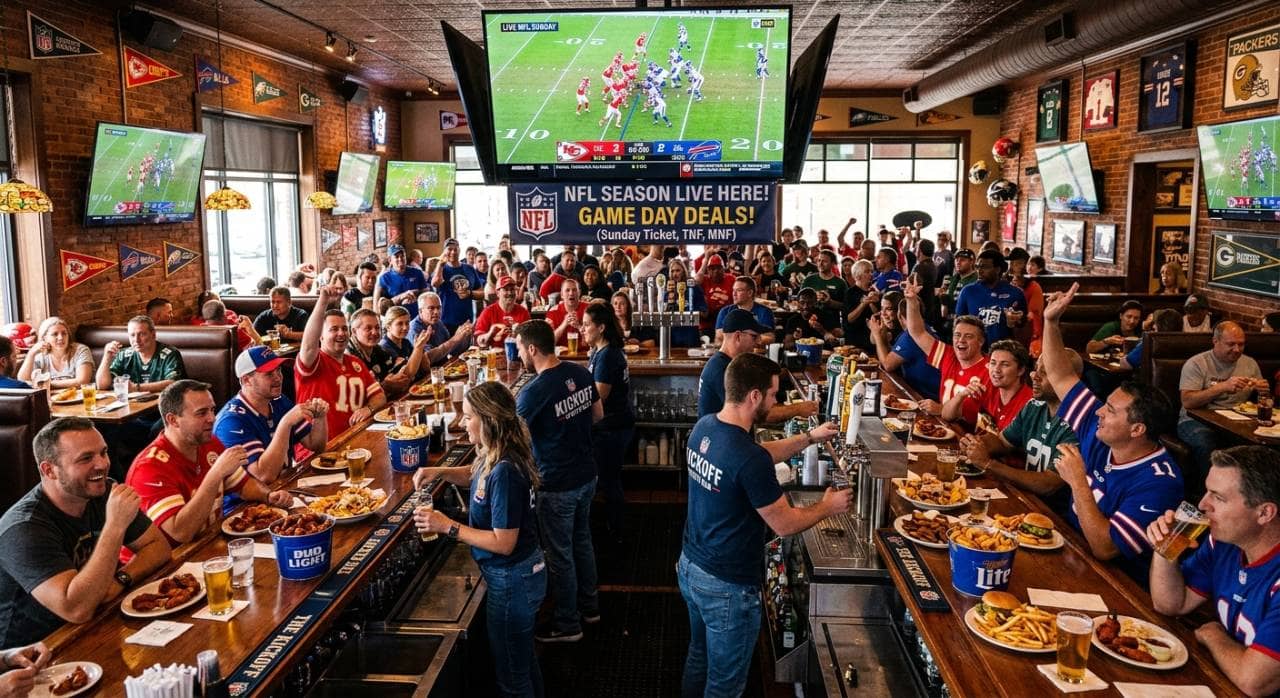
Prepare your restaurant for NFL season with smart menu planning, staffing, marketing, technology, and atmosphere strategies that boost season-long revenue.
Sep 9, 2026

Learn how to reduce food waste in restaurants through smarter purchasing, storage, preparation, and service strategies that cut costs.
Sep 9, 2026
Swig signs franchise agreement for 11 South Denver locations, marking Colorado entry and validating its national expansion strategy.
Sep 8, 2026

Complete guide helping restaurant owners choose essential kitchen equipment - covering cooking, refrigeration, prep, sanitation, ventilation, safety, and long-term maintenance planning.
Sep 7, 2026
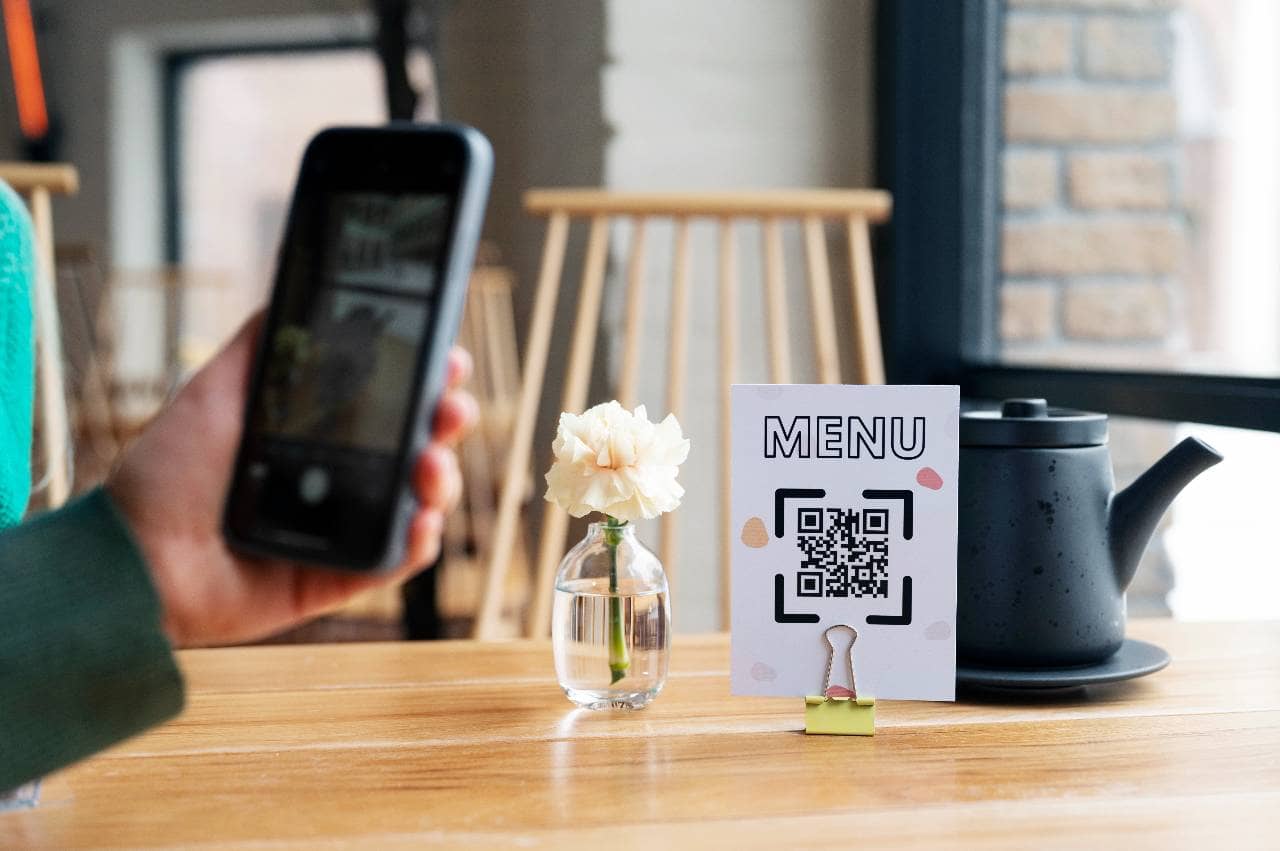
QR code menus let restaurants replace paper menus digitally, enabling instant updates, contactless browsing, ordering, and payment through simple smartphone scanning.
Sep 7, 2026

Avoiding common restaurant payroll mistakes - misclassification, tip credit errors, overtime miscalculations - protects businesses from costly penalties, back pay, and compliance risks.
Sep 4, 2026
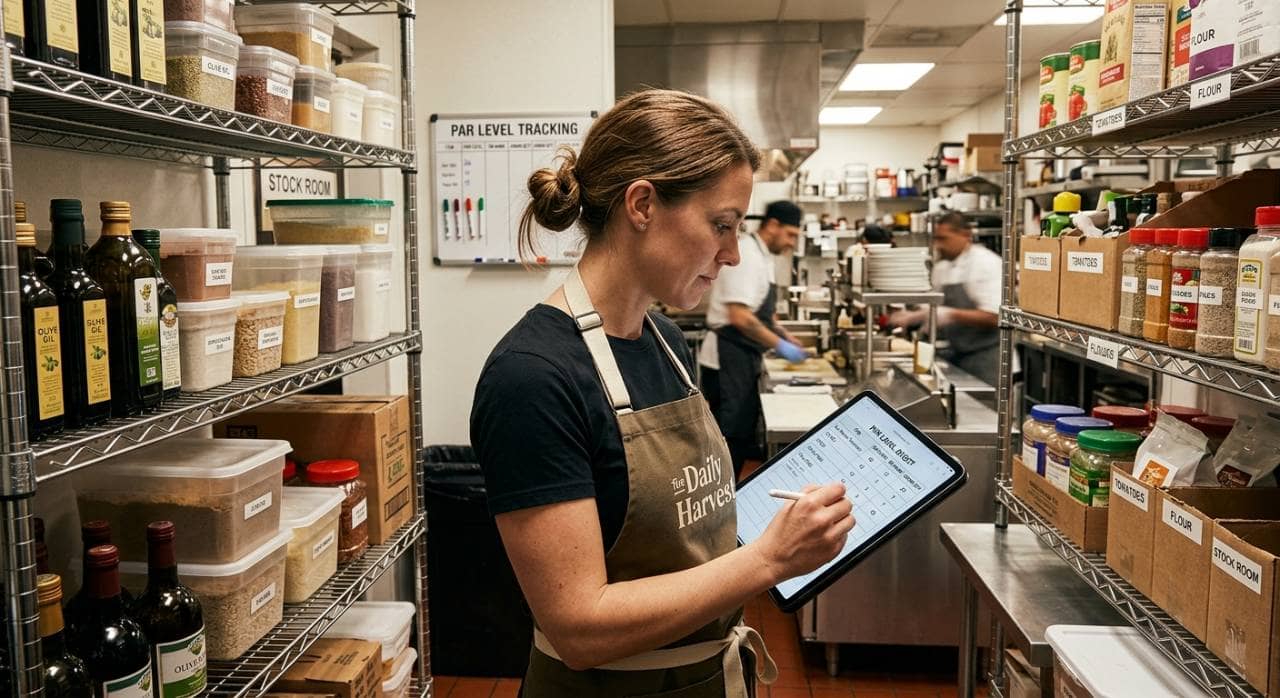
Learn to calculate par levels for restaurant food, beverages, and packaging inventory, preventing stockouts and waste through proper formulas.
Sep 4, 2026
Caribou Coffee appoints Zane Thomas-Rogers as Chief Operations Officer to strengthen execution across its expanding coffeehouse network.
Sep 4, 2026

Unlock Exclusive Access To Webinars, Events, And The Latest News For Free!
A Florida lawsuit against Zaxby’s tests PWFA protections and the interactive process in hospitality workplaces, with implications for workers and operators.

Photo by Hybrid Storytellers
Zaxby’s, the fast-casual chicken chain, faces a federal lawsuit that tests pregnancy protections on the front lines. In Lynn Haven, Florida, a 17-year-old employee says she fainted while working a hot kitchen shift and asked to return to cashier duties as an accommodation. A front-counter coworker reportedly offered to swap shifts to support her request, but the manager allegedly told her to stay in the back and dismissed the risks of heat exposure. The filing portrays a hostile work environment based on gender and pregnancy, culminating in alleged retaliation after the accommodation discussion stalled.
The core details center on how the accommodation request was treated. The employee sought to shift duties from the back to cashier as a pregnancy-related safeguard, while a coworker reportedly proposed swapping shifts to facilitate the request. The manager did not engage in a meaningful interactive discussion about accommodations, and the teen was told to stay in the back while concerns about fainting were downplayed. The filing emphasizes a breakdown in the interactive process and frames the termination as retaliation for seeking accommodation. The operator, St. Clair Restaurant Management, has declined to comment.
These allegations spotlight the friction between operational demands and federal duties. If proven, they would illustrate a failure to uphold PWFA and PDA standards in a high-heat, high-turnover setting. The case thus becomes a testing ground for how fast-service employers translate protections into daily practice.
Title VII of the Civil Rights Act, as amended by the Pregnancy Discrimination Act of 1978, bars discrimination based on pregnancy and rejects decisions rooted in stereotypes about pregnant workers. The broader framework also includes the Pregnant Workers Fairness Act (PWFA), which requires reasonable accommodations unless doing so would impose undue hardship. The EEOC explains that avoiding decisions driven by misconceptions about a pregnant employee’s fitness is a practical safeguard for employers.
PWFA’s reach rests on dialogue: employers should engage in an interactive process with employees to identify reasonable adjustments, such as seating, extra breaks, or modified duties, without demanding unnecessary upfront documentation. Accommodations may include a chair or stool, additional restroom breaks, time for medications, or relief from hazardous tasks. In fast-service settings, these adjustments are typically low-disruption measures aimed at protecting health while preserving service standards. The rule, finalized in April 2024 by the EEOC, becomes effective 60 days after Federal Register publication. Regulators emphasize avoiding unnecessary documentation when a request is made.
The Zaxby’s case sits amid a broader enforcement landscape where PWFA guidance shapes restaurant practice and employee rights. Observers expect the framework to push operations toward clearer accommodation procedures and earlier dialogue, potentially reducing litigation risk and improving morale in a tight labor market.
Reactions and Allegations in the filing reveal how the parties framed the accommodation debate. The coworker’s offer to swap shifts is described as a potential support, while management’s response is characterized as a refusal to discuss workable options. The narrative centers on the interactive process and whether the environment became hostile toward a pregnant worker.
Quotations from the filing illustrate the dispute’s tenor: the manager directing the employee to stay in the back, and the moment described as termination when the shift was changed toward drive-through before she was sent home. The phrase This is not going to work marks the termination point in the account, underscoring the alleged gap between accommodation discussions and decisive action. St. Clair Restaurant Management remains quiet on specifics.
The case remains pending, with the defendant avoiding public comment beyond not addressing media inquiries. The narrative underscores the importance of PWFA and PDA compliance in hospitality, and the outcome could influence how similar workplaces handle accommodation requests and retaliation claims.
Broader Industry Context shows the Zaxby’s dispute as part of a rising tide of pregnancy-discrimination concerns under PDA and PWFA. The PWFA final rule, issued in April 2024 by the EEOC, clarifies compliance and emphasizes early interactive dialogue. The rule becomes effective 60 days after publication, and enforcement actions like the BestBet Jacksonville case in 2026 demonstrate ongoing regulatory attention in hospitality.
Industry observers say PWFA compliance can drive operational adjustments, including seating, breaks, task assignments, and overall worker well-being. Restaurants that embed explicit accommodation procedures and manager training can improve retention and morale, while reducing litigious risk. The framework pushes operators to balance safety, productivity, and staff welfare without sacrificing service standards.
Going forward, watching Moody v. St. Clair and other PWFA cases in hospitality will reveal how courts interpret accommodations and retaliation claims in fast-food contexts. The industry’s reputation and resilience depend on translating policy into practice at the unit level.
