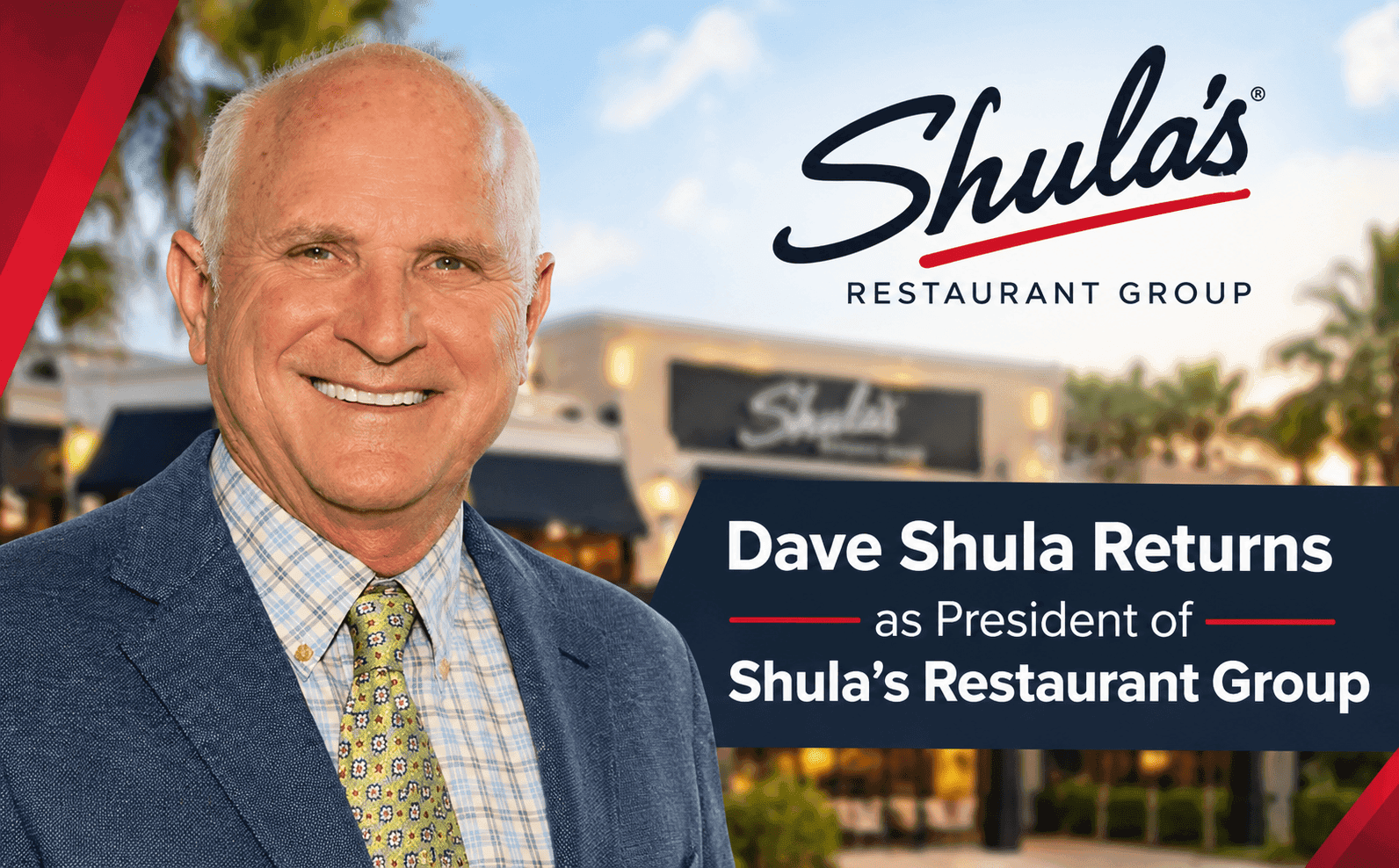
Dave Shula Returns as President of Shula's Restaurant Group
Dave Shula rejoins Shula's Restaurant Group as president, leading growth into Palm Beach Gardens and a 2027 Thomasville, Georgia expansion.
News
Sep 23, 2026
Dave Shula rejoins Shula's Restaurant Group as president, leading growth into Palm Beach Gardens and a 2027 Thomasville, Georgia expansion.
Sep 23, 2026
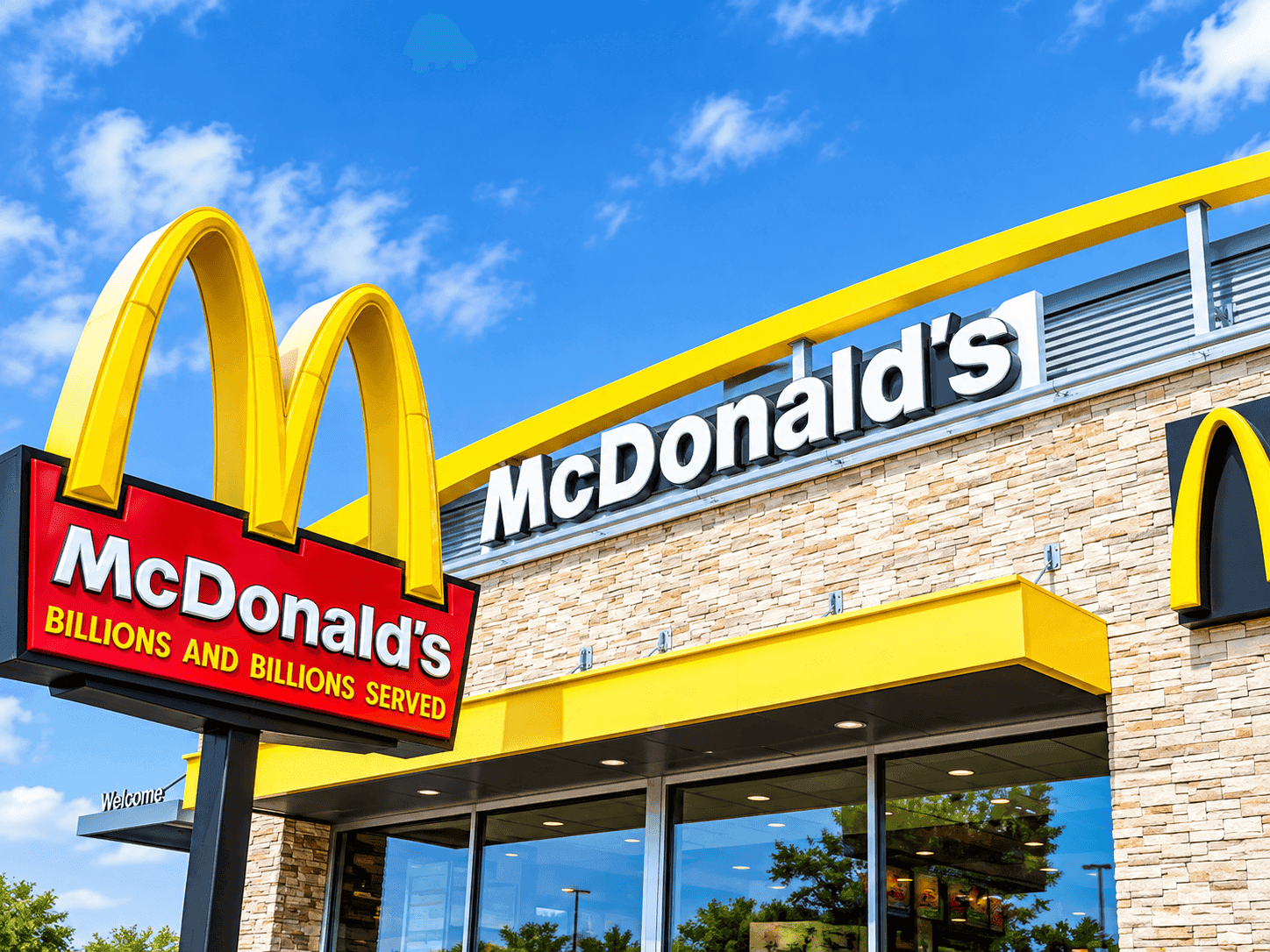
McDonald's commits $8.5 billion through 2036 to modernize restaurants, boost cash flow by $100,000 per store, and grow chicken and beverage sales.
Sep 23, 2026
WKS Restaurant Group promotes Jay Spongberg to president and COO after he helped grow the company from 65 to 382 restaurants over 16 years.
Sep 23, 2026

Smokey Mo's BBQ names Von Dawson, a Dine Brands veteran, as VP of Franchise Development to lead its Texas expansion strategy.
Sep 23, 2026
.png&w=3840&q=70)
Meritage Hospitality's Chapter 11 filing pulls 5% of Wendy's U.S. stores into bankruptcy, exposing cracks in franchising's bigger-is-safer bet.
Sep 21, 2026
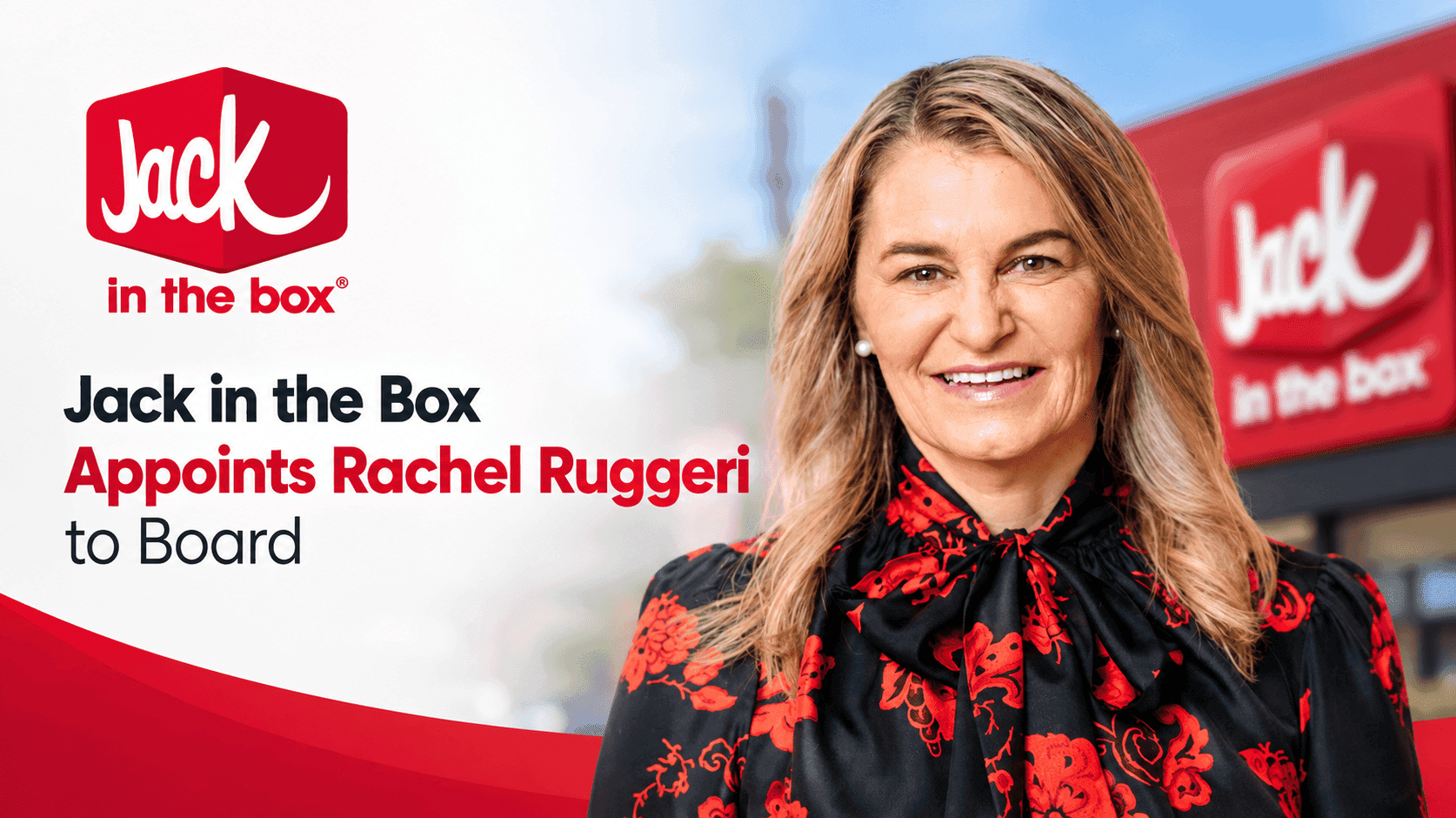
Jack in the Box names Rachel Ruggeri to its board as Michael Murphy retires, amid a CEO transition and deal with investor GreenWood.
Sep 21, 2026

Improve restaurant Google Maps rankings by optimizing your business profile, selecting accurate categories, gathering reviews, adding photos, and strengthening local relevance signals.
Sep 21, 2026

Restaurant inventory tracking helps owners monitor stock, control food costs, reduce waste, improve purchasing, and make informed operational decisions.
Sep 21, 2026

Restaurant owners can significantly reduce restaurant costs by leveraging technology across inventory, labor, procurement, forecasting, and administrative operations for better profit margins.
Sep 18, 2026

Understand how to forecast restaurant revenue and expenses with methods for sales projection, cost scaling, fixed-cost planning, and risk buffering.
Sep 18, 2026

Unlock Exclusive Access To Webinars, Events, And The Latest News For Free!
Explore the implications of recent tax code changes on restaurant operations, focusing on service charges, gratuity-based income, and potential effects on minimum wage and economic growth.

Photo by Alexander London
The differentiation between service charges and tips has been a contentious issue in the restaurant industry. While tips are generally considered voluntary payments made by customers to service staff, service charges are often automatically added to the bill by the establishment. Recent tax code changes have brought this demarcation into focus, with debates arising on the fairness of excluding service charges from certain tax exemptions.
Erika Polmar's assertion regarding the impact of not counting service charges on line cooks, dishwashers, porters, and prep staff sheds light on the potential disparities created by the new tax provisions. In many cases, these behind-the-scenes workers are vital to the functioning of independent restaurants, yet they may not receive the same tax relief as front-of-house staff who rely heavily on tips for income.
The warning issued by the IRC about employers incentivizing tip prompting and worker reclassification to evade minimum wage requirements underscores the complexity of the new tax laws. By potentially shifting the burden of compensation onto customer gratuities, there is a fear that some workers may face reduced wages or altered employment classifications.
The broader economic impact of the tax code modifications cannot be ignored. With the enforcement expansion and potential rise in deportations of undocumented workers, industries like restaurants could witness a significant disruption in their workforce. This shift might not only affect operational efficiency but could also have repercussions on economic growth, as highlighted by the Economic Policy Institute.
The ongoing legislative process in the House of Representatives offers a window for potential revisions that could address some of the concerns raised by industry stakeholders. Restaurant operators may need to strategize and adapt to mitigate the possible adverse effects of the tax code changes. This could involve reevaluating business models, employee compensation structures, and compliance mechanisms to navigate the evolving regulatory landscape.