
California Penalizes Dickey's for Franchise Disclosure Violations
California shifts to public enforcement strategy against Dickey's for deceptive franchise disclosures, signaling stricter state-level franchise oversight.
Franchising
Sep 10, 2026
California shifts to public enforcement strategy against Dickey's for deceptive franchise disclosures, signaling stricter state-level franchise oversight.
Sep 10, 2026
Paul Brown temporarily steps away from Inspire Brands as Scott Murphy assumes interim CEO role during confidential IPO filing process targeting late 2026.
Sep 10, 2026
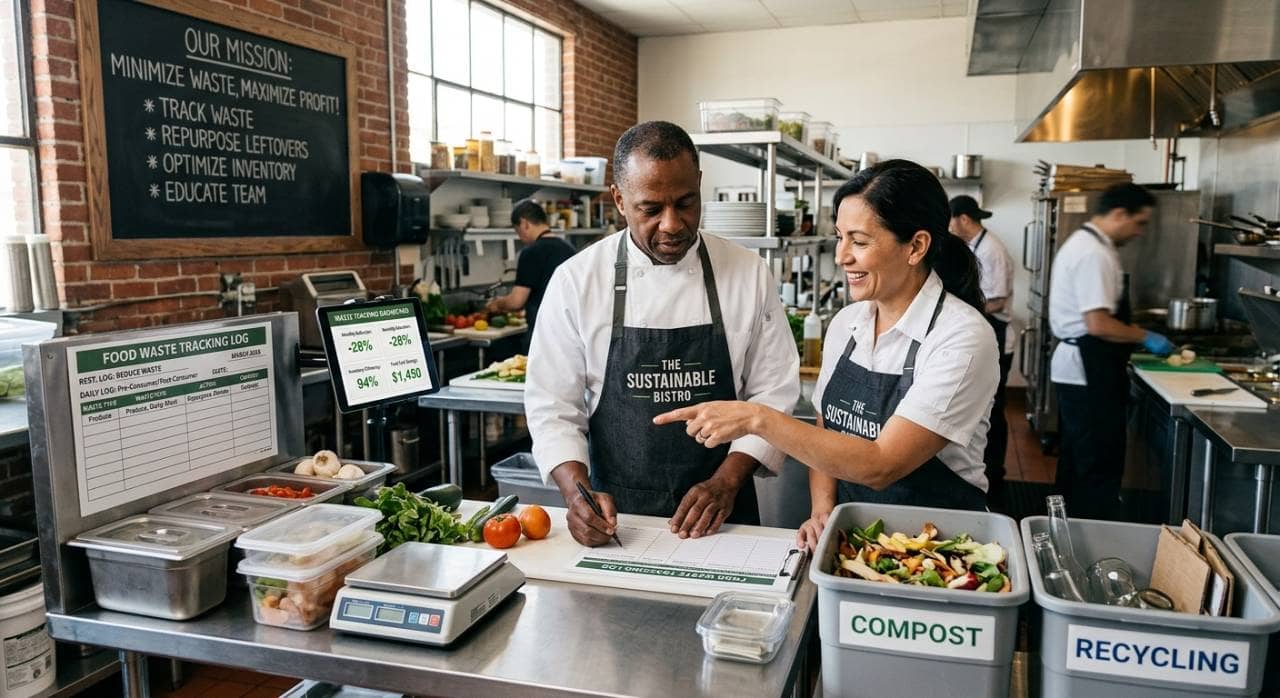
Learn how to reduce food waste in restaurants through smarter purchasing, storage, preparation, and service strategies that cut costs.
Sep 9, 2026
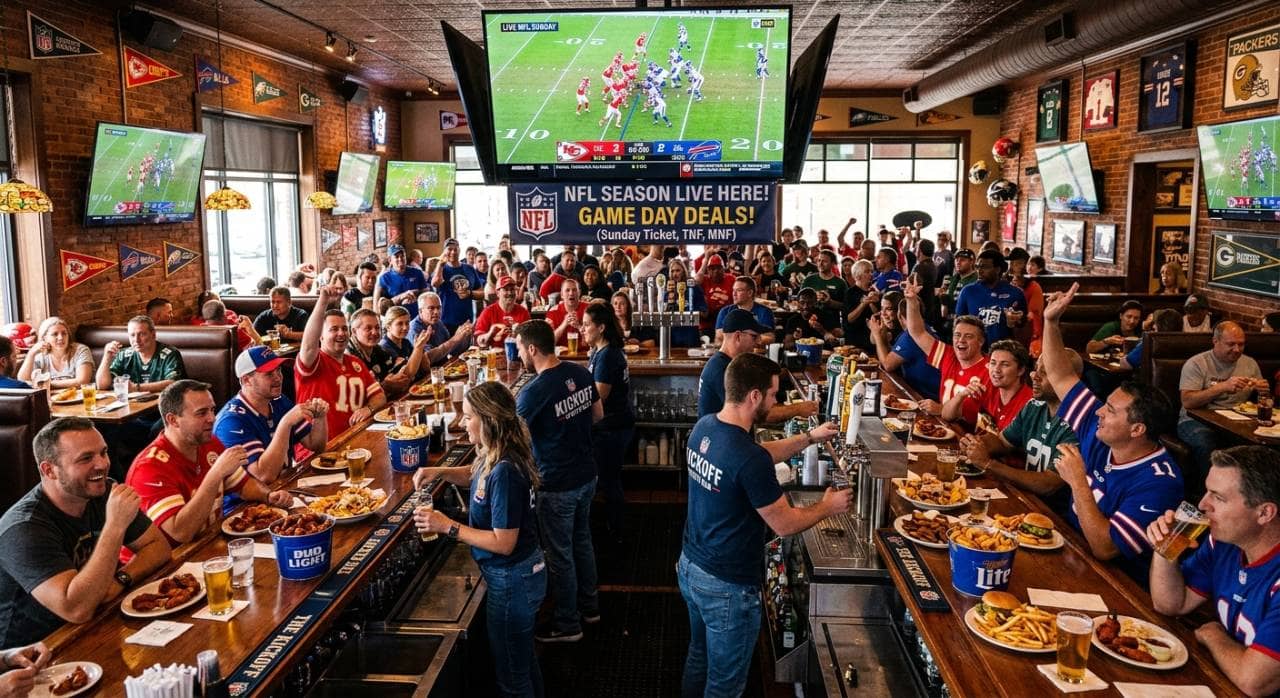
Prepare your restaurant for NFL season with smart menu planning, staffing, marketing, technology, and atmosphere strategies that boost season-long revenue.
Sep 9, 2026
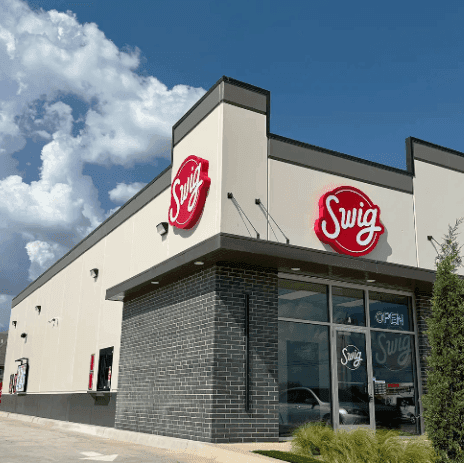
Swig signs franchise agreement for 11 South Denver locations, marking Colorado entry and validating its national expansion strategy.
Sep 8, 2026
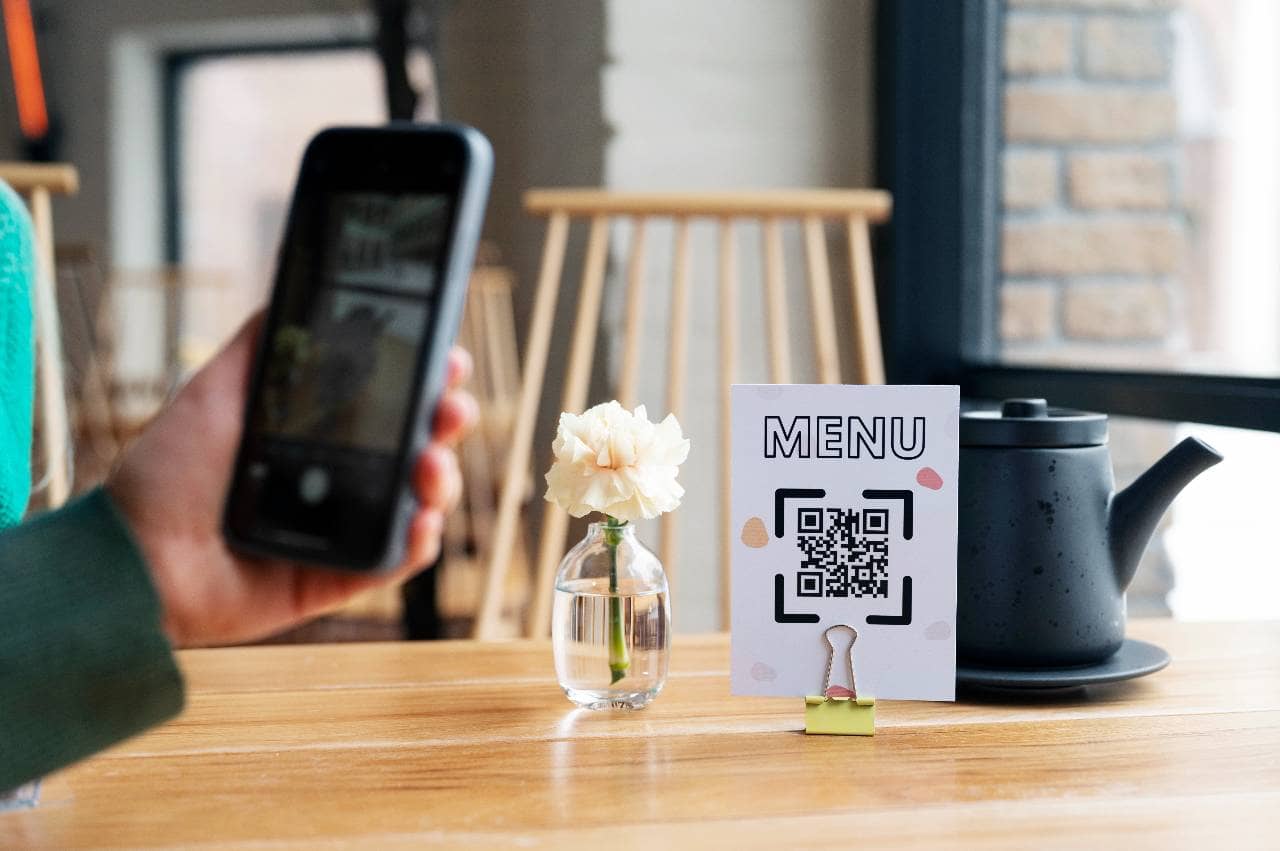
QR code menus let restaurants replace paper menus digitally, enabling instant updates, contactless browsing, ordering, and payment through simple smartphone scanning.
Sep 7, 2026
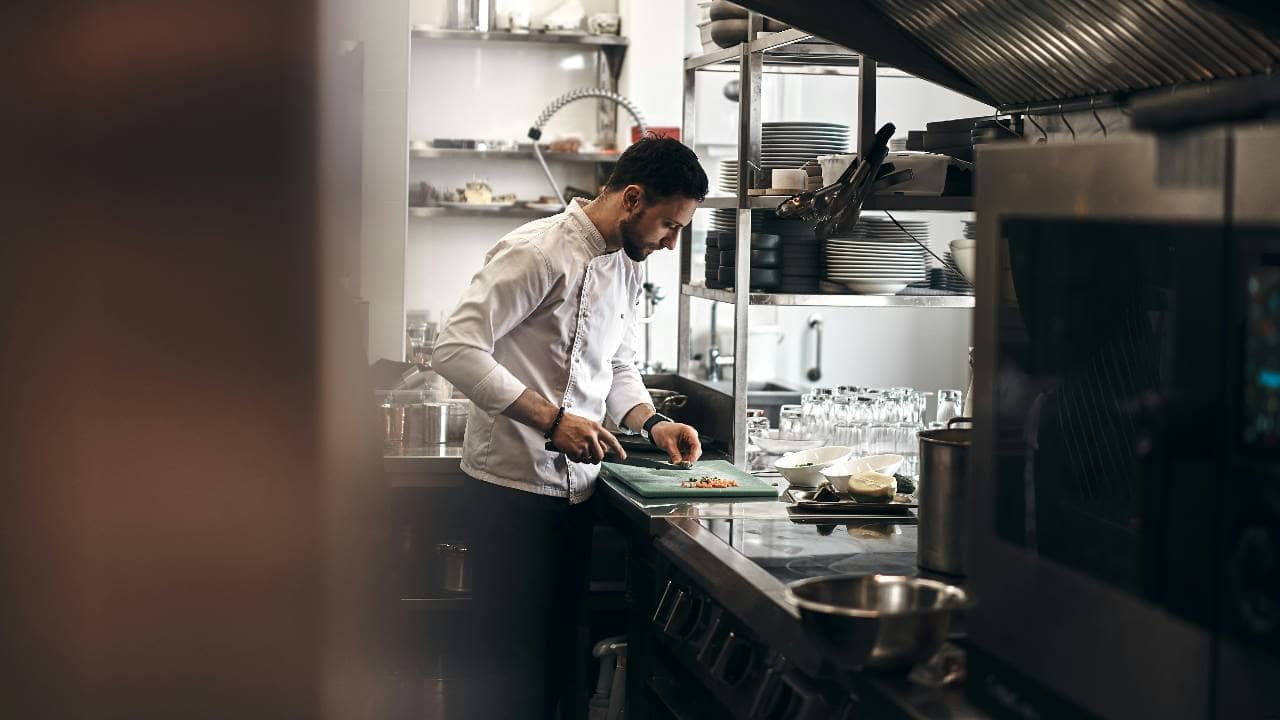
Complete guide helping restaurant owners choose essential kitchen equipment - covering cooking, refrigeration, prep, sanitation, ventilation, safety, and long-term maintenance planning.
Sep 7, 2026

Avoiding common restaurant payroll mistakes - misclassification, tip credit errors, overtime miscalculations - protects businesses from costly penalties, back pay, and compliance risks.
Sep 4, 2026
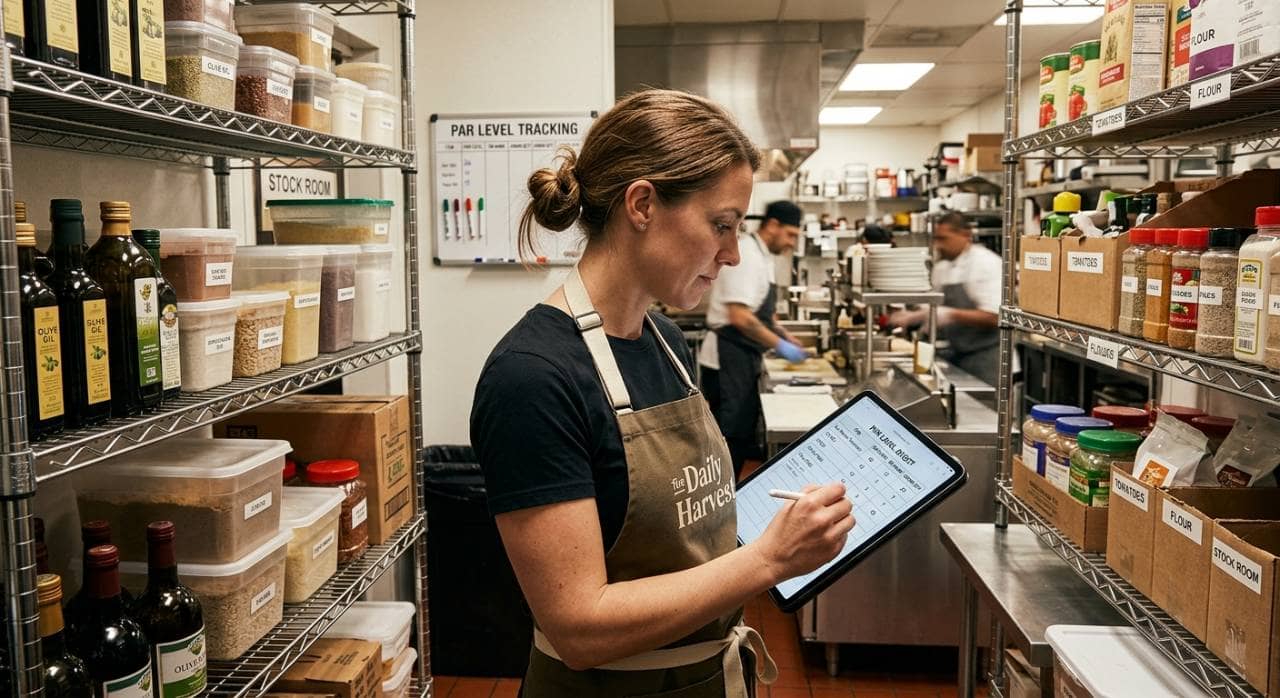
Learn to calculate par levels for restaurant food, beverages, and packaging inventory, preventing stockouts and waste through proper formulas.
Sep 4, 2026
Caribou Coffee appoints Zane Thomas-Rogers as Chief Operations Officer to strengthen execution across its expanding coffeehouse network.
Sep 4, 2026

Unlock Exclusive Access To Webinars, Events, And The Latest News For Free!
NFL stars fuse performance with cuisine in athlete-led eateries, spotlighting 1587 Prime and the rise of experiential dining.

Photo by PAN XIAOZHEN
Across professional sports, fame is increasingly braided with the kitchen’s craft. NFL stars Patrick Mahomes and Travis Kelce have announced a steakhouse concept, 1587 Prime, that aims to fuse the drama of the gridiron with the craft of hospitality. This is more than a restaurant opening; it’s a deliberate step into athlete-led entrepreneurship that respects both storytelling and sourcing. In Kansas City, the home team energy meets thoughtfully designed experiences, inviting guests to savor a narrative as well as a menu. The project reads as a balanced, nourishing invitation rather than a mere spectacle.
Downtown Kansas City is identified as the launch site, with openings targeted in fall 2025 and a September debut cited by local outlets. The pattern sits alongside other athlete ventures, Victor Cruz and Donnell Thompson among them, weaving hospitality into their legacies. This isn’t mere celebrity cash-in; it’s a tested platform for an eatertainment approach that blends curated menus, ambiance, and storytelling. The learning curve matters: a strong culinary identity and disciplined operations are essential to translate energy into repeat visits, especially when the market leans toward experience-led dining.

From oversized fame to refined plates, athlete-led dining reflects a broader appetite among recognizable figures to monetize platforms beyond the field. The appeal spans fan engagement, cross-media visibility, and the chance to curate an experience that blends hospitality with performance. The eatertainment concept, restaurants that weave dining with interactive or immersive moments, has moved from novelty to a durable strategy for brand differentiation. When a marquee partnership anchors a project like 1587 Prime, it demonstrates how celebrity-driven models can generate attention far beyond traditional restaurant channels, while requiring clear culinary identity and operational discipline to sustain momentum.
Strong brand narratives require more than a flashy name. Diners lean into a balanced, nourishing experience that respects sourcing and ingredients. In this context, athlete partnerships can draw crowds, but repeat visits demand a dependable menu, consistent service, and a space that tells a cohesive story. The takeaway is straightforward: star power opens doors; culinary identity and hospitality craft keep guests coming back.
Eatertainment merges dining with experiential cues to create destination concepts that stand out. The model relies on a portfolio of elements, curated menus, themed spaces, and event-driven programming, that can evolve with tastes. The movement toward standalone experiential platforms is illustrated by corporate moves like the strategic separation of Topgolf from its sibling brands, showing that experiential venues are now treated as independent engines. Operators increasingly lean on data-driven menus and trend analysis to stay ahead, guided by industry coverage that highlights what resonates with diners nationwide.
Key to success is balancing brand leverage with guest value. A well-run eatertainment concept aligns brand affinity with culinary quality, service, and ambience so that the energy of a star-backed project translates into repeat visits, not just headlines. In this era, Topgolf Callaway Brands signals how such ventures navigate capital and governance to keep experiences fresh while protecting margins.

Industry voices acknowledge momentum around athlete-backed eatertainment while warning of headwinds. Media coverage notes that marquee ventures generate attention and initial footfall, but long-term growth depends on sustainable profitability and a durable customer base. Analysts highlight the importance of disciplined execution, clear brand identities, and the ability to convert enthusiasm into repeated visits. In a market where experiential formats entice sports fans and casual diners alike, the challenge is to deliver consistent culinary quality and a compelling concept design that stands up to seasonal trends.
Examples of ongoing activity, seasonal menus, community programming, and limited-run events, show how brands attempt to sustain interest beyond the initial splash. The takeaway is that energy fades without ongoing relevance, so operators must blend trend-driven menus with a sense of place and purpose, ensuring that each visit feels thoughtful and nourishing.

Financial moves around eatertainment are inseparable from corporate strategy. The Topgolf business is positioned for a potential spin-off from its golf equipment and lifestyle segments, a move aimed at unlocking value and sharpening capital allocation. Timelines have fluctuated, with investors watching for a 2026 horizon and potential changes in structure. These restructurings carry implications for expansions, partnerships, and how revenue from hospitality plays in the broader portfolio. The narrative remains one of careful balance between celebrity-backed growth and prudent financial discipline.
For operators and investors, the key question is how proceeds, valuations, and ongoing management will shape future openings. A disciplined approach, clear branding, coherent concepts, and aligned capital deployments, will determine whether a marquee project like 1587 Prime can sustain momentum as market conditions evolve.

The food-and-beverage landscape now leans into experiential formats beyond traditional dining. Concepts such as Chicken N Pickle show how celebrity and sports connections can propel growth. Trend-tracking coverage, including Bret Thorn’s Menu Tracker, reveals how fall menus unfold across chains, with seasonal flavors and textures taking center stage. The broader context suggests star power can attract initial attention, but lasting success depends on consistent culinary quality, compelling concept design, and translating experience into value for diners over time.
Yet the story remains nuanced: a sea of ventures competing for wallets means the most enduring concepts marry storytelling with nourishment, ambiance with service, and a clear culinary identity that travels from buzz to belonging. The field’s latest wave will hinge on the ability to adapt to evolving consumer preferences while maintaining a responsible, nourishing dining experience.
Several gaps temper the optimism around athlete-led eatertainment. Foremost is the timeline for strategic restructurings like the Topgolf separation, which remains subject to regulatory approvals, financing conditions, and market sentiment. Analysts have flagged potential delays and variable expectations for when spin-offs or sales might close, with some projecting 2026 as a more likely milestone window. The practical implications for operators include navigating capital markets, securing favorable terms for growth, and maintaining brand coherence across disparate business units. If the sector continues reconfigurations and performance recalibrations, it may slow the pace of new openings or prompt more disciplined expansion strategies.
However, the enduring appeal of high-profile collaborations and the continuing appetite for immersive dining suggests the intersection of sports fame and hospitality will persist, even as the market recalibrates expectations. The challenge remains: translate star appeal into long‑term profitability and authentic resonance while keeping experiences thoughtful, nourishing, and financially sustainable.
