
California Penalizes Dickey's for Franchise Disclosure Violations
California shifts to public enforcement strategy against Dickey's for deceptive franchise disclosures, signaling stricter state-level franchise oversight.
Franchising
Sep 10, 2026
California shifts to public enforcement strategy against Dickey's for deceptive franchise disclosures, signaling stricter state-level franchise oversight.
Sep 10, 2026
Paul Brown temporarily steps away from Inspire Brands as Scott Murphy assumes interim CEO role during confidential IPO filing process targeting late 2026.
Sep 10, 2026
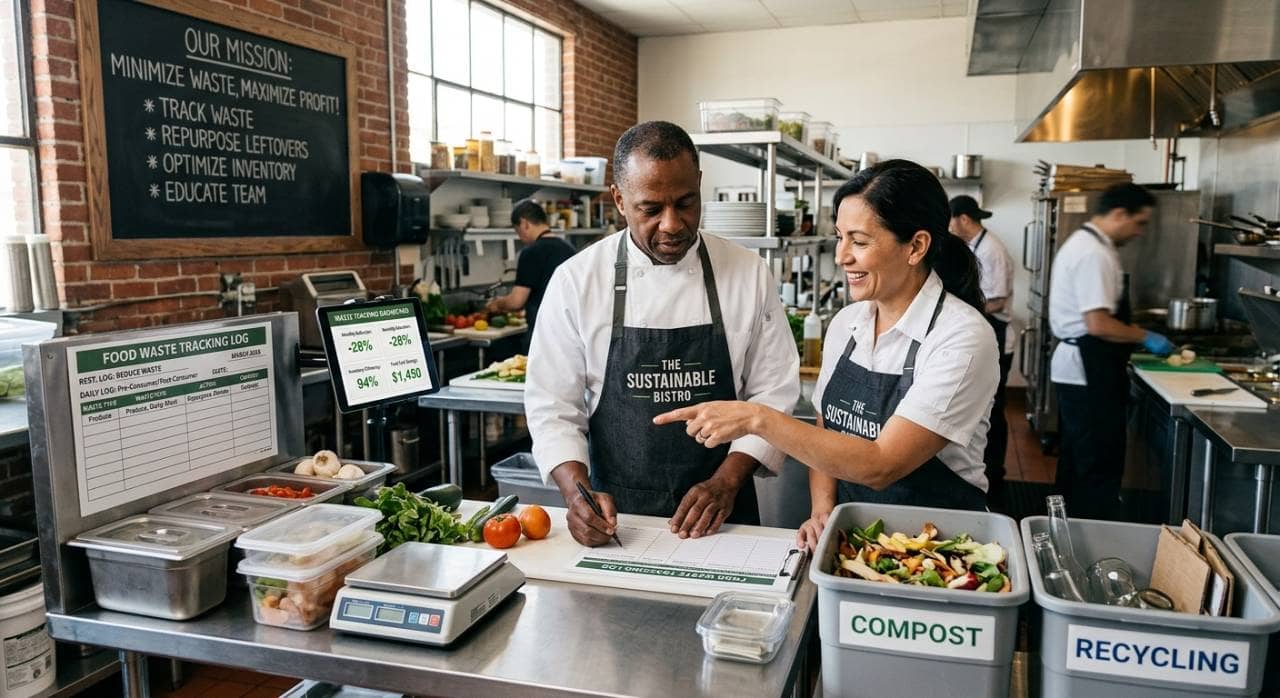
Learn how to reduce food waste in restaurants through smarter purchasing, storage, preparation, and service strategies that cut costs.
Sep 9, 2026
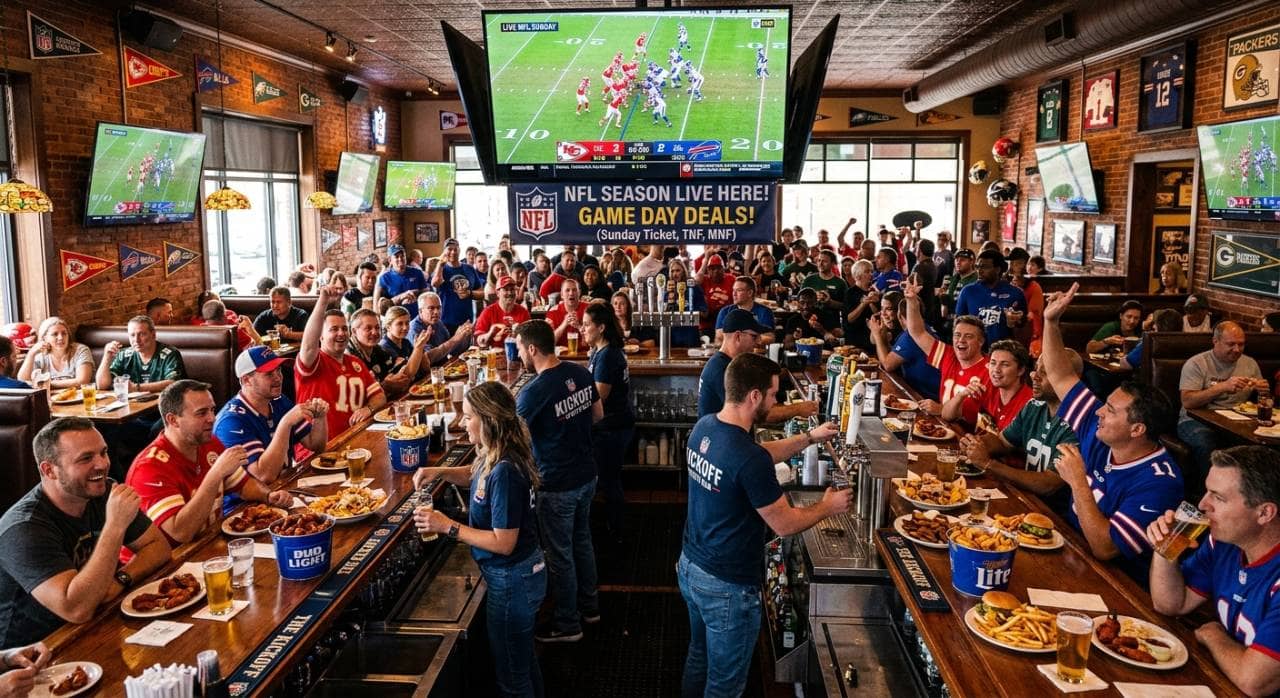
Prepare your restaurant for NFL season with smart menu planning, staffing, marketing, technology, and atmosphere strategies that boost season-long revenue.
Sep 9, 2026
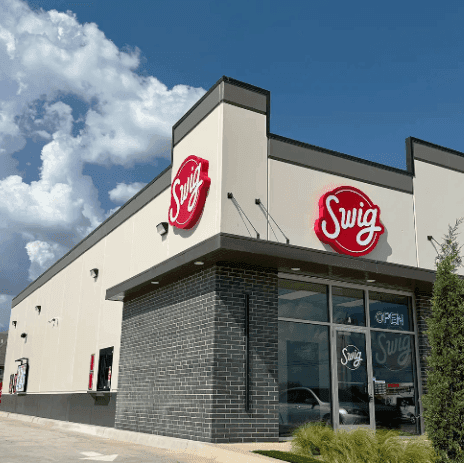
Swig signs franchise agreement for 11 South Denver locations, marking Colorado entry and validating its national expansion strategy.
Sep 8, 2026
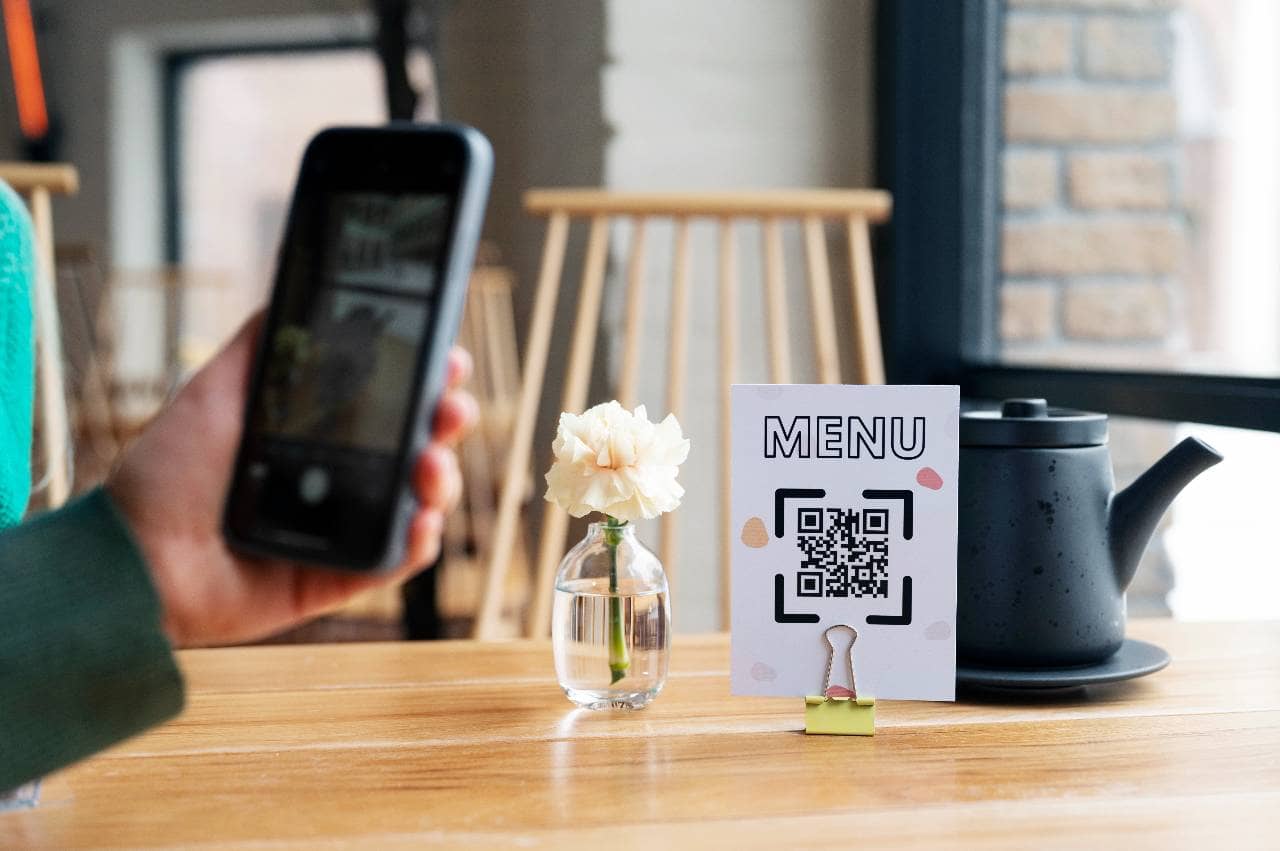
QR code menus let restaurants replace paper menus digitally, enabling instant updates, contactless browsing, ordering, and payment through simple smartphone scanning.
Sep 7, 2026
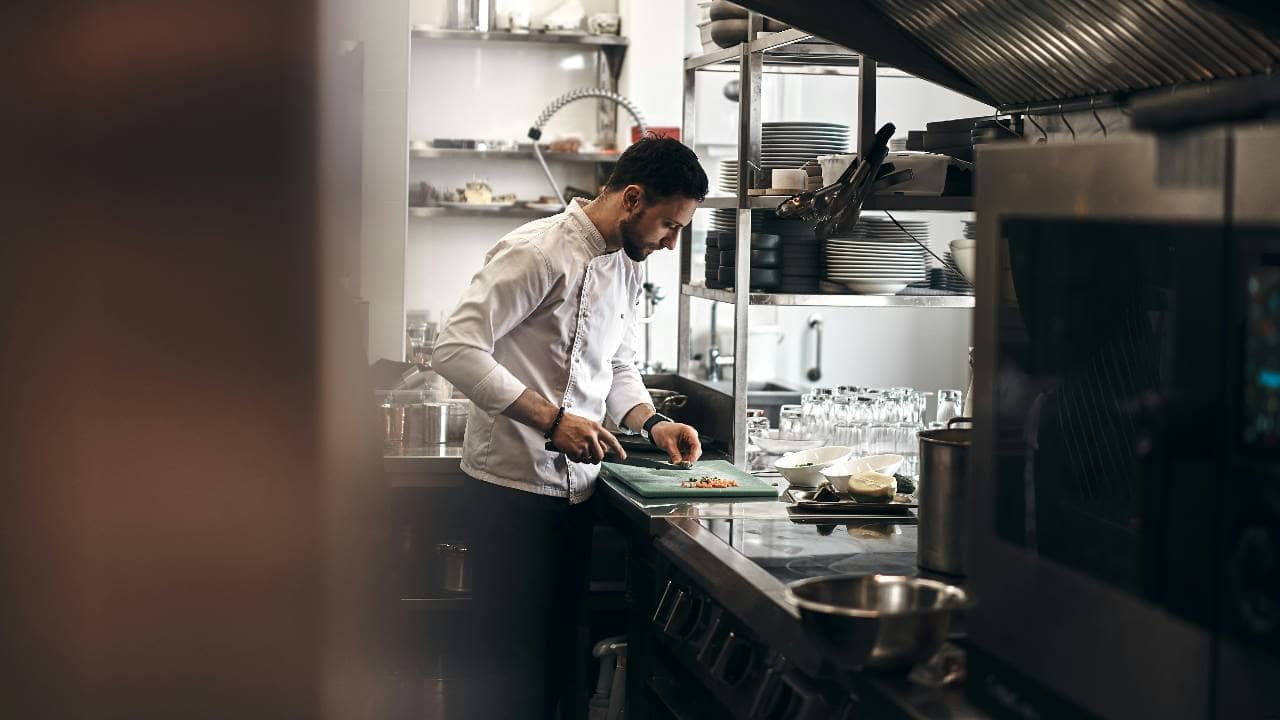
Complete guide helping restaurant owners choose essential kitchen equipment - covering cooking, refrigeration, prep, sanitation, ventilation, safety, and long-term maintenance planning.
Sep 7, 2026

Avoiding common restaurant payroll mistakes - misclassification, tip credit errors, overtime miscalculations - protects businesses from costly penalties, back pay, and compliance risks.
Sep 4, 2026
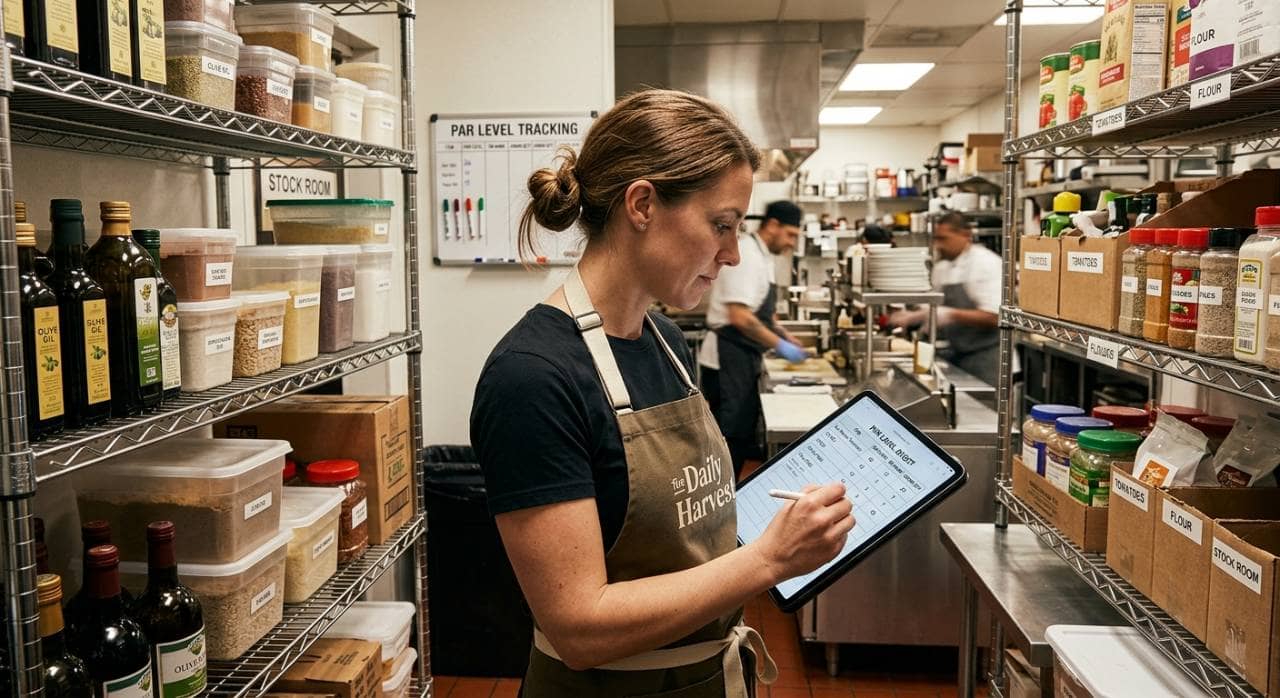
Learn to calculate par levels for restaurant food, beverages, and packaging inventory, preventing stockouts and waste through proper formulas.
Sep 4, 2026
Caribou Coffee appoints Zane Thomas-Rogers as Chief Operations Officer to strengthen execution across its expanding coffeehouse network.
Sep 4, 2026

Unlock Exclusive Access To Webinars, Events, And The Latest News For Free!
After a stock drop on cannibalization fears, Black Rock Coffee doubles down on a 20-20-20 growth model, tightens disclosure, and maps a 1,000-store path by 2035.

Photo by Roman Bozhko
Wall Street made its point quickly. Black Rock Coffee Bar’s stock fell 30 percent in Q1 after CEO Mark Davis disclosed a 130-basis-point cannibalization impact from recent Phoenix openings, even as the brand posted its 13th straight quarter of positive same-store sales at 5.2 percent and reaffirmed all financial and growth targets. The stumble prompted a reset in how the new public company manages its message. Davis defended the performance and said the expansion thesis is unchanged, only sturdier for the lesson.

That lesson lands on a brand built for motion. The expansion began in 2008 with a 160-square-foot drive-thru stand in Beaverton, Oregon, founded by Daniel Brand and Jeff Hernandez. The chain had three locations by year-end, five after its Washington debut in 2009, and seven by 2019 when it entered California. The first combined drive-thru-and-lobby format launched in 2013 with 15 units, before entering Arizona and Idaho three years later and Texas another three years after. A pivotal 2021 decision saw the company buy out all franchised stores, setting the stage for a company-owned growth model.
When Davis joined as CEO in August 2023, after executive roles at Panera, Coffee & Bagel Brands, and Tokyo Joe’s, Black Rock stood at roughly 125 stores. The September 2025 IPO raised $294.1 million and valued the business at approximately $1.32 billion following meetings with about 300 investors and banks, giving it the capital to accelerate toward its 1,000-store goal by 2035.

At William Blair’s Annual Growth Stock Conference, Davis and CFO Rodd Booth laid out a simple playbook: 20 percent-plus annual unit expansion, 20 percent revenue growth, and 20 percent-plus adjusted EBITDA gains. The model leans on rigorous site selection and market prioritization across Phoenix, Austin, Colorado and California, with a new state slated for 2028. To curb overlap, the team will not open stores within three miles of existing units and expects to lap the Phoenix impact by Q3, with a smaller headwind in Q2.
The pipeline is locked through 2027, pacing new doors against mid-20 percent unit-level margins and average-unit volumes of $1.2 million in Year 1, rising toward $1.3 million as stores mature. Since its public debut, the company has delivered on those promises, with Q1 revenue up 24 percent to $55.5 million and adjusted EBITDA up 24 percent to $7.4 million, supported by 29.6 percent store-level margins. The drive-thru channel accounts for 72 percent of sales, digital orders represent 17 percent of revenue, and loyalty participation stands at 66 percent, with members spending about one dollar more per transaction.

Davis took the market’s jolt head on. “And you would have thought I had violated the trust of the world,” he said, adding, “the fact they didn’t know it was coming has taught me a lesson, and I’ll be better for it, and we’ll be better for it,” a promise to tighten transparency and timing. Analyst Sharon Zackfia pointed to why the underlying model resonates with investors: 13 consecutive quarters of positive comparable sales, a two-year stack of 14.4 percent in Q1, mid-90 percent customer satisfaction scores and robust loyalty engagement, where approximately half of loyalty members visit five times per month and a quarter exceed ten visits.
Inside the stores, discipline meets care. “If you look at the guest experience, it will never be better than the team member experience,” Davis says. A 2025 learning management system and a career roadmap program launched last year helped cut turnover, promotions are prevalent with 98 percent of employees above the barista level advancing internally, and a merit-based bonus structure averaged $2,700 per eligible employee last year with nearly 89 percent participation.

Tip eligibility for positions below area manager adds roughly $7 per hour, 90 percent of stores close by 7 p.m. to contain labor in the low-20 percent range, and employee turnover sits near 50 percent, about half the 130-150 percent annual turnover typical at quick-service peers. The company also conducts “top quartile meetings,” maintains a centralized leadership pipeline, partners with HR platform Bold Front to coach future senior leaders, trains staff in budgeting, forecasting and cost management, and has promised a scholarship program to “care for those who take care of us.”

Those store-level habits are playing out in a big, complicated market. The U.S. branded coffee shop sector is valued at $58.5 billion, grew 4.2 percent over the past year to 45,277 outlets, and is forecast to reach $82.4 billion by September 2030 at a 7.1 percent CAGR, with the drive-thru segment leading net outlet growth. Dutch Bros added more than 100 locations and 7 Brew is rapidly expanding, while Black Rock added dozens of units post-IPO.
Digital channels now represent 42 percent of total sales across quick service, a sharp contrast to Black Rock’s 17 percent digital mix, a gap the team plans to close with targeted media and loyalty campaigns. Rising green coffee costs, persistent inflation and tariffs keep pressure on pricing and cost control, a reality that rewards the brand’s focus on predictability.
The path from shock to sprint is now mapped in detail. Black Rock expects to lap its Phoenix cannibalization effect in Q3, with a smaller impact in Q2, and has committed to a minimum three-mile radius between new and existing stores to safeguard productivity. The expansion pipeline is locked through 2027, 20 stores in California are slated over the next year and a half led by three top young managers, and entry into a new state in 2028 remains to be named.
Unknowns linger, from commodity costs and tariffs to fiercer competition that could narrow available white space, yet the company has woven communication discipline into its operating playbook so disclosures align with earnings calls and surprises are minimized. With a growth thesis that targets 20 percent-plus expansion, revenue and EBITDA growth, proven unit economics, loyal customers and a people-driven culture, Black Rock is setting a steady cadence toward 1,000 stores by 2035.
