
California Penalizes Dickey's for Franchise Disclosure Violations
California shifts to public enforcement strategy against Dickey's for deceptive franchise disclosures, signaling stricter state-level franchise oversight.
Franchising
Sep 10, 2026
California shifts to public enforcement strategy against Dickey's for deceptive franchise disclosures, signaling stricter state-level franchise oversight.
Sep 10, 2026
Paul Brown temporarily steps away from Inspire Brands as Scott Murphy assumes interim CEO role during confidential IPO filing process targeting late 2026.
Sep 10, 2026
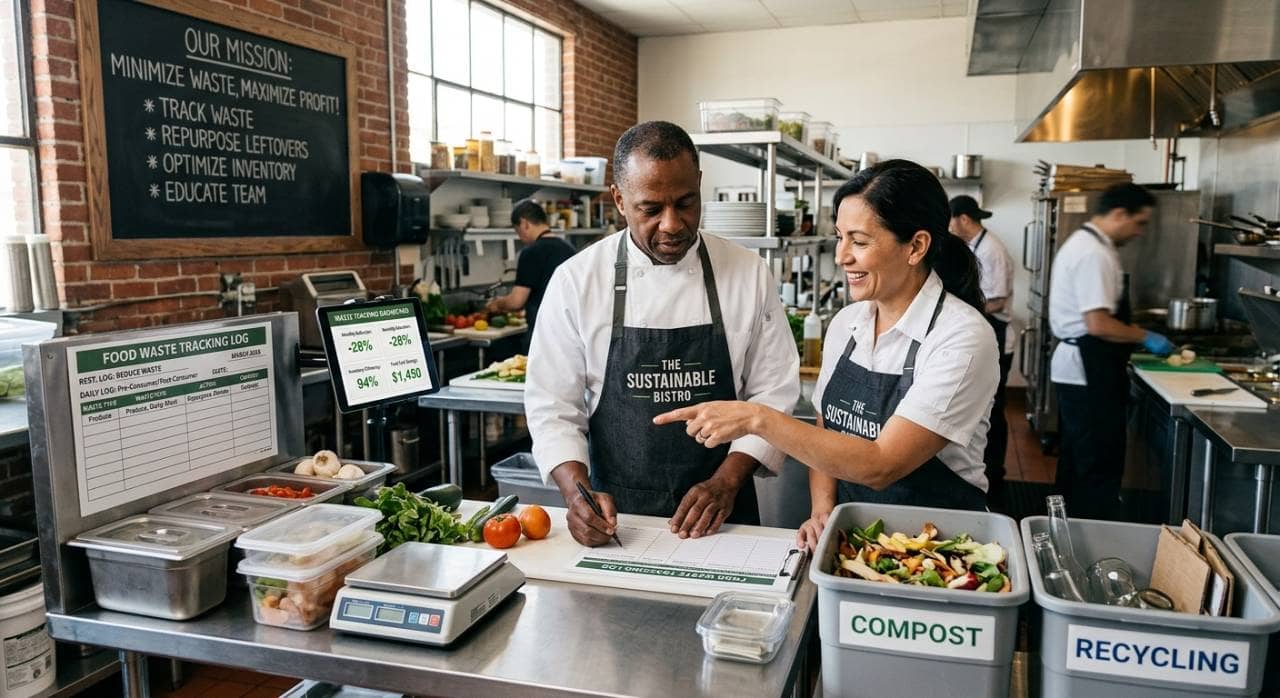
Learn how to reduce food waste in restaurants through smarter purchasing, storage, preparation, and service strategies that cut costs.
Sep 9, 2026
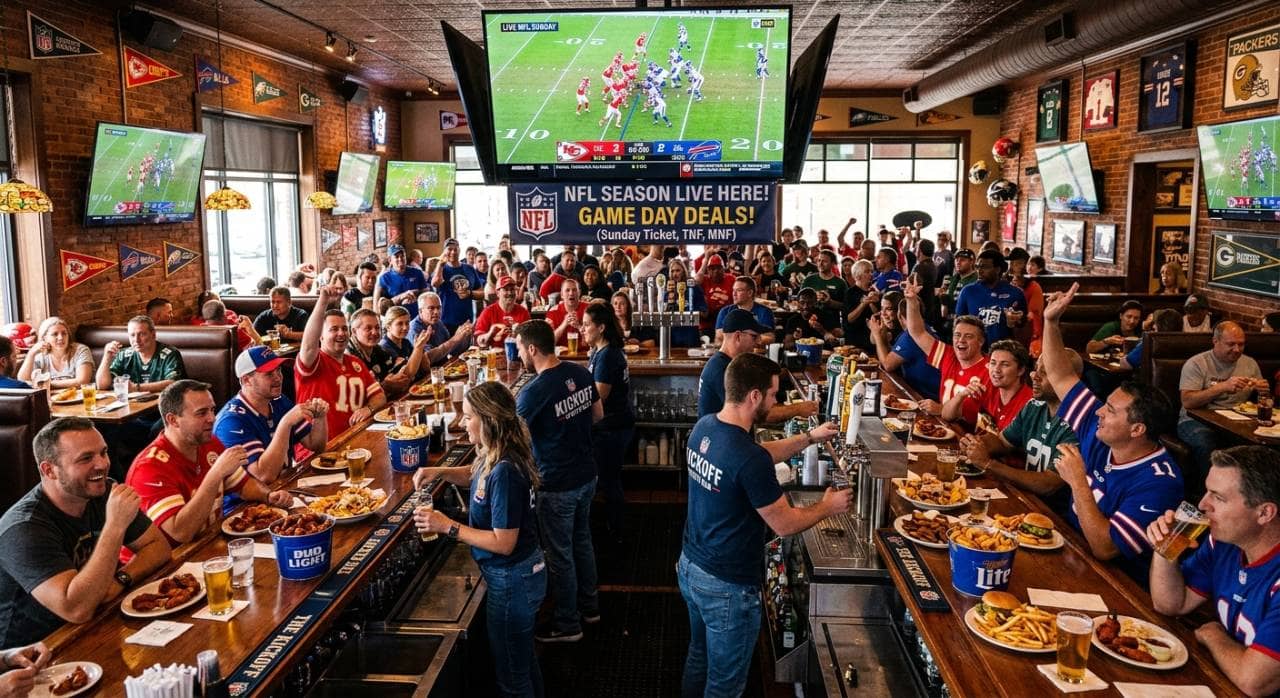
Prepare your restaurant for NFL season with smart menu planning, staffing, marketing, technology, and atmosphere strategies that boost season-long revenue.
Sep 9, 2026
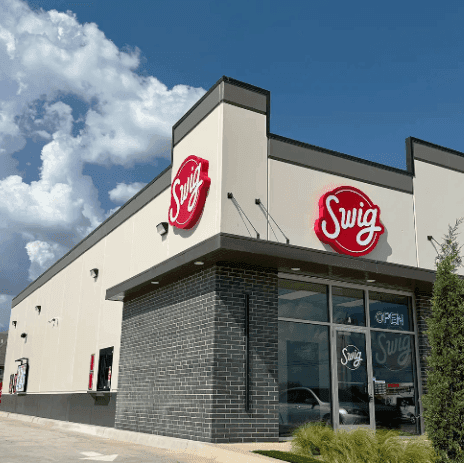
Swig signs franchise agreement for 11 South Denver locations, marking Colorado entry and validating its national expansion strategy.
Sep 8, 2026

Complete guide helping restaurant owners choose essential kitchen equipment - covering cooking, refrigeration, prep, sanitation, ventilation, safety, and long-term maintenance planning.
Sep 7, 2026
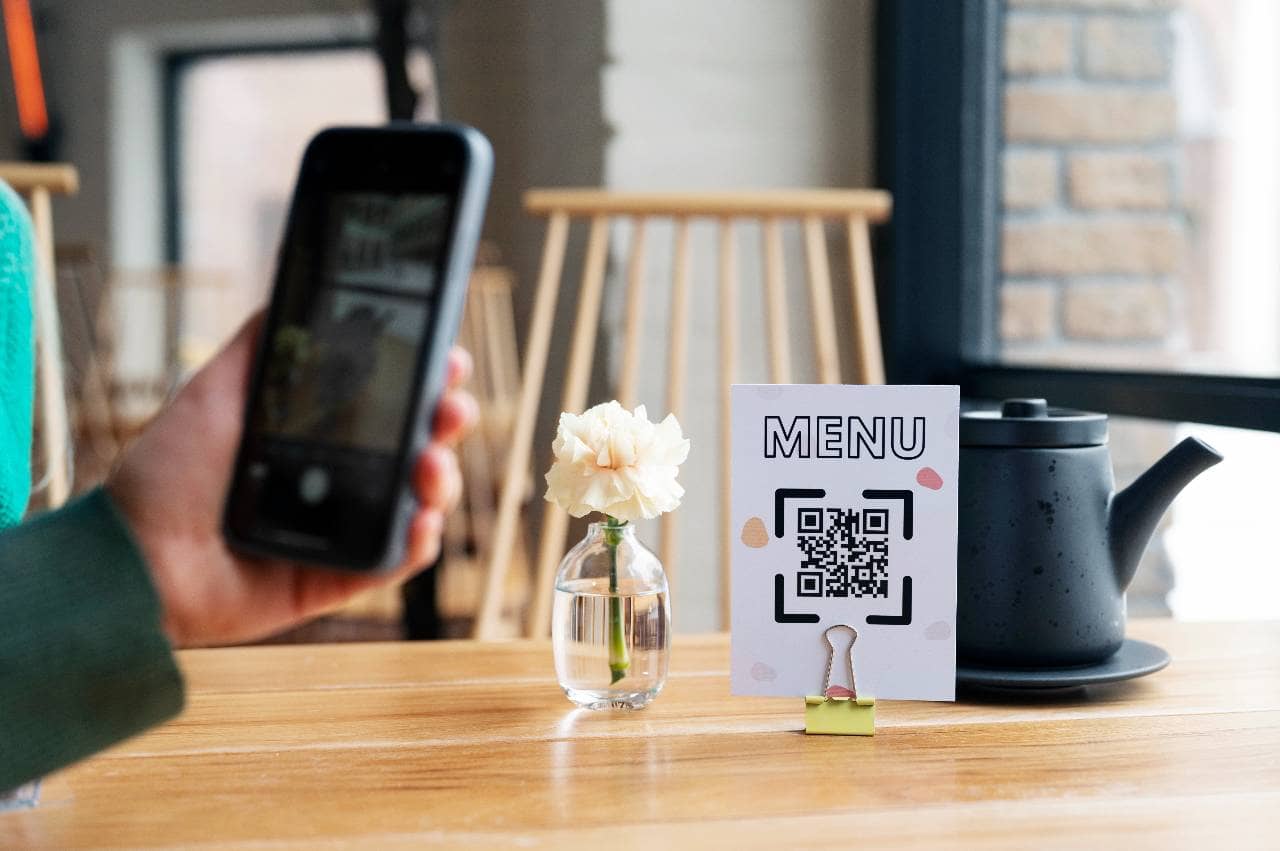
QR code menus let restaurants replace paper menus digitally, enabling instant updates, contactless browsing, ordering, and payment through simple smartphone scanning.
Sep 7, 2026

Avoiding common restaurant payroll mistakes - misclassification, tip credit errors, overtime miscalculations - protects businesses from costly penalties, back pay, and compliance risks.
Sep 4, 2026
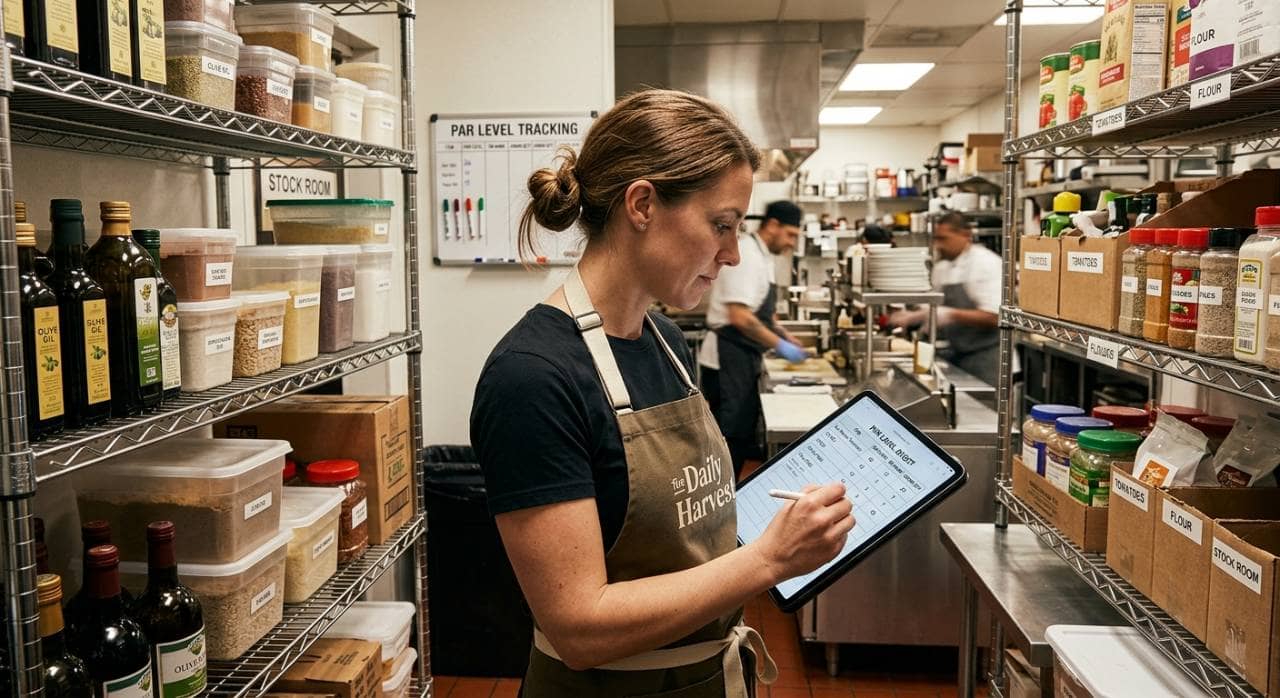
Learn to calculate par levels for restaurant food, beverages, and packaging inventory, preventing stockouts and waste through proper formulas.
Sep 4, 2026
Caribou Coffee appoints Zane Thomas-Rogers as Chief Operations Officer to strengthen execution across its expanding coffeehouse network.
Sep 4, 2026

Unlock Exclusive Access To Webinars, Events, And The Latest News For Free!
How centralized branding platforms unify identity across multi-location chains, cut costs, and accelerate campaigns.

Photo by Praswin Prakashan
Across the competitive restaurant landscape, achieving a uniform brand image from flagship to the farthest outlet is not cosmetic polish but strategic backbone. Technology platforms step in as the architecture of scale, transforming scattered local efforts into a centralized, governance-driven system. Consider AlphaGraphics’ agEnterprise, a central hub designed to manage marketing from a single storefront, ensuring cohesive representation wherever a guest encounters the brand. The aim is to fuse centralized brand management with national control and local customization, while streamlining asset distribution to deliver the same message and visual identity across locations. The prize is clarity: faster campaigns, fewer missteps, and a brand that speaks with one voice even when speaking to many local communities.
At the heart of these platforms lies a triad: centralized management, national control with local customization, and streamlined asset distribution. The architecture reduces misalignment by curating logos, taglines, color schemes, and promotional materials in a single, governed repository. Local teams can tailor campaigns to their communities without breaking the brand's cadence, while a formal approval workflow keeps quality and legality intact. The promise extends beyond aesthetics: faster time-to-market for campaigns and menu updates, smoother rollout of promotions, and a common visual language that guests recognize whether they visit a neighborhood bistro or a distant kiosk. In other words, scale becomes a fluent practice rather than a series of compromises.

Brand management platforms act as a secure, centralized repository for assets, logos, taglines, menus, signage, and more, that authorized teams across locations can access. For example, agEnterprise stores digital versions of assets and enables local teams to modify materials within brand guidelines, all within a streamlined approval workflow that accelerates execution. The design emphasizes National Control, Local Customization: a deliberate balance between brand-wide standards and market-specific adaptation. Local production and delivery further cut shipping costs and lead times, while real-time analytics provide oversight of how assets are deployed and perform. In practice, this structure supports faster launches of new menu items and promotions without sacrificing consistency.
This architecture translates to measurable speed and smoother rollouts. National standards guide every creative decision, yet per-market tweaks stay respectful of local culture. Local production and delivery not only trim lead times but also reduce waste, while analytics illuminate which assets resonate in which neighborhoods. The upshot is a brand that can speak with one voice yet listen to many local accents, a nuanced performance that satisfies headquarters and guests alike.

Beyond consistency, the centralized model delivers measurable efficiency. Platforms that consolidate marketing functions reduce the need for a multitude of third‑party tools and services, and industry notes describe tangible savings, roughly 30 percent for combined marketing workflows. Real-time analytics enable teams to monitor campaign performance by location and adjust messaging or promotions quickly to maximize impact. In short, the centralized approach can boost brand visibility and ROI by aligning spend with proven results, while preserving the agility necessary for local relevance. The lesson for leaders is simple: governance and speed can coexist when the engine is well‑tuned.
To translate this into practice, brands must balance data governance with the art of local activation. Per-location insights matter; dashboards that reveal performance beyond aggregated metrics turn potential into profit. The narrative is not control at the expense of voice but a choreography, structured standards that still invite local experimentation and a dynamic brand conversation.
Franchisors lean on centralized programs to standardize branding across scale. AlphaGraphics National Programs offers a single point of contact for planning, access to agEnterprise, nationwide print and signage coverage through a network of locations, certified color accuracy, and local production and delivery. The goal is to maintain consistent branding across all franchise locations, support growth with on-demand access to branded marketing materials, and reduce internal workload and vendor management. The centralized online ordering portal and scalable support are highlighted as core benefits for franchisors seeking faster, more reliable execution across markets.
For franchisees, the system translates into consistent guidelines and on-demand access on day one, reducing the guesswork of local marketing. The partnership becomes a capability, not a series of independent efforts, allowing communities to act quickly while staying within the brand's compass.
Wisetail’s case study on GoTo Foods describes unifying seven brands, Auntie Anne’s, Carvel, Cinnabon, Jamba, Moe’s Southwest Grill, McAlister’s Deli, and Schlotzsky’s, across more than 6,900 locations. The Hub, Wisetail’s enablement platform, provides location-specific checklists, brand-specific modules, and ongoing development to reinforce each brand’s identity at scale. GoTo Foods notes that enterprise-wide engines, including marketing and training, support demand, consistency, and operational efficiency across the platform.
These deployments illustrate the practical payoff: a unified engine that sustains brand integrity while accommodating thousands of locations. The emphasis remains on the equilibrium between central governance and local activation, the same DNA expressed differently at the shop level, guided by digital checklists and brand modules.
Industry signals reinforce the move toward centralized branding. A 2024 restaurant industry trends report from KPMG shows near-universal automation and tech investments, with 82 percent of respondents deploying capital toward tech enablement and multi-brand platforms indicating greater maturity than single-brand peers. The report notes that larger, multi-brand platforms are further along in AI maturity and other tech-enabled workflows, suggesting they may better address inflation and cost pressures. Separately, expert analyses highlight the value of building a brand system rather than a static guide, with a recommended ratio of 70 percent centralized, 30 percent localized content to maintain scale while preserving local relevance. Finally, the shift toward geo-fenced paid media and per-location measurement is identified as a key lever for efficiency and growth.
Looking ahead, the trend points to disciplined, asset-centric branding, centralized content engines powering local activation, with granular analytics guiding decisions. The road map favors systems that marry governance with agile activation to sustain relevance across markets.

Momentum is clear, yet gaps endure. Industry observers emphasize the need for per-location visibility and dashboards to monetize marketing investments beyond aggregated metrics. The push toward AI-enabled workflows is advancing, but many brands remain at early stages of maturity, requiring careful planning, data governance, and change management to realize full benefits. As noted, towns and regions differ in competitive dynamics, and brands must balance centralized discipline with local experimentation to sustain relevance. Technology is a powerful enabler, not a universal fix; ongoing measurement and governance are essential to long-term success.
Looking forward, platforms are positioned as indispensable partners for brands seeking relevance, growth, and responsiveness to evolving consumer expectations. A disciplined, asset-centric approach, coupled with granular analytics and local-market adaptability, will define the next era of multi-location restaurant marketing. The future belongs to brands that combine rigorous governance with agile local activation, powered by centralized platforms and data-driven decision-making.
