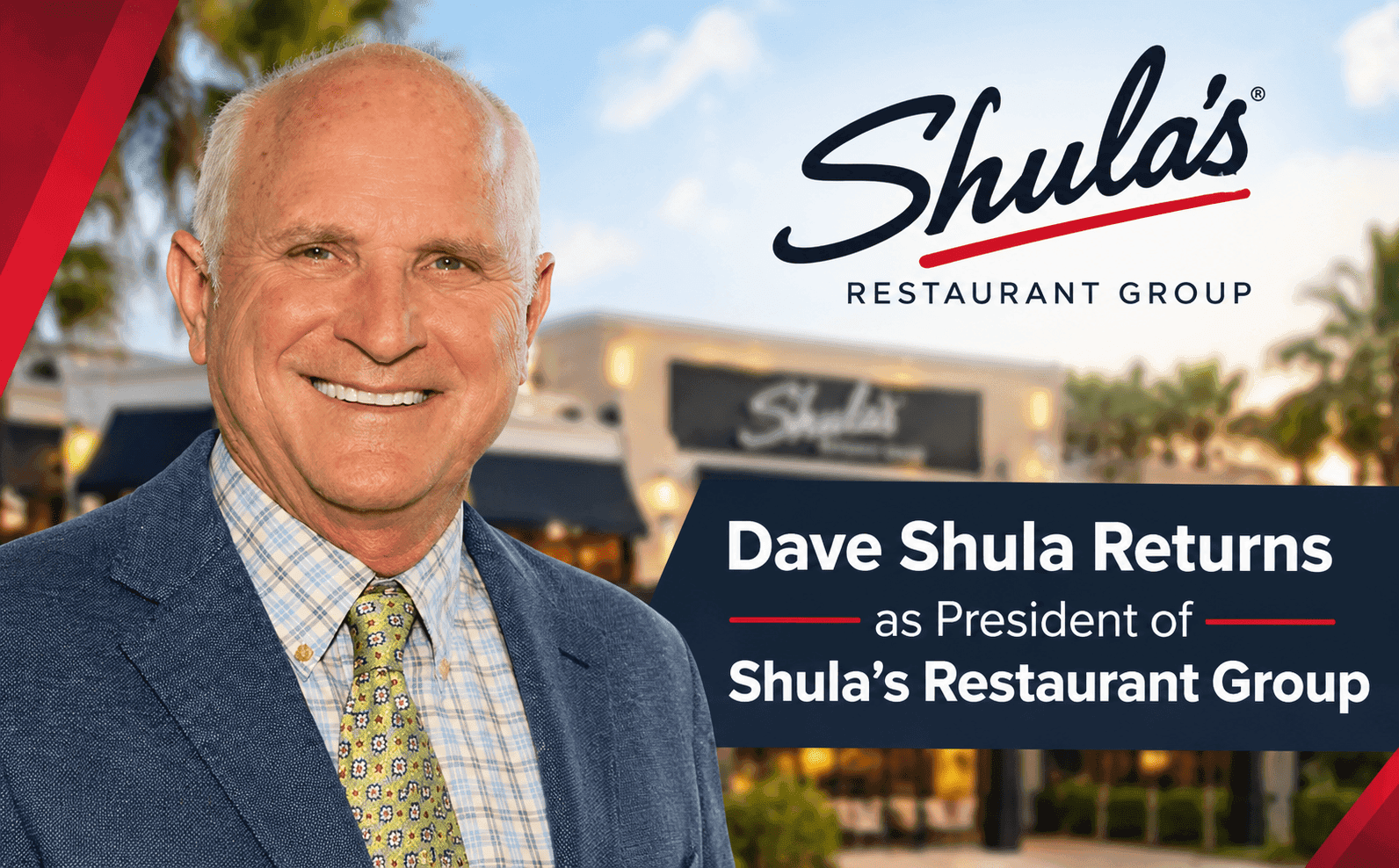
Dave Shula Returns as President of Shula's Restaurant Group
Dave Shula rejoins Shula's Restaurant Group as president, leading growth into Palm Beach Gardens and a 2027 Thomasville, Georgia expansion.
News
Sep 23, 2026
Dave Shula rejoins Shula's Restaurant Group as president, leading growth into Palm Beach Gardens and a 2027 Thomasville, Georgia expansion.
Sep 23, 2026
McDonald's commits $8.5 billion through 2036 to modernize restaurants, boost cash flow by $100,000 per store, and grow chicken and beverage sales.
Sep 23, 2026
WKS Restaurant Group promotes Jay Spongberg to president and COO after he helped grow the company from 65 to 382 restaurants over 16 years.
Sep 23, 2026

Smokey Mo's BBQ names Von Dawson, a Dine Brands veteran, as VP of Franchise Development to lead its Texas expansion strategy.
Sep 23, 2026
.png&w=3840&q=70)
Meritage Hospitality's Chapter 11 filing pulls 5% of Wendy's U.S. stores into bankruptcy, exposing cracks in franchising's bigger-is-safer bet.
Sep 21, 2026
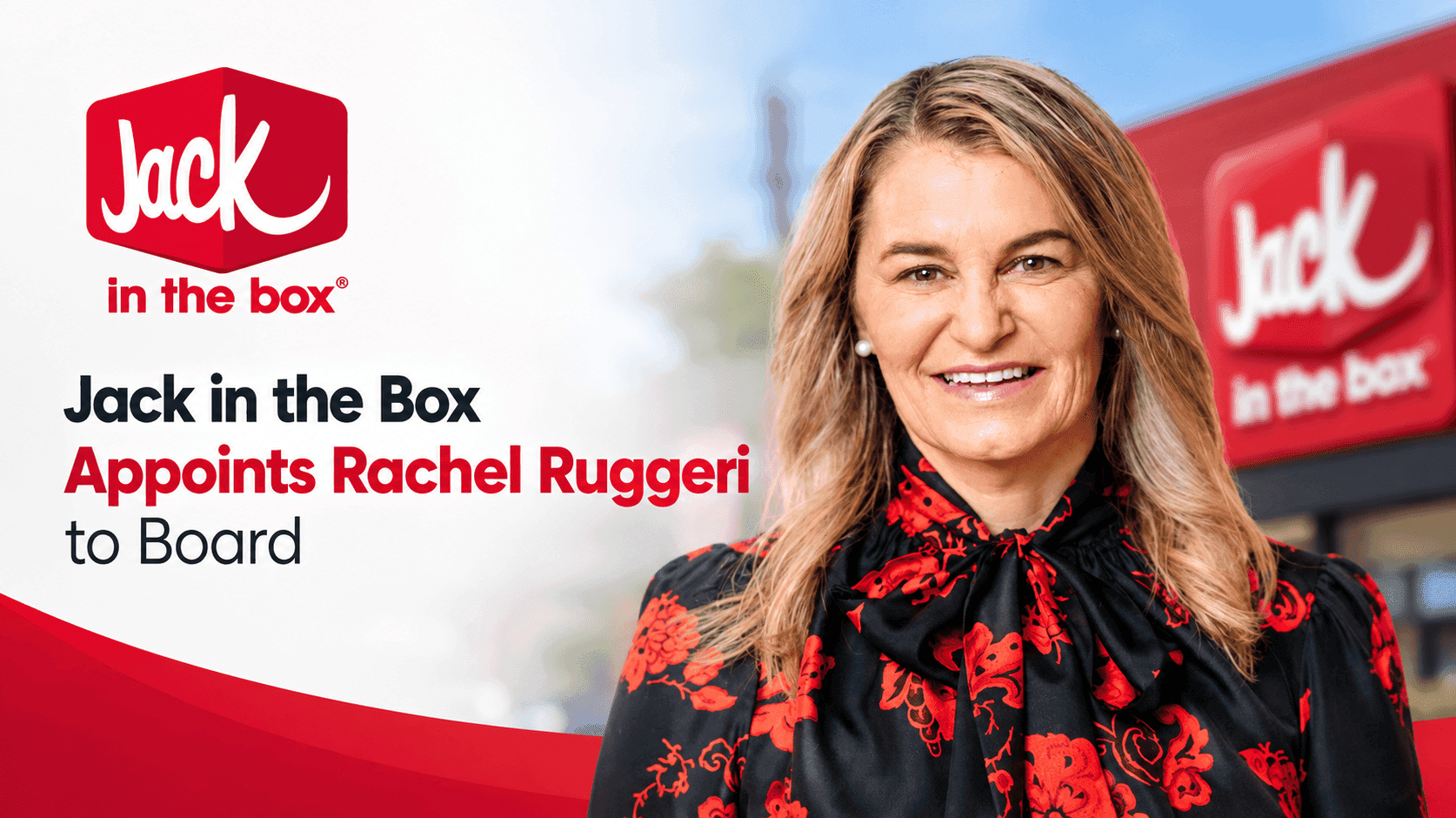
Jack in the Box names Rachel Ruggeri to its board as Michael Murphy retires, amid a CEO transition and deal with investor GreenWood.
Sep 21, 2026
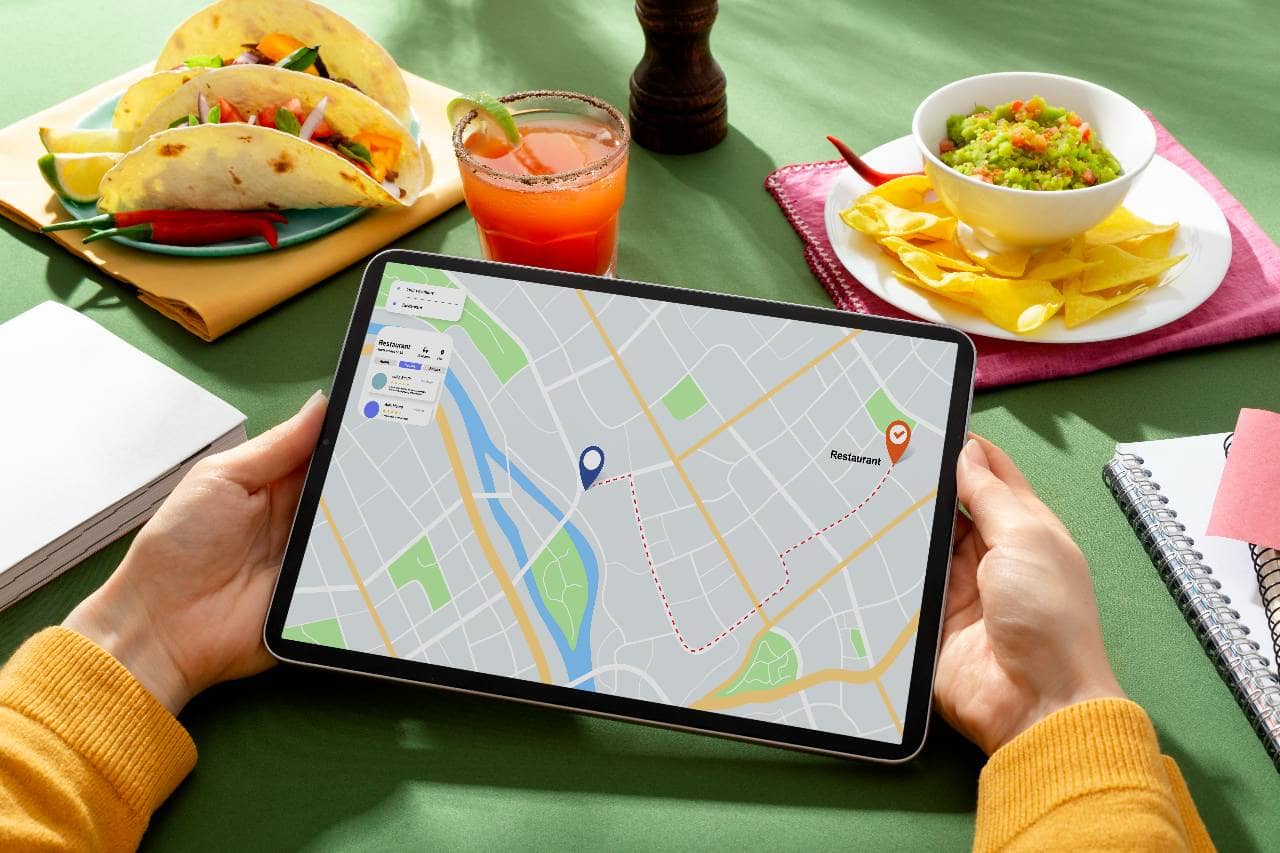
Improve restaurant Google Maps rankings by optimizing your business profile, selecting accurate categories, gathering reviews, adding photos, and strengthening local relevance signals.
Sep 21, 2026

Restaurant inventory tracking helps owners monitor stock, control food costs, reduce waste, improve purchasing, and make informed operational decisions.
Sep 21, 2026

Restaurant owners can significantly reduce restaurant costs by leveraging technology across inventory, labor, procurement, forecasting, and administrative operations for better profit margins.
Sep 18, 2026

Understand how to forecast restaurant revenue and expenses with methods for sales projection, cost scaling, fixed-cost planning, and risk buffering.
Sep 18, 2026

Unlock Exclusive Access To Webinars, Events, And The Latest News For Free!
Four leaders map growth through core offerings, culture, and authentic marketing, outlining Swig, L&L Hawaiian Barbecue, Firebirds, and El Pollo Loco.
On the Nashville stage, four leaders laid out a practical growth map. The aim wasn’t to chase breadth but to tighten a core idea: growth comes from invention, culture, and the guest experience. The panel at CREATE: the Future of Foodservice featured Alex Dunn of Swig, Elisia Flores of L&L Hawaiian Barbecue, Steve Kislow of Firebirds Wood Fired Grill, and Liz Williams of El Pollo Loco. They argued that the winners are the brands that carve a defensible point of differentiation while staying true to brand DNA. The discussion signals a sea change in growth strategy: invention and culture trump pure scale in a crowded market, every time.
Swig stays lean: a focused core menu of dirty sodas, now with as many as 50 toppings, paired with pricing designed for accessibility and repeat visits. “deliver the Swig experience wherever people live.”
L&L Hawaiian Barbecue formalizes its edge through 100% franchising, embedding ohana and aloha into onboarding and daily operations so franchise partners champion the culture in their communities.
Firebirds Wood Fired Grill guards value by design, avoiding deep discounting and offering a standing three‑course dinner to reinforce quality.
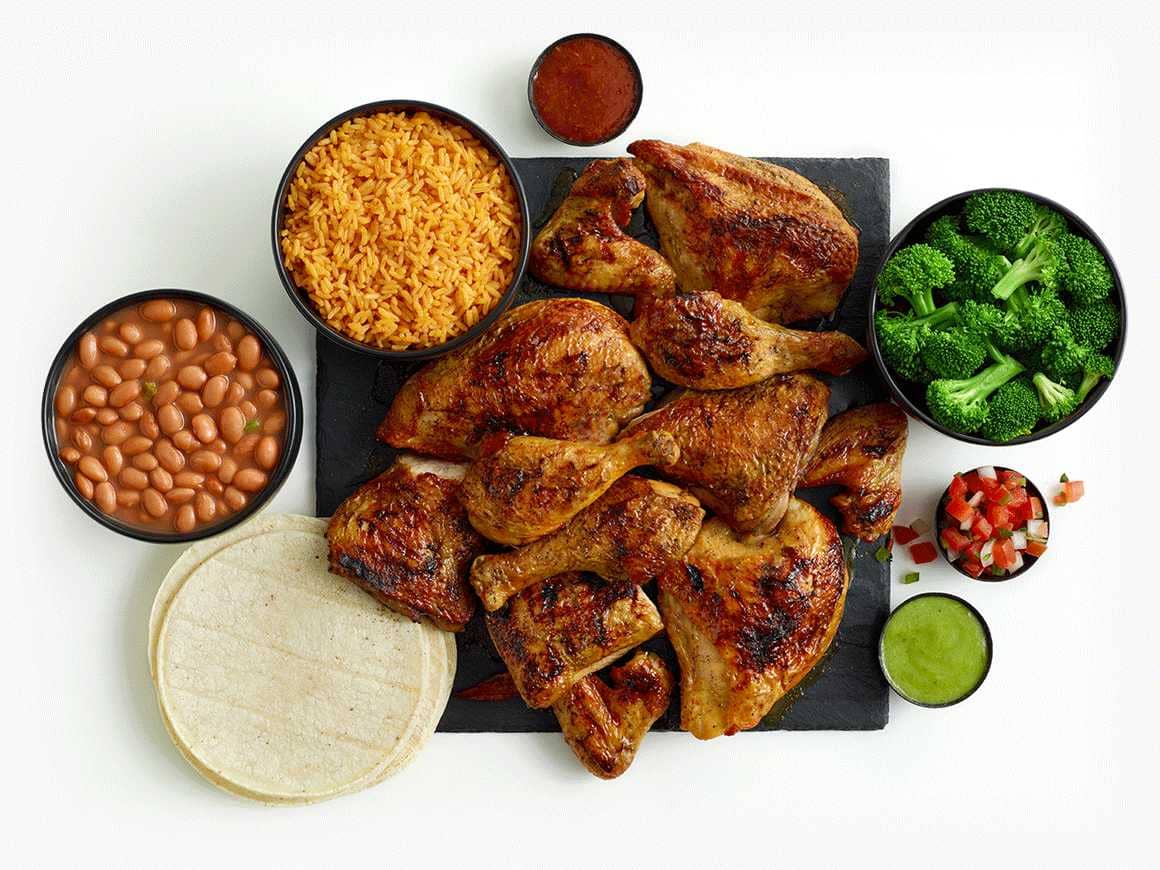
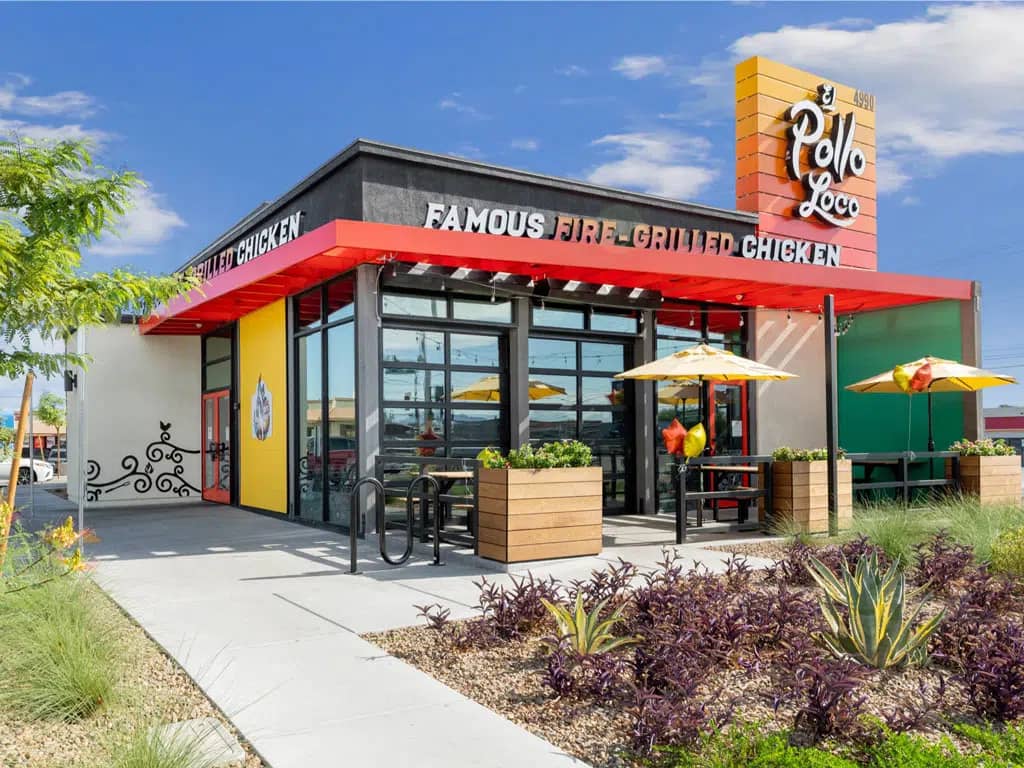
El Pollo Loco grows through a genuine, fan‑driven promotion in new markets, relying on authentic word‑of‑mouth over hype and paid reach.
Behind each brand’s growth is a repeatable mechanism that defends its niche. Swig leverages a distinctive core product and pricing discipline, turning social momentum into national expansion. Bloomberg notes this approach accelerates Swig's reach by tapping into cross‑market appeal. L&L Hawaiian Barbecue formalizes its edge through culture: a strong onboarding pipeline and a family‑centric ohana ethos that franchisees are urged to champion. Firebirds reinforces value not with discounts but with a clear menu structure and a predictable guest experience, often applied through targeted promotions rather than broad cuts. El Pollo Loco expands via organic marketing and consumer education, resisting influencer overload.

Taken together, these mechanics illustrate how category identity, cultural authenticity, and consistent guest experiences sustain growth even as markets get crowded. The playbook favors category leadership, culture‑led franchising, and disciplined marketing over reckless expansion. It’s a simple equation: defend your core, align partners, and tell the story without shouting.
Direct quotes anchor the leadership portrait. “Swig created a category that is starting to come into its own. While imitation is the sincerest form of flattery, we’d rather they didn’t copy us, and people just came to Swig.” This line captures the tension between category leadership and copycat risk, a dynamic that drives both defense of brand equity and ongoing innovation. “Our edge is the franchisees we bring in.” Flores emphasizes, adding that partners should experience Hawaii firsthand to feel the culture. “I look for the franchisee that's coming in and telling me these stories of wanting to open this up for their kids or bring the brand to their community.” Williams adds, underscoring a people‑first approach to expansion. “I think a lot of others in the polished-casual space have started to take price and are now much closer to the fine‑dining category.” Pricing discipline remains a theme, rounded out by Williams’ point that entering a market requires education to build awareness: “When we go into a new market, it’s about educating consumers and driving awareness.”
These voices sketch a candid balance: bold bets paired with concrete guardrails. The leadership narrative isn’t about hype; it’s about trust, price clarity, and staying legible to guests who return season after season.
Recent moves give the plan shape. Liz Williams’s tenure as El Pollo Loco CEO began in March 2024, a timeline that reframes the brand’s mid‑decade turnaround. In that window, the brand engaged a new creative agency of record, Innocean USA, as part of a broader brand turnaround reported by industry outlets. Separately, L&L Hawaiian Barbecue continues to promote its franchising model with a clear ohana ethos and a careful partner selection process. The Firebirds leadership environment remains focused on value creation through menu design and guest experience, not blanket discounts.

These moves translate to a leaner growth engine: selective promotions rather than price wars, disciplined brand storytelling, and a steady hand on training and operations. It’s growth by alignment, people first, product consistent, and market education steady, rather than random expansion.
Industry context confirms these threads aren’t isolated. Category creators must manage imitation while protecting brand equity; franchising models increasingly reward culture‑led onboarding and community alignment; value strategies balance price, quality, and experience without overreliance on discounts. Bloomberg’s coverage of Swig’s expansion highlights how social momentum can propel fast multi‑market growth, with opportunity and pressure in equal measure. At the same time, El Pollo Loco’s ongoing brand refresh and agency shift shows even established chains recalibrating to reach younger audiences.
Together, these signals point to a sector moving toward durable, relationship‑driven growth. The playbooks aren’t about flashy gimmicks; they’re about steady differentiation, trusted partnerships, and authentic consumer engagement that compounds across markets.
Implications for operators and investors point to a future built on a holistic playbook: fortify a strong core offering, recruit franchise partners who embody brand values, balance price with quality and guest experience, and let authentic storytelling drive awareness. The convergence of category leadership, culture‑rich franchising, and disciplined marketing suggests a path for mid‑market brands seeking national reach: stay true to your core, invest in people and training, and lean into organic resonance with your audience.

As growth unfolds, the focus will be less on who can shout the loudest and more on how the brand is lived in every location. The measure of success will be guest trust reflected in repeat visits, steady margins, and a clear, defensible identity that survives imitators and trend shifts alike.
