
California Penalizes Dickey's for Franchise Disclosure Violations
California shifts to public enforcement strategy against Dickey's for deceptive franchise disclosures, signaling stricter state-level franchise oversight.
Franchising
Sep 10, 2026
California shifts to public enforcement strategy against Dickey's for deceptive franchise disclosures, signaling stricter state-level franchise oversight.
Sep 10, 2026
Paul Brown temporarily steps away from Inspire Brands as Scott Murphy assumes interim CEO role during confidential IPO filing process targeting late 2026.
Sep 10, 2026
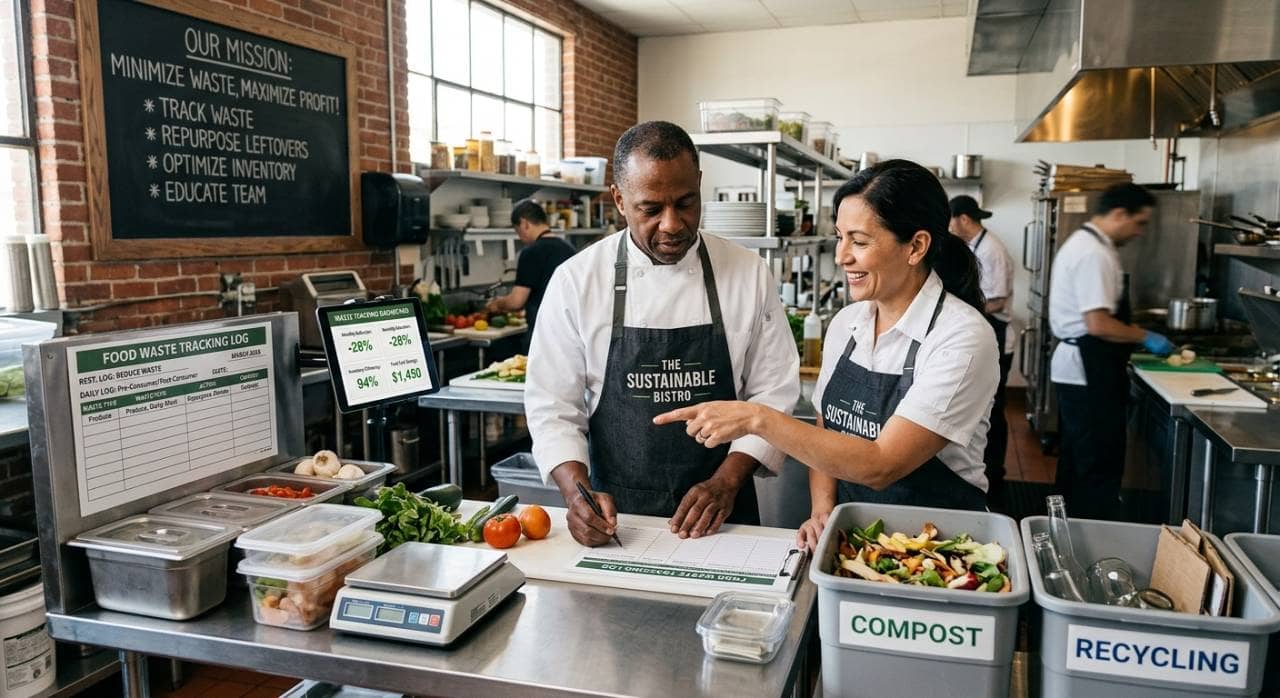
Learn how to reduce food waste in restaurants through smarter purchasing, storage, preparation, and service strategies that cut costs.
Sep 9, 2026
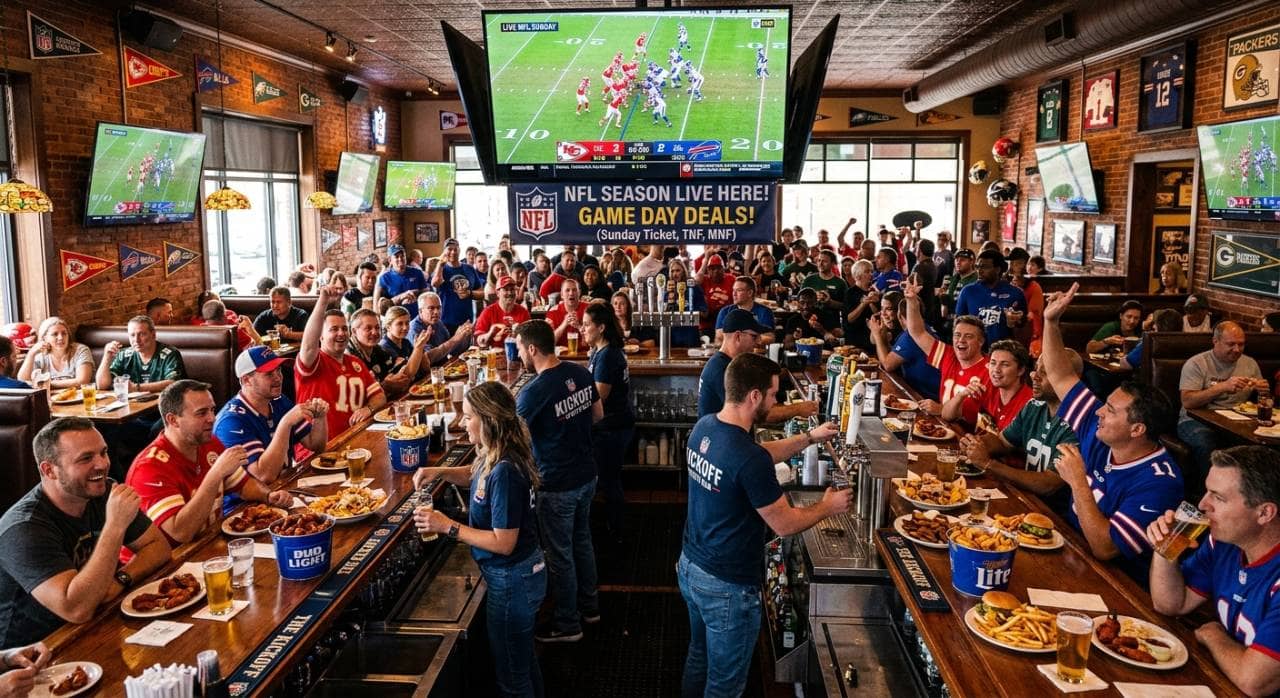
Prepare your restaurant for NFL season with smart menu planning, staffing, marketing, technology, and atmosphere strategies that boost season-long revenue.
Sep 9, 2026
Swig signs franchise agreement for 11 South Denver locations, marking Colorado entry and validating its national expansion strategy.
Sep 8, 2026
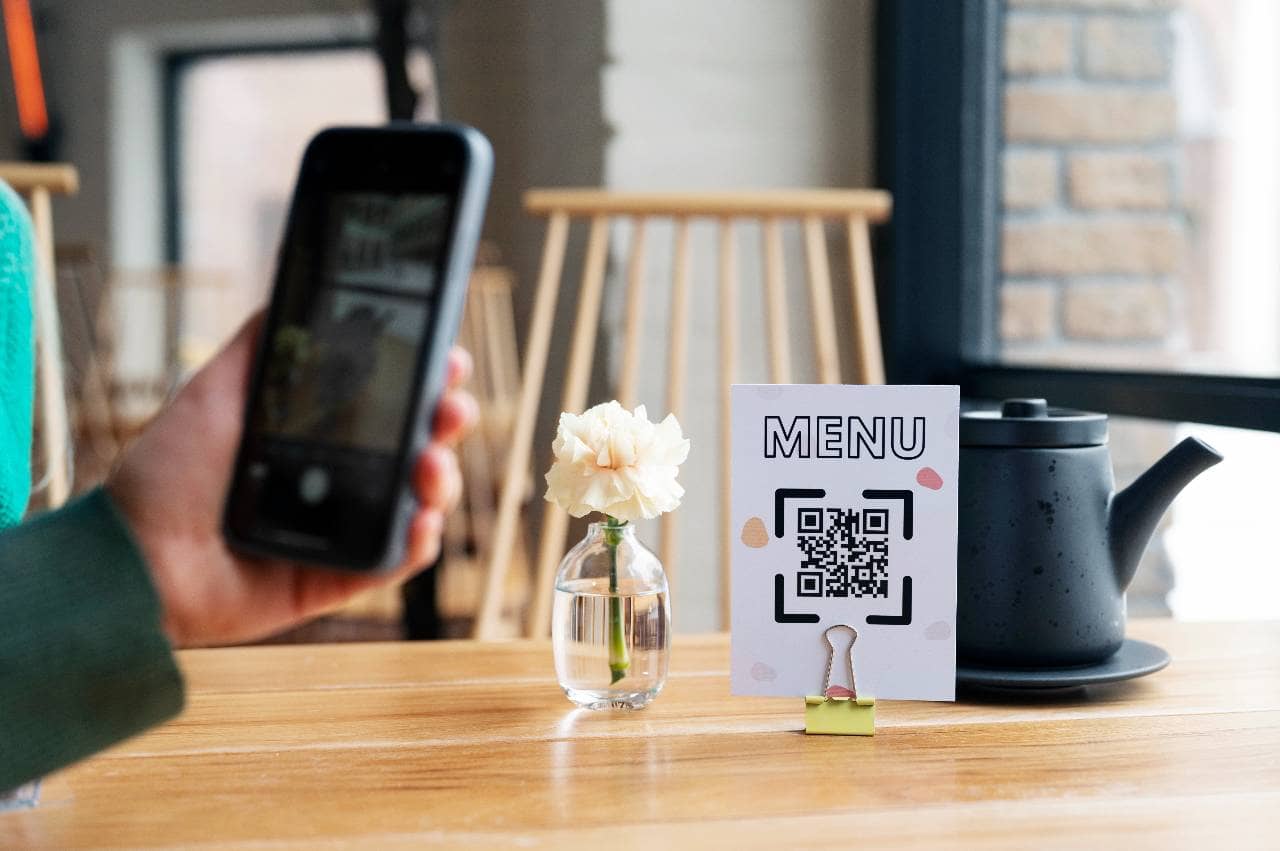
QR code menus let restaurants replace paper menus digitally, enabling instant updates, contactless browsing, ordering, and payment through simple smartphone scanning.
Sep 7, 2026

Complete guide helping restaurant owners choose essential kitchen equipment - covering cooking, refrigeration, prep, sanitation, ventilation, safety, and long-term maintenance planning.
Sep 7, 2026

Avoiding common restaurant payroll mistakes - misclassification, tip credit errors, overtime miscalculations - protects businesses from costly penalties, back pay, and compliance risks.
Sep 4, 2026
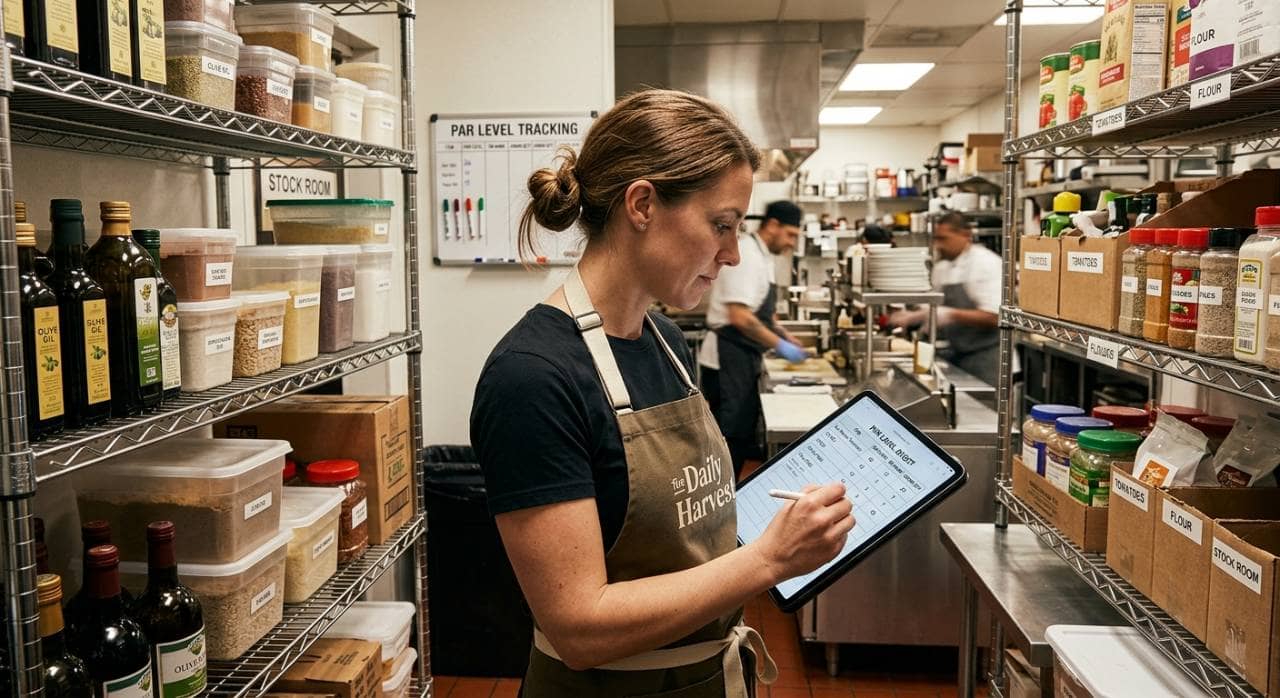
Learn to calculate par levels for restaurant food, beverages, and packaging inventory, preventing stockouts and waste through proper formulas.
Sep 4, 2026
Caribou Coffee appoints Zane Thomas-Rogers as Chief Operations Officer to strengthen execution across its expanding coffeehouse network.
Sep 4, 2026

Unlock Exclusive Access To Webinars, Events, And The Latest News For Free!
California mandates nine major allergens on all standard menu items across formats, elevating guest safety and menu transparency.

Photo by Louis Hansel
On a quiet morning, the café’s menu takes on a new, almost weather‑like importance: it promises clarity without drama, and it invites a slower, more forgiving pace to the morning ritual. In California, that mood is becoming policy. SB 68, the Allergen Disclosure for Dining Experiences Act, will require every standard menu item to carry the top nine allergens in print and across every digital surface a guest might encounter. The deadline, July 1, 2026, adds a gentle urgency to the everyday act of ordering, a reminder that hospitality thrives when information is steady as a mug of coffee. This is a shift that tastes of care as much as compliance.
Under SB 68, the nine allergens, milk, eggs, fish, shellfish, tree nuts, peanuts, wheat, sesame, and soybeans, must be disclosed for each standard item, across every format: printed menus, menu boards, drive‑thru boards, kiosks, online menus, and apps. The disclosure can be direct on the item or delivered via QR codes, with alternative written formats such as allergen charts required as well. The California Restaurant Association notes that compliance extends beyond a page, it asks for harmonized data across internal systems and third‑party platforms so that what guests see in‑store, online, or through delivery remains aligned. In practice, brands will feel this in menu design, pricing, and the governance of supplier data.
This isn’t merely a rule to tick off; it’s a quiet, generous request: show guests they are seen, and you invite them to stay. The change promises a more predictable dining experience, a gentler rhythm for both frontline teams and the guests they serve. Hospitality, after all, thrives when information flows as calmly as steam from a cup; SB 68 asks for that flow to begin with every plate, every order, every moment of choosing and tasting.

How nine allergens are disclosed is the heart of SB 68. The rule covers every standard item across all channels, print, digital surfaces, and every platform guests might use. Equality across experiences is the aim: a guest won’t find one allergen note on a board and a different one on a mobile listing. This is the quiet architecture of trust, and it will shape how menus are written, how items are priced, and how supplier data feeds through every touchpoint.
The practical horizon is clear: menu design must accommodate a more expansive data layer, pricing models may adapt to new labeling realities, and sourcing teams will contend with data governance that travels from the kitchen to the app. The rule’s reach is comprehensive, touching the way menus are conceived and refreshed, and the way guests discover and compare options in real time. In a café, a well‑placed allergen note can feel as comforting as the pastry’s first bite.
Beyond the legal text lies a soft pivot in how guests experience dining. When a menu feels transparent, conversations around ingredients loosen, and lingered moments over coffee become a space for considered choices. The industry is learning to translate policy into practice with patience, new workflows, clearer labels, and a hospitality ethos that values safety as a shared responsibility. In this evolving landscape, California’s dining rooms, and the digital corners that reach them, become laboratories for gentler, more reliable hospitality.
