
California Penalizes Dickey's for Franchise Disclosure Violations
California shifts to public enforcement strategy against Dickey's for deceptive franchise disclosures, signaling stricter state-level franchise oversight.
Franchising
Sep 10, 2026
California shifts to public enforcement strategy against Dickey's for deceptive franchise disclosures, signaling stricter state-level franchise oversight.
Sep 10, 2026
Paul Brown temporarily steps away from Inspire Brands as Scott Murphy assumes interim CEO role during confidential IPO filing process targeting late 2026.
Sep 10, 2026
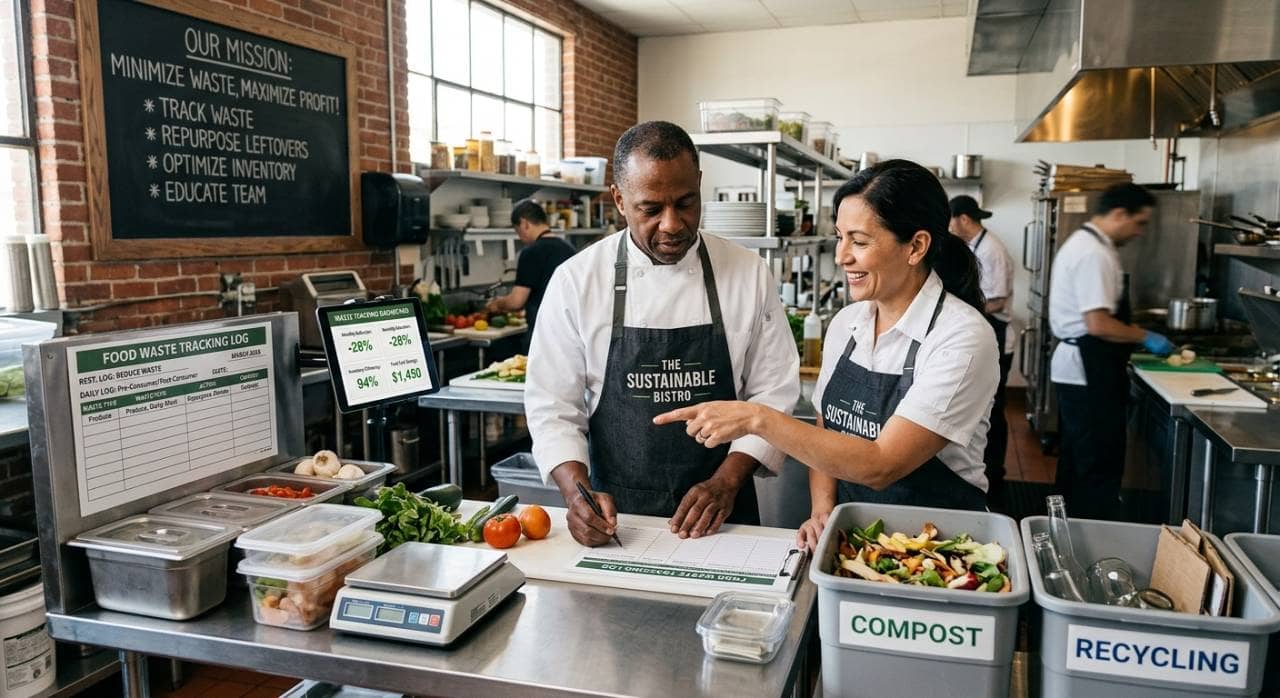
Learn how to reduce food waste in restaurants through smarter purchasing, storage, preparation, and service strategies that cut costs.
Sep 9, 2026
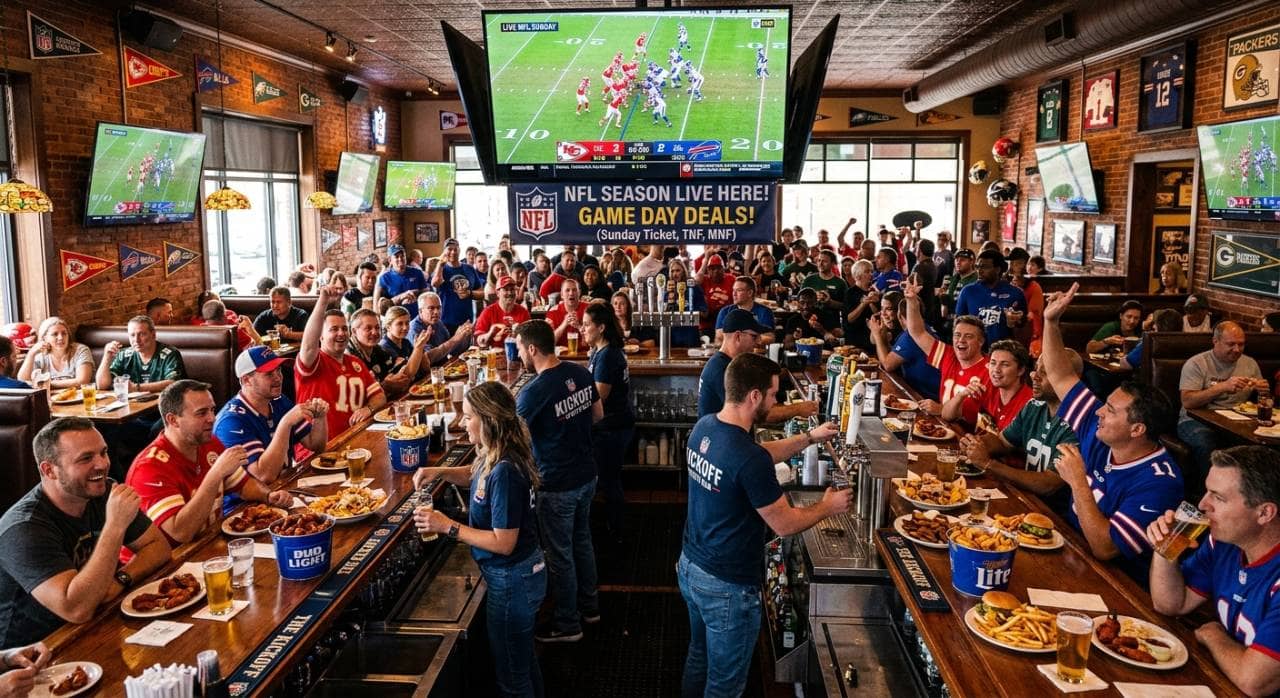
Prepare your restaurant for NFL season with smart menu planning, staffing, marketing, technology, and atmosphere strategies that boost season-long revenue.
Sep 9, 2026
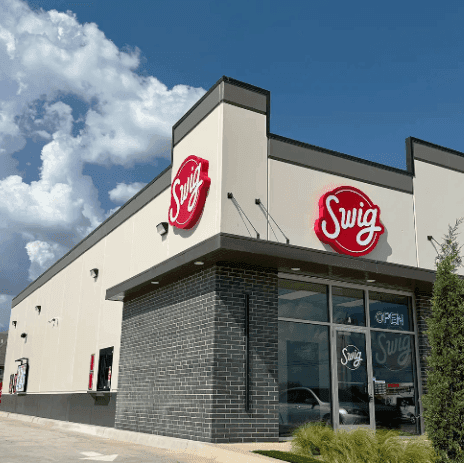
Swig signs franchise agreement for 11 South Denver locations, marking Colorado entry and validating its national expansion strategy.
Sep 8, 2026

Complete guide helping restaurant owners choose essential kitchen equipment - covering cooking, refrigeration, prep, sanitation, ventilation, safety, and long-term maintenance planning.
Sep 7, 2026
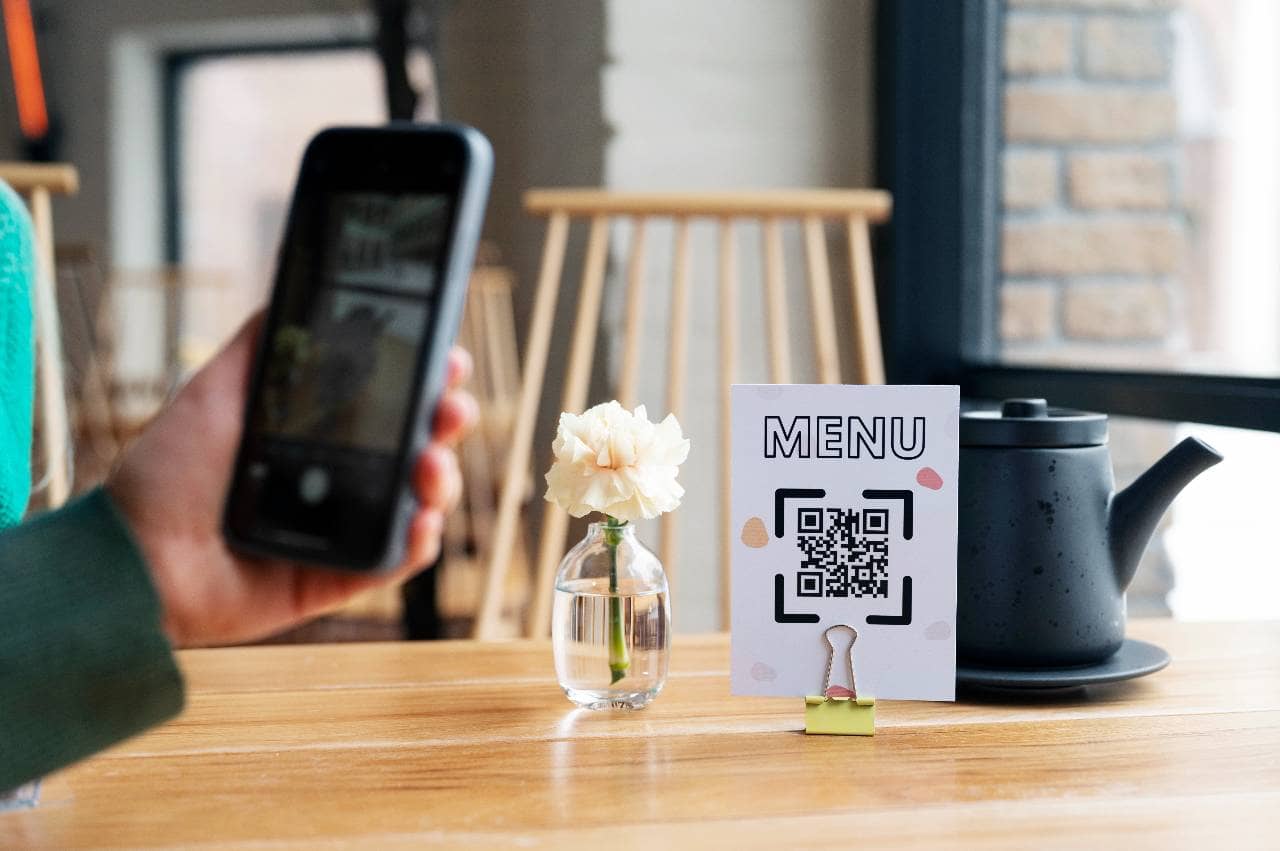
QR code menus let restaurants replace paper menus digitally, enabling instant updates, contactless browsing, ordering, and payment through simple smartphone scanning.
Sep 7, 2026

Avoiding common restaurant payroll mistakes - misclassification, tip credit errors, overtime miscalculations - protects businesses from costly penalties, back pay, and compliance risks.
Sep 4, 2026
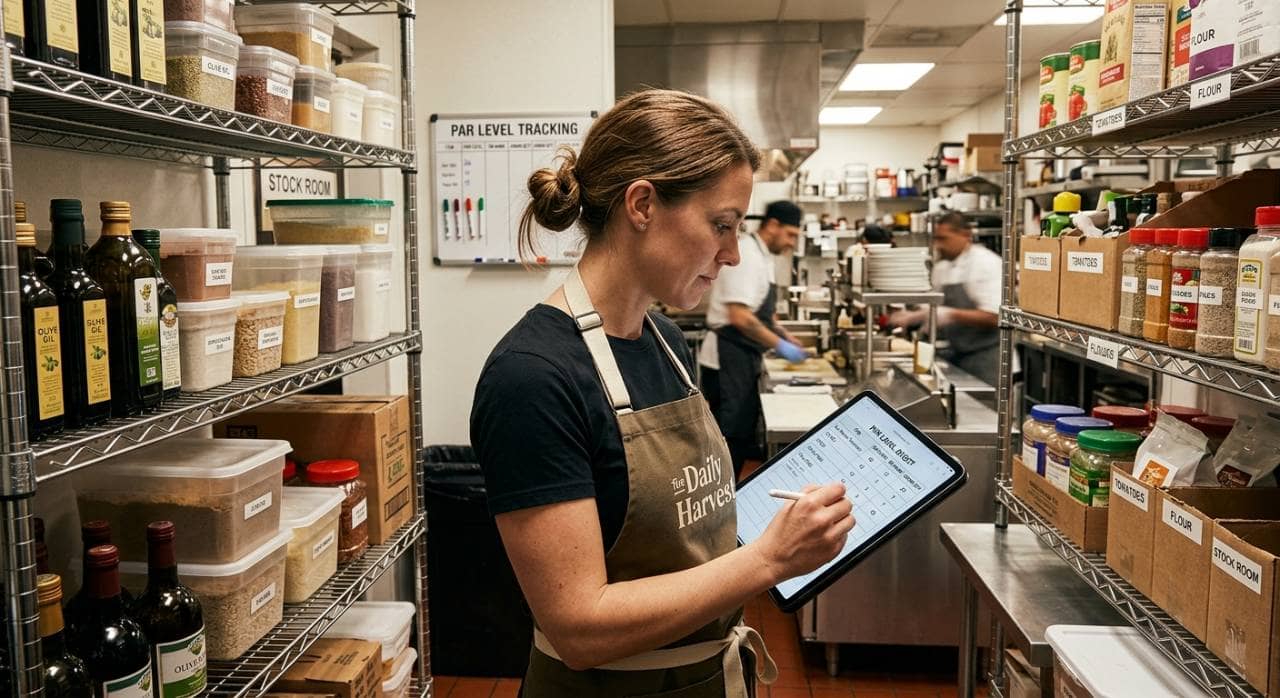
Learn to calculate par levels for restaurant food, beverages, and packaging inventory, preventing stockouts and waste through proper formulas.
Sep 4, 2026
Caribou Coffee appoints Zane Thomas-Rogers as Chief Operations Officer to strengthen execution across its expanding coffeehouse network.
Sep 4, 2026

Unlock Exclusive Access To Webinars, Events, And The Latest News For Free!
California's wage reform, nostalgia-driven menus, and high-throughput drive-thru concepts reshape the quick-service landscape, signaling a broader industry shift.

Photo by Adhitya Sibikumar
California's quick-service landscape now moves to a triad of shifts that recalibrate margins and sharpen craft.
AB 1228 sets a minimum wage of $20 per hour for fast-food workers, effective April 1, 2024, and endows a Fast Food Council with annual adjustment authority through 2029. With local variations preempted, operators must rethink margins, scheduling, and automation as they gauge how price, service, and competition will evolve. This is more than a policy change; it is a design challenge for operations, brand, and payroll alike.
Together, the wage floor and council horizon create a moving target that forces long-range planning. Operators test automation for routine tasks, restructure shift coverage, and accelerate throughput through digital ordering and curbside options. The policy also reframes overtime exemptions and exempt-status classifications, nudging managers to re-think payroll structures. In practice, networks with large footprints balance higher labor costs with sharper efficiency: investment in technology, smarter scheduling, and a hospitality-first approach that preserves service without surrendering margins.

On the ground, operators choreograph a careful dance of people and machines to sustain service as costs rise. Wage floors press managers to revisit role definitions and compensation ladders, while overtime and exempt-status considerations ripple through scheduling. Across networks with heavy footprints, teams experiment with automation for routine tasks, reconfigured shift coverage, and faster throughput via digital ordering and curbside options. The effect is not withdrawal; it is recalibration, keeping hospitality intact while relieving bottlenecks where labor costs bite the hardest.
Regulatory guidance reminds leaders to bake the higher wage into budgeting while the Fast Food Council horizon remains dynamic. Capital planning tilts toward throughput-enabling fixtures rather than sprawling renovations: automated lanes, kitchen reconfigurations, and data-driven scheduling. Yet the risk of misalignment persists if investments run ahead of wage movements. In short, the industry learns to live with a moving target: higher wages, smarter operations, and a discipline of timing that rewards anticipation over reaction.
A chorus from the field enters the discussion, measuring policy against the daily rhythms of service. The moment is as much about sentiment as numbers, and it unfolds across endorsements and critiques that travel with each storefront and press briefing.
“After ten years of vibrant and courageous activism, which included raising the minimum wage for all workers in the state and bringing billions of dollars into working families’ pockets, fast food workers have now achieved something historic.” said David Huerta, president of SEIU California.
Other voices point to marketing as a compass: “nostalgia-driven” offerings from Taco Bell aim to rekindle connections, while “With the new Elevated Drive-Thru design, featuring our first four-lane drive-thru, we’re aiming to deliver quality food and genuine hospitality in a way that’s uniquely Chick-fil-A.” said Jonathan Reed, Chick-fil-A’s design chief. The chorus suggests that policy, branding, and store design are weaving a common narrative about value, experience, and throughput.
Beyond policy, the industry tests memory as a driver of demand. Taco Bell’s Nostalgic Menu test in Southern California, featuring the Tostada, Green Burrito, Meximelt, Gordita, and Caramel Apple Empanada, was designed as a limited-time engagement to reintroduce fan-favorite items and measure demand. The August 2024 test expanded to a nationwide rollout for a limited period, illustrating how nostalgia can sit beside price promotions in a high-velocity channel. The goal is to engage both longtime fans and new customers with nostalgia-driven offerings.
Chick-fil-A’s throughput revolution follows a hospitality-first logic. The Elevated Drive-Thru on Jodeco Road features a four-lane configuration, a two-story kitchen, and a sophisticated conveyor system designed to deliver a meal every six seconds to a team member. The design, highlighted in August 2024, projects two to three times the throughput of a standard unit while preserving the brand’s signature warmth in high-traffic corridors near retailers and schools.

Taken together, AB 1228 and the brand experiments illuminate opportunities and uncertainties within California’s restaurant ecosystem. The wage floor creates a robust, enforceable baseline that can improve retention and morale, even as analyses in the wake of the policy suggest employment effects that vary by method and geography. The law’s scope, covering national chains with 60 locations or more, also raises questions about coverage of hybrid or new models, such as ghost kitchens or co-located concepts.
As nostalgia-driven marketing and high-capacity formats take hold, California could serve as a living laboratory for wage policy effects and for rapid adoption of technology-forward concepts across the broader industry. The convergence of policy, branding, and store design suggests a future in which fast food becomes a more measured, more immersive craft, one that balances generous compensation with relentless throughput.
