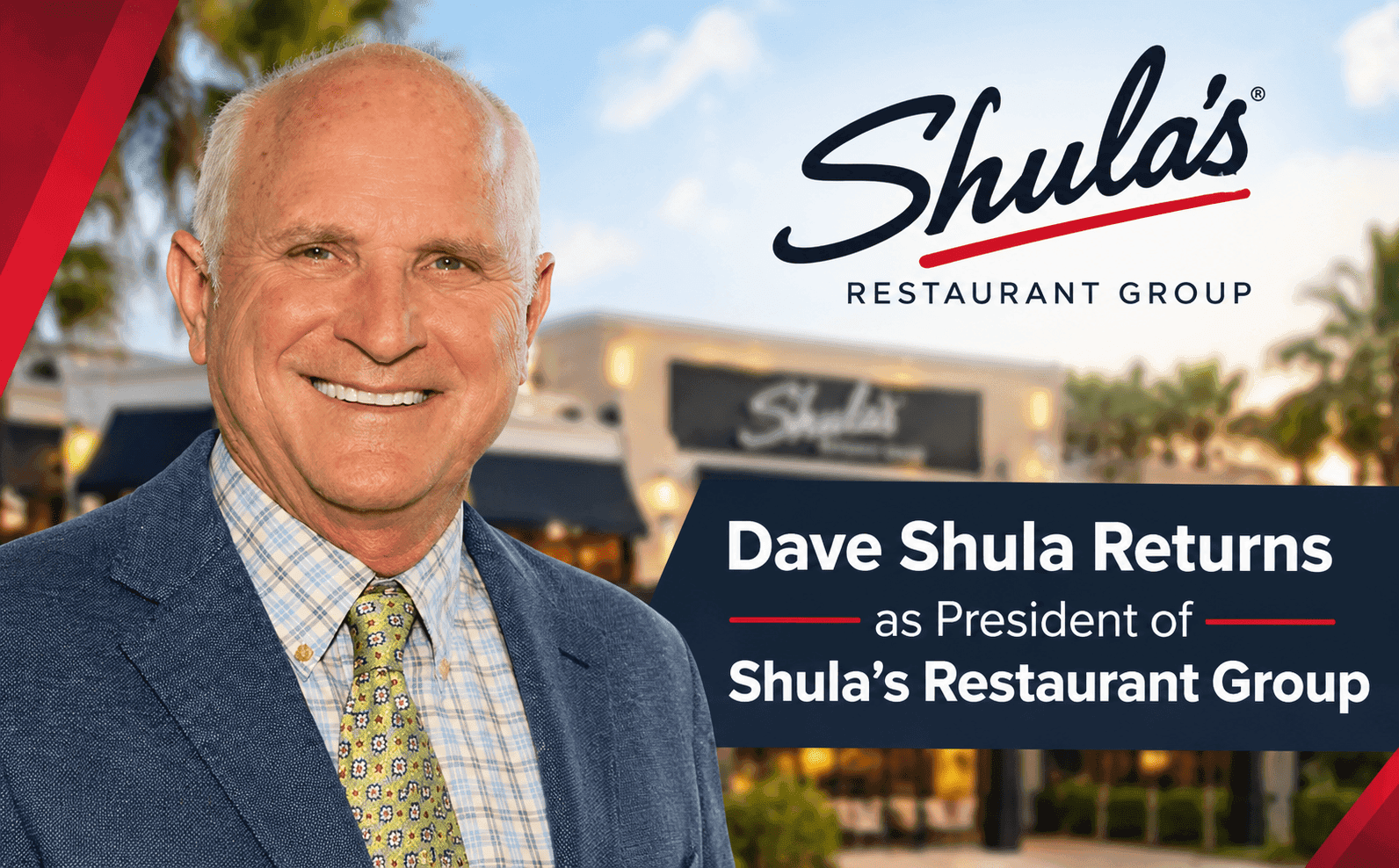
Dave Shula Returns as President of Shula's Restaurant Group
Dave Shula rejoins Shula's Restaurant Group as president, leading growth into Palm Beach Gardens and a 2027 Thomasville, Georgia expansion.
News
Sep 23, 2026
Dave Shula rejoins Shula's Restaurant Group as president, leading growth into Palm Beach Gardens and a 2027 Thomasville, Georgia expansion.
Sep 23, 2026
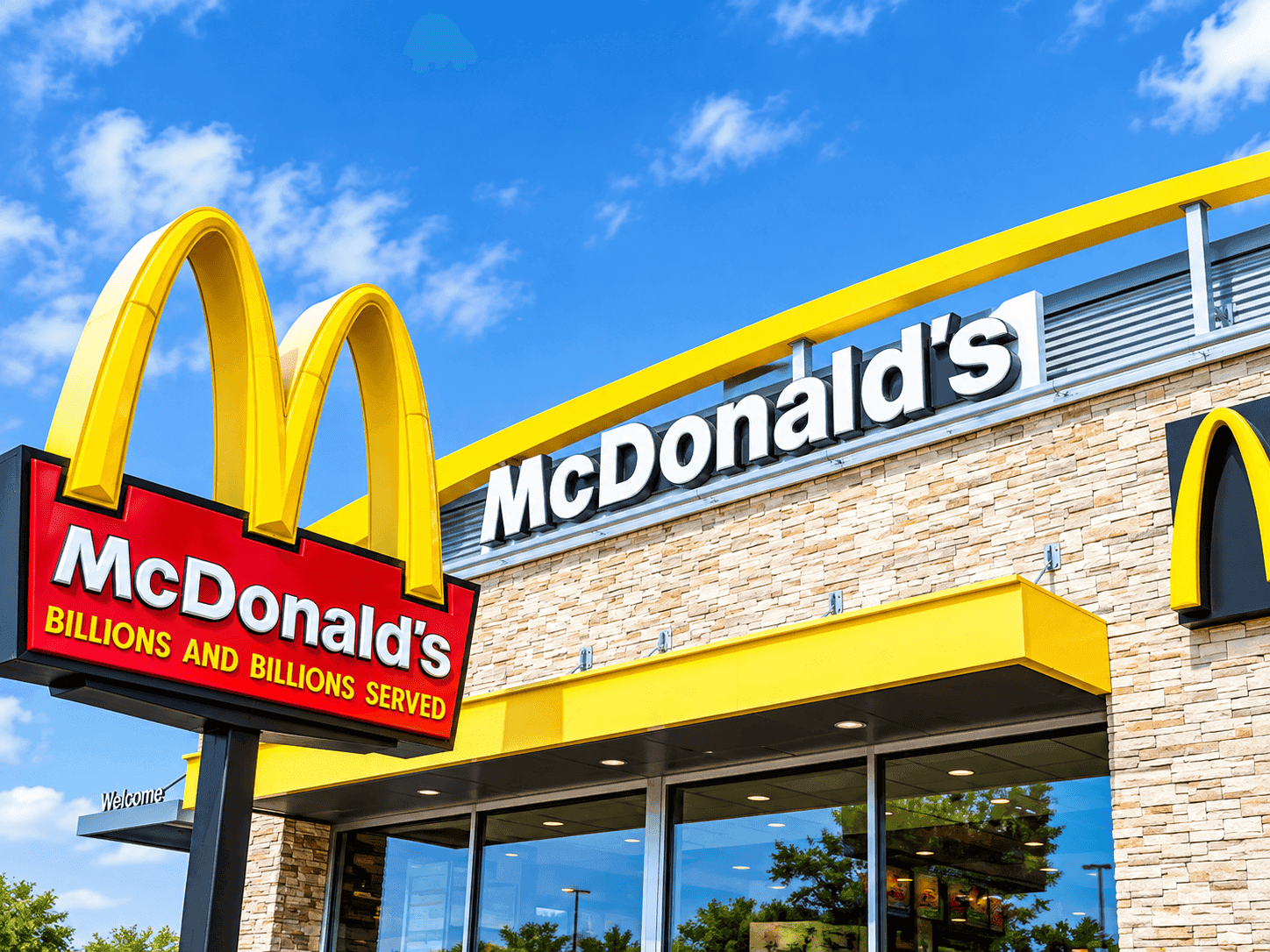
McDonald's commits $8.5 billion through 2036 to modernize restaurants, boost cash flow by $100,000 per store, and grow chicken and beverage sales.
Sep 23, 2026
WKS Restaurant Group promotes Jay Spongberg to president and COO after he helped grow the company from 65 to 382 restaurants over 16 years.
Sep 23, 2026

Smokey Mo's BBQ names Von Dawson, a Dine Brands veteran, as VP of Franchise Development to lead its Texas expansion strategy.
Sep 23, 2026
.png&w=3840&q=70)
Meritage Hospitality's Chapter 11 filing pulls 5% of Wendy's U.S. stores into bankruptcy, exposing cracks in franchising's bigger-is-safer bet.
Sep 21, 2026
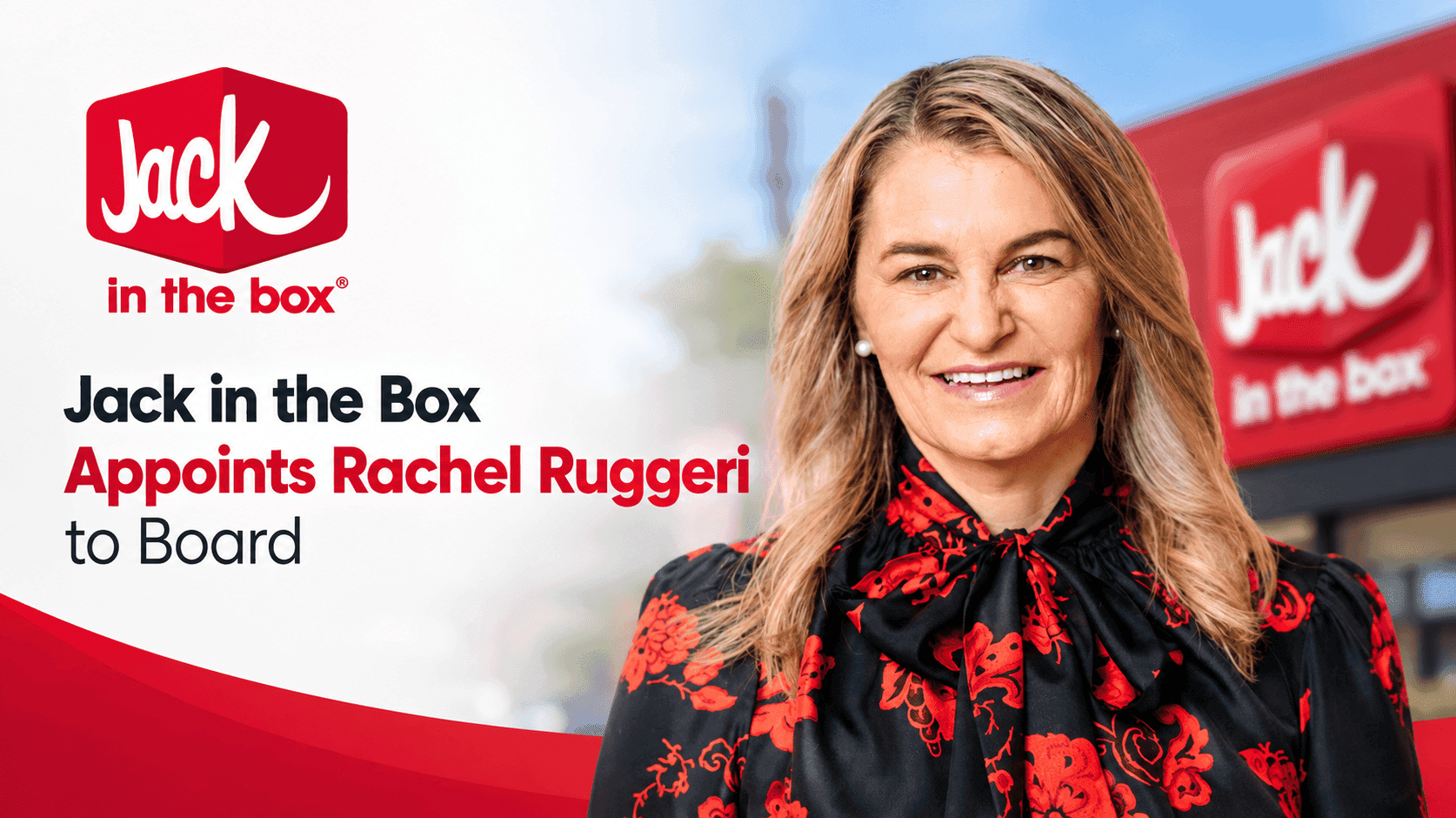
Jack in the Box names Rachel Ruggeri to its board as Michael Murphy retires, amid a CEO transition and deal with investor GreenWood.
Sep 21, 2026
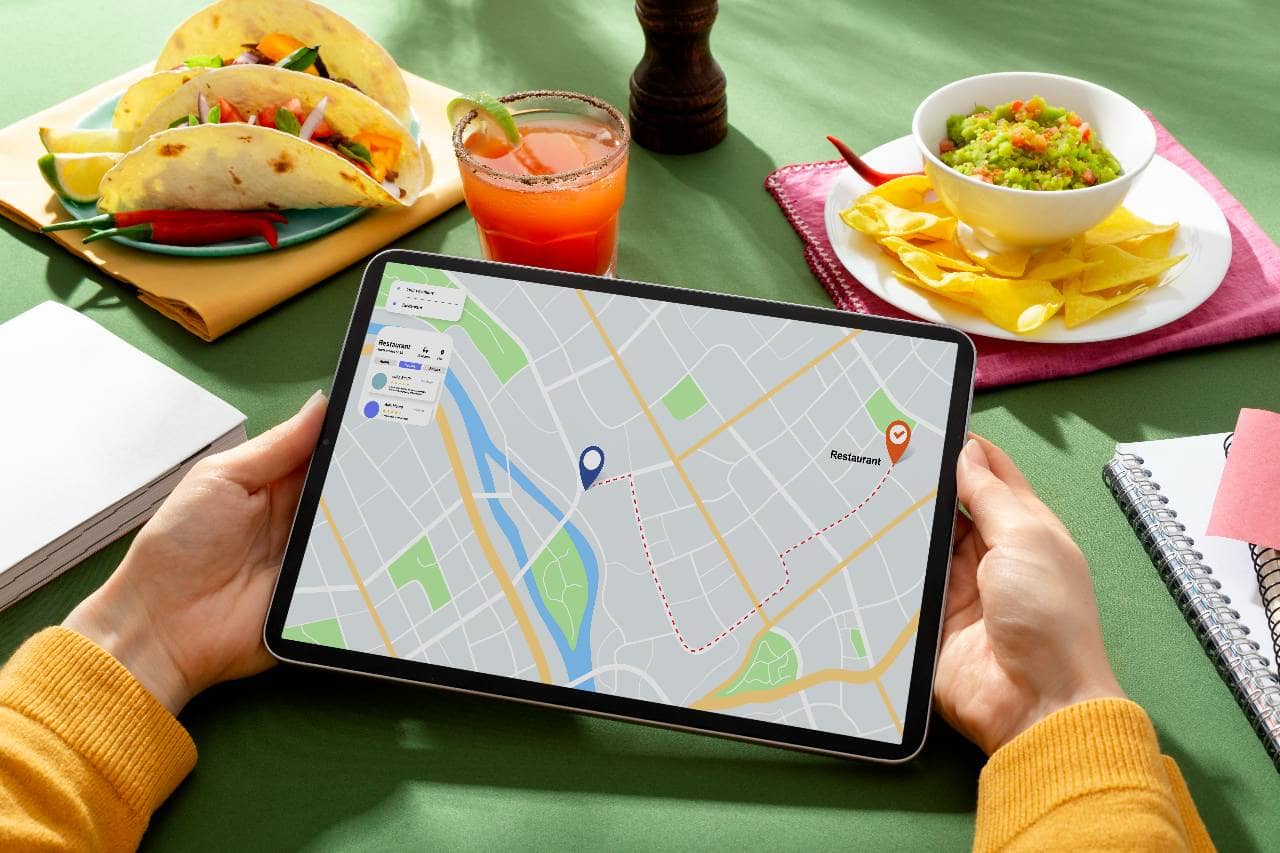
Improve restaurant Google Maps rankings by optimizing your business profile, selecting accurate categories, gathering reviews, adding photos, and strengthening local relevance signals.
Sep 21, 2026

Restaurant inventory tracking helps owners monitor stock, control food costs, reduce waste, improve purchasing, and make informed operational decisions.
Sep 21, 2026

Restaurant owners can significantly reduce restaurant costs by leveraging technology across inventory, labor, procurement, forecasting, and administrative operations for better profit margins.
Sep 18, 2026

Understand how to forecast restaurant revenue and expenses with methods for sales projection, cost scaling, fixed-cost planning, and risk buffering.
Sep 18, 2026

Unlock Exclusive Access To Webinars, Events, And The Latest News For Free!
Explore how leading restaurant brands like McDonald’s, Wingstop, and Chipotle appeal to Gen Z consumers through innovative marketing strategies and brand engagement.

Photo by Erik Mclean
Gen Z consumers are known for their lack of brand loyalty, which presents both a challenge and an opportunity for restaurant brands. While this demographic is not devoted to specific brands, they still engage with various establishments. The recent report on the most magnetic brands for Gen Z sheds light on the preferences of this influential consumer group. With Gen Z projected to hold significant spending power by 2030, understanding their behavior and catering to their preferences is crucial for restaurant success.

Photo by Erik Mclean
McDonald's continues to resonate with Gen Z consumers by tapping into popular culture through strategic collaborations and innovative marketing campaigns. By engaging with well-known brands like Genshin Impact and Crocs, McDonald's stays relevant and appealing to younger audiences. The chain's ability to create viral challenges, such as the Grimace Shake on TikTok, showcases its understanding of digital trends and consumer engagement.

Photo by Erik Mclean
Wingstop's rise in the Gen Z rankings is a result of its adaptation to younger consumers' preferences and digital habits. The introduction of chicken sandwiches, a popular choice for mobility and convenience, has significantly boosted Wingstop's appeal among the demographic. Emphasizing digital channels and strategic partnerships, such as the NBA collaboration, has further enhanced the brand's visibility and attracted new customers.
Raising Cane’s success in appealing to Gen Z lies in its straightforward menu and strategic expansion efforts. By focusing on a popular item like chicken tenders and expanding into iconic locations, Raising Cane’s has captured the attention of younger consumers. Collaborations with celebrities like Post Malone and Snoop Dogg have also helped elevate the brand's recognition and appeal.
Photo by Erik Mclean
The emergence of Wingstop and Raising Cane’s in the Gen Z magnetism report highlights the growing competition within the chicken category for this demographic. As Gen Z accelerates chicken consumption trends, other brands like McDonald’s and Taco Bell are adjusting their menu offerings to prioritize chicken options. Chicken-centric brands align well with social gatherings, making them ideal choices for communal eating occasions among Gen Z consumers.
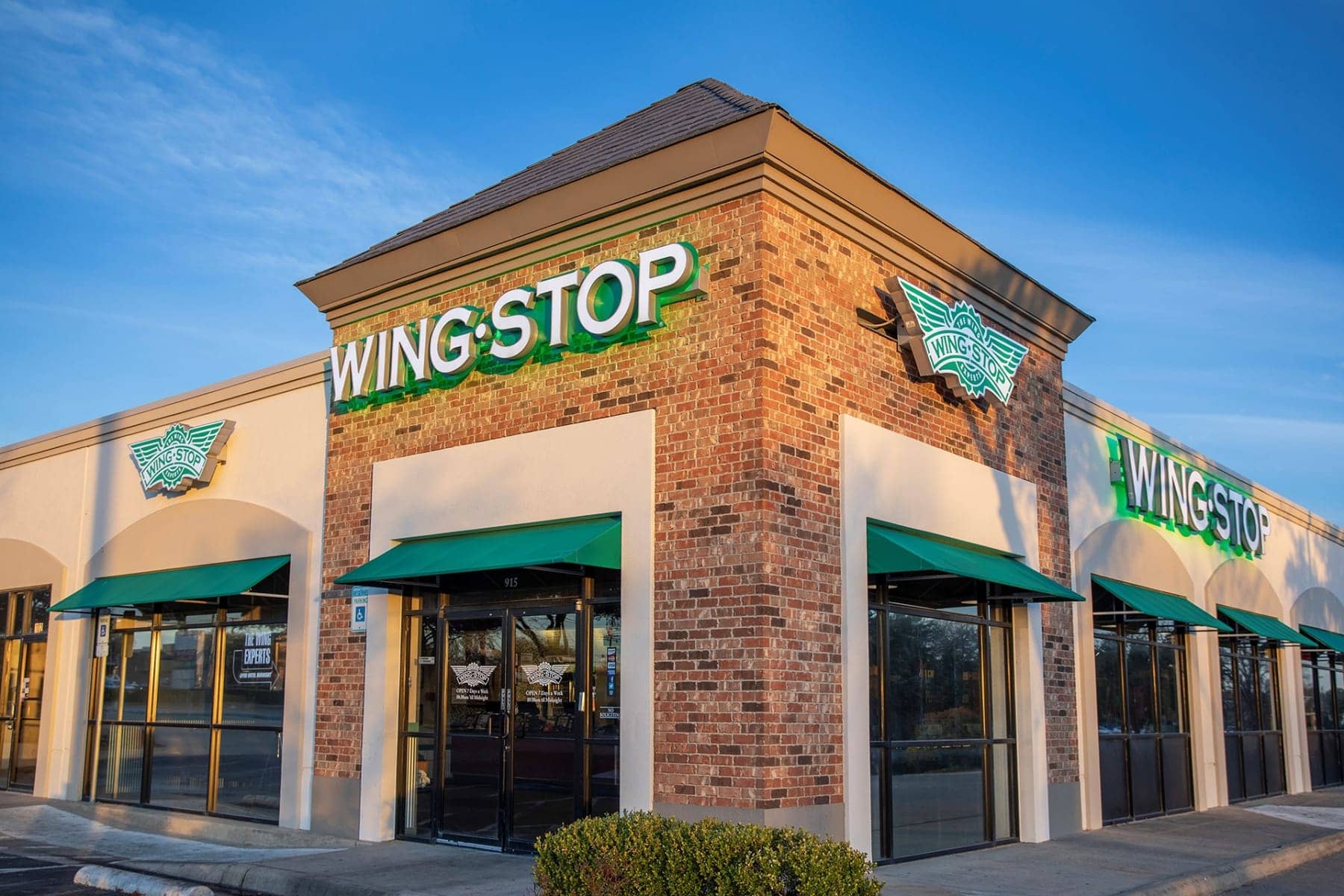
Photo by Erik Mclean
Chipotle's rise in the Gen Z rankings can be attributed to its strategic investments in gaming partnerships, social media collaborations, and promotional events. By engaging with influencers and leveraging popular trends like fantasy football, Chipotle maintains a strong connection with younger consumers. The brand's innovation in menu offerings, such as the Smoked Brisket comeback, demonstrates its ability to stay relevant and appealing to Gen Z.

Photo by Erik Mclean
Starbucks' decline in the Gen Z rankings reflects the challenges faced by the brand in engaging younger consumers. To address this, Starbucks is focusing on revamping its marketing approach and simplifying its offerings to emphasize the overall brand experience. By repositioning itself as a welcoming coffeehouse environment, Starbucks aims to regain the favor of Gen Z customers and overcome recent sales obstacles.
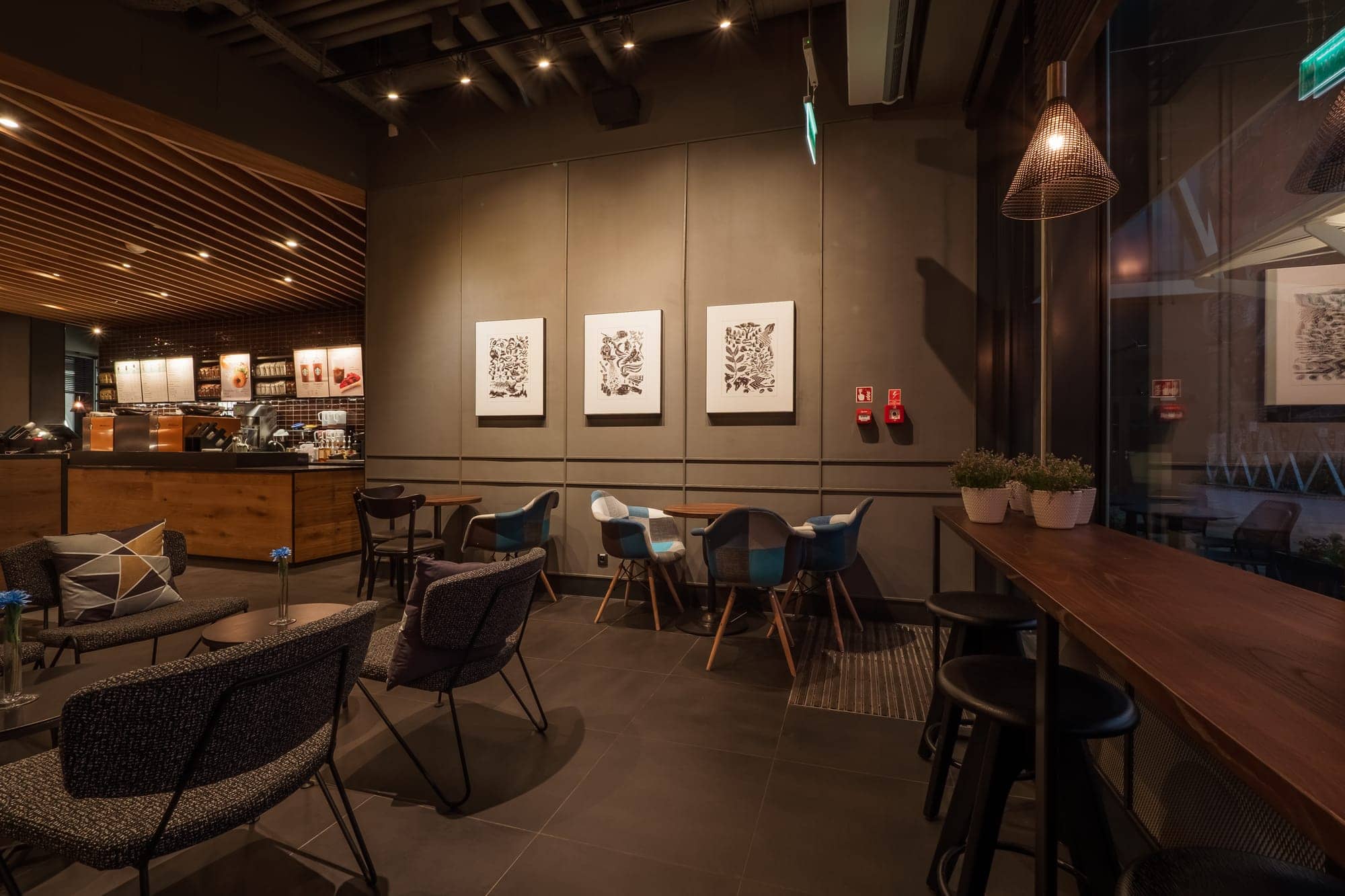
Photo by Erik Mclean
The importance of user-generated content (UGC) in influencing Gen Z cannot be understated. Brands that resonate with this demographic prioritize authentic and genuine content over traditional influencer posts. By analyzing UGC themes and leveraging platforms like TikTok, brands can enhance their magnetism and appeal to Gen Z consumers effectively.
As Gen Z continues to shape consumer trends and spending habits, restaurant brands must adapt their strategies to resonate with this influential demographic. Utilizing digital channels, cultivating authentic brand experiences, and prioritizing simplicity and convenience in offerings are key factors for success. By understanding Gen Z preferences and behaviors, restaurant brands can position themselves as magnetic choices for this growing consumer segment.