True Food Kitchen Files Bankruptcy, Closes 12 Sites
True Food Kitchen filed for Chapter 11 bankruptcy, closing 12 locations and shrinking to 34 restaurants across 14 states amid $42.1 million in debt.
News
Oct 5, 2026
True Food Kitchen filed for Chapter 11 bankruptcy, closing 12 locations and shrinking to 34 restaurants across 14 states amid $42.1 million in debt.
Oct 5, 2026

Snooze Eatery names industry veteran Amy Hom as COO, starting Sept. 28, to strengthen hospitality and operations ahead of its next growth phase.
Oct 5, 2026
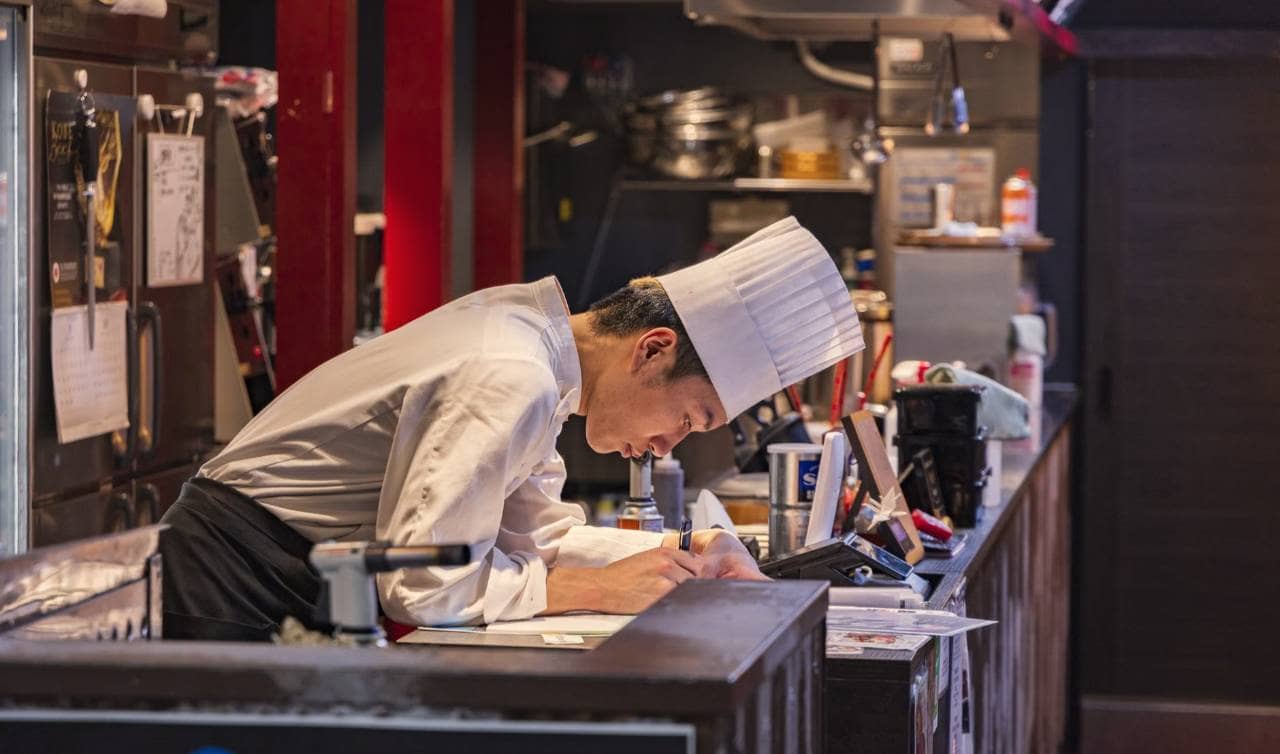
Restaurants can control operating costs by tracking food, labor, rent, utilities, technology, marketing, and other expenses against sales.
Oct 5, 2026
Opening a second restaurant location requires readiness, clear goals, financial planning, funding, smart strategy, standardized operations, strong teams, and careful launch monitoring for sustainable growth.
Sep 30, 2026
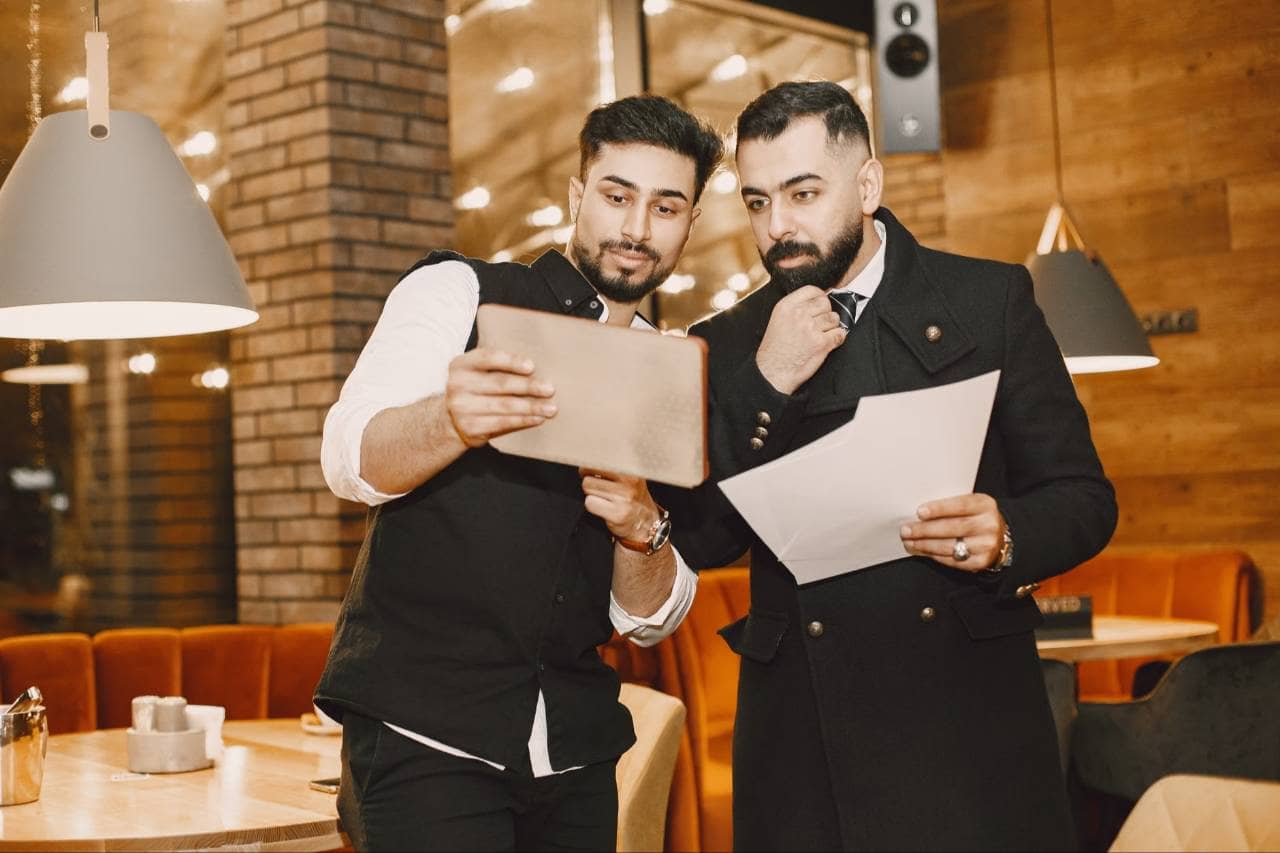
Evaluate restaurant industry performance in Q3 2026 through key trends affecting restaurant sales, traffic, consumer spending, labor, costs, and technology.
Oct 2, 2026
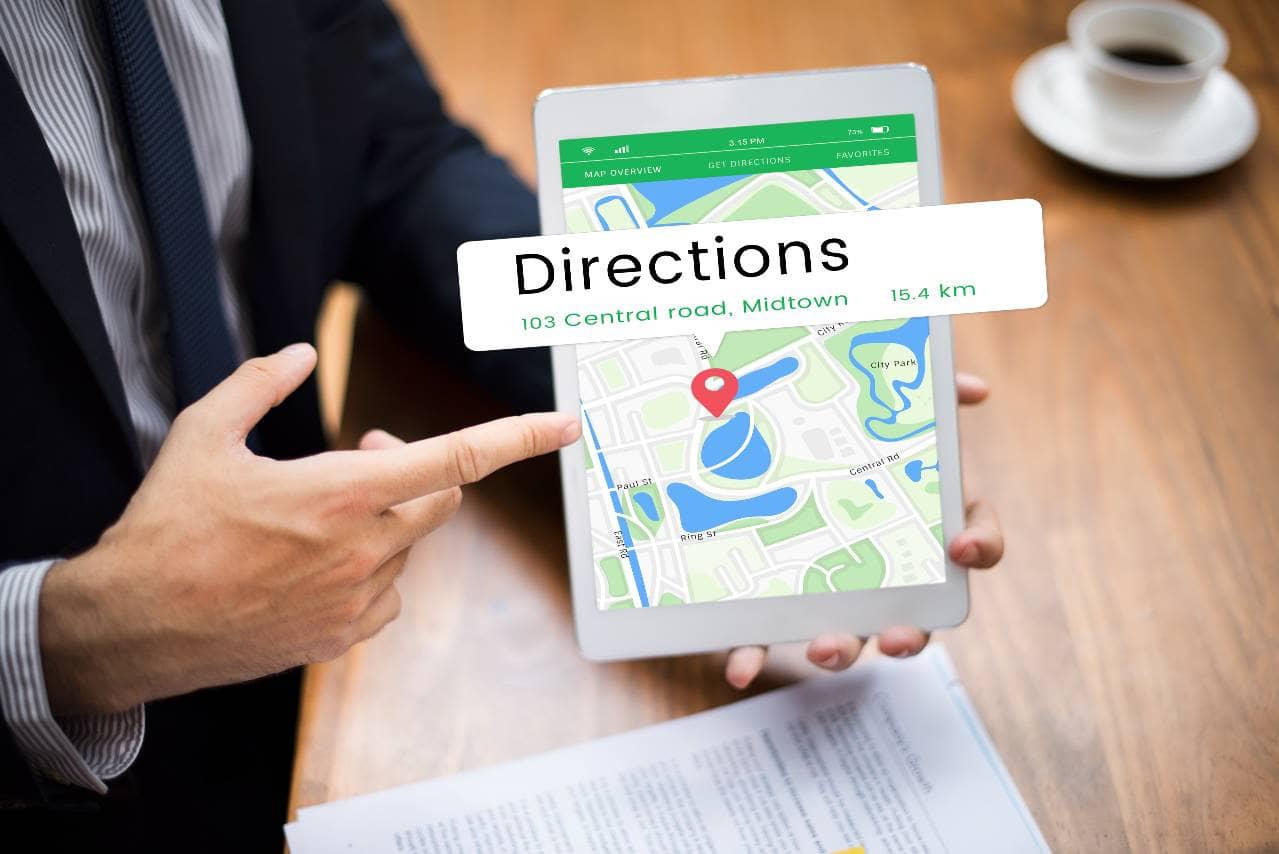
Improve restaurant visibility with local SEO by optimizing Google Business Profile, targeting local keywords, managing reviews, and maintaining accurate online information.
Oct 5, 2026
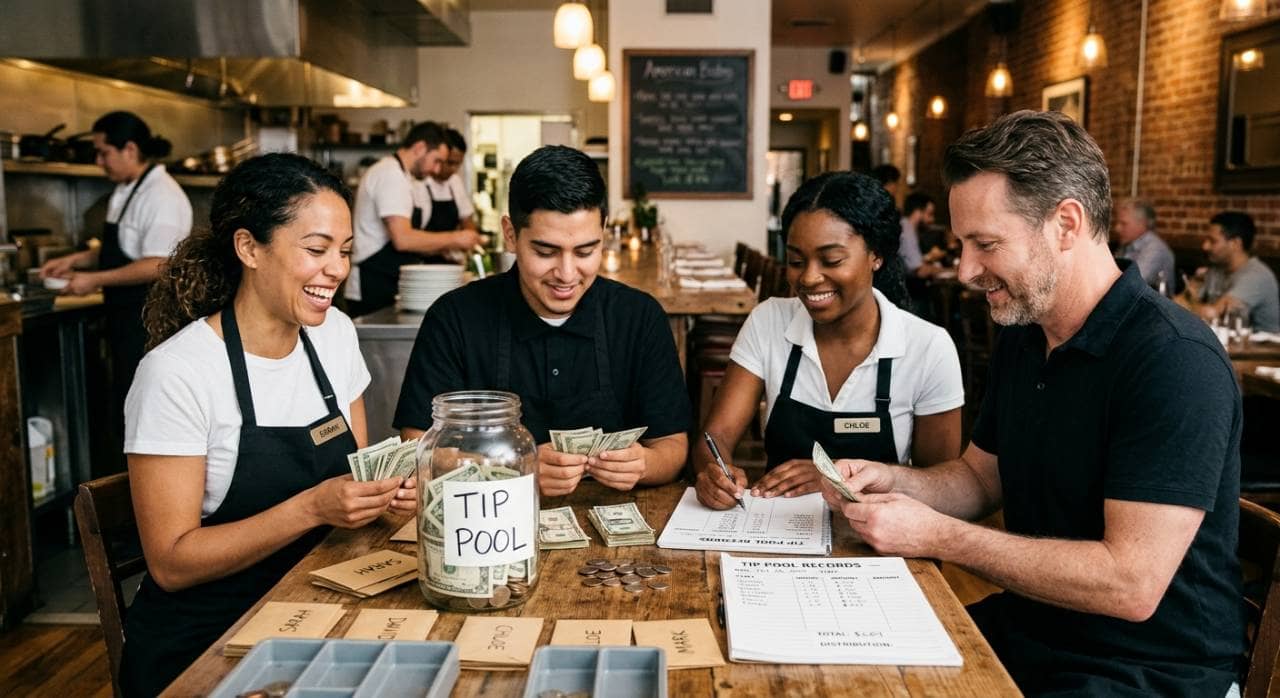
Understand tip pooling rules, employee eligibility, distribution methods, compliance requirements, recordkeeping practices, and policies restaurant owners need for proper tip management.
Oct 2, 2026

Whit's Frozen Custard hires industry veteran Amos Durbin as COO to guide franchise expansion, drawing on two decades of restaurant leadership experience.
Oct 2, 2026
FAT Brands' $1B acquisition empire fell into bankruptcy and sold for $965M, re-emerging as OHG Brands with 1,700 restaurants.
Oct 1, 2026
CAVA names John Ludeke, former Dr. Squatch Chief Brand Officer, as its new CMO to drive national growth and guest loyalty.
Oct 1, 2026

Unlock Exclusive Access To Webinars, Events, And The Latest News For Free!
Chick-fil-A and CloudKitchens debut a delivery-only ghost kitchen in Miami’s Wynwood, featuring all-day Chick-N-Minis and late-night hours.

Photo by Haseeb Modi
Chick-fil-A has partnered with CloudKitchens to bring a delivery-only ghost kitchen to Miami’s Wynwood neighborhood, the brand’s first in Florida and its sixth nationwide. Announced in a June 5, 2026 press release, Chick-fil-A Wynwood Delivery is built for speed, using third-party platforms to move orders quickly to customers who want their meal without the wait.
The move follows several years of off-site testing that reshaped how the chain thinks about off-premise service.
In 2019 the company tested a shared production facility with DoorDash in Northern California, a trial that explored collaborative fulfillment and centralized order management. Those lessons shaped Little Blue Menu in 2021, a delivery-led model that debuted in Nashville, Tenn., with three virtual brands: Garden Day, Flock & Farm, and Outfox Wings. By late 2023, Little Blue Menu expanded to College Park, Md., allowing the company to tune menus and digital channels in controlled settings before wider rollout.
The Wynwood unit sits inside a CloudKitchens facility that repurposes underused real estate into multiple commercial kitchens built for delivery-only operations. CloudKitchens supplies proprietary software that integrates orders from leading delivery apps, automates routing to kitchen stations, and provides analytics so teams can monitor performance and adjust. Chick-fil-A’s menu here is intentionally tight, with core items built for travel and, for the first time, all-day Chick-N-Minis. Hours run Monday through Saturday from 10:30 a.m. to midnight, a schedule aligned with heavy lunch, dinner, and late-night ordering.
Local leadership gives the project a personal anchor. Thomas Overby, a Miami native and five-year Chick-fil-A owner-operator, leads the new unit. “We know how important fast and reliable delivery is to Wynwood, and we want to meet the community where they are while keeping our signature hospitality,” he said. Overby added, “Being born and raised in Miami, serving this community is very special to me. Our new delivery kitchen location gives us the opportunity to serve the Wynwood community in a way that works best for them and gives me the privilege to deepen my connection with my hometown.”
Operations began in early June 2026 with a simplified breakfast lineup and all-day Chick-N-Minis anchoring the assortment. The 30-position facility is built for off-premise only, with orders routed through Uber Eats, DoorDash, and other platforms. Production, order management, and courier coordination are expected to create approximately 30 new jobs in Wynwood, a small but meaningful lift for a neighborhood that has become a delivery hot spot.

This launch lands in a market that is still racing ahead. Globally, the ghost kitchen market is projected to reach USD 99.30 billion in 2026, with pop-up and virtual kitchen formats capturing over half the market share, driven by cost-effective, scalable operations. In the United States, the broader food delivery market expanded from USD 119.46 billion in 2025 to an estimated USD 130.28 billion in 2026, a 9.05% year-over-year increase powered by convenience-minded diners. Miami-Dade County ranks among the nation’s top per-capita food delivery spend metros, which gives Wynwood plenty of momentum.
Questions remain about how far the model can go. Profitability and brand consistency can waver when orders filter through outside platforms, since limited restaurant-owned data can blur the view of who is ordering and why. CloudKitchens’ parent, CSS, advocates for regulatory reforms that could force platforms like DoorDash, Uber Eats, and Grubhub to share customer data with restaurants, a proposal that has drawn industry pushback. Slimming menus for delivery can also weaken the wider brand promise, and reliance on gig-economy couriers introduces variability in the experience and in labor costs.

What happens next will likely shape Chick-fil-A’s off-premise future in Florida and beyond. If Wynwood’s model hits its marks on speed, quality, and service, it could set the stage for more CloudKitchens partnerships in dense Florida markets. The team will carry forward what they learn about menu curation, tech integration, and community engagement, with an aim to meet Miami where it orders, then bring that playbook to the next neighborhood that is hungry for the same.