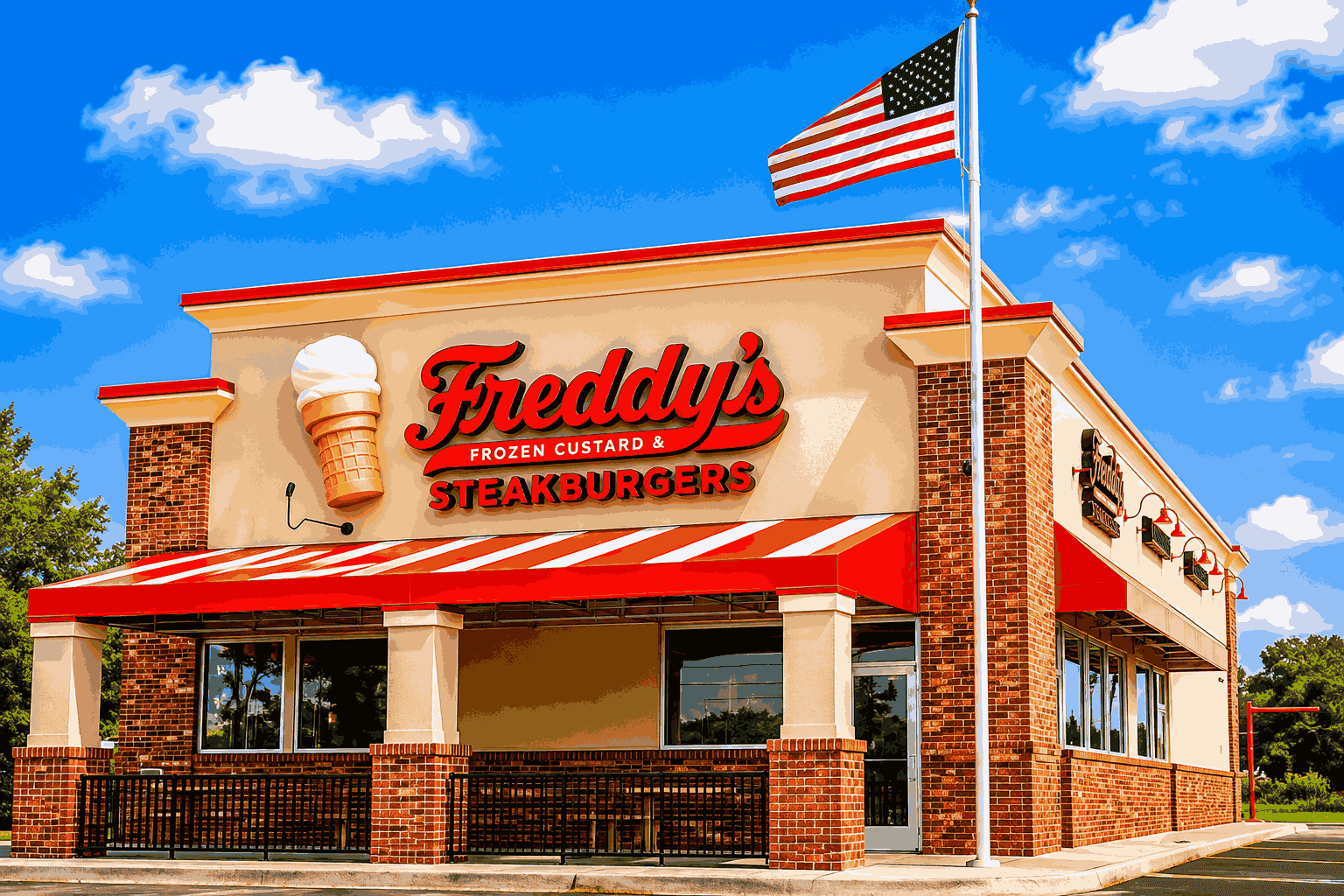
Culinary Leadership Shapes Freddy’s Future
Freddy’s Frozen Custard & Steakburgers promotes Rick Petralia to Executive Chef & VP of Training & Innovation, signaling a strategic focus on culinary excellence and franchisee support.
News
Aug 12, 2026
Freddy’s Frozen Custard & Steakburgers promotes Rick Petralia to Executive Chef & VP of Training & Innovation, signaling a strategic focus on culinary excellence and franchisee support.
Aug 12, 2026
McDonald’s USA has appointed Patrick Gerber as chief restaurant officer, leveraging his decades of global experience to boost operations, food quality, and customer satisfaction in the U.S. market.
Aug 11, 2026
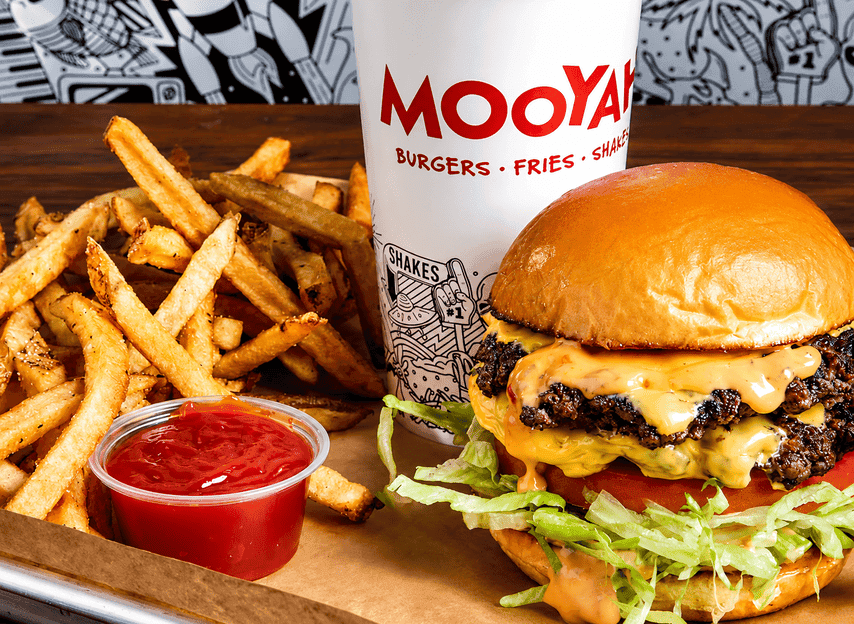
MOOYAH Burgers, Fries & Shakes partners with Great USA Foods LLC to launch a master franchise in the UAE, accelerating international expansion into Dubai and Abu Dhabi. Learn the impact for restaurant owners and growth lessons.
Aug 12, 2026
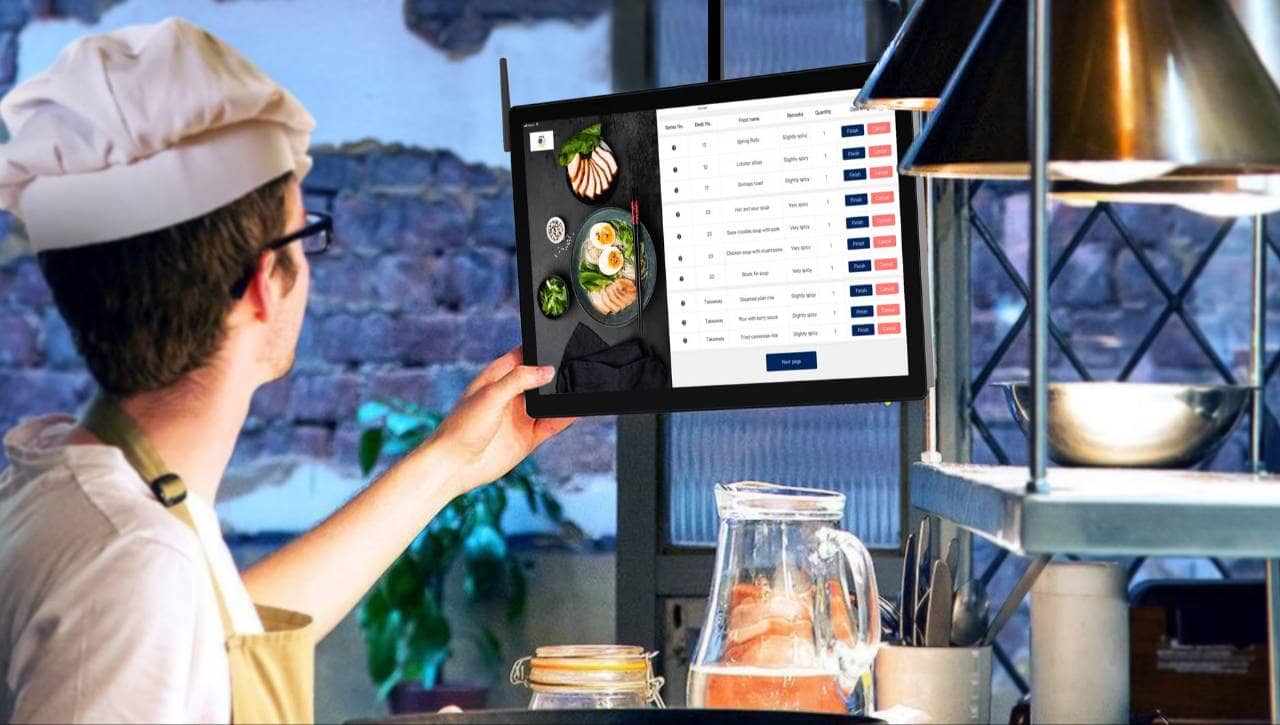
See how a kitchen display system supports faster service, better communication, accurate orders, organized workflows, and improved kitchen performance management.
Aug 10, 2026
Red Robin welcomes marketing veteran Scott Hudler as its new CMO, aiming to revitalize brand strategy and guest engagement during a critical turnaround phase.
Aug 11, 2026
Discover how a Zaxbys team member's creative marketing efforts earned her an executive role, and what the move shows about employee-driven branding in restaurants.
Aug 11, 2026

Avoiding hiring mistakes helps restaurant owners reduce turnover, control labor costs, improve staffing decisions, and build stronger, more reliable teams.
Aug 10, 2026
With traffic and sales slipping, Wendy’s new CEO Bob Wright sets a bold multi-pronged plan to restore food quality, brand value, and operational execution.
Aug 10, 2026
Explore practical ways to manage restaurant overhead costs while protecting service quality, employee productivity, food standards, and long-term profitability goals.
Aug 7, 2026
Get more restaurant reviews by creating memorable experiences, asking customers at the right time, simplifying feedback, and monitoring review performance.
Aug 7, 2026
Chicken Salad Chick is expanding into the Northeast with its largest franchise deal ever a 25-unit agreement across upstate New York markets including Buffalo, Rochester, Syracuse, and Albany.
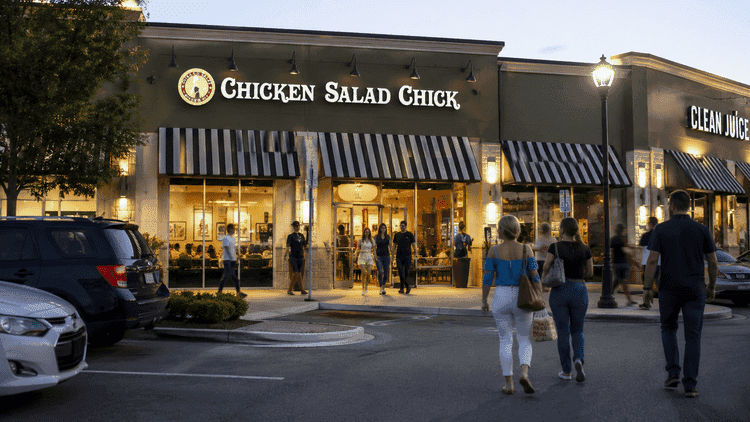
A fast-casual brand built on Southern charm and a surprisingly deep menu of chicken salad flavors is planting its flag in the Northeast. Chicken Salad Chick has inked its largest single franchise development deal to date, a 25-unit agreement covering upstate New York. It’s a move the company is calling a landmark moment in its national expansion story. For a brand that spent most of its first decade growing deep roots across the South and Southeast, this is a meaningful step into new territory, both geographically and strategically. The deal covers some of upstate New York's most significant metro markets, including Syracuse, Rochester, Buffalo, and Albany, a corridor that stretches from the heart of Central New York all the way to the Canadian border. That geographic reach is notable. It signals that Chicken Salad Chick isn't just testing the waters in the Northeast; it's committing to a serious presence across a wide and diverse region.
Chicken Salad Chick didn't stumble into this deal. New York along with New Jersey and the Southwest was identified as a priority franchising market back in 2025, as the brand began deliberately mapping out its path beyond the South. The Northeast has long been one of the most coveted and competitive markets for fast-casual expansion, with notoriously high real estate costs, a dense competitive landscape, and consumers who tend to be more skeptical of chains without established local credibility. Getting into upstate New York first is a smart sequencing move. The markets there, while still sizable and economically active, offer a more accessible entry point than the New York City metro area, where operating costs and competition would make a first impression significantly more expensive and complicated. By building brand recognition and operational momentum in cities like Buffalo and Syracuse, Chicken Salad Chick creates a natural runway toward the downstate market. The company has confirmed it is still actively selling franchise territories in the New York City area and New Jersey, meaning the upstate deal is the opening chapter rather than the full story.
At 25 units, this franchise agreement is the largest in Chicken Salad Chick's history by store count. That distinction matters beyond just the headline number. A single franchisee or franchisee group committing to 25 locations in a brand-new market represents a serious bet. It requires deep conviction in the concept, confidence in the brand's support systems, and the operational and financial capacity to execute over a multi-year development timeline. The deal also reflects a broader pattern of increasingly ambitious franchise agreements that the brand has been signing. In February, Chicken Salad Chick announced a six-unit deal to enter the Nevada market another non-traditional region for a Southern-rooted chain. Late last year, multiple Midwest agreements expanded the brand's footprint into new states. Each deal has pushed Chicken Salad Chick further from its comfort zone and closer to genuine national scale. The chain reached the 300-location milestone approximately a year ago, a significant psychological and operational benchmark for any growing franchise brand. Today, it reports on more than 330 open restaurants, with a development pipeline of another 300 units under agreement. That pipeline number is perhaps the most telling data point - it suggests the brand has substantial committed growth ahead, not just aspirational targets.
Driving much of the recent franchising momentum is Brian Lindley, who joined Chicken Salad Chick in April as Chief Development Officer. Lindley comes to the role with a background at Popeyes, a brand that executed one of the most talked-about franchise expansions in recent QSR history. Bringing in someone with that pedigree signals that Chicken Salad Chick's leadership is serious about not just growing but growing with discipline and at pace. A chief development officer with national franchise experience brings more than just contacts. They bring frameworks for evaluating franchisee candidates, processes for managing multi-unit development agreements, and the institutional knowledge of what separates sustainable franchise growth from chaotic over-expansion. For a brand crossing from regional to national, that kind of expertise at the leadership level is an important ingredient.
One of the more interesting subplots in Chicken Salad Chick's expansion story is the evolving profile of who is investing in the brand. The company has noted a noticeable uptick in interest from millennial and Gen Z restaurant operators, a demographic shift that reflects both broader generational trends in entrepreneurship and something specific about what Chicken Salad Chick offers. For younger operators entering the franchise world, the brand checks several important boxes. It occupies a differentiated niche, the chicken salad category doesn't have a dominant national player which means franchisees aren't immediately competing against ten other iterations of the same concept in a given market. The menu is focused, which tends to translate to operational simplicity and more consistent execution at the unit level. And the brand carries what operators often describe as a values-driven culture, something that resonates with younger business owners who are thinking about more than just return on investment. The combination of stability through brand infrastructure and autonomy at the unit level is a balance that franchise models often struggle to strike. When they get it right, it tends to attract exactly the kind of committed, long-term operators that drive healthy franchise systems.
From a market opportunity standpoint, the Northeast is genuinely underserved by Chicken Salad Chick's style of fast casual. The region has no shortage of sandwich chains, but the specific positioning of a chef-driven, Southern-inspired chicken salad concept with an extensive flavored menu doesn't have a clear equivalent in the market. For consumers looking for something beyond the standard fast-casual rotation, that differentiation has real value. Upstate New York markets like Buffalo and Syracuse also have strong appetites for value-oriented fast casual dining consumers who appreciate quality but are also attentive to price. Chicken Salad Chick's model, which offers a focused menu at accessible price points, is well-suited to that consumer profile. The brand won't need to spend years educating the market on what it is; the concept is legible and the value proposition is clear. The path to New York City and New England markets both identified as future targets runs directly through the credibility built in upstate. If the brand can execute well in Syracuse and Rochester, it arrives at the more competitive downstate market with proof points, operational experience in the region, and a brand story that has already started to travel.
Chicken Salad Chick's upstate New York deal is the kind of announcement that can look modest on the surface - 25 stores, markets that aren't household names nationally but carries significant strategic weight when read in context. It's the brand's first foothold in a state that represents a gateway to the most densely populated part of the country. It's the largest franchise commitment in the brand's history. And it comes at a moment when the brand has the leadership, the pipeline, and the operational infrastructure to actually deliver on the ambition. For the fast-casual space, which has seen plenty of brand’s stumble when making the leap from regional success to national relevance, Chicken Salad Chick's methodical, market-by-market approach to the Northeast stands out as a model worth watching.