Inspire Brands CEO Steps Back as IPO Push Enters Critical Phase
Paul Brown temporarily steps away from Inspire Brands as Scott Murphy assumes interim CEO role during confidential IPO filing process targeting late 2026.
News
Sep 10, 2026
Paul Brown temporarily steps away from Inspire Brands as Scott Murphy assumes interim CEO role during confidential IPO filing process targeting late 2026.
Sep 10, 2026
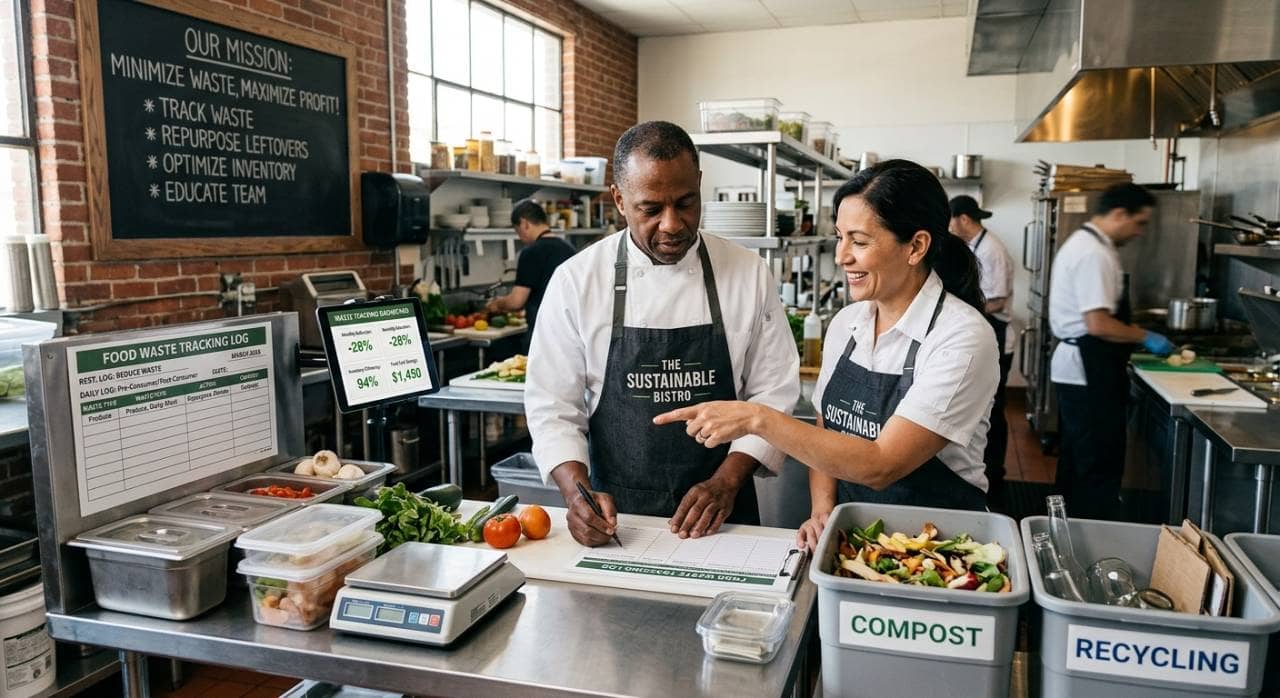
Learn how to reduce food waste in restaurants through smarter purchasing, storage, preparation, and service strategies that cut costs.
Sep 9, 2026
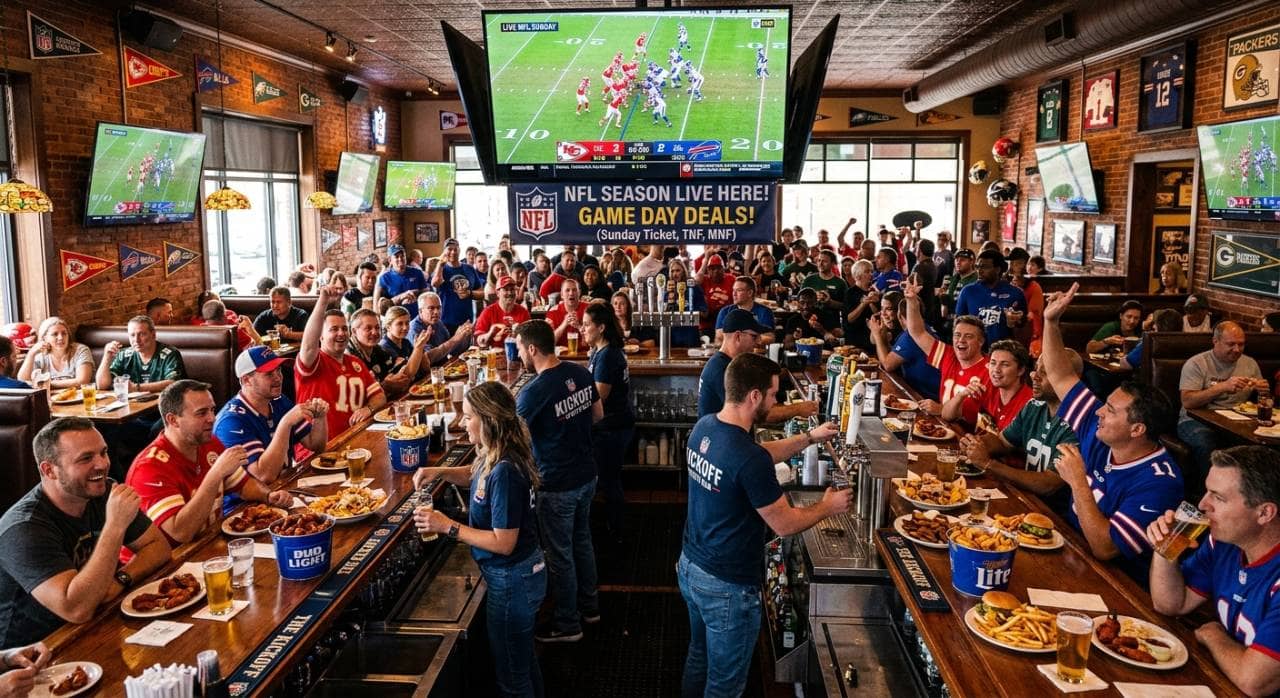
Prepare your restaurant for NFL season with smart menu planning, staffing, marketing, technology, and atmosphere strategies that boost season-long revenue.
Sep 9, 2026
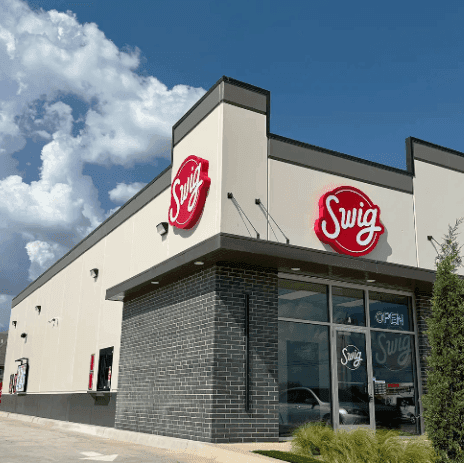
Swig signs franchise agreement for 11 South Denver locations, marking Colorado entry and validating its national expansion strategy.
Sep 8, 2026
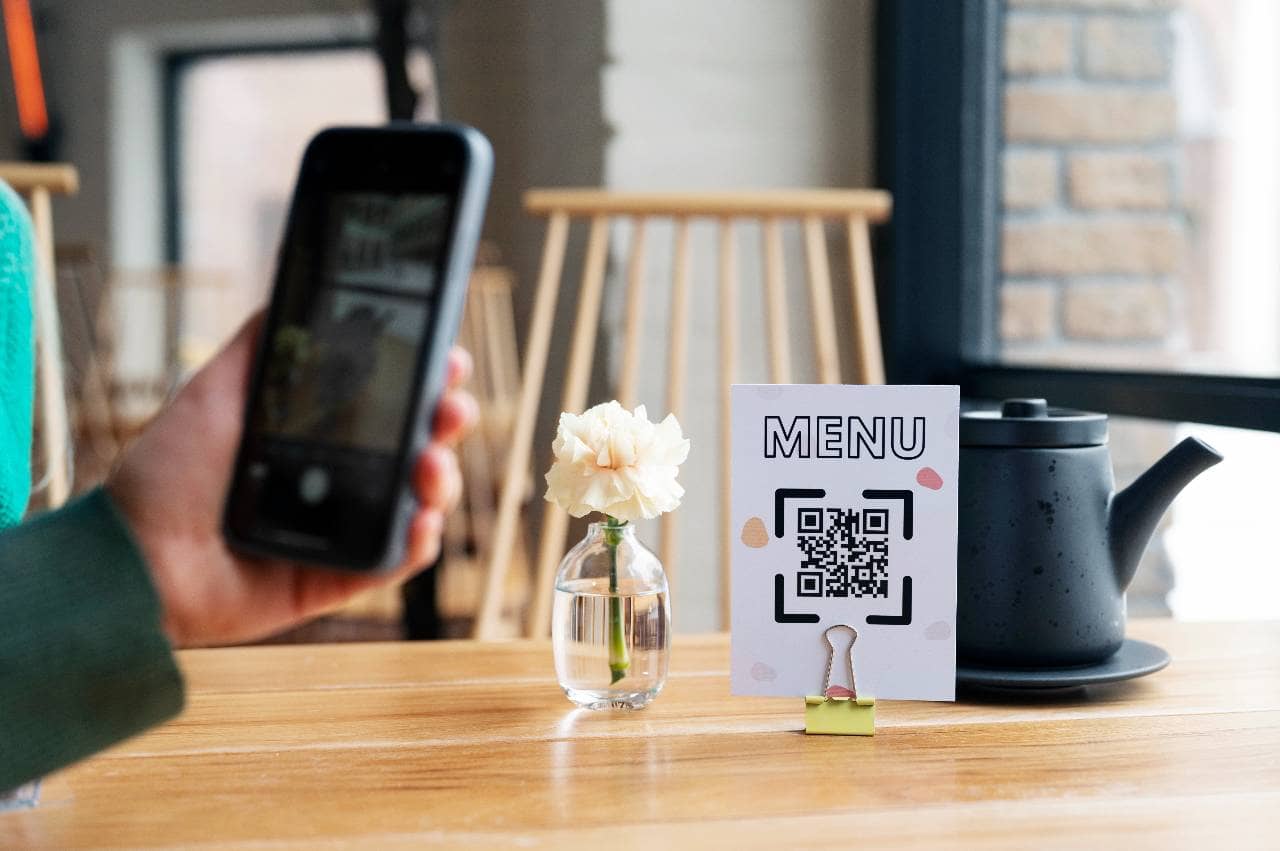
QR code menus let restaurants replace paper menus digitally, enabling instant updates, contactless browsing, ordering, and payment through simple smartphone scanning.
Sep 7, 2026
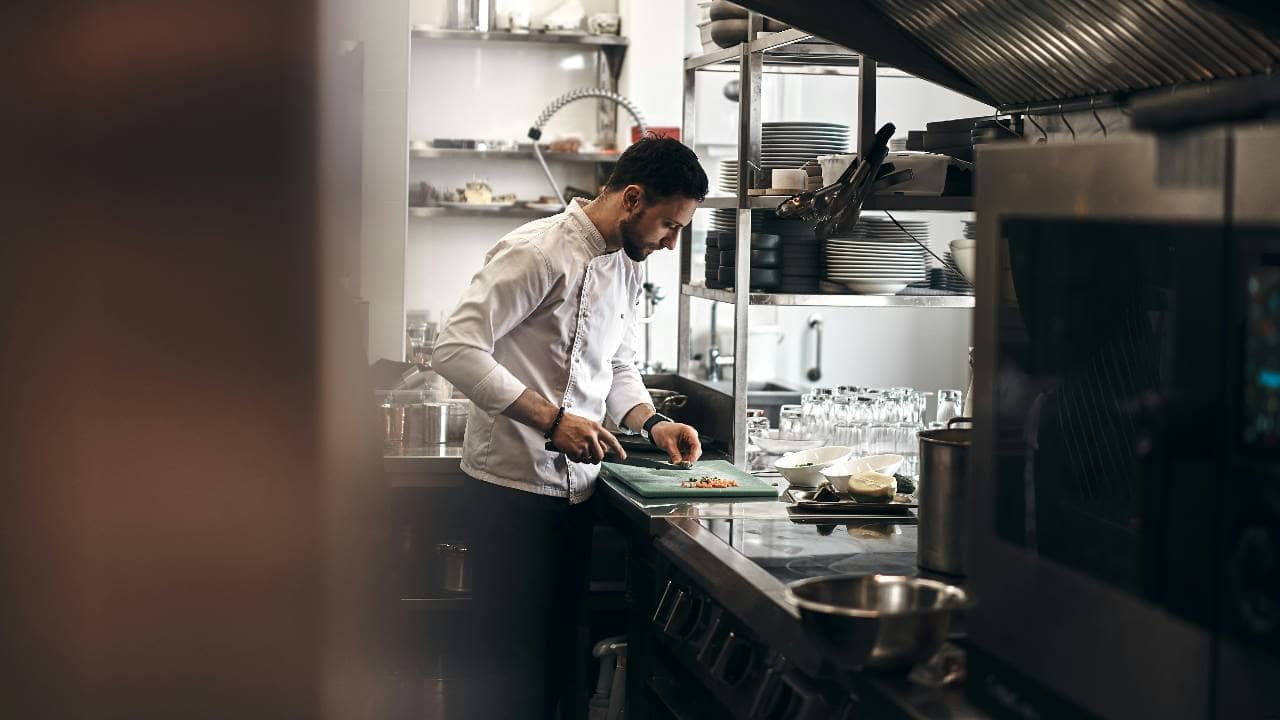
Complete guide helping restaurant owners choose essential kitchen equipment - covering cooking, refrigeration, prep, sanitation, ventilation, safety, and long-term maintenance planning.
Sep 7, 2026
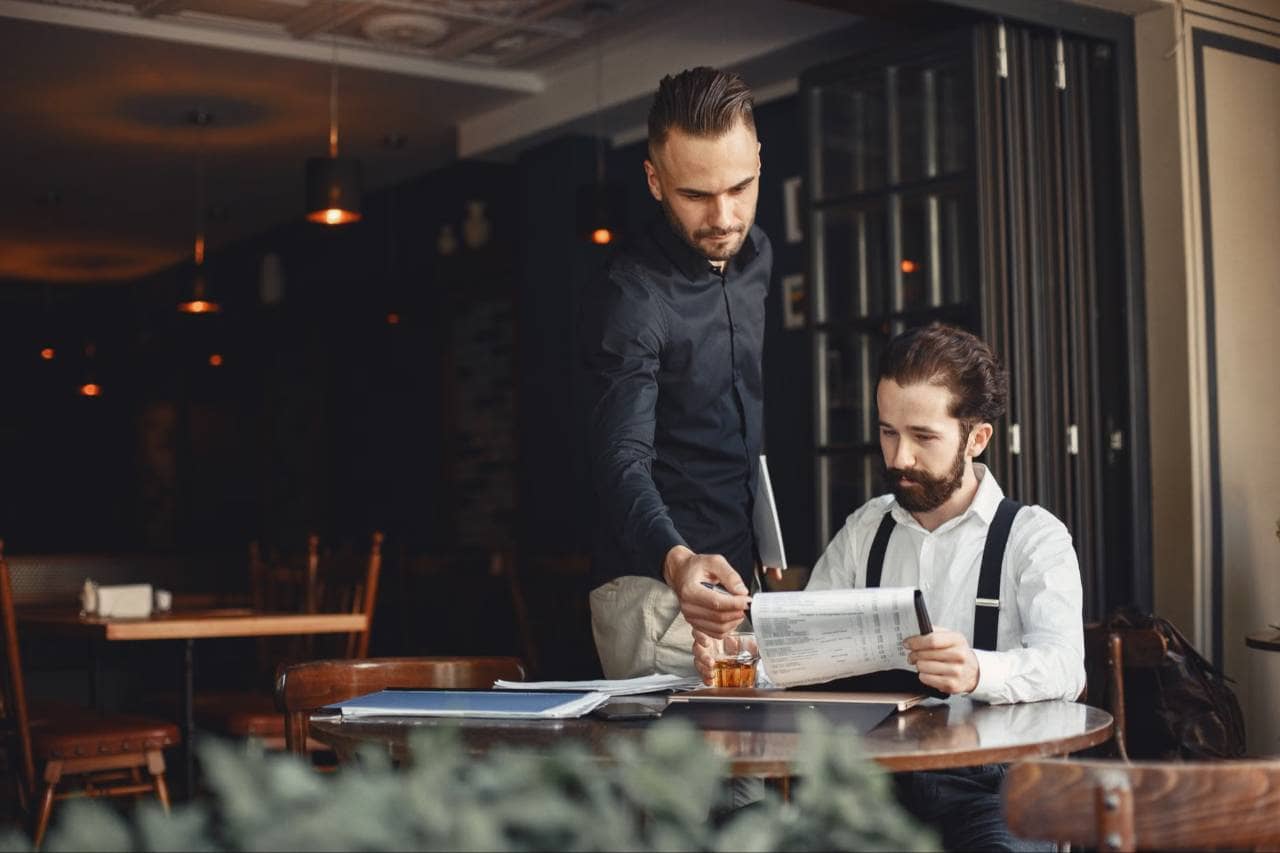
Avoiding common restaurant payroll mistakes - misclassification, tip credit errors, overtime miscalculations - protects businesses from costly penalties, back pay, and compliance risks.
Sep 4, 2026
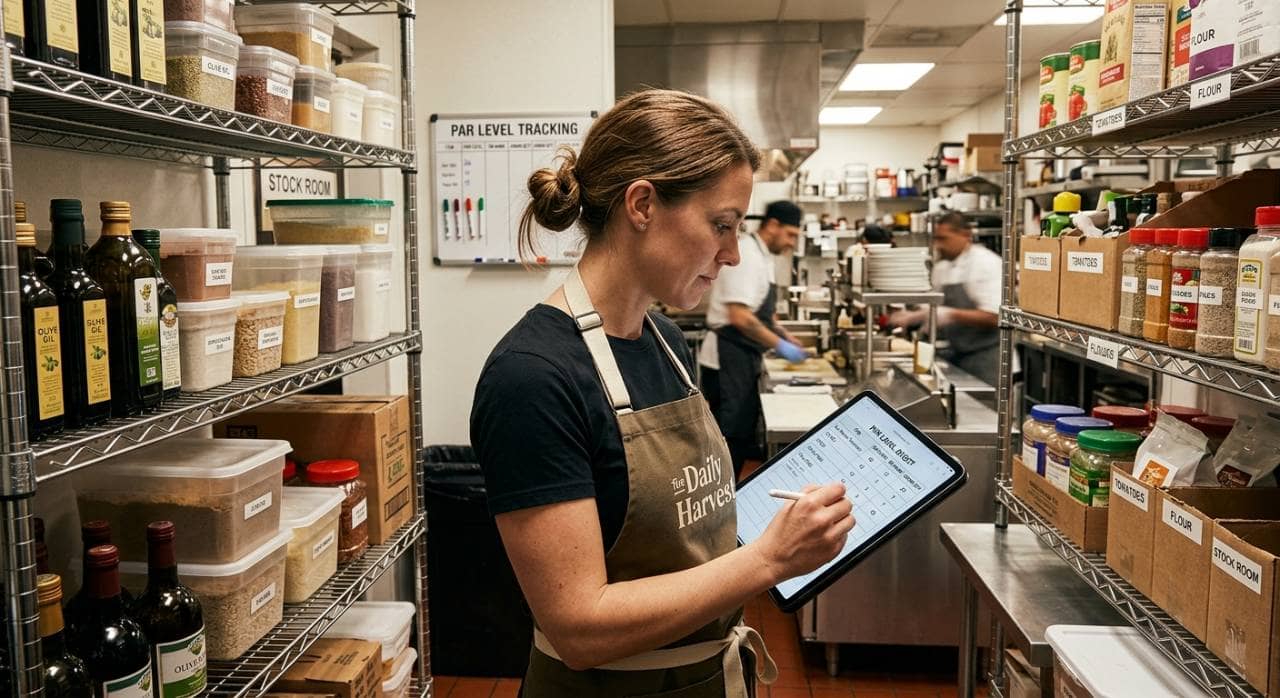
Learn to calculate par levels for restaurant food, beverages, and packaging inventory, preventing stockouts and waste through proper formulas.
Sep 4, 2026
Caribou Coffee appoints Zane Thomas-Rogers as Chief Operations Officer to strengthen execution across its expanding coffeehouse network.
Sep 4, 2026
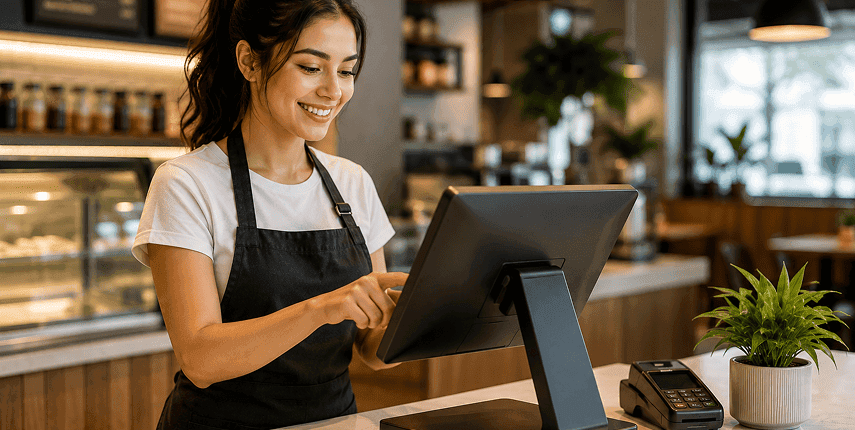
Compare the top 10 restaurant POS systems in the USA for 2026. Explore features, pricing, pros, cons, and the best POS options for every restaurant type.
Jul 1, 2026

Unlock Exclusive Access To Webinars, Events, And The Latest News For Free!
An intimate look at how Cousins Maine Lobster scaled from a single LA truck to a nationwide, hospitality-driven franchise network.

Photo by Bonnie Kittle
On long summer nights, the memory of two cousins, Sabin Lomac and Jim Tselikis, lingers with the scent of lobster and the hum of a kitchen that felt lived-in. Their Maine-born dream began in 2012 as a single Los Angeles food truck, a bold leap that blended story with sustenance. The venture found a cheering ally in Barbara Corcoran, whose early investment helped the idea travel from curb to conversation. What followed was less a sprint and more a careful weaving of authenticity, hospitality, and a founder-driven culture that still informs every decision. That humble beginning begs the question: how did a truck become a nation?
They built a scaffold for growth around mobility, brand storytelling, and selective store formats. With 66 trucks across the United States and five brick-and-mortar locations before today, the duo kept the model flexible enough to test markets while preserving the taste of Maine. The connection to Shark Tank proved a meaningful signal for investors and franchisees alike, reinforcing the sense that this was more than a novelty. It was a narrative of reliability and warmth that could scale without losing its core: a promise of honest seafood, generous hospitality, and a kitchen that feels welcoming wherever you find it.

At the heart of Cousins Maine Lobster's ascent sits a practical machine: trucks. The founders have acknowledged a personal preference for fixed locations, yet the speed and reach of trucks keep the engine humming. A new truck can roll from concept to operation in roughly 90 days, and labor costs run about half of what brick-and-mortar locations require. Financially, each truck can generate around $1.3 million in yearly sales, compared with close to $1 million for a store. The economics favor mobility, while the culinary story remains anchored in Maine. The brand chooses venue spokes, retail lots, breweries, fairs, so it can test markets quickly and learn what locals crave.
Market strategy targets metropolitan areas with populations between 500,000 and 1,000,000 and within a one-to-three hour drive of adjacent markets, following the Louisville-Lexington-Evansville template that threads new markets into a regional network. The product strategy leans into a higher price point, the average lobster roll exceeds $20, to attract higher-income urban and suburban diners. To broaden appeal among younger guests, the menu is expanding with dishes like lobster grilled cheese and Whoopie Pies, while trucks plus stores balance speed and consistency across places as varied as festivals and shopping centers.

People sit at the core of the growth narrative. Angela Coppler, who joined as head of development, brings more than a decade of industry experience from brands like Wendy’s, and she’s been described as a driver of franchise development and real-estate strategy. The leadership emphasizes a collaborative, family-like work environment rooted in long-tenured relationships. In the founders’ words, there’s an entrepreneurial spirit here from Jim and Sabin where they will say ‘let’s just go,’ and that’s powerful. There is a benefit to building a brand. “Why wouldn’t I want to work with people who have been here a long time? I trust them. I know their work ethic. We don’t have a lot of turnover here. That’s a big advantage.”
The Louisville team, the GM among them, has eight years with the group, illustrating a depth of enterprise continuity that, the founders say, reduces risk and accelerates growth. The people layer isn’t an afterthought here; it’s the lever that keeps the machine turning as new operators come on board and guest expectations rise. In a model that blends mobility with steady relationships, trust becomes an operational asset as much as a cultural one.
