True Food Kitchen Files Bankruptcy, Closes 12 Sites
True Food Kitchen filed for Chapter 11 bankruptcy, closing 12 locations and shrinking to 34 restaurants across 14 states amid $42.1 million in debt.
News
Oct 5, 2026
True Food Kitchen filed for Chapter 11 bankruptcy, closing 12 locations and shrinking to 34 restaurants across 14 states amid $42.1 million in debt.
Oct 5, 2026

Snooze Eatery names industry veteran Amy Hom as COO, starting Sept. 28, to strengthen hospitality and operations ahead of its next growth phase.
Oct 5, 2026
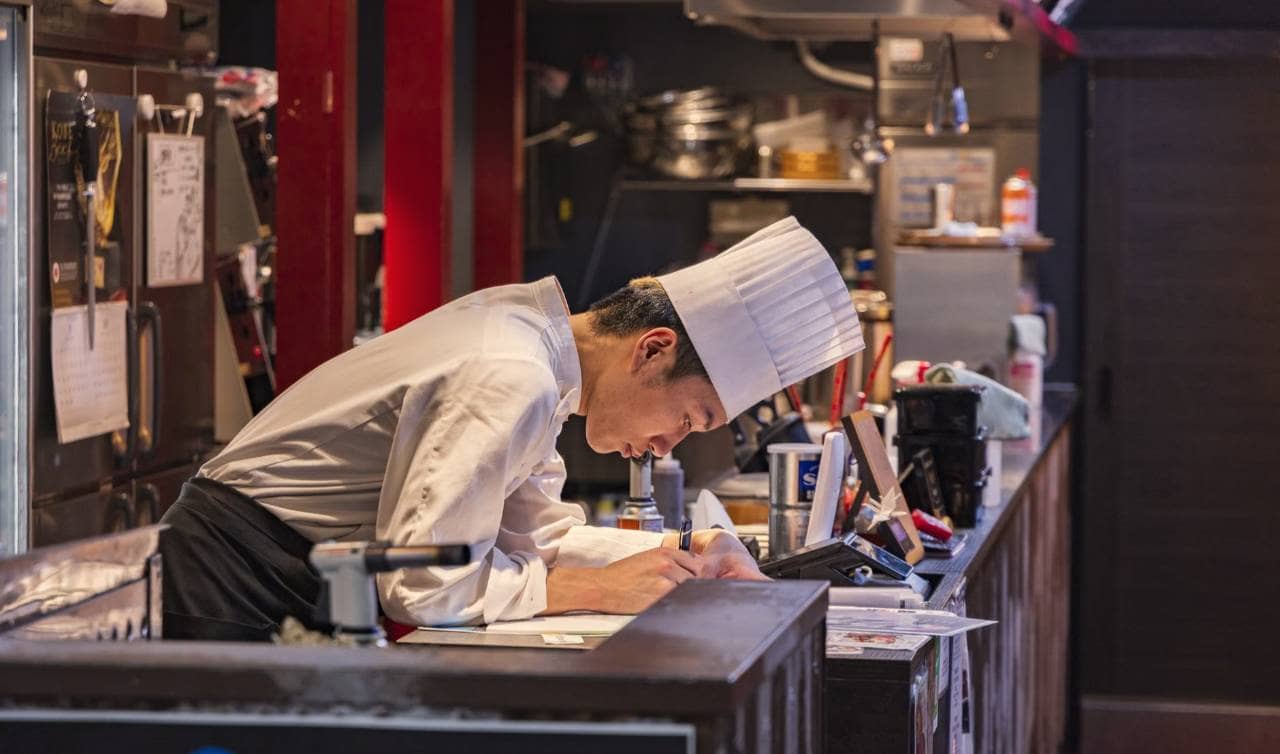
Restaurants can control operating costs by tracking food, labor, rent, utilities, technology, marketing, and other expenses against sales.
Oct 5, 2026

Opening a second restaurant location requires readiness, clear goals, financial planning, funding, smart strategy, standardized operations, strong teams, and careful launch monitoring for sustainable growth.
Sep 30, 2026
Evaluate restaurant industry performance in Q3 2026 through key trends affecting restaurant sales, traffic, consumer spending, labor, costs, and technology.
Oct 2, 2026

Improve restaurant visibility with local SEO by optimizing Google Business Profile, targeting local keywords, managing reviews, and maintaining accurate online information.
Oct 5, 2026
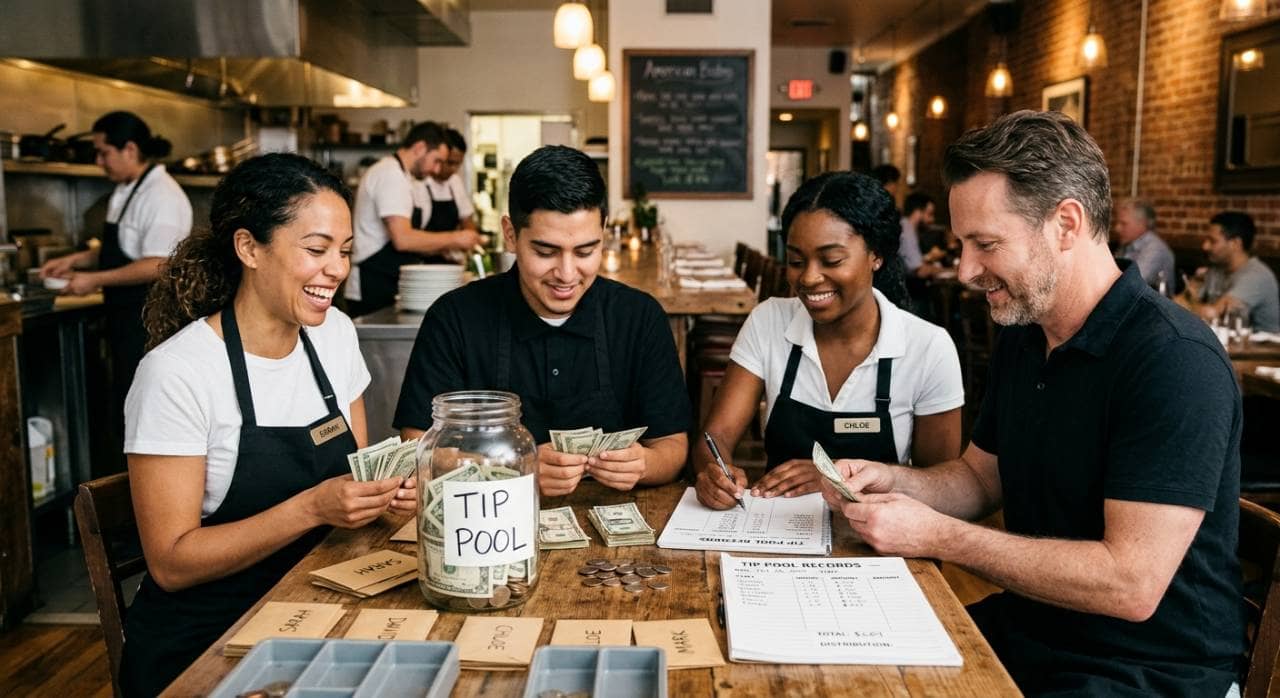
Understand tip pooling rules, employee eligibility, distribution methods, compliance requirements, recordkeeping practices, and policies restaurant owners need for proper tip management.
Oct 2, 2026

Whit's Frozen Custard hires industry veteran Amos Durbin as COO to guide franchise expansion, drawing on two decades of restaurant leadership experience.
Oct 2, 2026
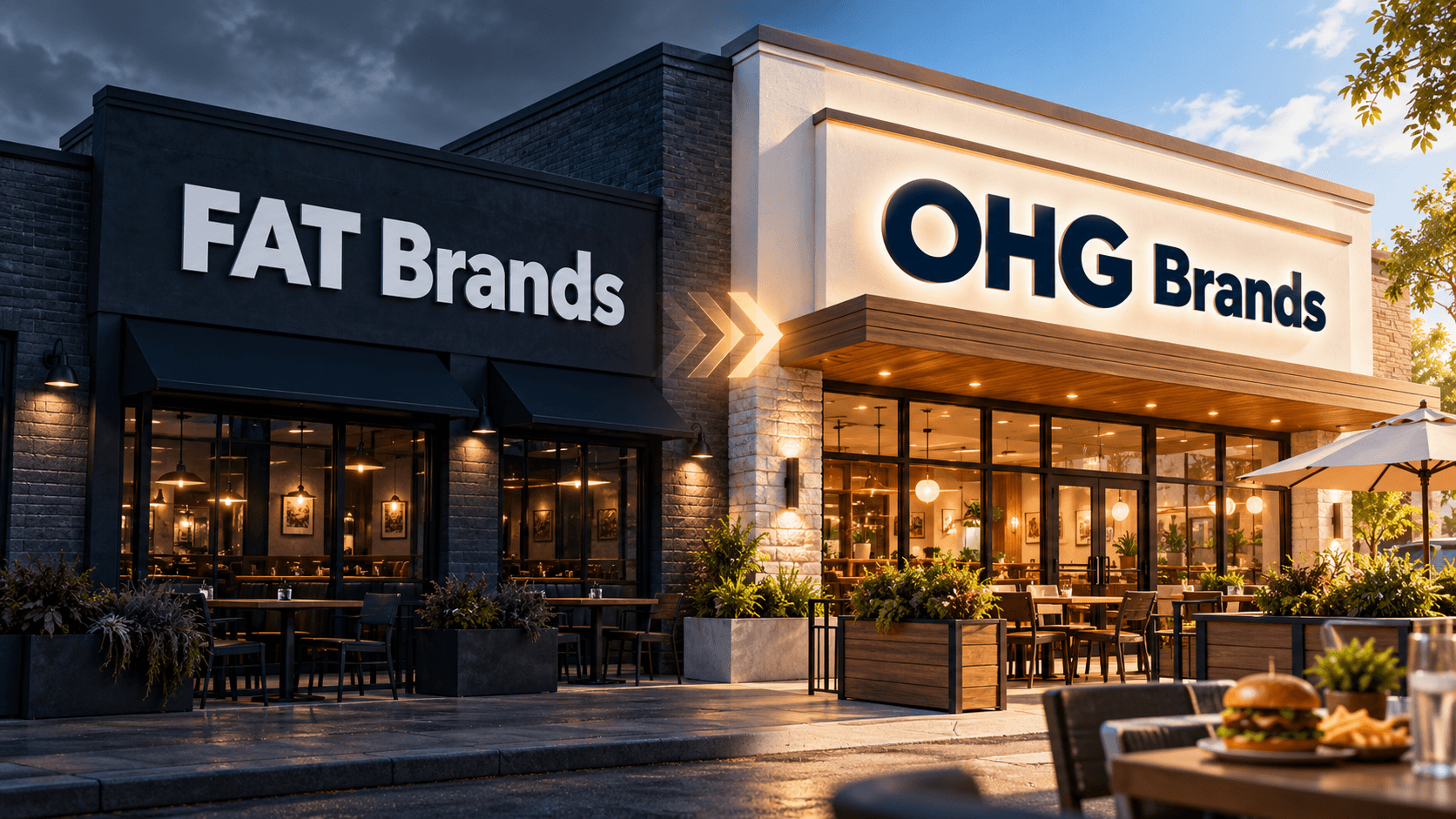
FAT Brands' $1B acquisition empire fell into bankruptcy and sold for $965M, re-emerging as OHG Brands with 1,700 restaurants.
Oct 1, 2026
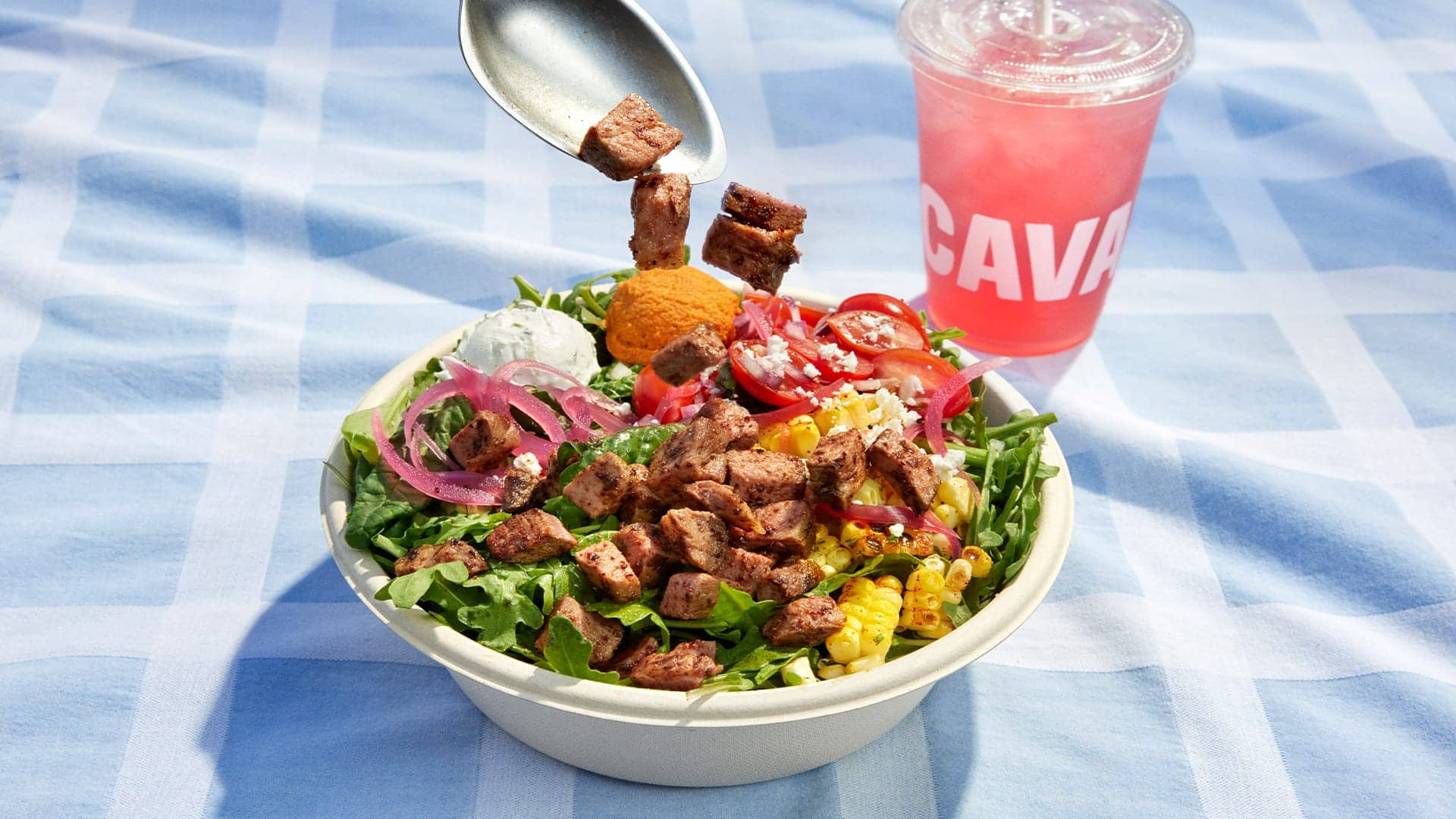
CAVA names John Ludeke, former Dr. Squatch Chief Brand Officer, as its new CMO to drive national growth and guest loyalty.
Oct 1, 2026

Unlock Exclusive Access To Webinars, Events, And The Latest News For Free!
Explore how interior renovations and design play a crucial role in attracting and retaining customers in the restaurant industry.

Photo by Alex Muromtsev
Restaurant owners are increasingly revitalizing their dining areas to create a more inviting atmosphere reminiscent of cozy coffee houses. Soft lighting, ample outlets, and comfort-driven furniture are becoming staples of these renovations. By providing a warm and comfortable environment, establishments can attract more Millennials and Gen Z customers who seek a relaxed ambiance for socializing or working.

Photo by Alex Muromtsev
Experts recommend striking a balance between the visual appeal of the space and practicality to enhance customer experience. Dr. Stephani Robson suggests avoiding large communal tables in favor of versatile seating arrangements like counter seats with street views or open kitchens. Outdoor seating, when feasible, adds a charming touch and expands the dining experience.

Photo by Alex Muromtsev
Engaging design elements contribute significantly to the overall ambiance and customer engagement. Restaurants like Curry Boys BBQ in Nashville successfully blend different cultural inspirations to create a visually appealing space. Including community-specific themes and quirky details can encourage patrons to share their experiences on social media, amplifying brand visibility.
Background music plays a crucial role in setting the right tone for customer interaction. Rick Camac emphasizes the importance of creating a less formal environment with age-appropriate playlists. Furthermore, implementing digital rewards programs and seamless payment options through personal devices can enhance customer loyalty and drive repeat visits.

Photo by Alex Muromtsev
Avoiding outdated design elements like locked restrooms and focusing on gender-neutral and family-friendly facilities can improve the overall dining experience. Additionally, employing professional lighting designers and opting for colorful, easy-to-maintain table settings can enhance the overall aesthetic appeal of the restaurant.
Photo by Alex Muromtsev
Understanding the preferences of younger generations like Gen Z and Millennials is crucial for restaurant success. Dr. Robson highlights the importance of avoiding heavy alcohol marketing in interior design to appeal to this demographic. By adapting to evolving trends and creating comfortable, community-oriented spaces, restaurants can foster customer loyalty and drive business growth.

Photo by Alex Muromtsev