Inspire Brands CEO Steps Back as IPO Push Enters Critical Phase
Paul Brown temporarily steps away from Inspire Brands as Scott Murphy assumes interim CEO role during confidential IPO filing process targeting late 2026.
News
Sep 10, 2026
Paul Brown temporarily steps away from Inspire Brands as Scott Murphy assumes interim CEO role during confidential IPO filing process targeting late 2026.
Sep 10, 2026
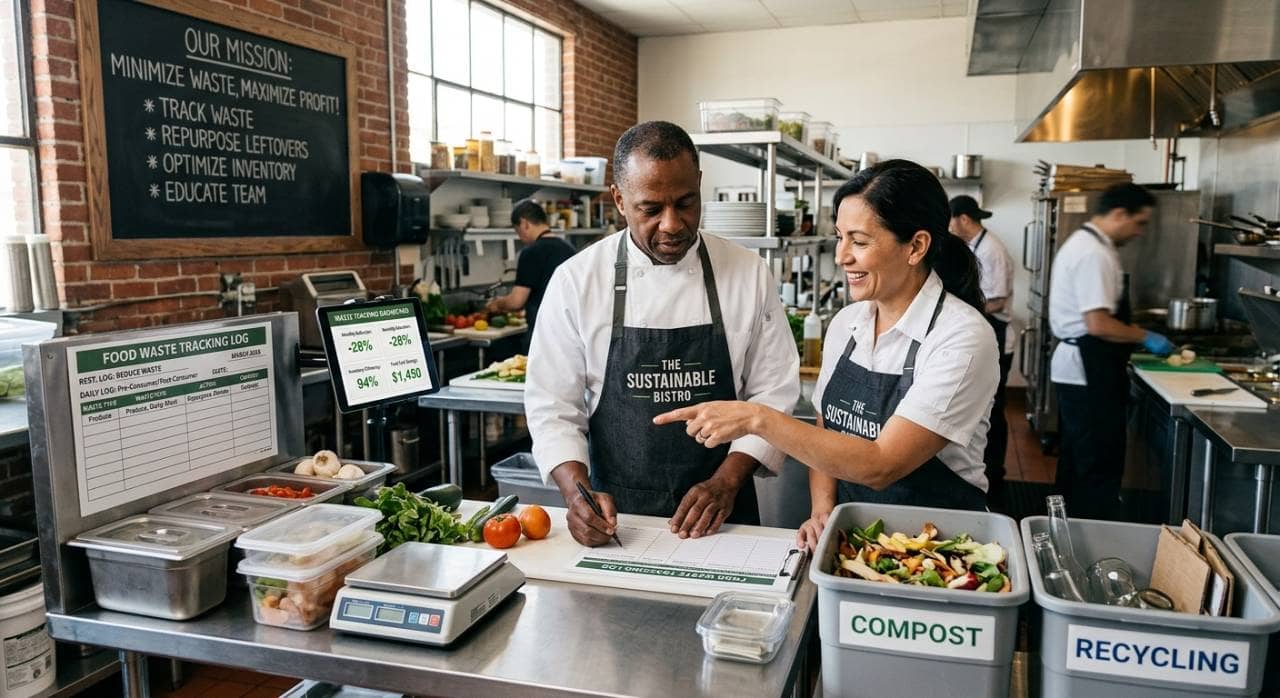
Learn how to reduce food waste in restaurants through smarter purchasing, storage, preparation, and service strategies that cut costs.
Sep 9, 2026
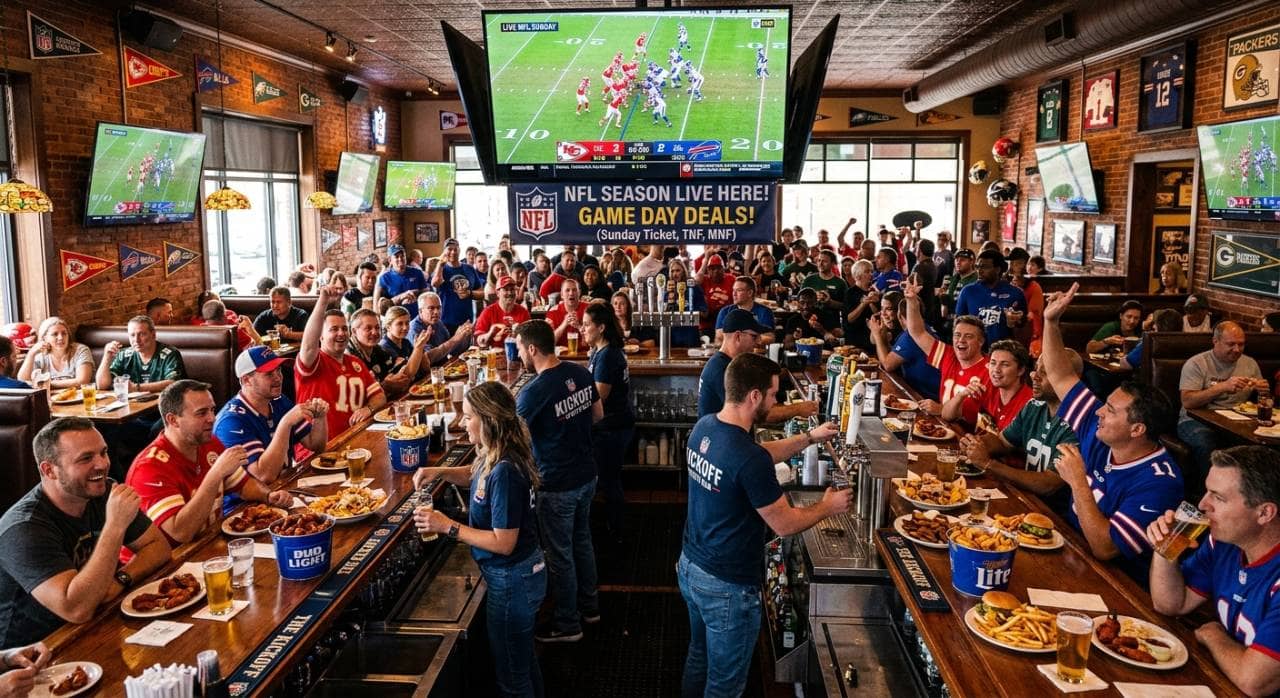
Prepare your restaurant for NFL season with smart menu planning, staffing, marketing, technology, and atmosphere strategies that boost season-long revenue.
Sep 9, 2026
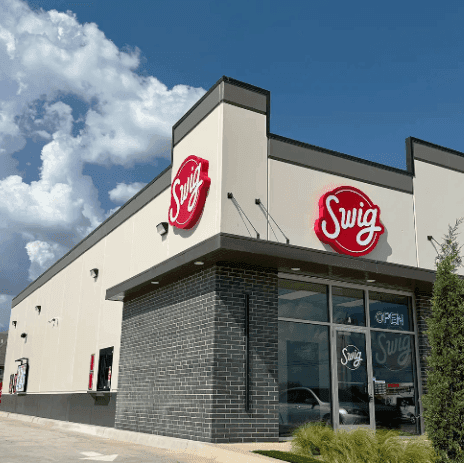
Swig signs franchise agreement for 11 South Denver locations, marking Colorado entry and validating its national expansion strategy.
Sep 8, 2026
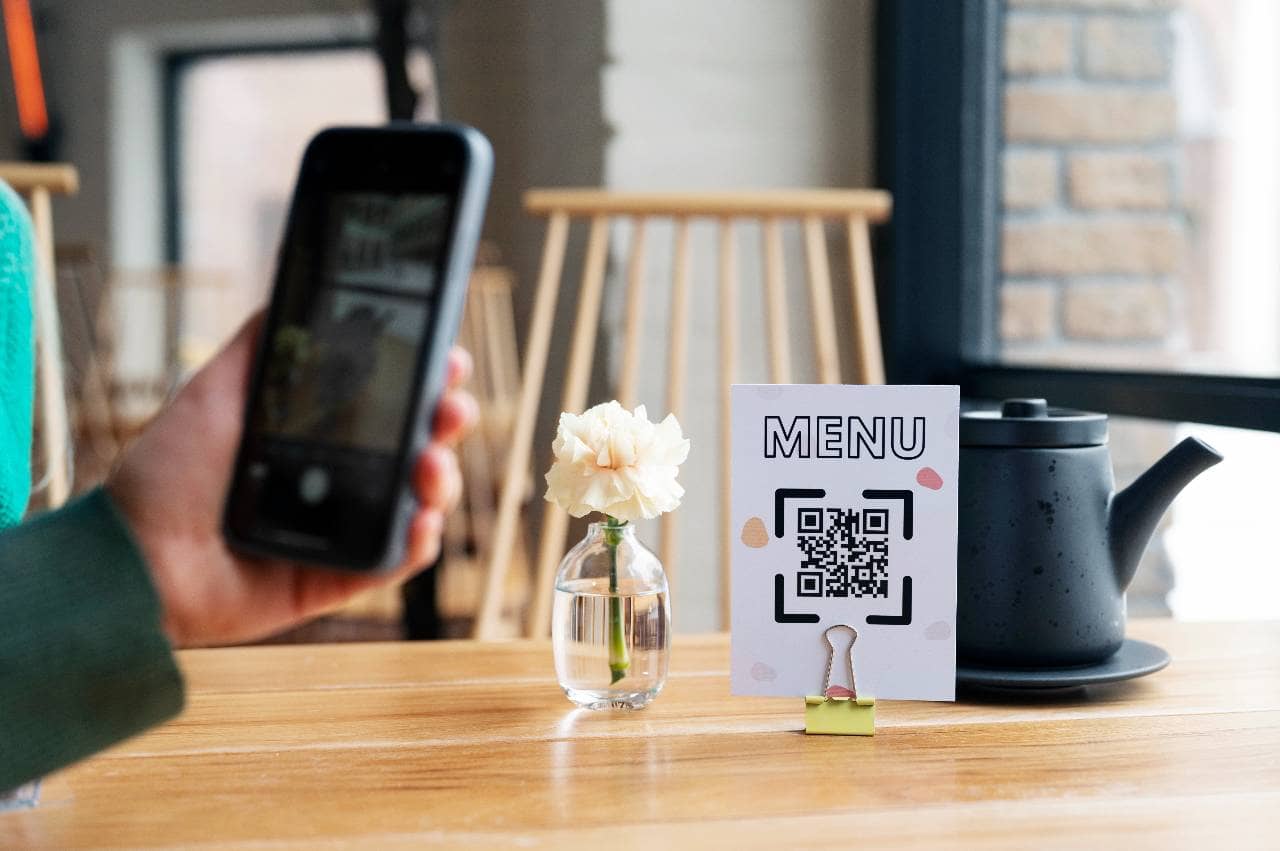
QR code menus let restaurants replace paper menus digitally, enabling instant updates, contactless browsing, ordering, and payment through simple smartphone scanning.
Sep 7, 2026
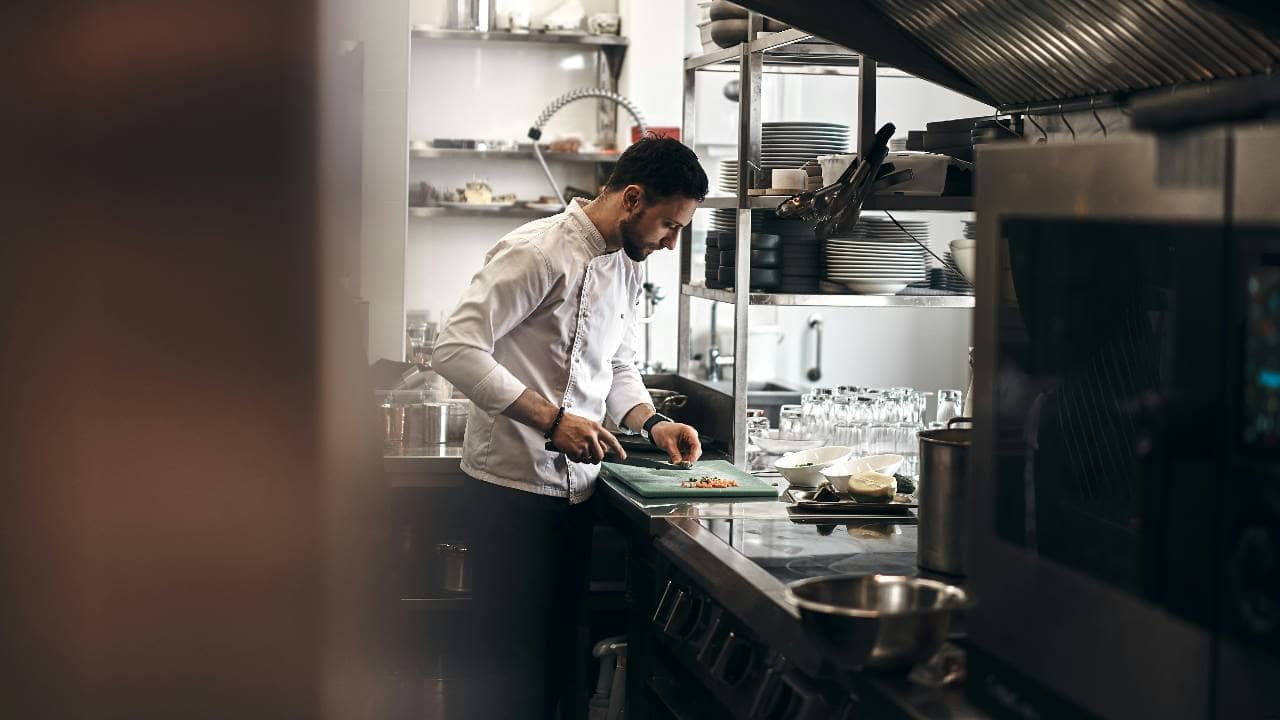
Complete guide helping restaurant owners choose essential kitchen equipment - covering cooking, refrigeration, prep, sanitation, ventilation, safety, and long-term maintenance planning.
Sep 7, 2026

Avoiding common restaurant payroll mistakes - misclassification, tip credit errors, overtime miscalculations - protects businesses from costly penalties, back pay, and compliance risks.
Sep 4, 2026
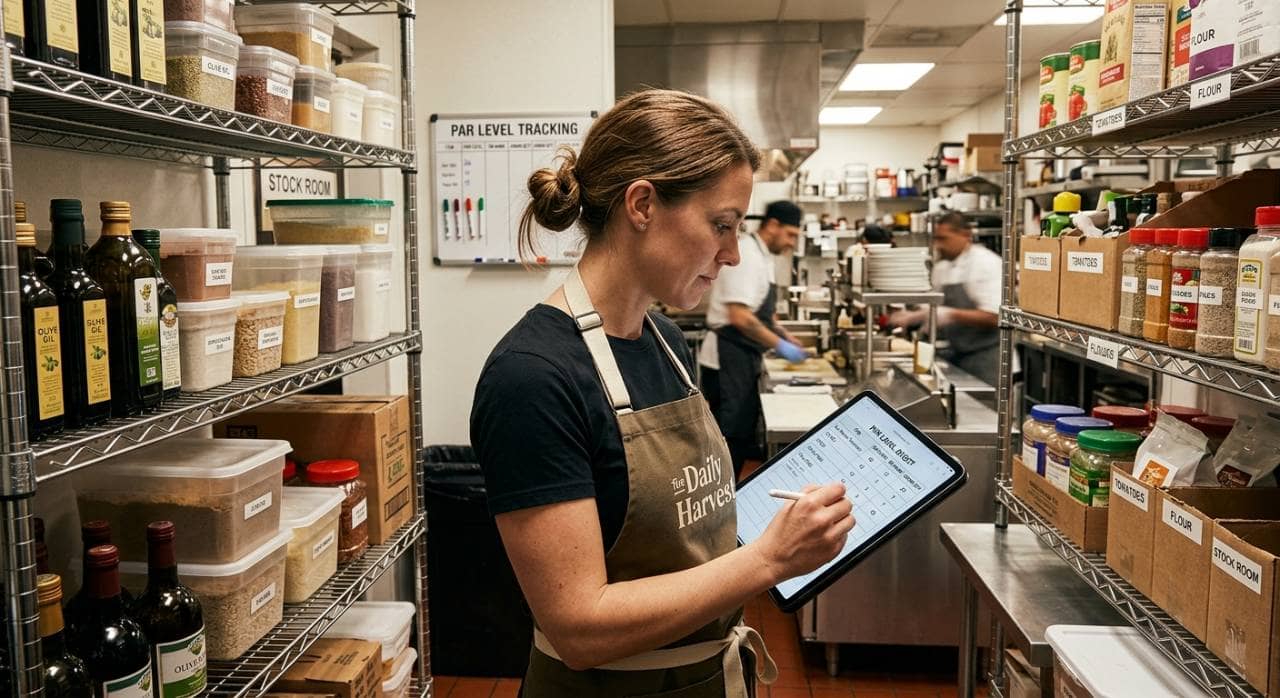
Learn to calculate par levels for restaurant food, beverages, and packaging inventory, preventing stockouts and waste through proper formulas.
Sep 4, 2026
Caribou Coffee appoints Zane Thomas-Rogers as Chief Operations Officer to strengthen execution across its expanding coffeehouse network.
Sep 4, 2026

Compare the top 10 restaurant POS systems in the USA for 2026. Explore features, pricing, pros, cons, and the best POS options for every restaurant type.
Jul 1, 2026

Unlock Exclusive Access To Webinars, Events, And The Latest News For Free!
Denny's expands a multi-tier value platform to drive traffic, boost mix, and protect margins as rivals push value-led promotions.

Photo by Shawn
At the center of Denny’s revival is a pledge to everyday value that feels more balanced than a single promo. The chain is leaning into a multi-tier pricing architecture, $2, $4, $6, $8, paired with a growing $10 category, with a belief that value can draw guests in while protecting margins. The revival of this price ladder is presented as a deliberate shift, not a one-off deal. For diners who expect comfort and clarity, the menu becomes a thoughtfully composed invitation to visit more often.
Details matter when a brand leans into value as strategy. Denny’s notes that roughly 130 restaurants are live on a new cloud-based POS and that the KVS kitchen-visualization upgrade accompanies the rollout. The goal is to support targeted upsells, labor efficiency, and a smoother payment experience, adding up to better margins even as price-led promotions remain central. Leadership underscores that “People know the Denny’s brand for that offering.” Valade’s words anchor the brand’s confidence in value-driven choices, and the platform is described as a sustainable anchor for traffic and item mix.
Even as Denny’s doubles down on value, the casual-dining field is locking horns over price. Chili’s has expanded its 3 For Me platform, introducing higher-value options and promotional combos designed to outperform fast-food price points. Brinker International’s materials describe Chili’s 3 For Me as a core value driver since its introduction, signaling industry-leading momentum. In parallel, Buffalo Wild Wings rolled out an all-you-can-eat boneless wings and fries deal at $19.99 on Mondays and Wednesdays through July 10, delivering noticeable traffic spikes. Taken together, these moves illustrate a broader shift toward value-centric promotions and time-bound events that spark trial and repeat visits.
What this means for guests and operators is nuanced. Price perception, portion size, and the clarity of offers shape decisions as promotions move into the mainstream. For operators, sustaining traffic while protecting check averages requires disciplined labor management and a thoughtful mix of menu items. The industry’s trajectory suggests that value is becoming a steady feature, not a one-off hook, inviting guests to return for a reliable sense of worth.

The value model is where Denny’s reveals its intent to be both practical and nourishing in a utilitarian sense. The 2-4-6-8 architecture is not merely a discount ladder; it's a way to expand guest choices while protecting margins. The 2 and 4 levels act as strong add-ons that lift average tickets and diversify the product mix, while the 8 tier anchors everyday value. The revival is pitched as a deliberate refresh, supported by a cloud-based POS rollout across roughly 130 restaurants and a KVS kitchen-visualization upgrade that aims at waste reduction and labor savings.
Across the network, the technology shift matters for the guest experience. With about 130 restaurants live on the new platform and plans to expand into franchise locations, the system enables targeted upsells and faster payments, while KVS provides visibility that can guide staffing and cooking processes. The strategy aims to scale value offerings while safeguarding margins, using technology to keep the experience smooth for guests and the balance sheet intact.
Industry voices underscore how value strategies resonate with guests and operators alike. On the Denny’s side, leadership anchors the approach in brand equity and tested consumer feedback. The Chili’s side spotlights the 3 For Me platform as a durable value proposition designed to outpace fast-food price increases, with a Brinker press release noting that Chili’s 3 For Me has been updated to include new items while maintaining a starting price of $10.99, and it quotes leadership asserting that the program delivers “industry-leading value since its introduction.” The context is a broader rhythm: value-based incentives are becoming a steadier feature of casual dining.
These industry voices confirm that value strategies are not a single campaign but a durable, evolving narrative. Denny’s leadership ties the plan to brand equity and tested feedback, while Chili’s defends its value proposition with ongoing updates to 3 For Me. The broader takeaway is a casual-dining ecosystem recalibrating around predictable, value-driven choices that balance price, portions, and perceived worth, with nourishing clarity for guests and steady demand for operators.
While the early data are encouraging, several questions remain about the long-term sustainability of large-scale value platforms. Denny’s emphasizes that the value strategy is engineered to protect profitability, with test-market results suggesting incremental traffic and trial alongside margin discipline, but ongoing monitoring will be essential to confirm that growth persists across markets and franchise channels. The industry also faces macro pressures in labor, supply costs, and consumer shifting preferences, meaning that value platforms must continuously adapt, potentially via price-point tinkering, menu engineering, and technology-enabled upsell opportunities. In this context, the coming quarters will reveal how well the multi-tier value approach translates into durable guest loyalty and stable unit economics across the broader casual-dining ecosystem.
- Margin discipline – The platform aims to protect profitability as volume grows.
- Franchise expansion – Extending the rollout beyond company-owned restaurants to reach more guests.
- Technology-driven upsell – POS and KVS upgrades enable targeted prompts and efficiency.