True Food Kitchen Files Bankruptcy, Closes 12 Sites
True Food Kitchen filed for Chapter 11 bankruptcy, closing 12 locations and shrinking to 34 restaurants across 14 states amid $42.1 million in debt.
News
Oct 5, 2026
True Food Kitchen filed for Chapter 11 bankruptcy, closing 12 locations and shrinking to 34 restaurants across 14 states amid $42.1 million in debt.
Oct 5, 2026

Snooze Eatery names industry veteran Amy Hom as COO, starting Sept. 28, to strengthen hospitality and operations ahead of its next growth phase.
Oct 5, 2026

Opening a second restaurant location requires readiness, clear goals, financial planning, funding, smart strategy, standardized operations, strong teams, and careful launch monitoring for sustainable growth.
Sep 30, 2026

Evaluate restaurant industry performance in Q3 2026 through key trends affecting restaurant sales, traffic, consumer spending, labor, costs, and technology.
Oct 2, 2026
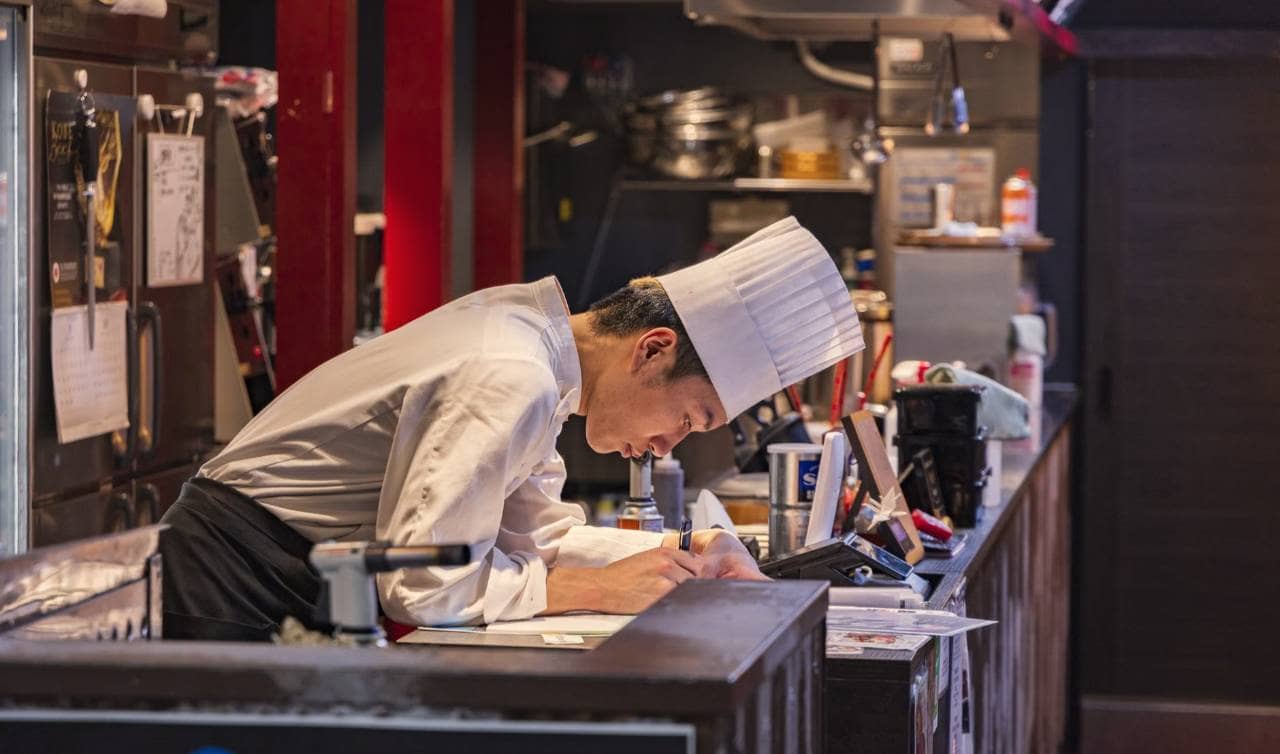
Restaurants can control operating costs by tracking food, labor, rent, utilities, technology, marketing, and other expenses against sales.
Oct 5, 2026

Improve restaurant visibility with local SEO by optimizing Google Business Profile, targeting local keywords, managing reviews, and maintaining accurate online information.
Oct 5, 2026
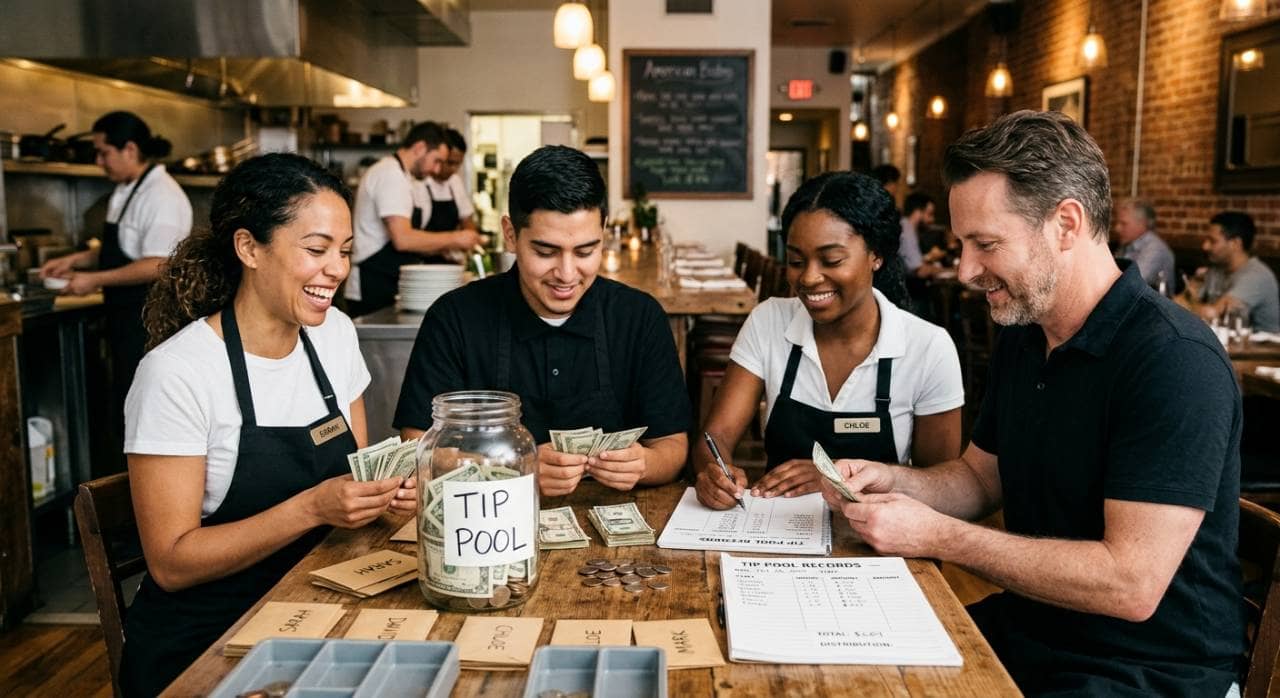
Understand tip pooling rules, employee eligibility, distribution methods, compliance requirements, recordkeeping practices, and policies restaurant owners need for proper tip management.
Oct 2, 2026

Whit's Frozen Custard hires industry veteran Amos Durbin as COO to guide franchise expansion, drawing on two decades of restaurant leadership experience.
Oct 2, 2026
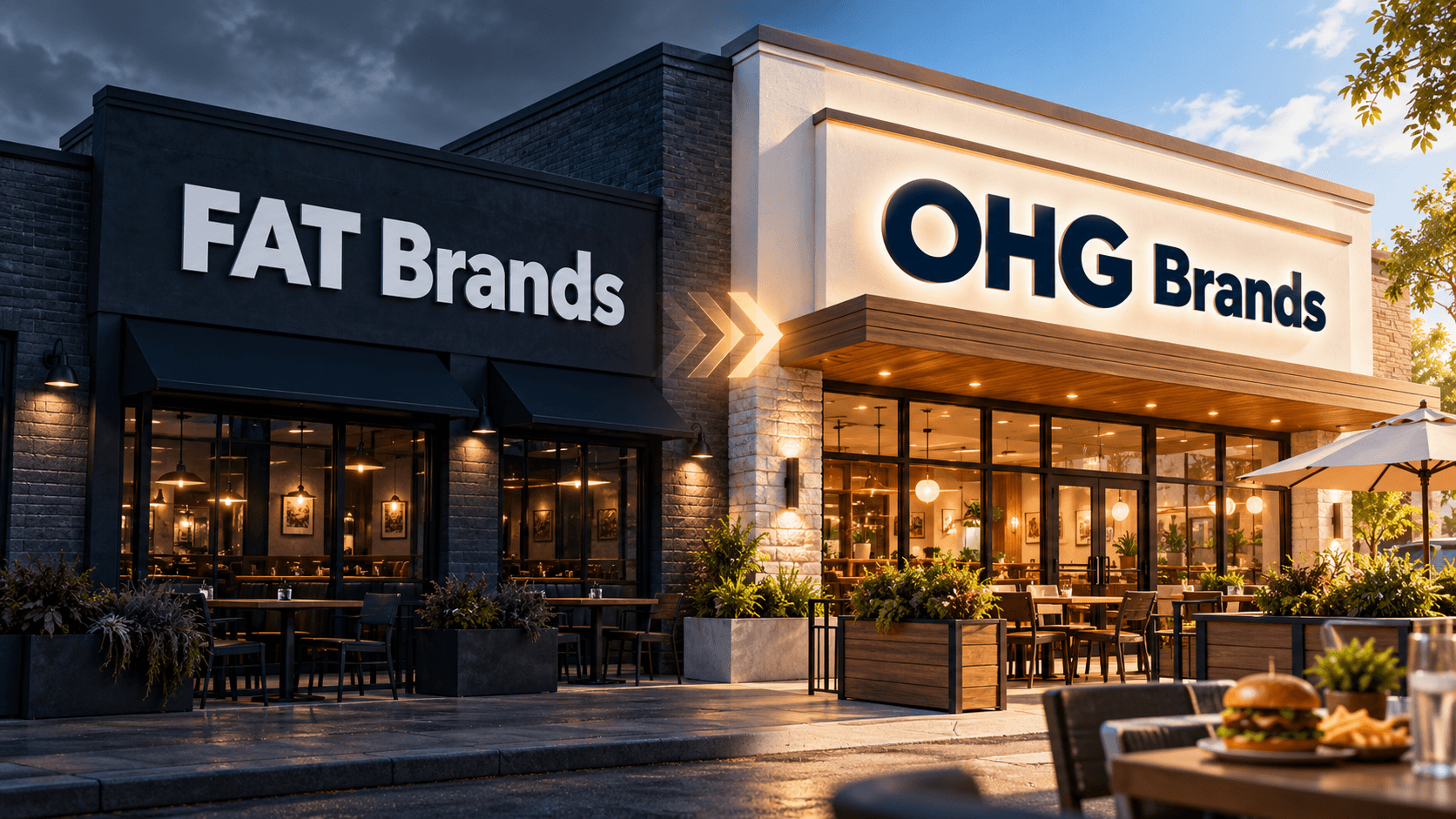
FAT Brands' $1B acquisition empire fell into bankruptcy and sold for $965M, re-emerging as OHG Brands with 1,700 restaurants.
Oct 1, 2026
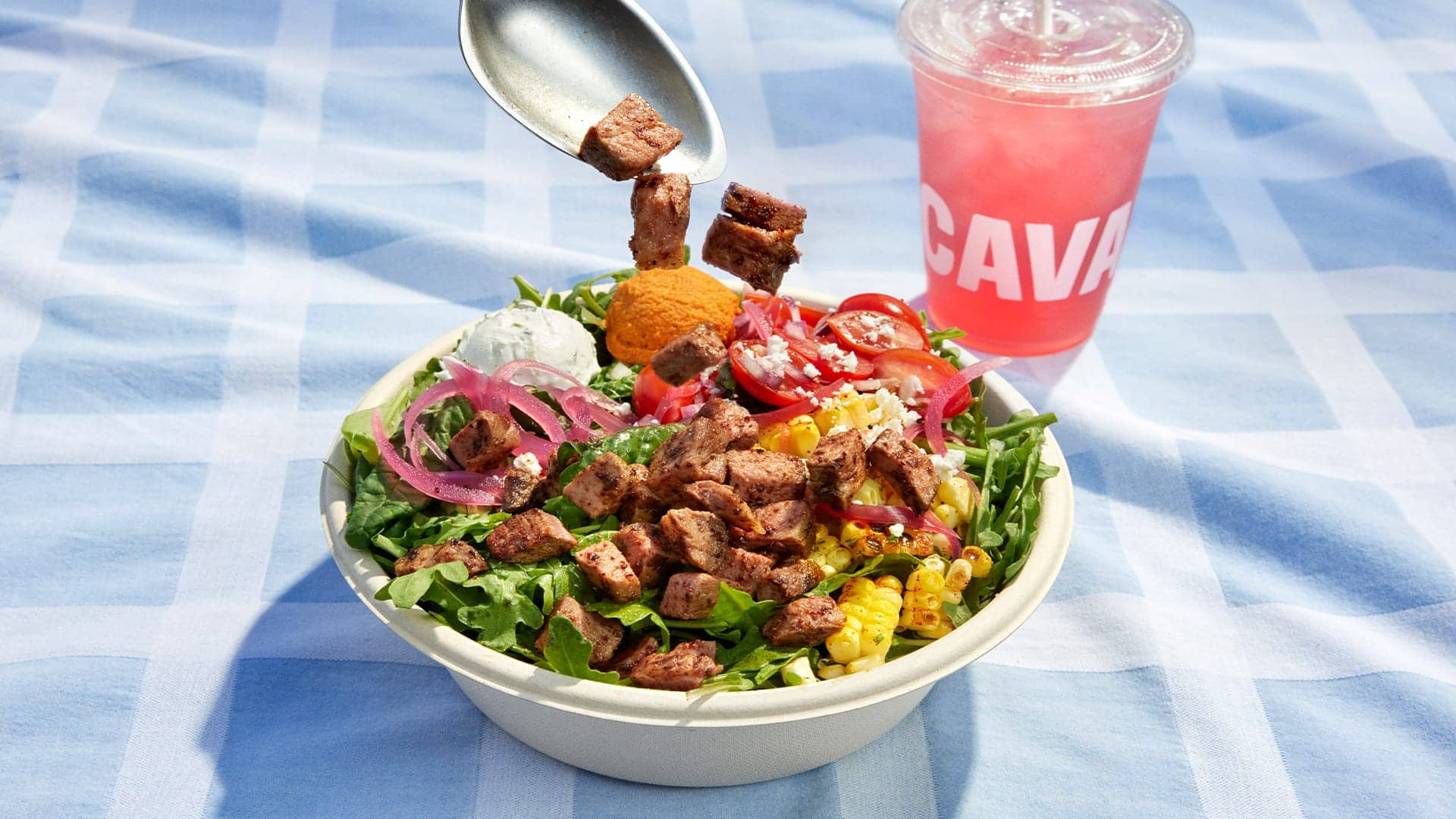
CAVA names John Ludeke, former Dr. Squatch Chief Brand Officer, as its new CMO to drive national growth and guest loyalty.
Oct 1, 2026

Unlock Exclusive Access To Webinars, Events, And The Latest News For Free!
Foodtastic, a major Canadian foodservice operator, will spearhead Dunkin's return to Canada — putting the doughnut and coffee chain on a collision course with Tim Hortons on its home turf.

After nearly a decade on the sidelines, Dunkin' is set to re-enter the Canadian market later this year. The Inspire Brands-owned chain has signed a development agreement with Foodtastic, one of Canada's largest foodservice operators, to bring hundreds of new Dunkin' locations to the country. Under the deal, Foodtastic will hold exclusive rights to develop Dunkin' units across Canada, recruit franchisees, and oversee day-to-day operations nationwide.
The partnership isn't Inspire Brands' first with Foodtastic. The Canadian operator already runs Jimmy John's locations throughout the country, giving the two companies an established working relationship heading into this expansion. Peter Mammas, Foodtastic's founder and CEO, called the arrangement "a significant growth opportunity for Foodtastic and our franchise partners across the country."
Dunkin' exited Canada in 2018 following operator disputes in Quebec, and its absence stretched to eight years. Now it's returning to a market firmly dominated by Tim Hortons, the Restaurant Brands International-owned chain with thousands of Canadian locations built on the same coffee-and-baked-goods positioning that Dunkin' occupies. The rivalry between the two chains has long played out in geographic terms. Tim Hortons and Dunkin' have largely stayed out of each other's core markets and Tim Hortons' competitive pressure is widely credited with contributing to Dunkin's original Canadian exit. Even in the U.S., the dynamic holds - of Tim Hortons' 650-plus American locations in 2025, all seven in Dunkin's New England home region were concentrated in Maine.
Dunkin' enters Canada with momentum behind it. The chain grew from roughly 9,370 U.S. units in 2023 including co-branded Baskin-Robbins locations to more than 10,000 by late 2025. Parent company Inspire Brands has also signaled plans to pursue an initial public offering, a move that could provide additional capital to accelerate growth across its portfolio brands. Whether that momentum translates to Canada will depend largely on how consumers respond to a Dunkin' presence in markets where Tim Hortons has been a cultural institution for decades.