Lucy Brady Appointed President of Jamba at GoTo Foods
Lucy Brady joins Jamba as president to lead digital-first growth strategy. GoTo Foods restructures leadership to strengthen franchise platform capabilities.
News
Sep 14, 2026
Lucy Brady joins Jamba as president to lead digital-first growth strategy. GoTo Foods restructures leadership to strengthen franchise platform capabilities.
Sep 14, 2026
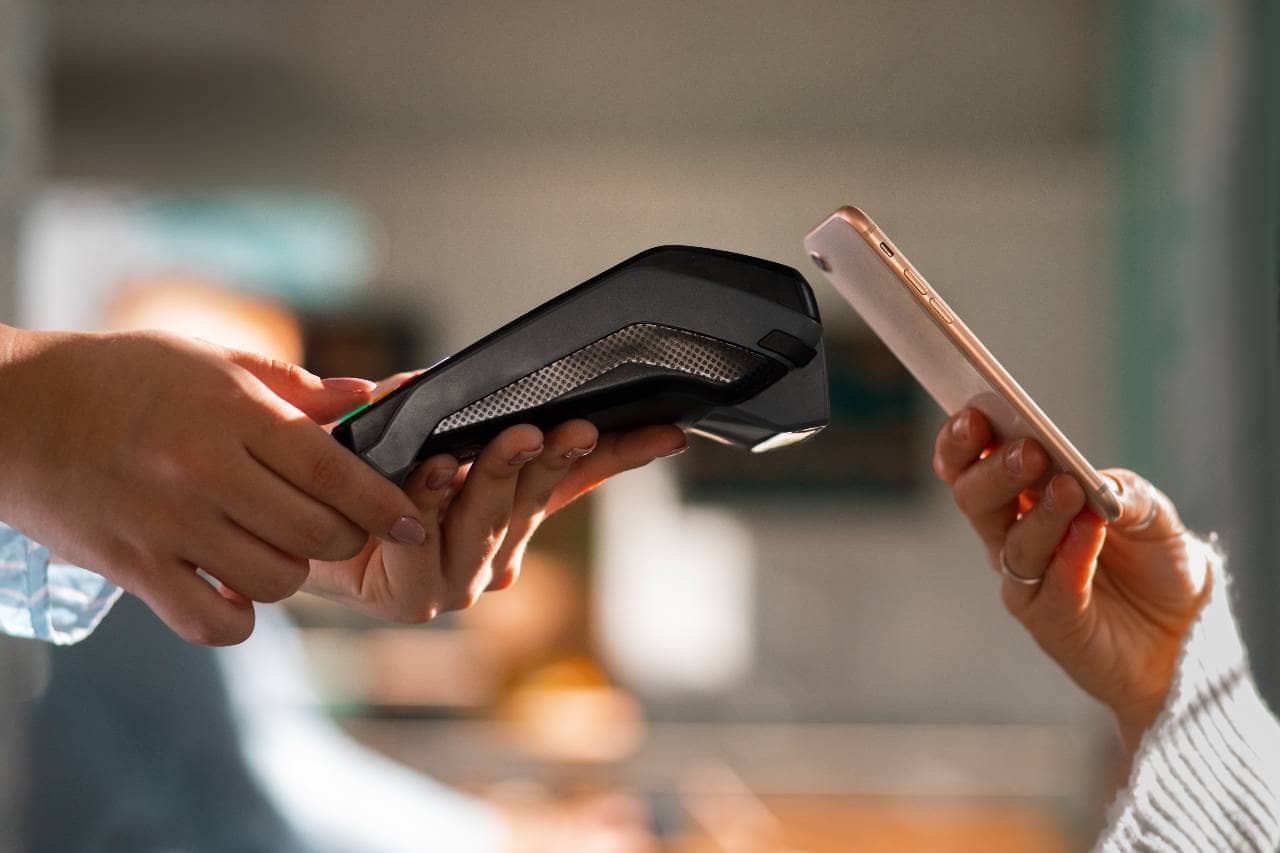
Contactless payment offers restaurants faster transactions, better security, and improved customer experience, making it a valuable, worthwhile technology investment today.
Sep 11, 2026

Pei Wei Asian Kitchen named Best Fast-Casual Chain in Reviewed 2026 Awards, reflecting shift from price competition to quality and transparency.
Sep 11, 2026

O'Charley's shuttered all corporate restaurants nationwide on September 9, 2026, ending its 55-year legacy as a casual-dining regional powerhouse.
Sep 11, 2026
Authentic Restaurant Brands lands $325M investment from Trimontium to fuel disciplined regional expansion across five established restaurant concepts.
Sep 11, 2026

Walmart expands restaurant delivery beyond Subway and Dunkin', taking on DoorDash, Uber Eats, and Grubhub with Papa Johns nationwide rollout.
Sep 11, 2026

Complete NFL season restaurant checklist covering licensing, AV setup, menu prep, inventory, staffing, and marketing before kickoff arrives.
Sep 11, 2026

California shifts to public enforcement strategy against Dickey's for deceptive franchise disclosures, signaling stricter state-level franchise oversight.
Sep 10, 2026
Paul Brown temporarily steps away from Inspire Brands as Scott Murphy assumes interim CEO role during confidential IPO filing process targeting late 2026.
Sep 10, 2026
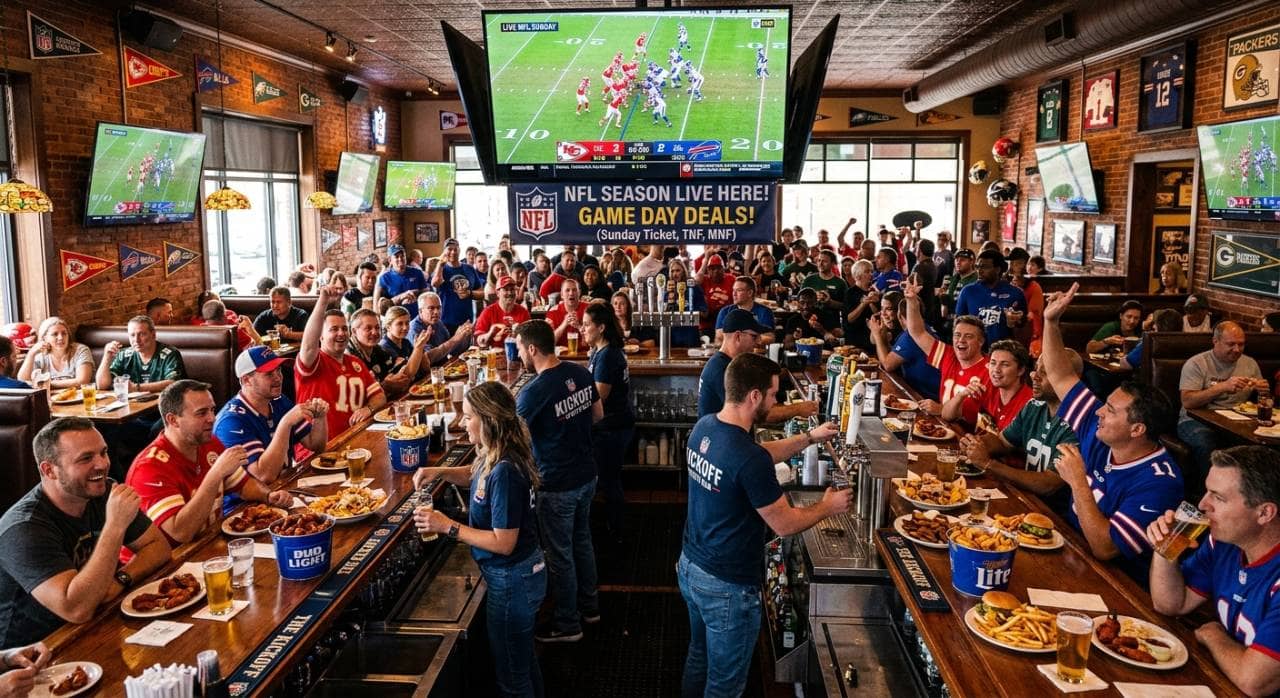
Prepare your restaurant for NFL season with smart menu planning, staffing, marketing, technology, and atmosphere strategies that boost season-long revenue.
Sep 9, 2026

Unlock Exclusive Access To Webinars, Events, And The Latest News For Free!
Explore how major fast-food chains like McDonald's, Burger King, Taco Bell, Pizza Hut, and KFC are responding to the recent E. coli outbreak and onion recall, impacting their menu items and food safety measures.

Photo by Jonas Kakaroto

Photo by Jonas Kakaroto
The recent E. coli outbreak resulting in 49 illnesses and one fatality has sent shockwaves through the fast-food industry. McDonald’s, one of the largest fast-food chains globally, was forced to remove its signature Quarter Pounder from menus in twelve states due to the outbreak. The source of the contamination was traced back to onions supplied by Taylor Farms' Colorado facility, prompting a swift response from various restaurant chains.
Following Taylor Farms' onion recall, McDonald’s took immediate action to address the situation. The company removed onions from affected locations to prioritize customer safety. A spokesperson emphasized the proactive measures taken by McDonald’s to maintain the quality and safety of their food items amid the outbreak, showcasing a commitment to upholding food safety standards.
Burger King, although not as extensively impacted as McDonald’s, acknowledged the potential risk associated with the contaminated onions. Despite no reported cases or directives from health authorities, Burger King proactively disposed of onions received from the affected facility in 5% of its domestic restaurants. The chain highlighted its standard practice of using whole, fresh onions and preparing them in-house daily to ensure food safety.
Yum Brands, the parent company of Taco Bell, Pizza Hut, and KFC, also promptly responded to the onion recall by removing the affected onions from select locations. The company's spokesperson reiterated a commitment to following regulatory guidance to uphold food safety standards across its brands. This swift action reflects the industry's collective efforts to address food safety concerns with transparency and caution.

Photo by Jonas Kakaroto
The E. coli outbreak and subsequent onion recall have raised industry-wide safety concerns, prompting collaboration among major fast-food chains to mitigate risks and ensure consumer well-being. By sharing information and best practices, restaurants can collectively enhance food safety protocols to prevent similar incidents in the future. It underscores the importance of proactive measures and continuous monitoring to uphold the integrity of the food supply chain.