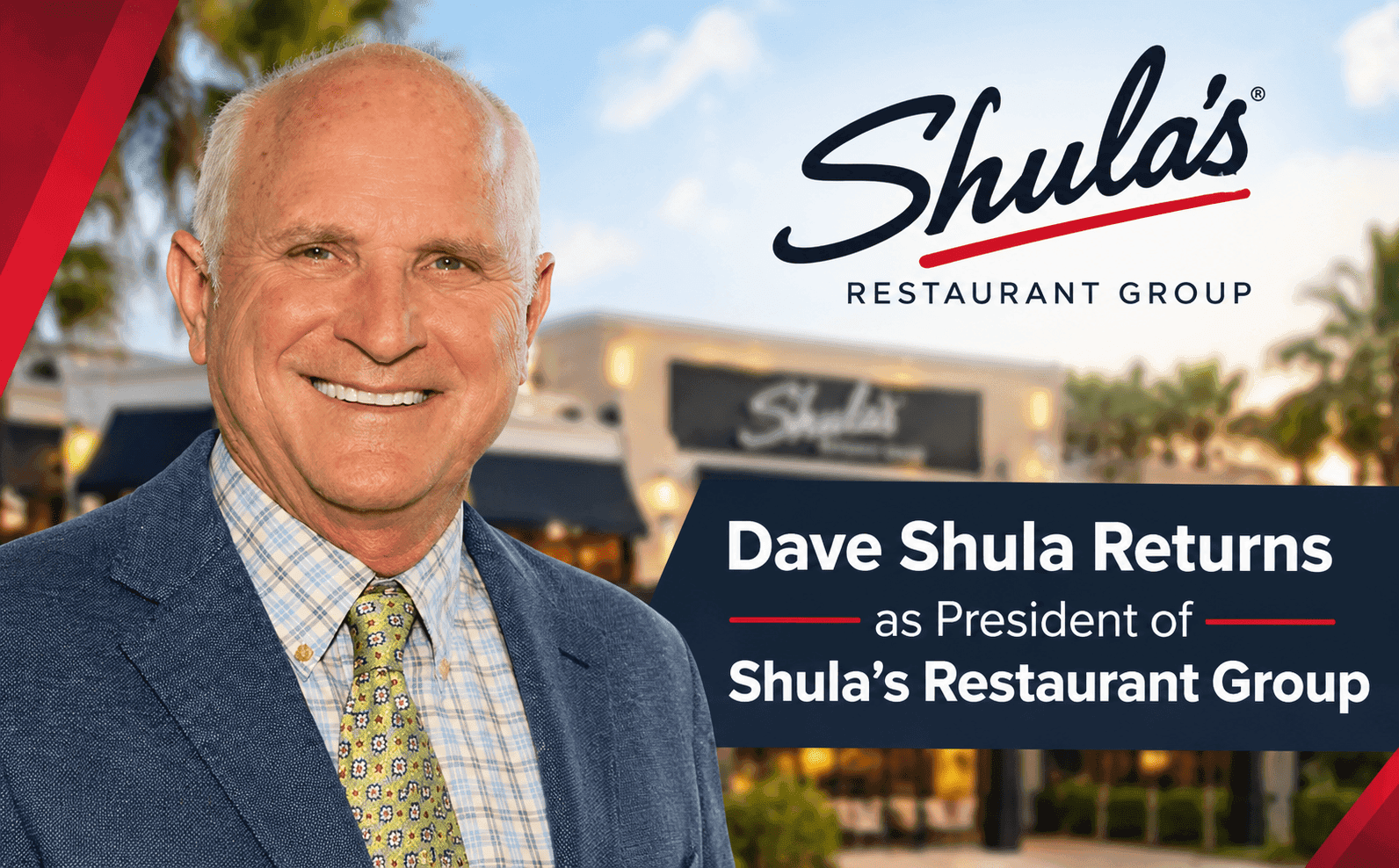
Dave Shula Returns as President of Shula's Restaurant Group
Dave Shula rejoins Shula's Restaurant Group as president, leading growth into Palm Beach Gardens and a 2027 Thomasville, Georgia expansion.
News
Sep 23, 2026
Dave Shula rejoins Shula's Restaurant Group as president, leading growth into Palm Beach Gardens and a 2027 Thomasville, Georgia expansion.
Sep 23, 2026
McDonald's commits $8.5 billion through 2036 to modernize restaurants, boost cash flow by $100,000 per store, and grow chicken and beverage sales.
Sep 23, 2026
WKS Restaurant Group promotes Jay Spongberg to president and COO after he helped grow the company from 65 to 382 restaurants over 16 years.
Sep 23, 2026

Smokey Mo's BBQ names Von Dawson, a Dine Brands veteran, as VP of Franchise Development to lead its Texas expansion strategy.
Sep 23, 2026
.png&w=3840&q=70)
Meritage Hospitality's Chapter 11 filing pulls 5% of Wendy's U.S. stores into bankruptcy, exposing cracks in franchising's bigger-is-safer bet.
Sep 21, 2026
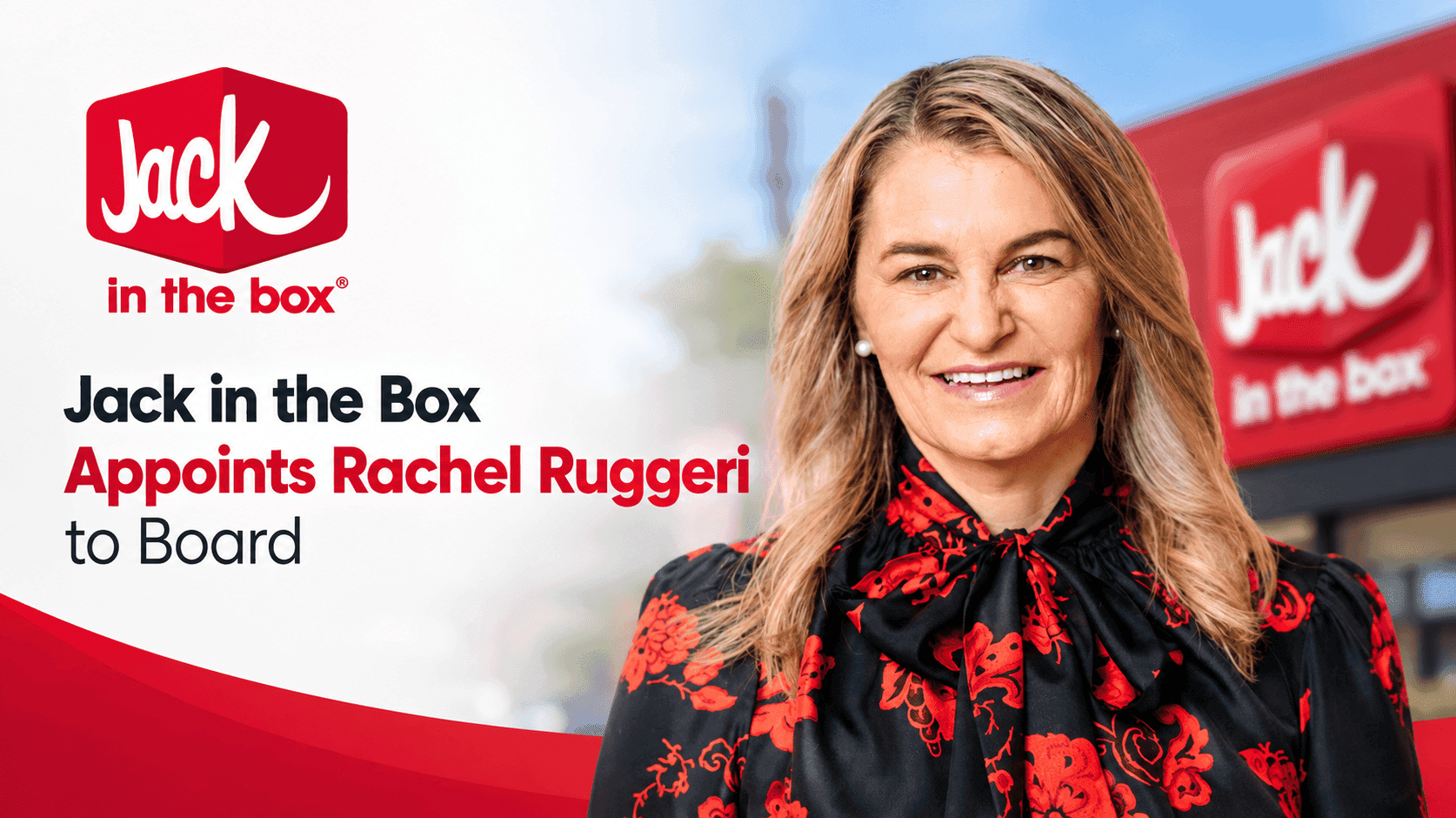
Jack in the Box names Rachel Ruggeri to its board as Michael Murphy retires, amid a CEO transition and deal with investor GreenWood.
Sep 21, 2026
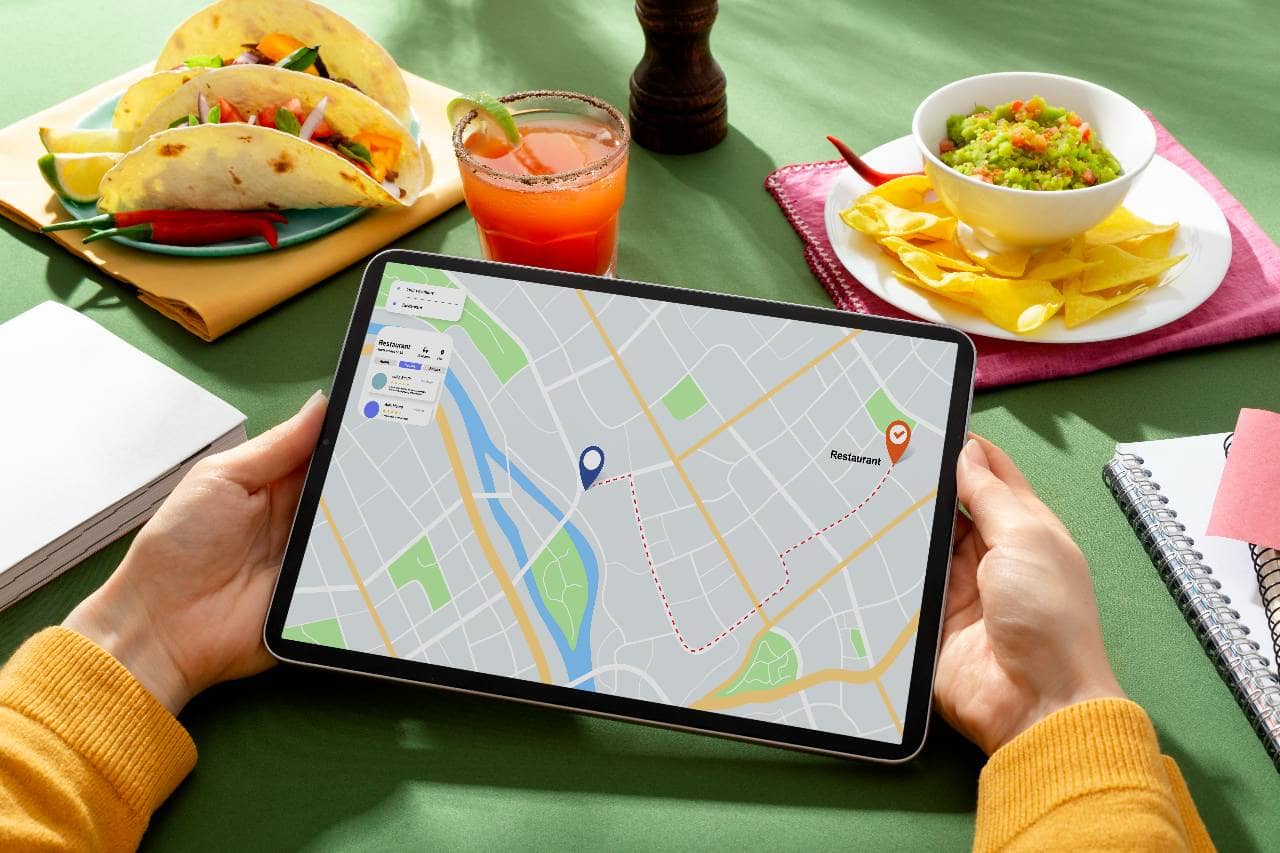
Improve restaurant Google Maps rankings by optimizing your business profile, selecting accurate categories, gathering reviews, adding photos, and strengthening local relevance signals.
Sep 21, 2026

Restaurant inventory tracking helps owners monitor stock, control food costs, reduce waste, improve purchasing, and make informed operational decisions.
Sep 21, 2026

Restaurant owners can significantly reduce restaurant costs by leveraging technology across inventory, labor, procurement, forecasting, and administrative operations for better profit margins.
Sep 18, 2026

Understand how to forecast restaurant revenue and expenses with methods for sales projection, cost scaling, fixed-cost planning, and risk buffering.
Sep 18, 2026

Unlock Exclusive Access To Webinars, Events, And The Latest News For Free!
Explore how leading fast-food chains like McDonald’s are enhancing their menu offerings to stay competitive and drive growth.

In the highly competitive fast-food industry, consumer preferences play a significant role in shaping menu development strategies. Fast-food giants like McDonald’s have been actively responding to changing consumer tastes to attract and retain customers. By introducing new menu items and limited-time offers (LTOs), these chains aim to cater to diverse consumer demands and stay relevant in a rapidly evolving market.
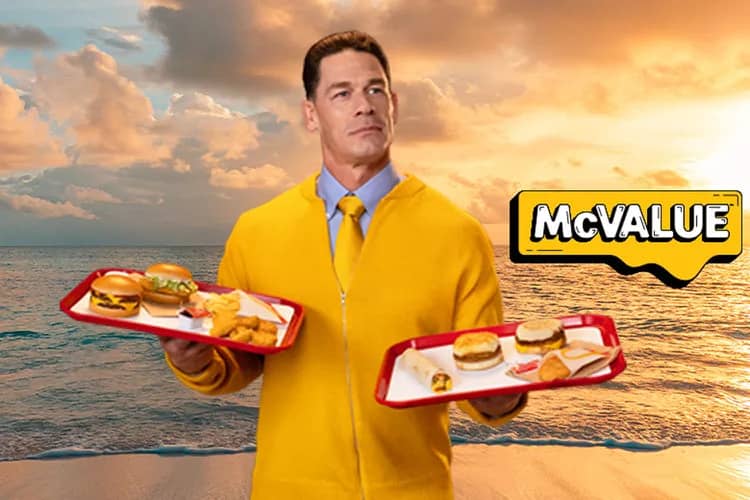
Menu innovation has become a crucial differentiator for fast-food chains looking to stand out in a crowded marketplace. McDonald’s recent emphasis on menu-focused teams highlights the importance of specialization in key categories such as chicken offerings and beverages. By leveraging specialists' insights and expertise, fast-food brands can enhance their menu offerings and create unique selling propositions that resonate with their target audience.
Strategic product launches have been instrumental in driving growth for fast-food chains. The introduction of items like the Chicken Big Mac and the planned comeback of Snack Wraps and chicken strips by McDonald’s signifies a deliberate effort to capture market share and increase revenue. These menu additions not only attract existing customers but also help in expanding the customer base by appealing to new segments.
Innovations in restaurant experience, such as those introduced by McDonald’s Restaurant Experience Team, aim to streamline operations and enhance customer satisfaction. By integrating vertical responsibilities into a unified team, fast-food chains can achieve greater synergy between supply chain management, operations, and restaurant design. This holistic approach enables brands to implement ambitious changes seamlessly at the store level, ultimately improving customer experience and operational efficiency.
Fast-food chains are increasingly leveraging technology to enhance operational efficiency and improve unit economics. By incorporating new technologies, such as automated ordering systems and kitchen automation, brands like McDonald’s can optimize processes, reduce wait times, and deliver a seamless and convenient dining experience to customers. These technological advancements not only benefit customers but also contribute to the overall profitability of the business.
The fast-food industry's competitive nature necessitates constant innovation and adaptation to stay ahead of rivals. Major players like Wendy’s, Jollibee, and Sonic have also embarked on menu-focused strategies to strengthen their market positions and attract discerning customers. By aligning their menu offerings with evolving consumer preferences and industry trends, fast-food chains can secure their competitive edge and sustain long-term growth in a dynamic market landscape.