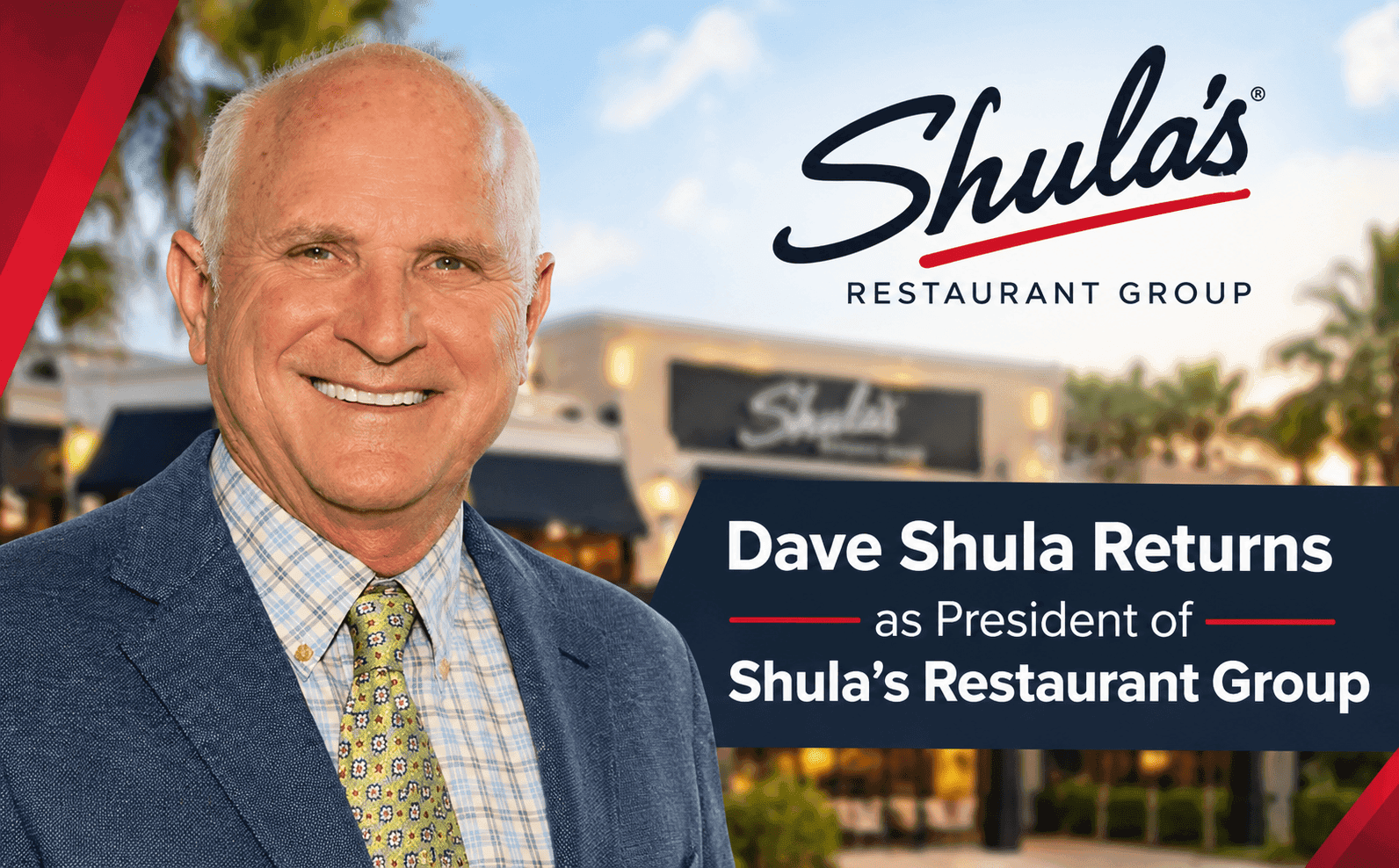
Dave Shula Returns as President of Shula's Restaurant Group
Dave Shula rejoins Shula's Restaurant Group as president, leading growth into Palm Beach Gardens and a 2027 Thomasville, Georgia expansion.
News
Sep 23, 2026
Dave Shula rejoins Shula's Restaurant Group as president, leading growth into Palm Beach Gardens and a 2027 Thomasville, Georgia expansion.
Sep 23, 2026
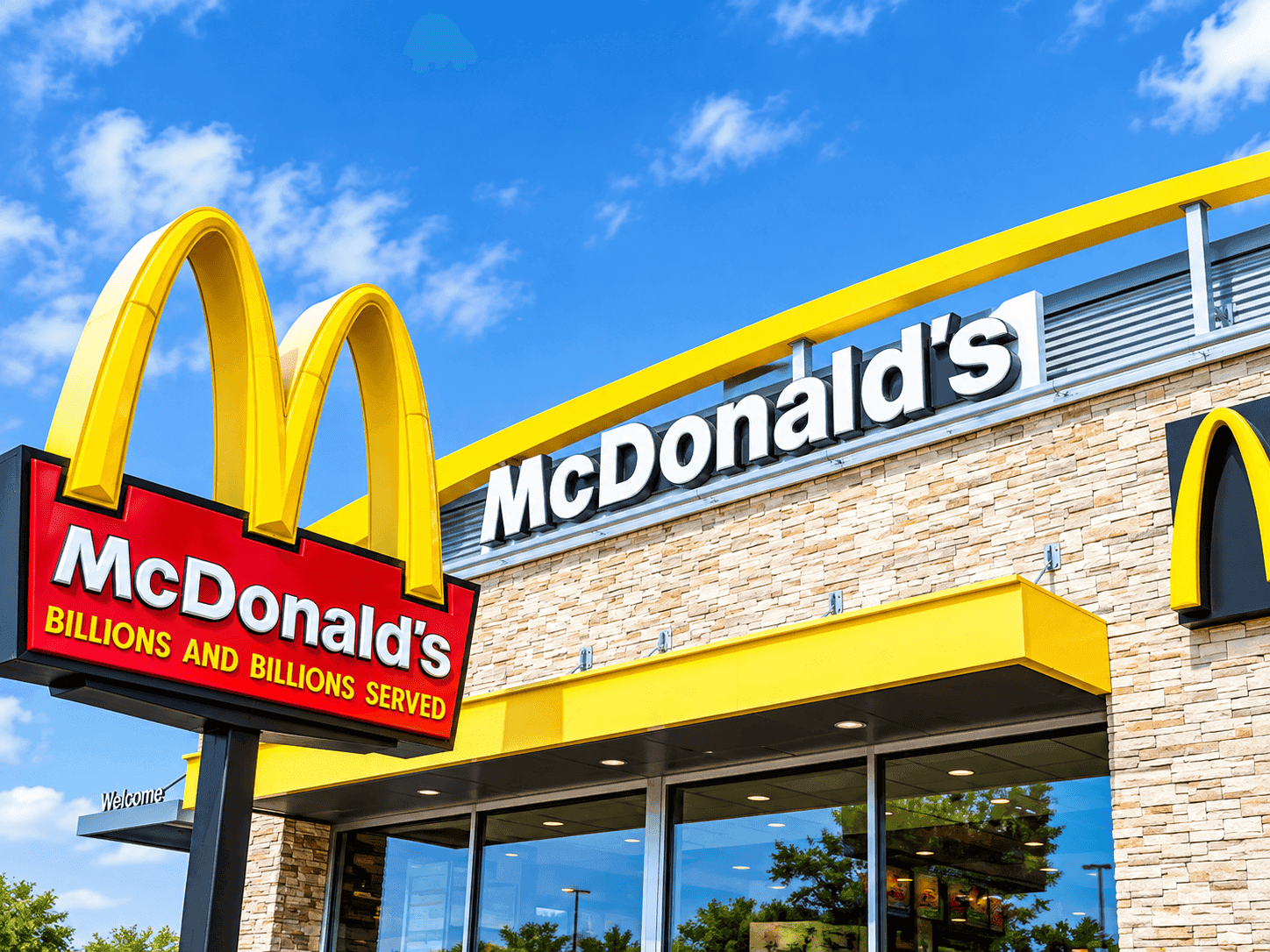
McDonald's commits $8.5 billion through 2036 to modernize restaurants, boost cash flow by $100,000 per store, and grow chicken and beverage sales.
Sep 23, 2026
WKS Restaurant Group promotes Jay Spongberg to president and COO after he helped grow the company from 65 to 382 restaurants over 16 years.
Sep 23, 2026

Smokey Mo's BBQ names Von Dawson, a Dine Brands veteran, as VP of Franchise Development to lead its Texas expansion strategy.
Sep 23, 2026
.png&w=3840&q=70)
Meritage Hospitality's Chapter 11 filing pulls 5% of Wendy's U.S. stores into bankruptcy, exposing cracks in franchising's bigger-is-safer bet.
Sep 21, 2026
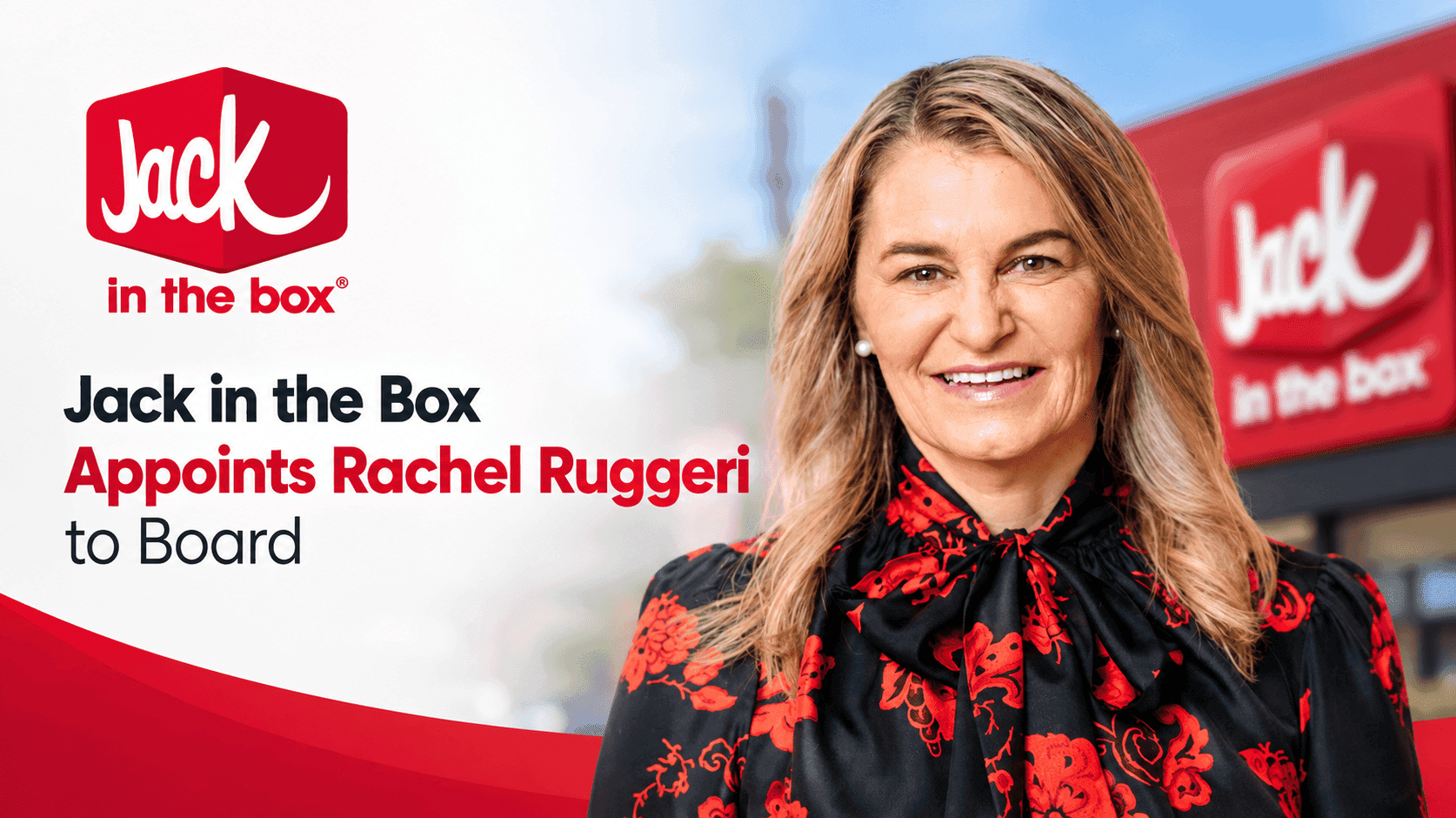
Jack in the Box names Rachel Ruggeri to its board as Michael Murphy retires, amid a CEO transition and deal with investor GreenWood.
Sep 21, 2026
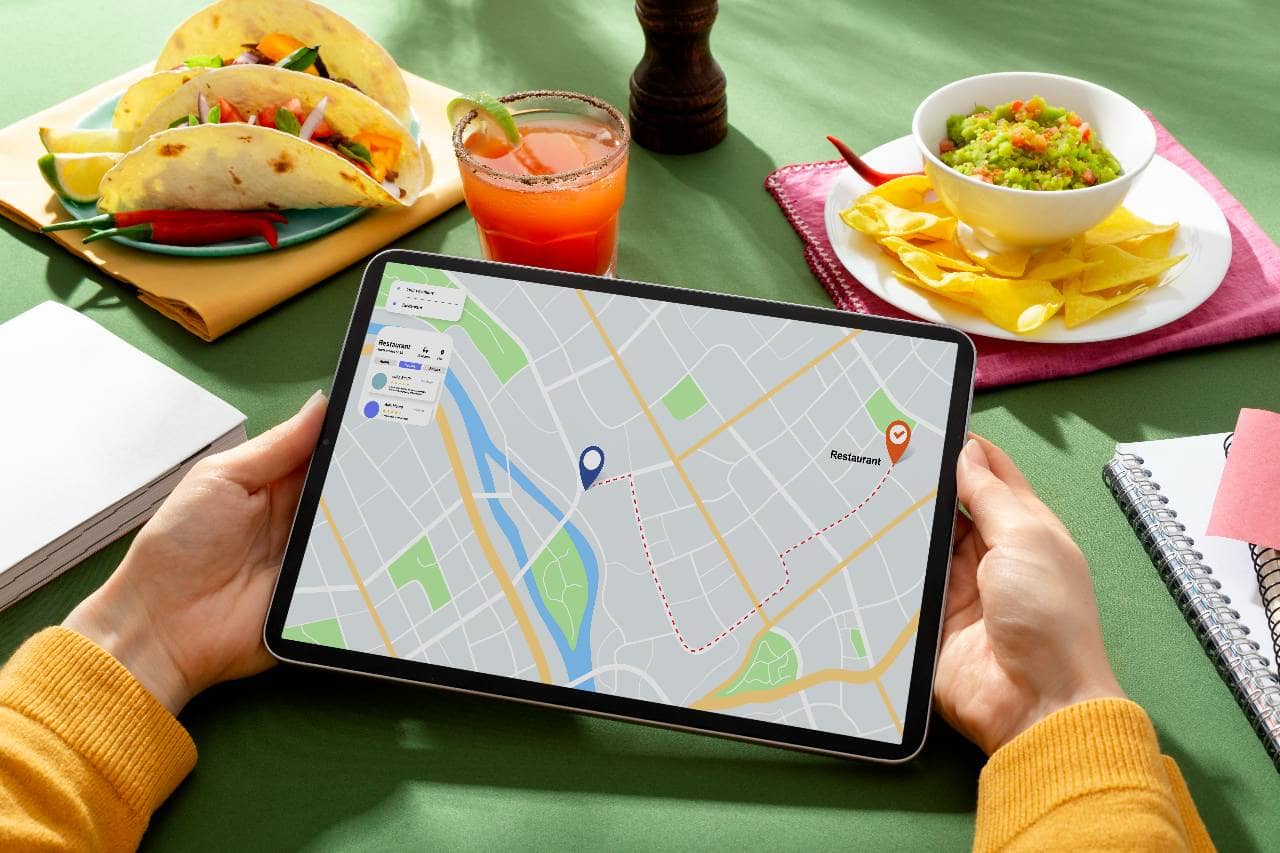
Improve restaurant Google Maps rankings by optimizing your business profile, selecting accurate categories, gathering reviews, adding photos, and strengthening local relevance signals.
Sep 21, 2026

Restaurant inventory tracking helps owners monitor stock, control food costs, reduce waste, improve purchasing, and make informed operational decisions.
Sep 21, 2026

Restaurant owners can significantly reduce restaurant costs by leveraging technology across inventory, labor, procurement, forecasting, and administrative operations for better profit margins.
Sep 18, 2026

Understand how to forecast restaurant revenue and expenses with methods for sales projection, cost scaling, fixed-cost planning, and risk buffering.
Sep 18, 2026

Unlock Exclusive Access To Webinars, Events, And The Latest News For Free!
Explore how recent regulatory changes in cities like Boston are reshaping the landscape of restaurant deliveries and ensuring safety for all stakeholders.

Photo by Ambitious Studio* | Rick Barrett
Recent regulatory changes in cities like Boston highlight a growing concern for the safety of delivery drivers and the general public. By requiring delivery companies to provide insurance coverage for their workers, these laws seek to disincentivize reckless driving practices and ensure that all stakeholders are adequately protected. The emphasis on safer driving practices, as advocated by officials like Jascha Franklin-Hodge, underscores the importance of prioritizing public safety in the delivery ecosystem.

Photo by Ambitious Studio* | Rick Barrett
While the intention behind these regulations is to enhance safety, delivery companies like DoorDash are expressing concerns about the potential impact on their operations. The opposition from these firms stems from fears of increased costs associated with providing insurance coverage to their drivers. The debate between regulatory compliance and operational efficiency presents a significant challenge for companies navigating the evolving landscape of delivery regulations.
In response to regulatory changes, delivery companies are adapting their strategies to align with new requirements while maintaining operational effectiveness. For instance, the shift towards encouraging safer driving practices can lead to innovative solutions such as incorporating driver monitoring systems or providing incentives for adherence to traffic regulations. Companies like DoorDash are likely to explore alternative measures to mitigate the potential impact of increased costs on their business models.
Photo by Ambitious Studio* | Rick Barrett