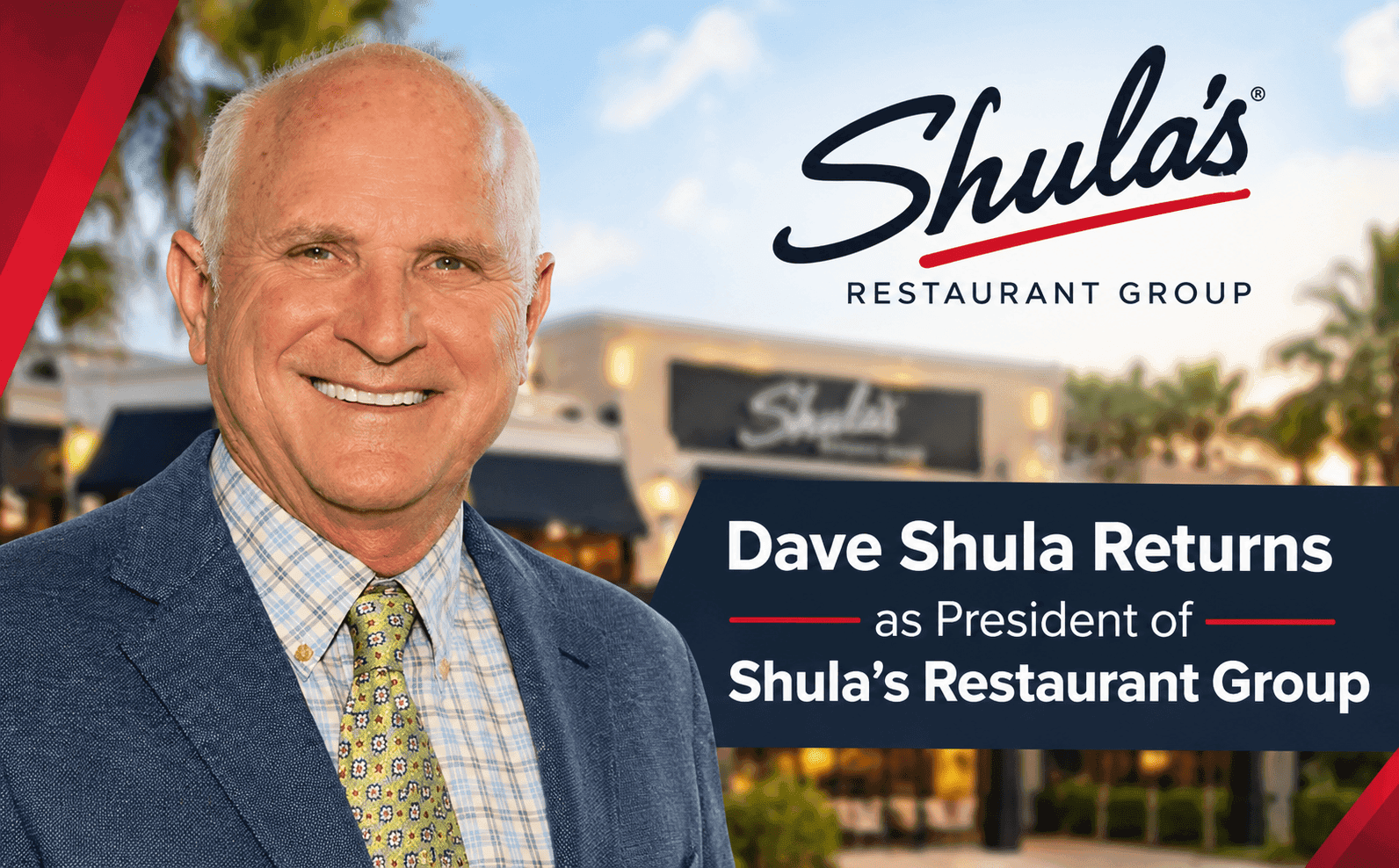
Dave Shula Returns as President of Shula's Restaurant Group
Dave Shula rejoins Shula's Restaurant Group as president, leading growth into Palm Beach Gardens and a 2027 Thomasville, Georgia expansion.
News
Sep 23, 2026
Dave Shula rejoins Shula's Restaurant Group as president, leading growth into Palm Beach Gardens and a 2027 Thomasville, Georgia expansion.
Sep 23, 2026
McDonald's commits $8.5 billion through 2036 to modernize restaurants, boost cash flow by $100,000 per store, and grow chicken and beverage sales.
Sep 23, 2026
WKS Restaurant Group promotes Jay Spongberg to president and COO after he helped grow the company from 65 to 382 restaurants over 16 years.
Sep 23, 2026

Smokey Mo's BBQ names Von Dawson, a Dine Brands veteran, as VP of Franchise Development to lead its Texas expansion strategy.
Sep 23, 2026
.png&w=3840&q=70)
Meritage Hospitality's Chapter 11 filing pulls 5% of Wendy's U.S. stores into bankruptcy, exposing cracks in franchising's bigger-is-safer bet.
Sep 21, 2026
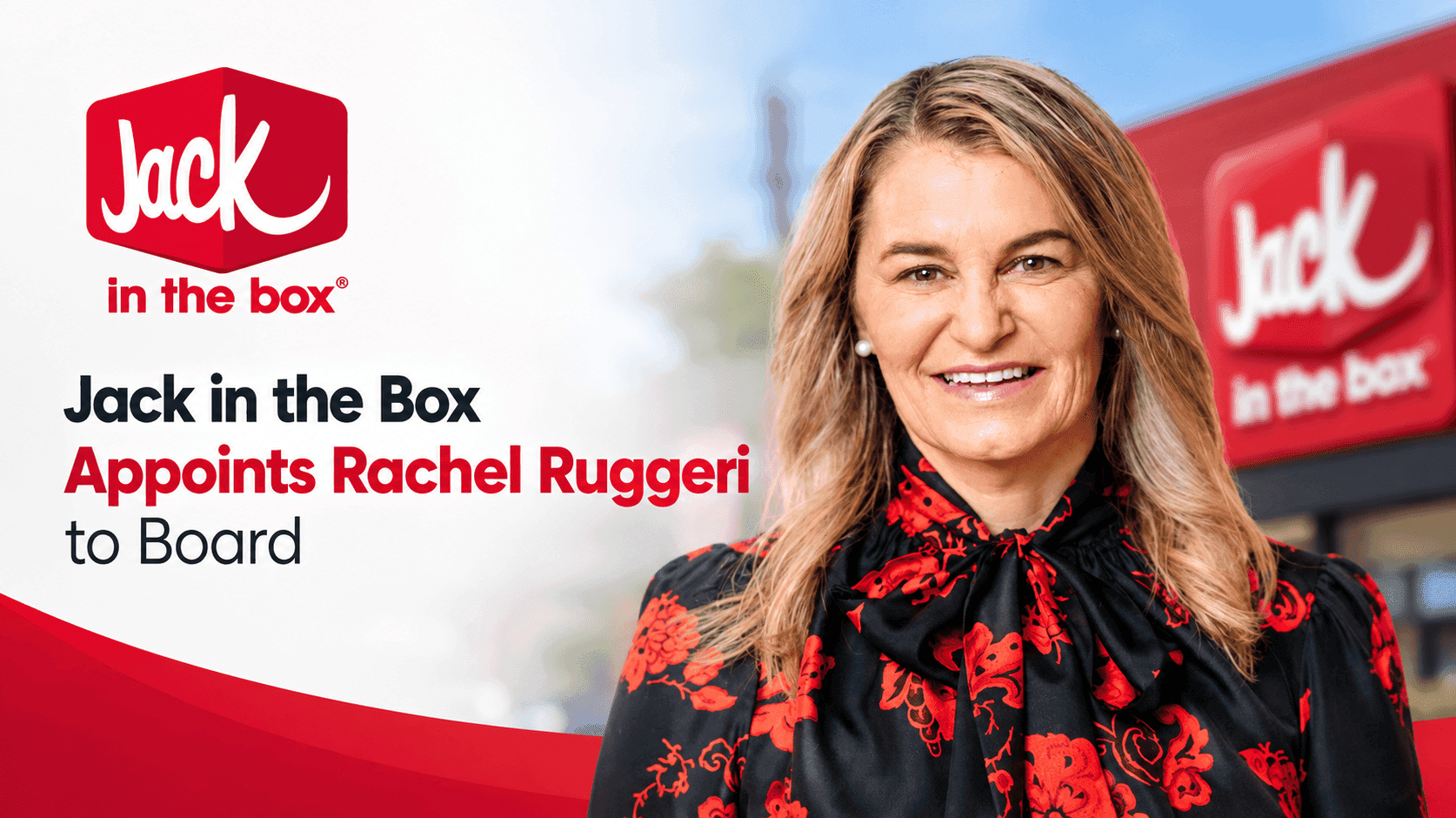
Jack in the Box names Rachel Ruggeri to its board as Michael Murphy retires, amid a CEO transition and deal with investor GreenWood.
Sep 21, 2026
Improve restaurant Google Maps rankings by optimizing your business profile, selecting accurate categories, gathering reviews, adding photos, and strengthening local relevance signals.
Sep 21, 2026

Restaurant inventory tracking helps owners monitor stock, control food costs, reduce waste, improve purchasing, and make informed operational decisions.
Sep 21, 2026

Restaurant owners can significantly reduce restaurant costs by leveraging technology across inventory, labor, procurement, forecasting, and administrative operations for better profit margins.
Sep 18, 2026

Understand how to forecast restaurant revenue and expenses with methods for sales projection, cost scaling, fixed-cost planning, and risk buffering.
Sep 18, 2026

Unlock Exclusive Access To Webinars, Events, And The Latest News For Free!
Understand the compensation gaps between CEOs and median workers in top fast food chains. Explore how major companies justify these wage disparities.

Photo by Dominik Martin
In the fast food industry, the disparity between CEO compensation and median worker pay has been a topic of intense debate. Major restaurant chains like Starbucks, Chipotle, McDonald’s, and others have come under scrutiny for the significant gaps in earnings between their top executives and the average employee. These discrepancies are often highlighted through the CEO-to-worker pay ratios, revealing staggering figures like 6,666 to 1, 1,354 to 1, and 1,440 to 1, among others in different companies.
While companies argue that high CEO pay is necessary to attract and retain top talent, critics view these wage gaps as unjust and unsustainable. The rationale behind such large differentials often revolves around perceived value, expertise, and responsibilities associated with executive roles. However, activists and labor unions have criticized these practices, advocating for fairer wages and better working conditions for employees at all levels.
Starbucks and Chipotle serve as notable examples in the fast food sector where CEO compensation has raised eyebrows. The hires of executives like Brian Niccol, with multi-million dollar compensation packages, have sparked discussions about equity and fairness in wage distribution within these companies. Starbucks Workers United's push for higher minimum wages reflects the grassroots movements seeking to address income inequality within the industry.
The wide salary gaps between CEOs and median workers in fast-food chains can have far-reaching effects beyond financial implications. Employees, aware of these disparities, might feel demotivated or undervalued, impacting their morale and productivity. Moreover, such discrepancies can tarnish a company's public image, especially in an era where corporate social responsibility and ethical business practices are under increased scrutiny.

Photo by Dominik Martin