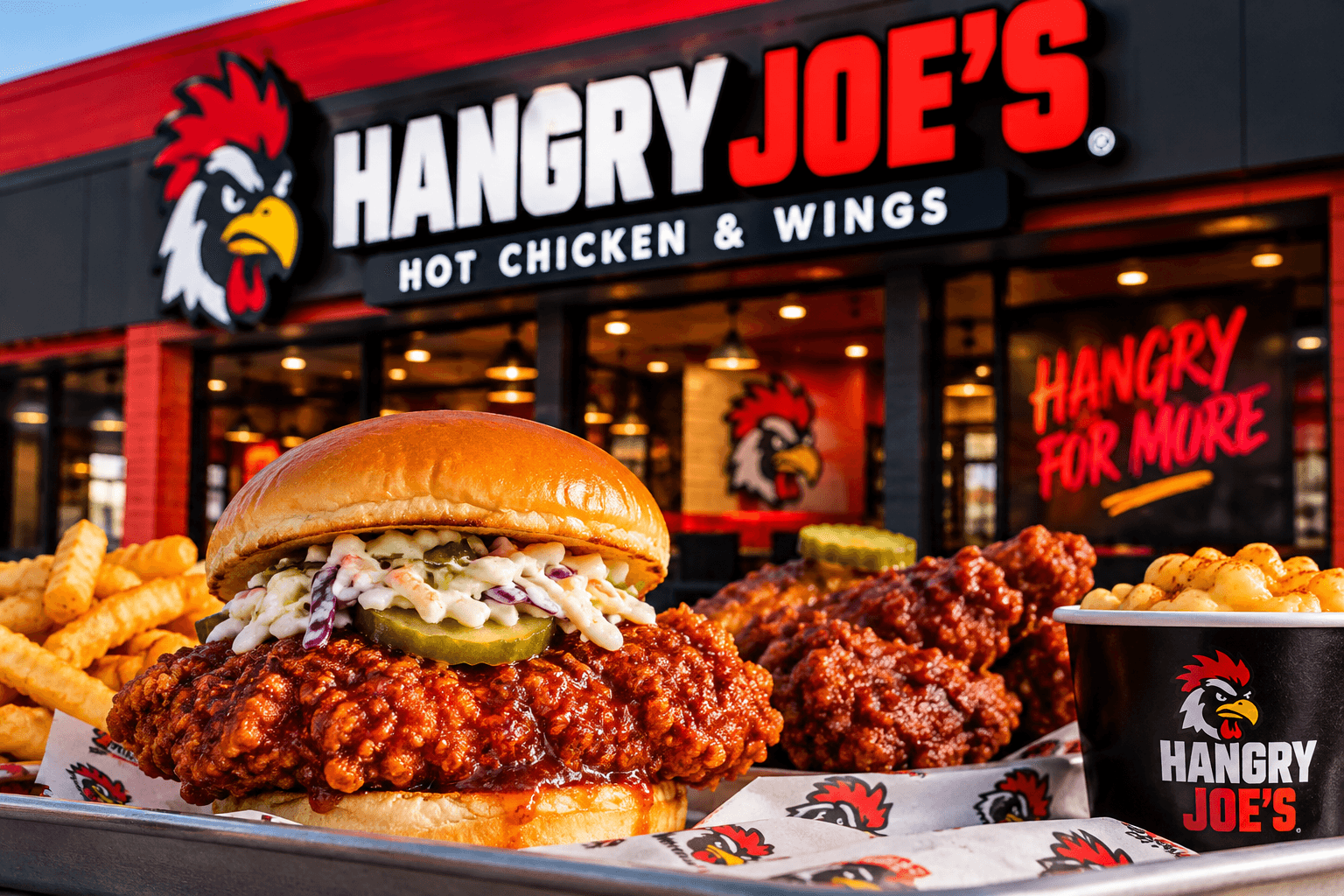
Hangry Joe's Names Brandon Wilhelm as New CEO
Hangry Joe's promotes insider Brandon Wilhelm to CEO, prioritizing franchisee profitability over rapid unit growth as the chain expands past 90 locations.
Franchising
Oct 6, 2026
Hangry Joe's promotes insider Brandon Wilhelm to CEO, prioritizing franchisee profitability over rapid unit growth as the chain expands past 90 locations.
Oct 6, 2026

Portillo's chief people officer Jill Waite departs as new CEO Brett Patterson reshapes leadership with layoffs and fresh executive hires.
Oct 6, 2026

Uber is paying $2.3 billion to acquire ezCater, merging its catering network into Uber Eats and Uber for Business to enter workplace catering.
Oct 6, 2026

A new lawsuit claims McDonald's pricing tool pressures franchisees into algorithmic price-fixing, raising fresh antitrust questions for the chain.
Oct 6, 2026

True Food Kitchen filed for Chapter 11 bankruptcy, closing 12 locations and shrinking to 34 restaurants across 14 states amid $42.1 million in debt.
Oct 5, 2026

Snooze Eatery names industry veteran Amy Hom as COO, starting Sept. 28, to strengthen hospitality and operations ahead of its next growth phase.
Oct 5, 2026

Restaurants can control operating costs by tracking food, labor, rent, utilities, technology, marketing, and other expenses against sales.
Oct 5, 2026

Opening a second restaurant location requires readiness, clear goals, financial planning, funding, smart strategy, standardized operations, strong teams, and careful launch monitoring for sustainable growth.
Sep 30, 2026

Improve restaurant visibility with local SEO by optimizing Google Business Profile, targeting local keywords, managing reviews, and maintaining accurate online information.
Oct 5, 2026

Evaluate restaurant industry performance in Q3 2026 through key trends affecting restaurant sales, traffic, consumer spending, labor, costs, and technology.
Oct 2, 2026

Unlock Exclusive Access To Webinars, Events, And The Latest News For Free!
Explore the recent actions by the FTC to address unfair and deceptive practices in franchising, highlighting the impact on franchisees and the industry.

Photo by Campaign Creators
The Federal Trade Commission (FTC) recently unveiled a series of measures aimed at curbing unfair and deceptive practices within the franchising industry. One significant aspect of this initiative is the mandate that franchisors must disclose all fees upfront to franchisees to prevent the imposition of undisclosed charges. These undisclosed fees, often referred to as 'junk fees,' can significantly impact a franchisee’s profitability and operational efficiency.

Photo by Campaign Creators
Franchisees have long voiced concerns regarding surprise fees such as payment processing, technology fees, training expenses, and property improvement fees. The FTC's crackdown on these undisclosed costs aims to foster transparency and prevent practices that burden franchisees with unexpected financial burdens. Moreover, the FTC emphasized the illegality of contract clauses that inhibit franchisees from reporting potential legal violations, safeguarding their ability to seek recourse without fear of retribution.
The FTC's 'Franchise Issue Spotlight' highlighted several pressing issues raised by franchisees, shedding light on the challenges and vulnerabilities faced within the franchise business model. From unilateral changes to operating manuals to concerns over high fees, royalties, and vendor kickbacks, franchisees expressed a range of grievances that impact their operational viability and financial stability.
Industry experts, such as Keith Miller of Franchisee Advocacy Consulting, welcomed the FTC's actions as a crucial step towards promoting fair franchising practices. Miller underscored the detrimental impact of undisclosed fees on franchisee margins and overall business operations, emphasizing the importance of protecting the primary investors in franchising. Additionally, the International Franchise Association advocated for responsible franchising policies to enhance transparency and clarify obligations in franchise agreements.

Photo by Campaign Creators
While the FTC's crackdown has garnered support from advocates of franchisee rights, some industry leaders, like Matthew Haller of the International Franchise Association, have raised concerns about potential limitations on innovation and growth within the franchising sector. Haller stressed the need for balanced enforcement that supports both franchisees and franchisors, promoting transparency without stifling industry progress. The call for collaboration between regulatory bodies, industry stakeholders, and advocacy groups remains crucial in shaping the future of franchising practices.