Hotworx Expands to Alaska with Wasilla Studio
Mother-daughter duo Ciara Boyce and Tracey Pidge bring Hotworx to Wasilla, the first of four Alaska studios, extending a fast-growing 800+ location brand.
franchising
Jul 16, 2026
Mother-daughter duo Ciara Boyce and Tracey Pidge bring Hotworx to Wasilla, the first of four Alaska studios, extending a fast-growing 800+ location brand.
Jul 16, 2026

One of the largest U.S. Cyclospora outbreaks hits 34 states; Taco Bell pulls produce in Michigan as FDA and CDC trace the source.
Jul 16, 2026

Chick-fil-A will refresh 200+ multi-sensory playgrounds by 2026 to boost dine-in traffic and loyalty, adding app content and toys as rivals upgrade experiences.
Jul 16, 2026

Ex-consultant Michael Creatore acquires six Mold Medics territories across central Ohio, partnering with Threshold Brands amid a growing mold remediation market.
Jul 16, 2026

Pizza Hut launches a Throwback Value Menu, app rewards, and a streetwear drop as ownership shifts and the brand bets on nostalgia to steady sales.
Jul 16, 2026
Discover how Wingstop soared past competitors to become the nation’s fastest-growing restaurant chain, outpacing industry leaders and expanding its national footprint with impressive resilience and strategic moves.
Jul 16, 2026

Wonder’s $650 million funding round at a $9 billion valuation signals a new era in restaurant tech, expansion, and automation. Here’s what operators need to know.
Jul 16, 2026
Chipotle’s $1 million burrito giveaway during the World Cup final hydration break takes fan engagement and promotional creativity to new heights, setting a best-in-class example for restaurant marketers.
Jul 16, 2026
Domino's adds strategic expertise to its Board by appointing leaders from major brands. Learn what this means for restaurant owners' competitive growth.
Jul 16, 2026
PrimoHoagies taps franchise marketing veteran Madalyn Weintraub as VP of Marketing to champion its authentic brand story and fuel nationwide expansion.
Jul 16, 2026
Perishable goods, such as produce, dairy products, and raw meats, require proper transportation methods that will guarantee their freshness.

Perishable goods, such as produce, dairy products, and raw meats, require proper transportation methods that will guarantee their freshness. Restaurants need to keep these products in excellent condition so that they can serve their customers with high-quality and safe foods. To minimize the risk of spoilage during the movement of perishable goods, eateries and distributors need to ensure that proper requirements are established and specialized protocols are followed.

Perishable goods are products that have a short lifetime, meaning they can easily or quickly expire. These items include dairy, meat, seafood, vegetables, fruits, and flowers. They generally deteriorate due to time, environmental conditions, and poor temperature storage. Consumption of mishandled goods can affect the overall quality of a dish and can lead to the spread of food-borne illnesses. Perishable products must be cautiously and efficiently transported to their locations to preserve their condition. By doing so, food service businesses will minimize food waste, costs, and damages to their reputation.
Depending on the goods and the location it is from, businesses can transport perishable goods using 3 key methods.
Ground transportation refers to when a truck or train delivers products. When using truck transportation, the internal temperature is maintained using ice or dry ice. On the other hand, trains carrying perishable goods use isolated lining and have integrated refrigeration systems to control the storage temperature.

Using airplanes is considered the best option for transporting perishables. Airports typically have a designated space with controllable refrigerated chambers and freezers for perishable goods. This area is also guarded at all times by specialized airport staff who will make sure the products are maintained at the best temperature. Most commonly, fresh products and frozen goods, such as concentrated fruit juice, are transported by air.
Perishable goods can also be moved using refrigerated ships that are equipped with systems that promote air circulation. Products can also be shipped in reefers, which are refrigerated containers. When transporting products by the ocean, operators need to complete a temperature requirement sheet to indicate the appropriate temperature the goods need to be kept at.
To ensure that perishable products are properly and effectively processed and transported, administrators need to consider 5 key factors.
Warehouse staff and transportation partners must be aware of what kinds of products they are handling and their specific shipping requirements. Having full product knowledge will allow for safe and seamless delivery of perishable goods. The most essential information that warehouse and transportation teams must know is

Choosing a reliable transportation provider is highly important, as they will take the appropriate steps to maintain the quality of the products. To find a trustworthy and productive transporter, executives should conduct comprehensive research into their options. Some key questions to ask about the provider are
Moving perishables is time-sensitive; therefore, businesses must communicate the correct information to transporters before products are shipped. This will ensure a seamless and efficient delivery. Transportation providers should be informed of the route they need to take, the destination location, and transit time expectations. It is key to outline and document requirements in a contract with the shipper to ensure that both parties mutually agree with the established terms.
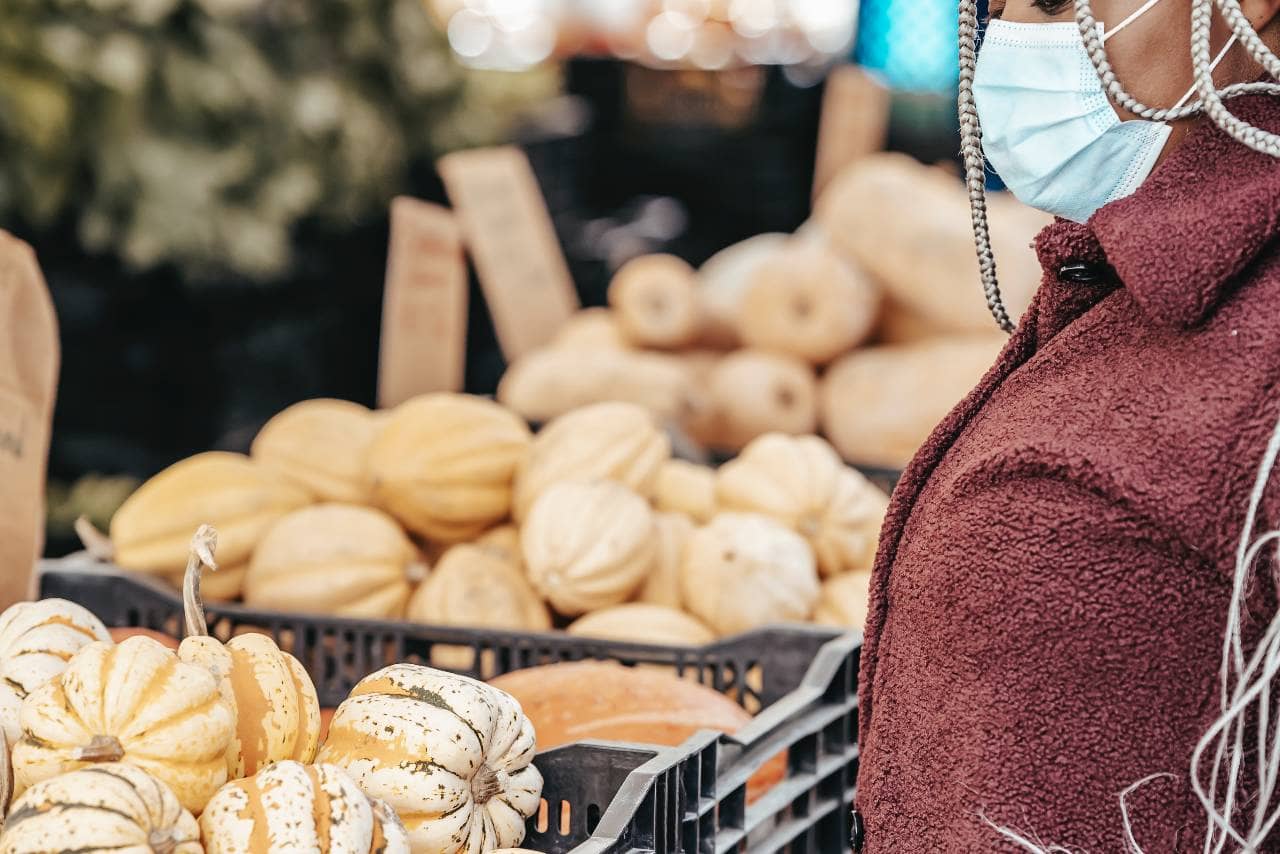
Proper labeling and packaging techniques should be established to make sure that perishable items can be identified and handled correctly. If a business has specific requirements regarding labels, they must communicate them to their transportation providers.
Perishable goods, as well as its transportation, can be costly for businesses because it requires quick deliveries and careful management. If the products become spoiled on the way to their destination, the company will not only end up with unfit goods, but they will also lose out on potential sales. It is important to get insurance coverage for the purchase order in case such an event occurs. With an adequate policy, businesses will have financial support and will not have to risk the economic burdens if products are delivered in poor condition.
With careful preparation and effective management, foodservice businesses can improve the transportation of perishable goods and guarantee high-quality products to satisfy their customer's demands.