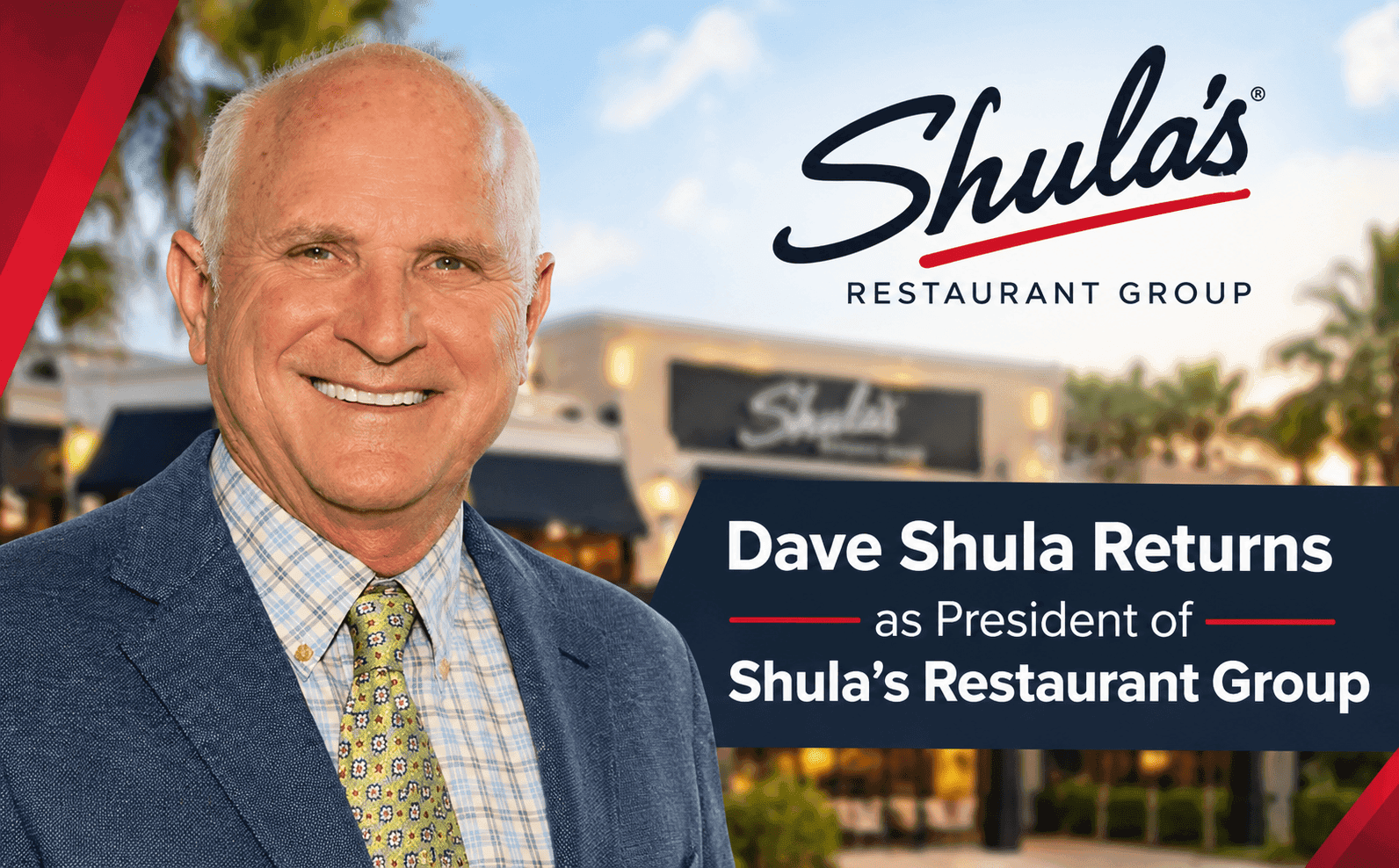
Dave Shula Returns as President of Shula's Restaurant Group
Dave Shula rejoins Shula's Restaurant Group as president, leading growth into Palm Beach Gardens and a 2027 Thomasville, Georgia expansion.
News
Sep 23, 2026
Dave Shula rejoins Shula's Restaurant Group as president, leading growth into Palm Beach Gardens and a 2027 Thomasville, Georgia expansion.
Sep 23, 2026
McDonald's commits $8.5 billion through 2036 to modernize restaurants, boost cash flow by $100,000 per store, and grow chicken and beverage sales.
Sep 23, 2026
WKS Restaurant Group promotes Jay Spongberg to president and COO after he helped grow the company from 65 to 382 restaurants over 16 years.
Sep 23, 2026

Smokey Mo's BBQ names Von Dawson, a Dine Brands veteran, as VP of Franchise Development to lead its Texas expansion strategy.
Sep 23, 2026
.png&w=3840&q=70)
Meritage Hospitality's Chapter 11 filing pulls 5% of Wendy's U.S. stores into bankruptcy, exposing cracks in franchising's bigger-is-safer bet.
Sep 21, 2026

Jack in the Box names Rachel Ruggeri to its board as Michael Murphy retires, amid a CEO transition and deal with investor GreenWood.
Sep 21, 2026
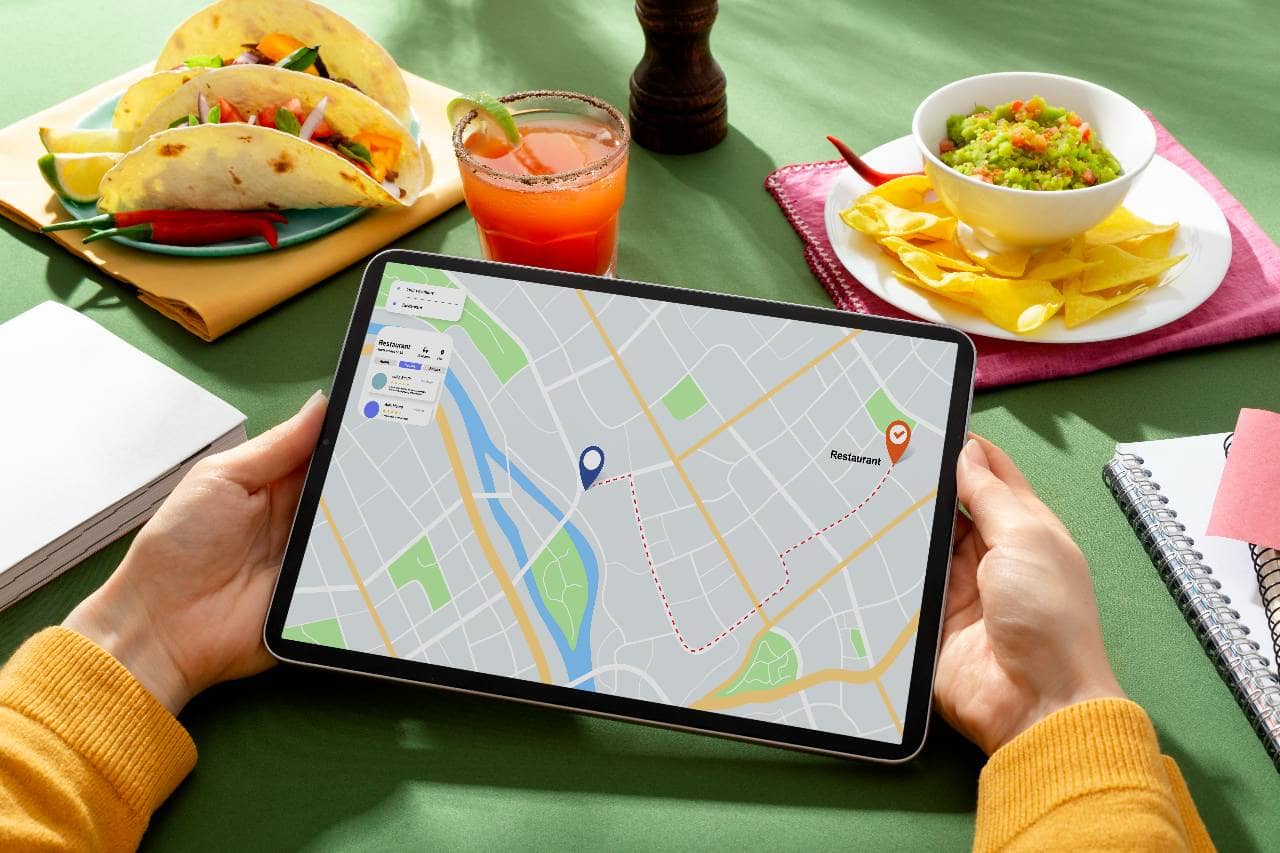
Improve restaurant Google Maps rankings by optimizing your business profile, selecting accurate categories, gathering reviews, adding photos, and strengthening local relevance signals.
Sep 21, 2026

Restaurant inventory tracking helps owners monitor stock, control food costs, reduce waste, improve purchasing, and make informed operational decisions.
Sep 21, 2026

Restaurant owners can significantly reduce restaurant costs by leveraging technology across inventory, labor, procurement, forecasting, and administrative operations for better profit margins.
Sep 18, 2026

Understand how to forecast restaurant revenue and expenses with methods for sales projection, cost scaling, fixed-cost planning, and risk buffering.
Sep 18, 2026

Unlock Exclusive Access To Webinars, Events, And The Latest News For Free!
Explore the recent changes in U.S. trade policies, including tariffs on China and their impact on the global economy. Understand the implications of the ongoing trade war and its consequences on international trade.

Photo by Ian Taylor
The recent announcement by President Donald Trump regarding the pause in most country-specific tariffs for 90 days coupled with the significant increase in duties on imports from China to 125% has sparked discussions worldwide. While the majority of countries will maintain a 10% baseline tariff, sector-specific tariffs are set to remain in place, signifying a complex shift in U.S. trade policy dynamics.

Photo by Ian Taylor
Canada and Mexico, despite their established trade relationships with the U.S., face the burden of a 25% tariff on non-USMCA-compliant goods. Additionally, sector-specific duties on vital products like steel, aluminum, and automotive goods are still enforced, impacting the economic ties between these countries and the U.S.
The decision to pause reciprocal tariffs by President Trump reflects a strategic approach amidst increasing engagement with over 75 countries seeking trade negotiations. Notably, countries like Japan, Vietnam, South Korea, and India are positioned prominently in this negotiation landscape. Nevertheless, the ongoing trade war escalation with China paints a contrasting picture, with both countries imposing substantial tariffs on each other, setting the stage for intensified economic strain.

Photo by Ian Taylor
The tit-for-tat approach in tariffs between the U.S. and China, accounting for a significant portion of global trade, poses severe risks to the global economic outlook. The potential reduction in merchandise trade between these giants, as per projections by the World Trade Organization, could lead to a substantial decrease in the global real gross domestic product, painting a grim picture for international trade.