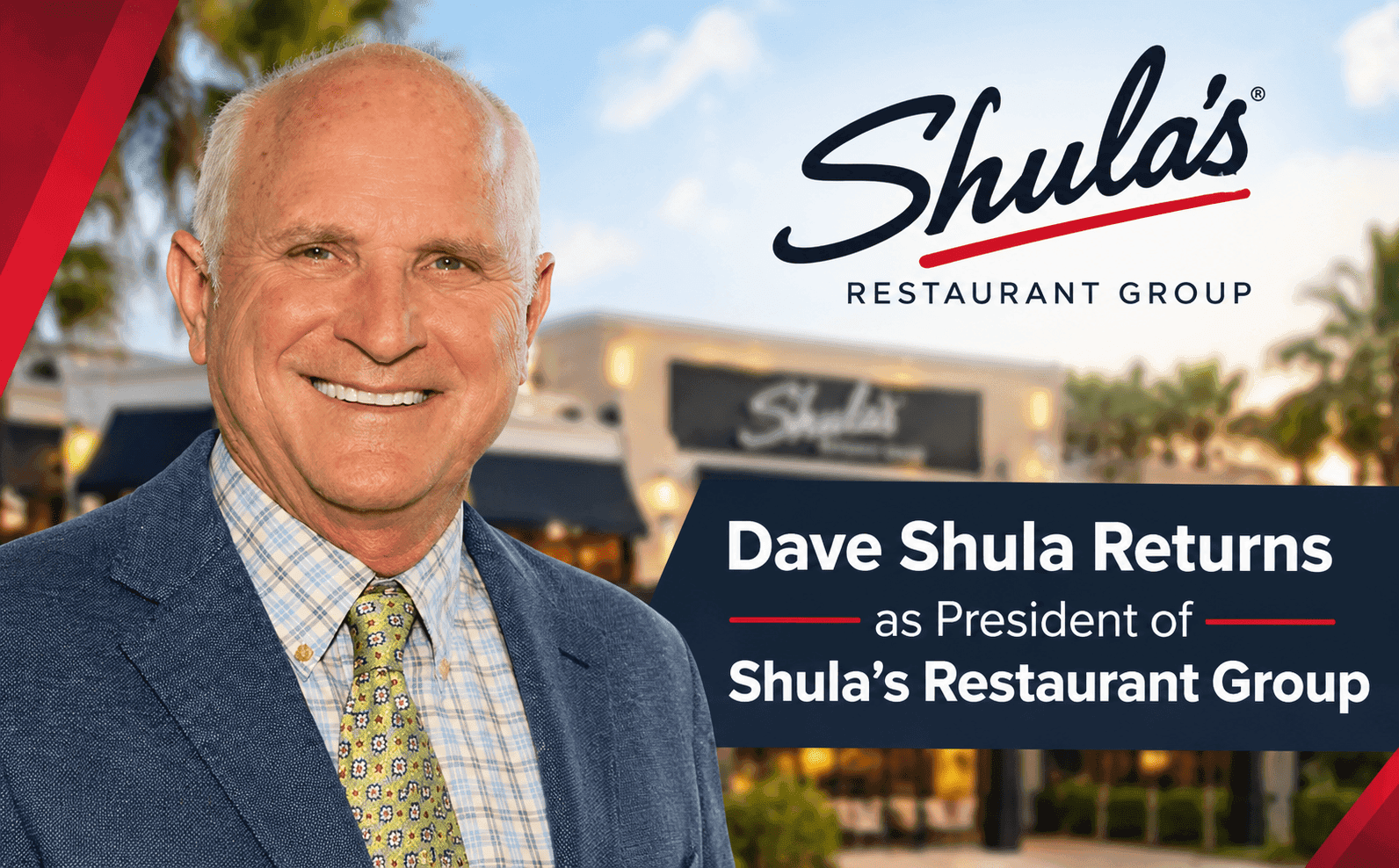
Dave Shula Returns as President of Shula's Restaurant Group
Dave Shula rejoins Shula's Restaurant Group as president, leading growth into Palm Beach Gardens and a 2027 Thomasville, Georgia expansion.
News
Sep 23, 2026
Dave Shula rejoins Shula's Restaurant Group as president, leading growth into Palm Beach Gardens and a 2027 Thomasville, Georgia expansion.
Sep 23, 2026
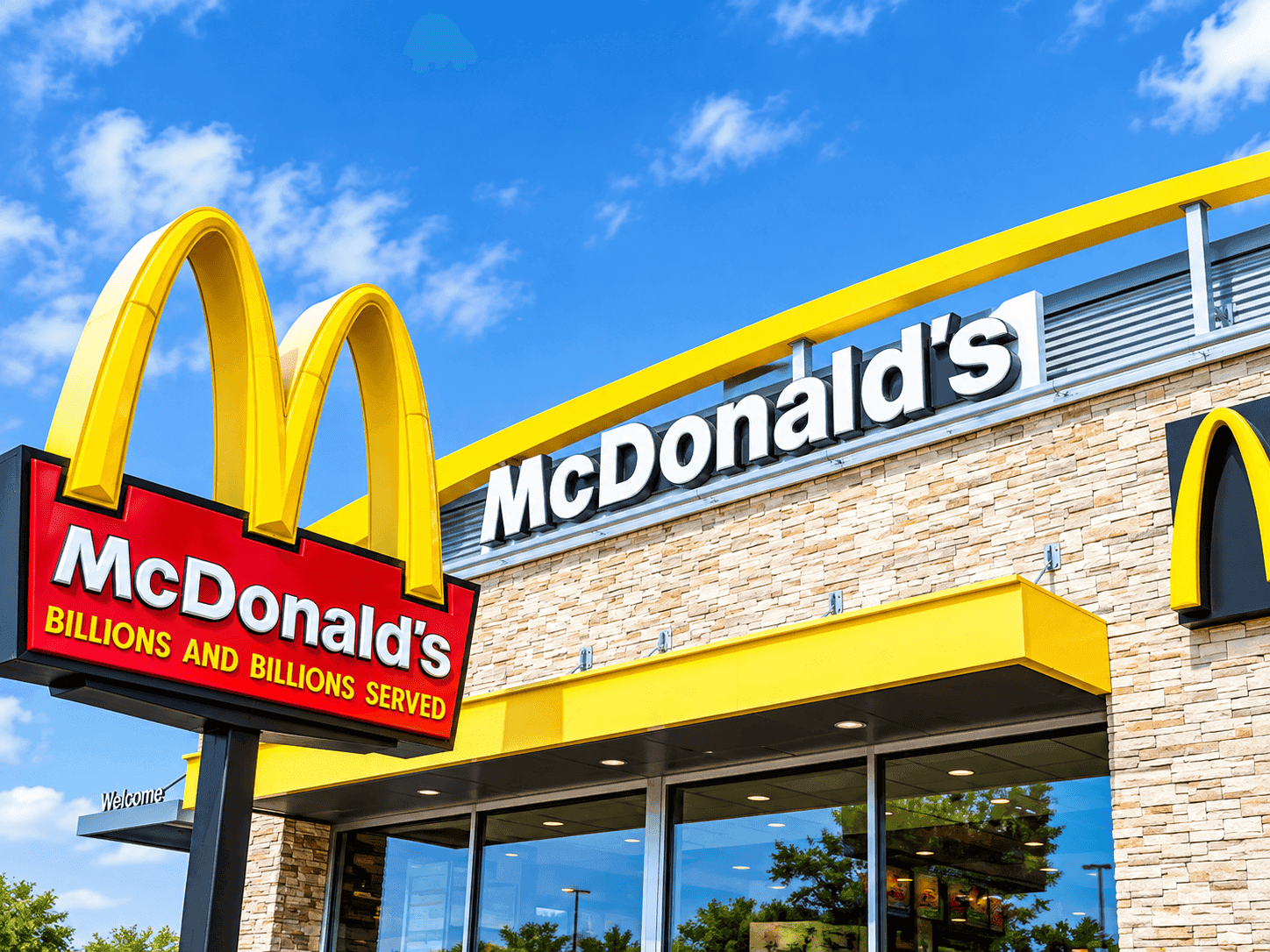
McDonald's commits $8.5 billion through 2036 to modernize restaurants, boost cash flow by $100,000 per store, and grow chicken and beverage sales.
Sep 23, 2026
WKS Restaurant Group promotes Jay Spongberg to president and COO after he helped grow the company from 65 to 382 restaurants over 16 years.
Sep 23, 2026

Smokey Mo's BBQ names Von Dawson, a Dine Brands veteran, as VP of Franchise Development to lead its Texas expansion strategy.
Sep 23, 2026
.png&w=3840&q=70)
Meritage Hospitality's Chapter 11 filing pulls 5% of Wendy's U.S. stores into bankruptcy, exposing cracks in franchising's bigger-is-safer bet.
Sep 21, 2026
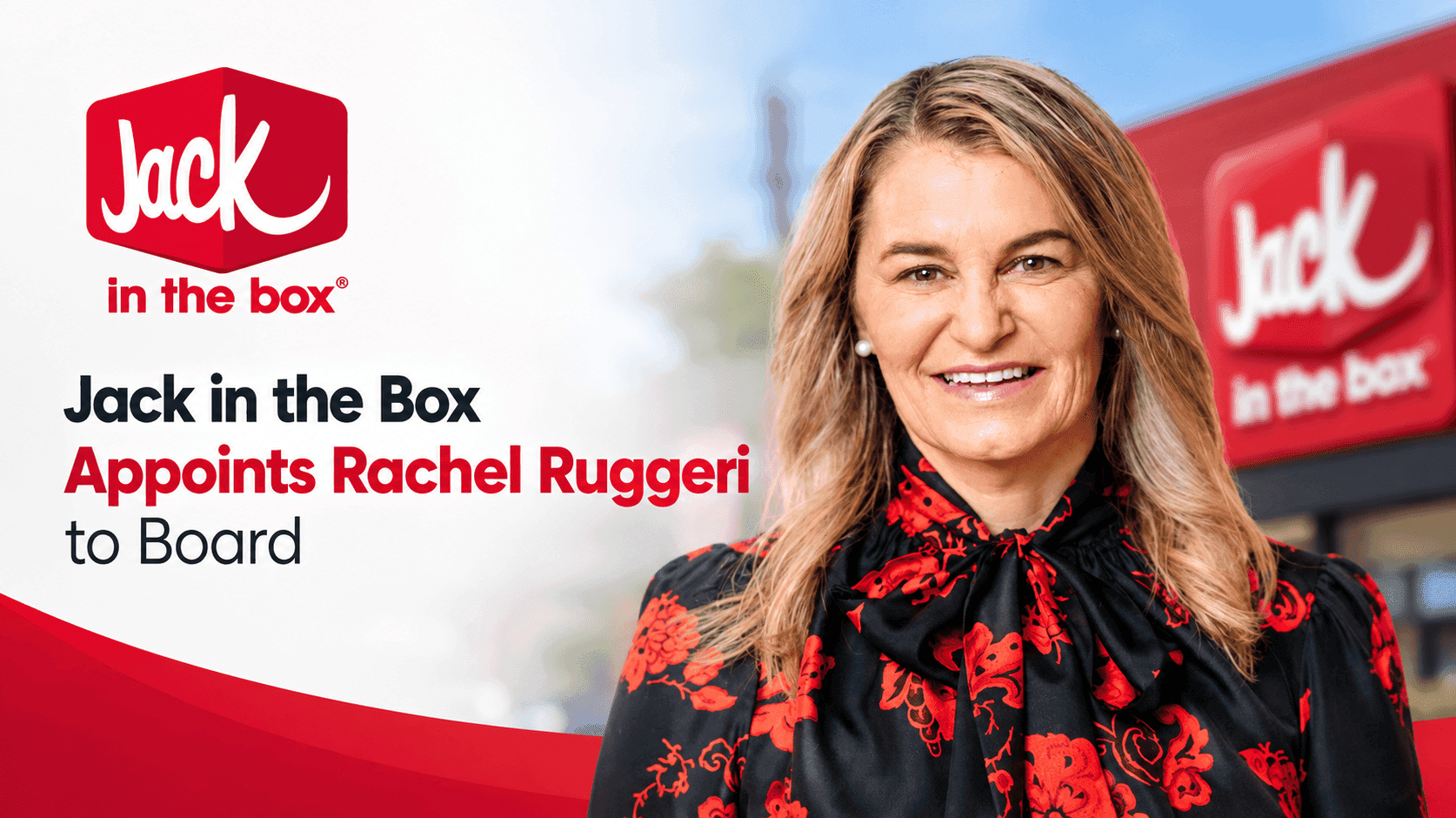
Jack in the Box names Rachel Ruggeri to its board as Michael Murphy retires, amid a CEO transition and deal with investor GreenWood.
Sep 21, 2026
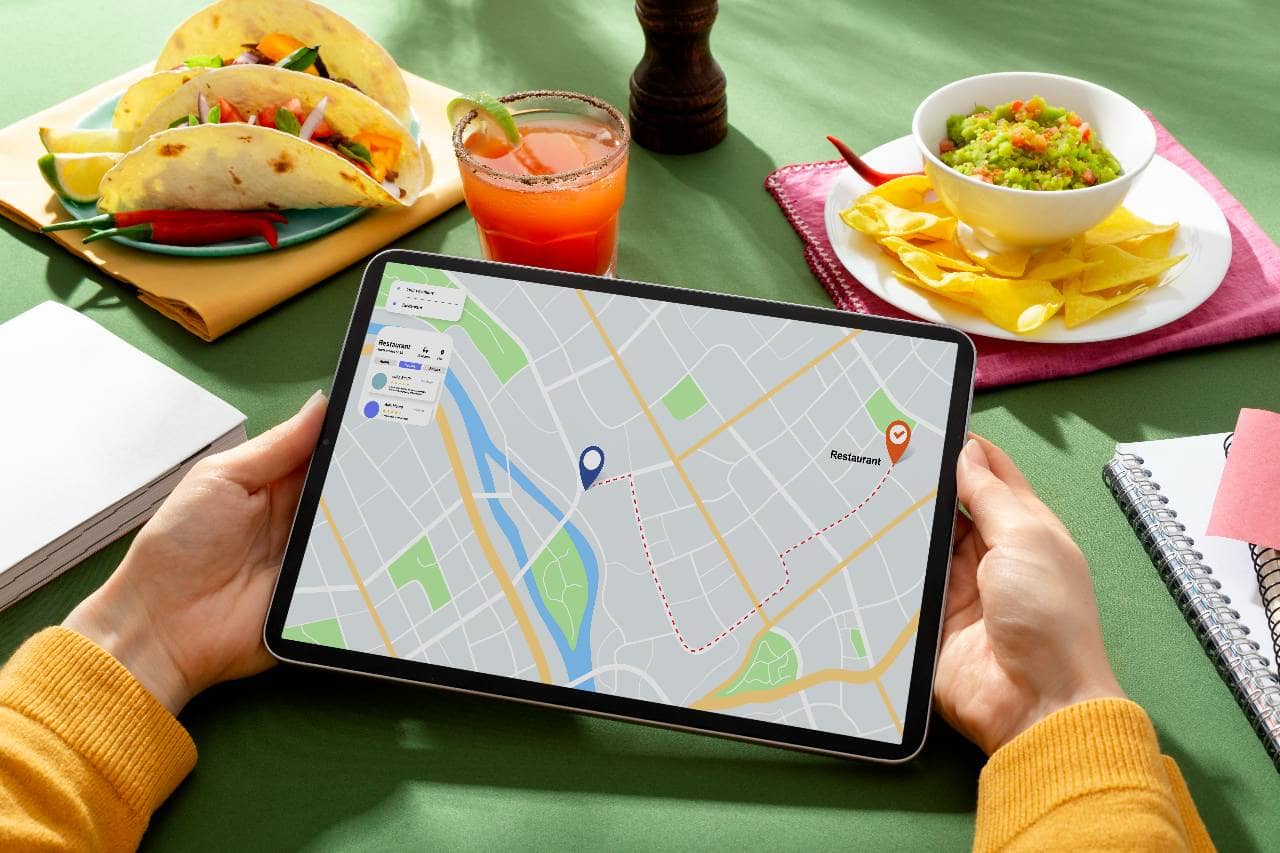
Improve restaurant Google Maps rankings by optimizing your business profile, selecting accurate categories, gathering reviews, adding photos, and strengthening local relevance signals.
Sep 21, 2026

Restaurant inventory tracking helps owners monitor stock, control food costs, reduce waste, improve purchasing, and make informed operational decisions.
Sep 21, 2026

Restaurant owners can significantly reduce restaurant costs by leveraging technology across inventory, labor, procurement, forecasting, and administrative operations for better profit margins.
Sep 18, 2026

Understand how to forecast restaurant revenue and expenses with methods for sales projection, cost scaling, fixed-cost planning, and risk buffering.
Sep 18, 2026

Unlock Exclusive Access To Webinars, Events, And The Latest News For Free!
Explore how Starbucks is enhancing its operational strategies, addressing employee concerns, and adapting to changing customer preferences.
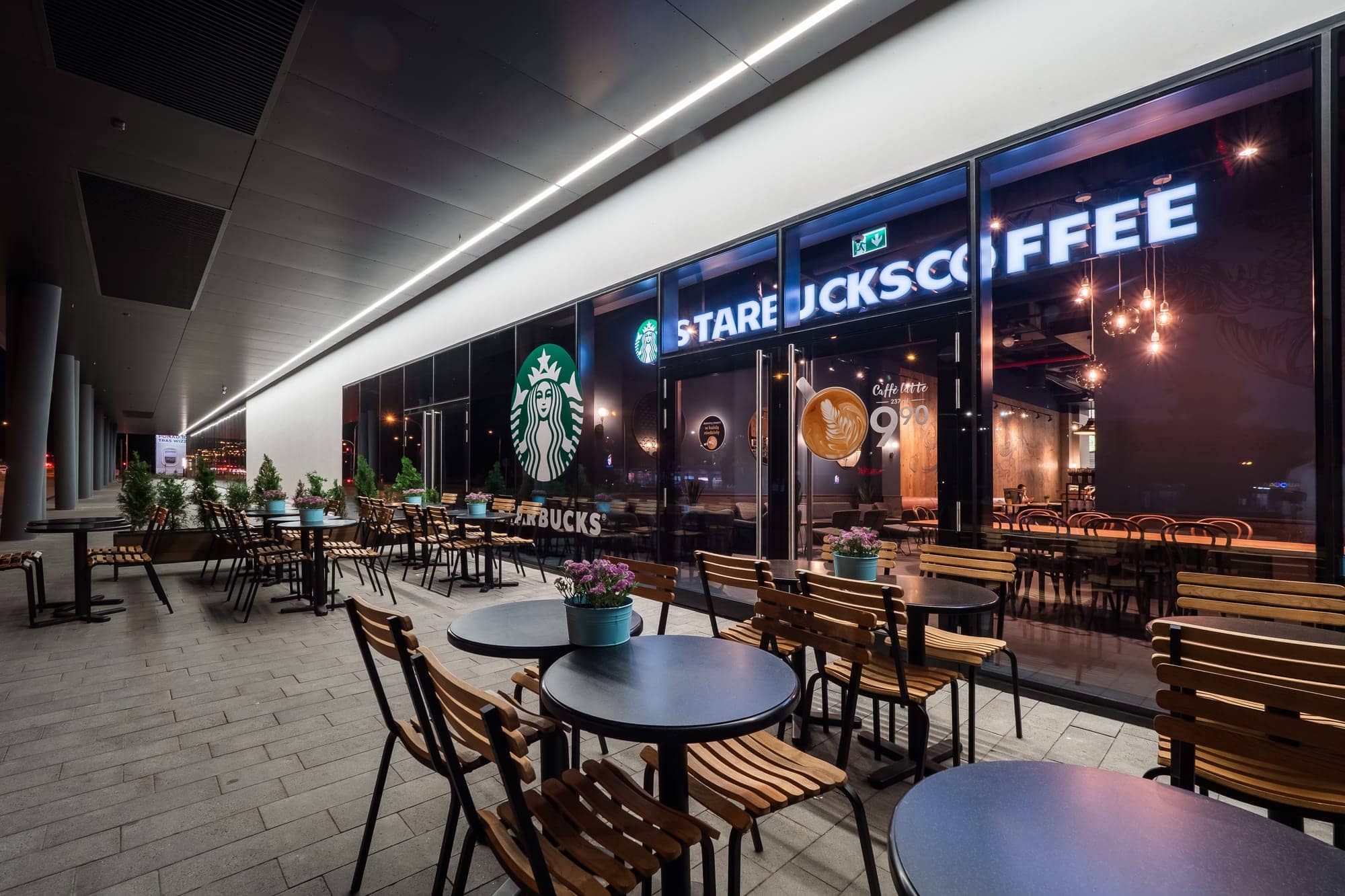
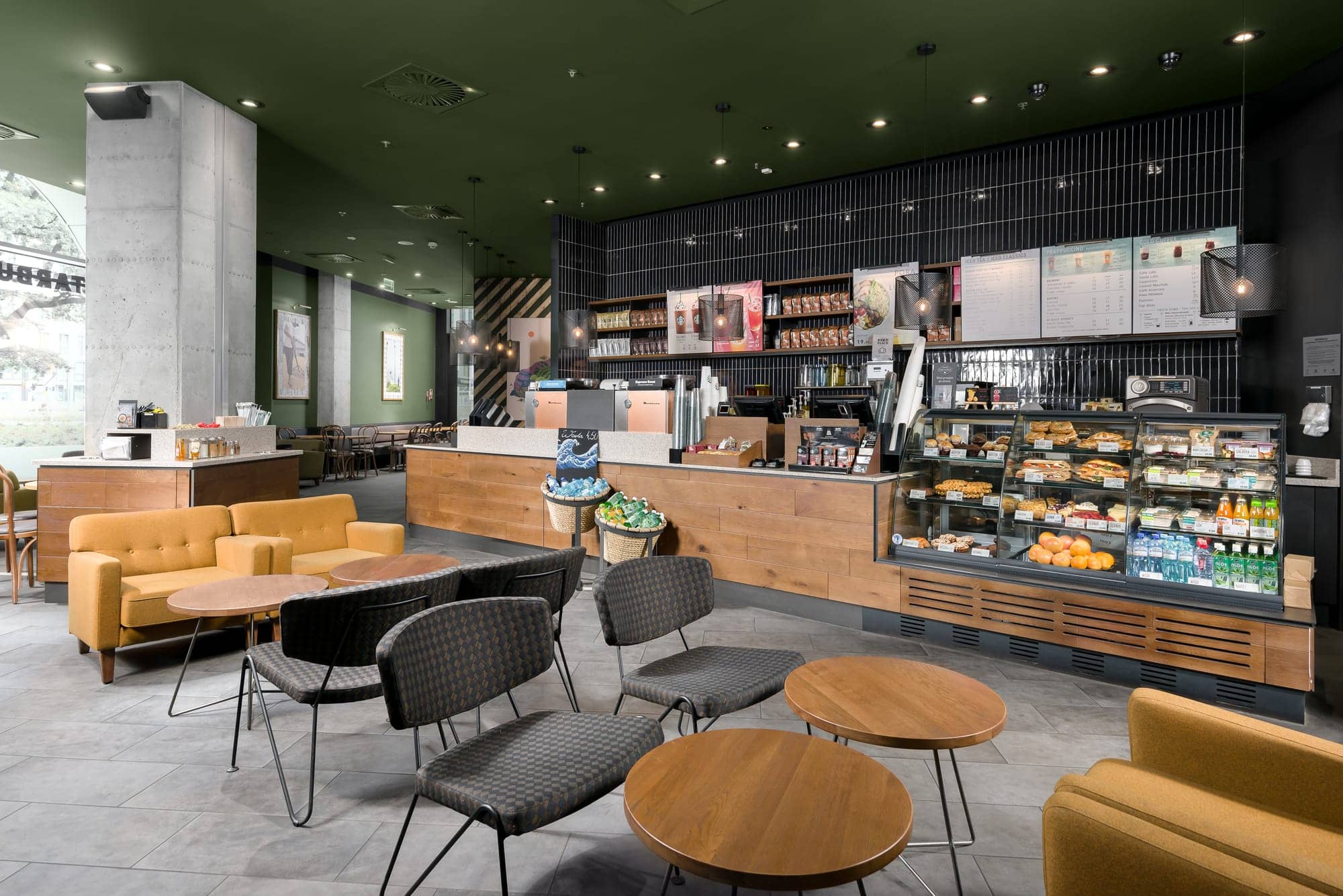
Starbucks, under the leadership of CEO Brian Niccol, is undergoing a significant operational transformation aimed at reviving its brand's coffeehouse image. With a focus on enhancing the in-store experience, Starbucks is introducing innovative changes to its coffeehouses. These enhancements include expanded seating options, power outlets, abundant food displays, and dedicated pickup shelves to streamline customer interactions.
Acknowledging the importance of its employees, Starbucks has implemented several initiatives to improve staff welfare. This includes doubling parental leave, increasing working hours at select cafes, and emphasizing internal promotions for managers. Despite these efforts, concerns have been raised regarding the disparity in compensation between top executives and frontline staff.
The emergence of unionization efforts, exemplified by Starbucks Workers United, sheds light on the intersecting issues of worker representation and brand revival. Jasmine Leli's insights from a unionized store in Buffalo highlight operational challenges faced by employees. Staff concerns, such as understaffing during peak hours, underscore the need for a balanced approach to workforce management.
.jpg&w=3840&q=70)
As Starbucks refines its menu offerings and operational procedures, challenges arise from evolving customer preferences and social media trends. The elimination of certain drinks to make room for new innovations like the Cortado has inadvertently led to complex order customizations, impacting operational efficiency and customer experience.
The disparity in compensation between executives and frontline workers at Starbucks has sparked conversations about fair labor practices. With CEO compensation exceeding thousands of times that of the median worker, there is a growing call for equitable wages and enhanced investment in the workforce to align with the company's values.
As Starbucks navigates its turnaround program and strives for sustainable growth, the harmonization of operational excellence with employee welfare remains pivotal. Bridging the gap between management decisions, workforce concerns, and customer expectations is crucial for Starbucks to maintain its position as a leader in the coffee industry.