True Food Kitchen Files Bankruptcy, Closes 12 Sites
True Food Kitchen filed for Chapter 11 bankruptcy, closing 12 locations and shrinking to 34 restaurants across 14 states amid $42.1 million in debt.
News
Oct 5, 2026
True Food Kitchen filed for Chapter 11 bankruptcy, closing 12 locations and shrinking to 34 restaurants across 14 states amid $42.1 million in debt.
Oct 5, 2026

Snooze Eatery names industry veteran Amy Hom as COO, starting Sept. 28, to strengthen hospitality and operations ahead of its next growth phase.
Oct 5, 2026
Restaurants can control operating costs by tracking food, labor, rent, utilities, technology, marketing, and other expenses against sales.
Oct 5, 2026

Opening a second restaurant location requires readiness, clear goals, financial planning, funding, smart strategy, standardized operations, strong teams, and careful launch monitoring for sustainable growth.
Sep 30, 2026

Evaluate restaurant industry performance in Q3 2026 through key trends affecting restaurant sales, traffic, consumer spending, labor, costs, and technology.
Oct 2, 2026
Improve restaurant visibility with local SEO by optimizing Google Business Profile, targeting local keywords, managing reviews, and maintaining accurate online information.
Oct 5, 2026
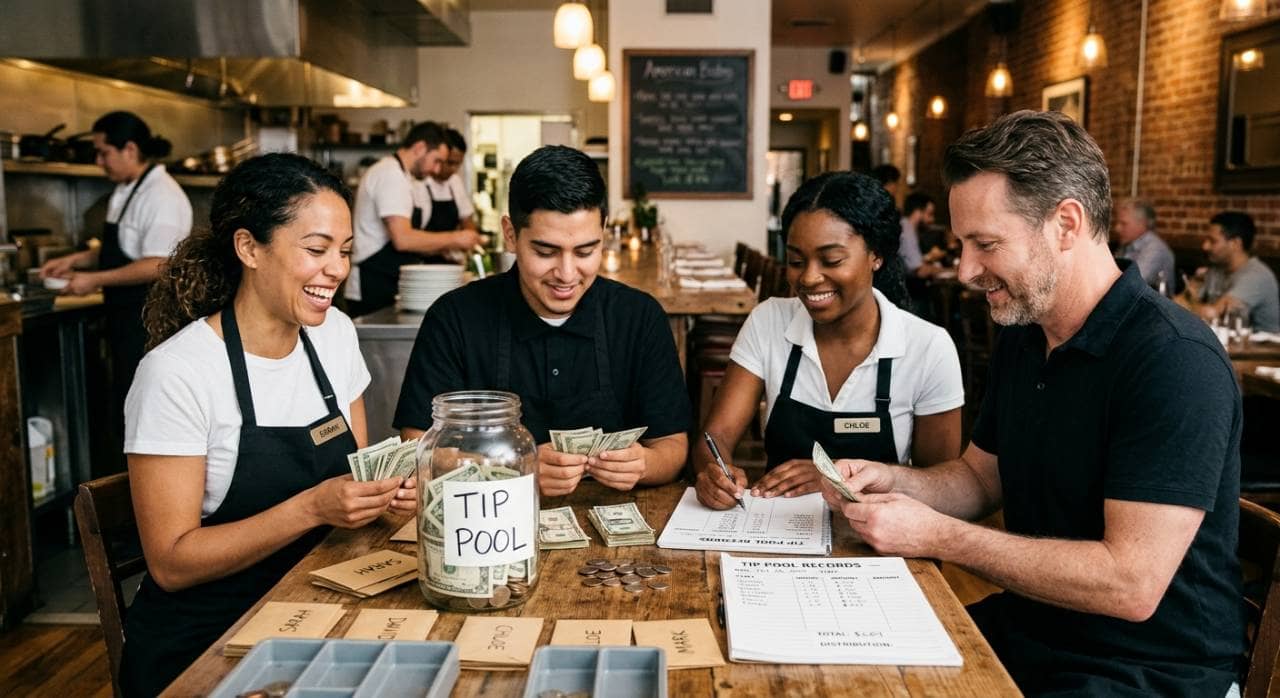
Understand tip pooling rules, employee eligibility, distribution methods, compliance requirements, recordkeeping practices, and policies restaurant owners need for proper tip management.
Oct 2, 2026

Whit's Frozen Custard hires industry veteran Amos Durbin as COO to guide franchise expansion, drawing on two decades of restaurant leadership experience.
Oct 2, 2026
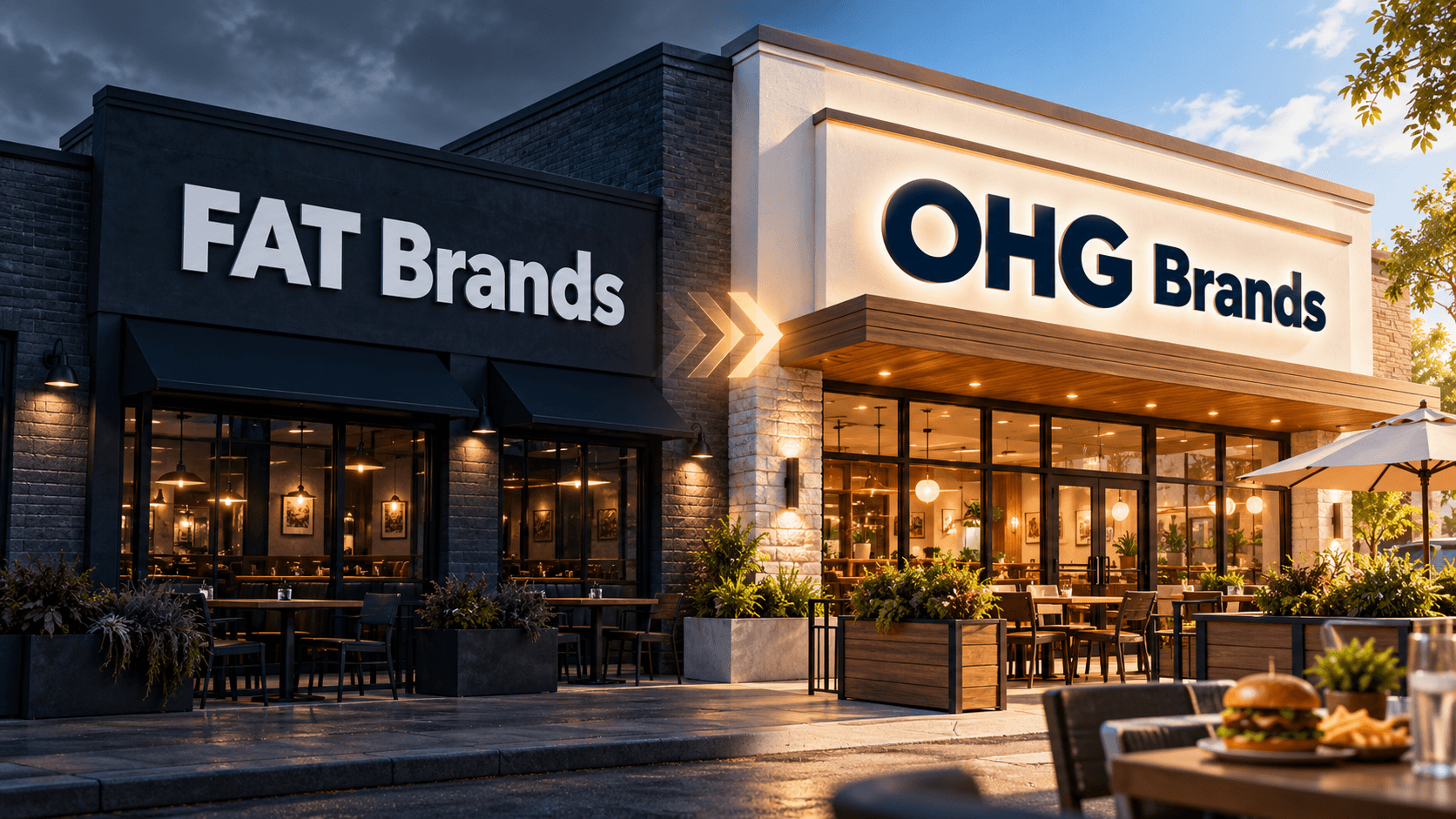
FAT Brands' $1B acquisition empire fell into bankruptcy and sold for $965M, re-emerging as OHG Brands with 1,700 restaurants.
Oct 1, 2026
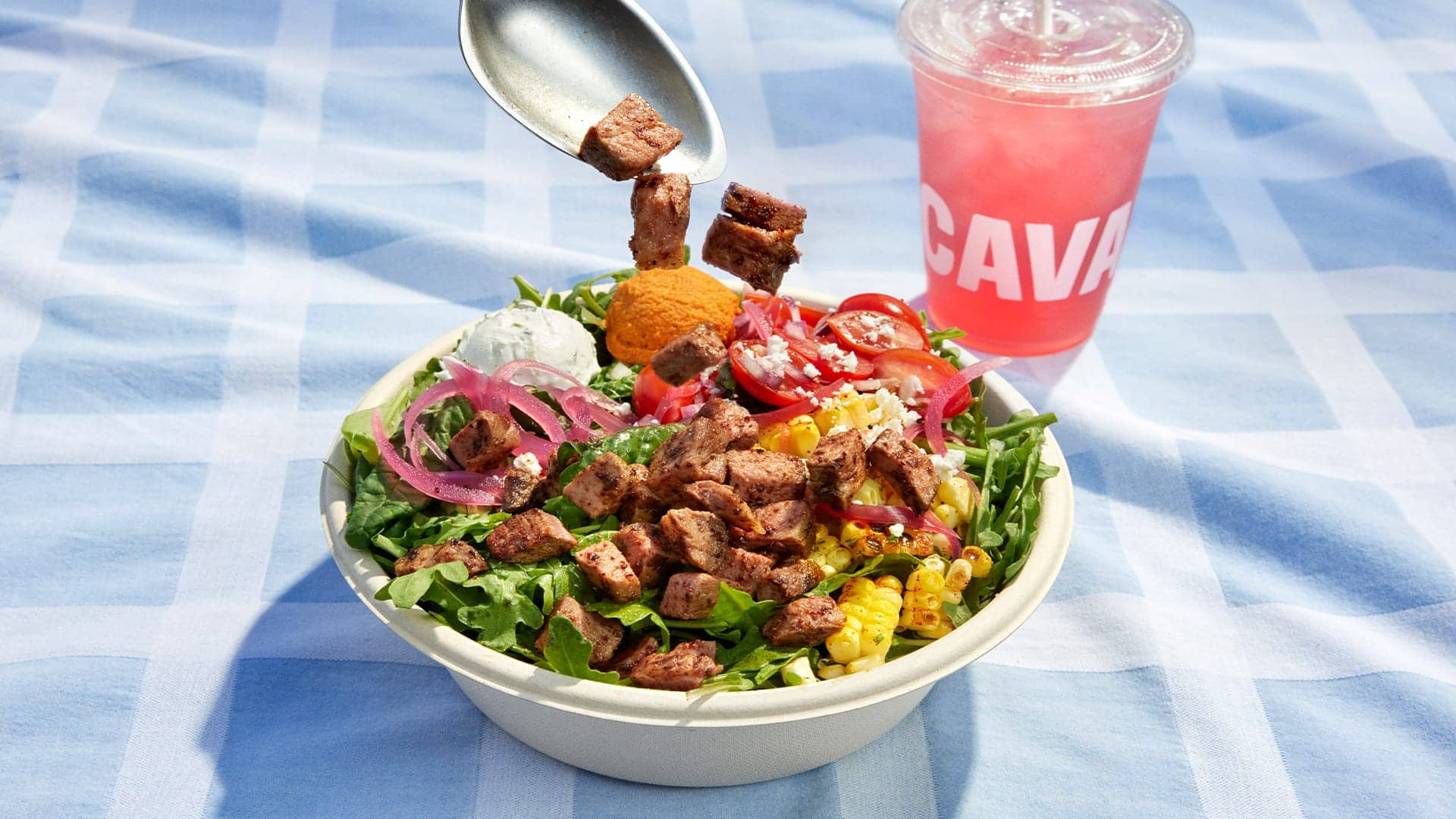
CAVA names John Ludeke, former Dr. Squatch Chief Brand Officer, as its new CMO to drive national growth and guest loyalty.
Oct 1, 2026

Unlock Exclusive Access To Webinars, Events, And The Latest News For Free!
Explore how Seven & i tackled foot traffic slowdown and enhanced operational efficiency in its convenience stores. Learn about their innovative strategies and the impact on customer traffic.

Photo by Aaron Piang
Seven & i faced a significant foot traffic slowdown ranging from 3.6% to 8% during fiscal 2024, with the latter resulting from an outage related to cybersecurity. This decline in customer visits posed a notable challenge for the company, echoing a broader trend in the industry.

Photo by Aaron Piang
To combat the foot traffic decline, Chief Financial Officer Yoshimichi Maruyama emphasized the importance of enhancing customer traffic. Seven & i initiated several key strategies, including the addition of Raise the Roost Chicken & Biscuits and Laredo Taco Company restaurants within their stores. The incorporation of Quick-Service Restaurants (QSRs) has been particularly effective, with sites featuring QSRs experiencing over 50% higher traffic on average.
Photo by Aaron Piang
Seven & i outlined ambitious plans to augment its network by adding 50 QSRs in fiscal 2025, indicating a commitment to diversifying offerings and attracting more customers. Additionally, the company focused on enhancing delivery services and expanding its private label items to cater to evolving consumer preferences.

Photo by Aaron Piang
While foot traffic remained a concern, Seven & i officials acknowledged positive developments in various operational aspects. By optimizing gross profit margins and effectively managing SG&A expenses, the company witnessed notable profit growth. Overseas convenience store operations, including North America, demonstrated resilience with EBITDA meeting expectations and exceeding net income projections.
The implementation of strategic measures yielded tangible results for Seven & i. North American stores reported a 5.3% increase in basket size and a significant 18.3% surge in same-store delivery sales during fiscal Q1. These achievements underscore the efficacy of the company's efforts to enhance operational efficiency and revitalize customer traffic.