
California Penalizes Dickey's for Franchise Disclosure Violations
California shifts to public enforcement strategy against Dickey's for deceptive franchise disclosures, signaling stricter state-level franchise oversight.
Franchising
Sep 10, 2026
California shifts to public enforcement strategy against Dickey's for deceptive franchise disclosures, signaling stricter state-level franchise oversight.
Sep 10, 2026
Paul Brown temporarily steps away from Inspire Brands as Scott Murphy assumes interim CEO role during confidential IPO filing process targeting late 2026.
Sep 10, 2026
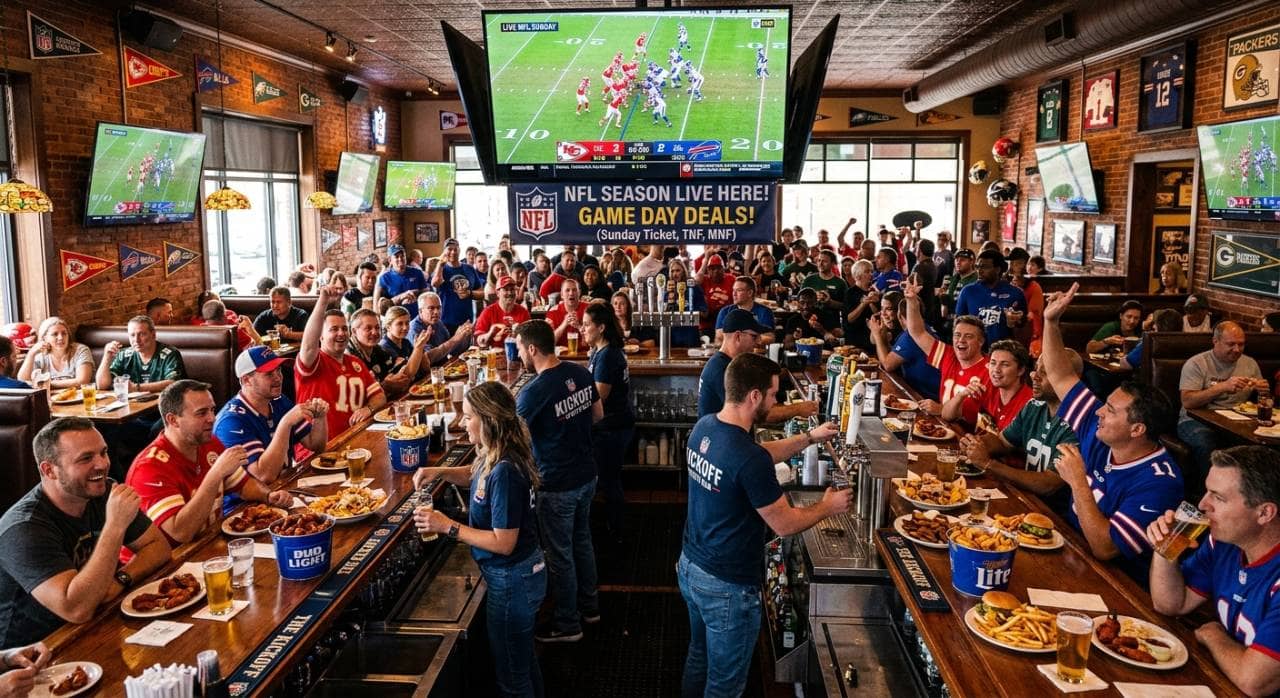
Prepare your restaurant for NFL season with smart menu planning, staffing, marketing, technology, and atmosphere strategies that boost season-long revenue.
Sep 9, 2026
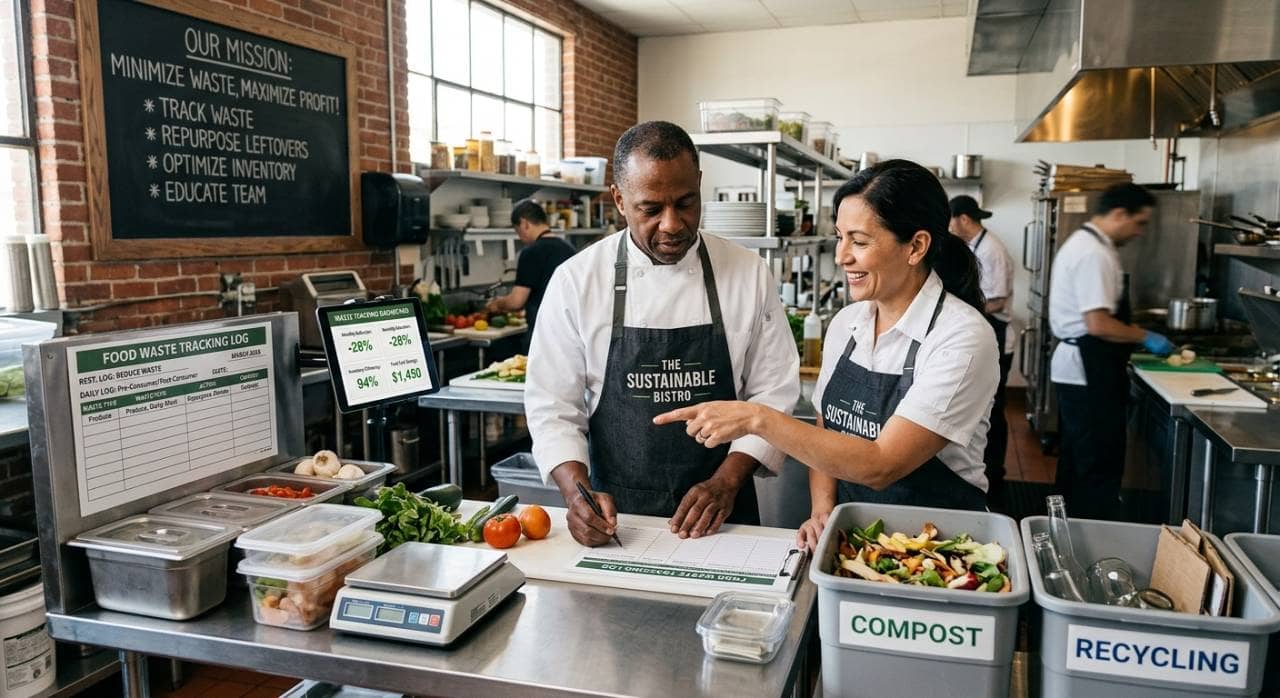
Learn how to reduce food waste in restaurants through smarter purchasing, storage, preparation, and service strategies that cut costs.
Sep 9, 2026
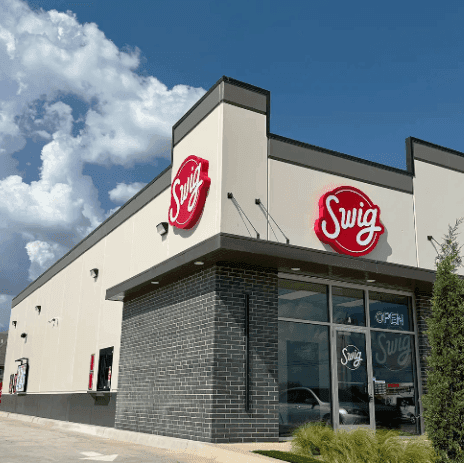
Swig signs franchise agreement for 11 South Denver locations, marking Colorado entry and validating its national expansion strategy.
Sep 8, 2026
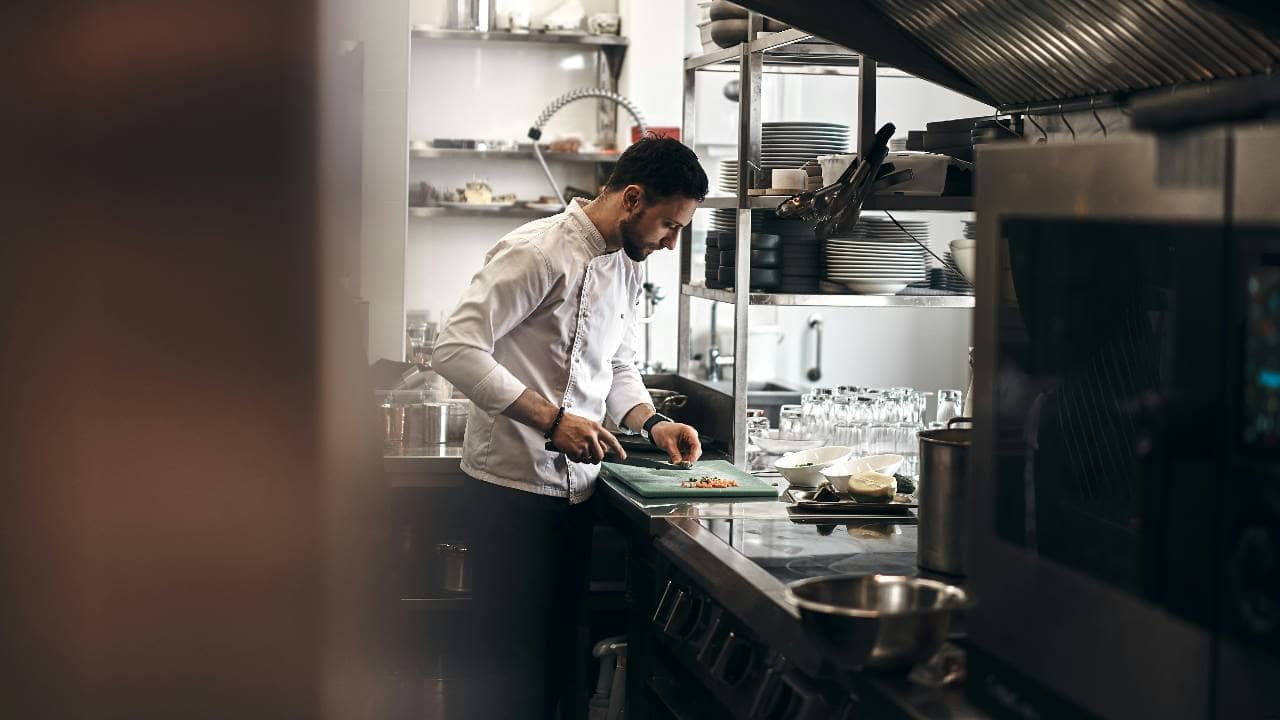
Complete guide helping restaurant owners choose essential kitchen equipment - covering cooking, refrigeration, prep, sanitation, ventilation, safety, and long-term maintenance planning.
Sep 7, 2026
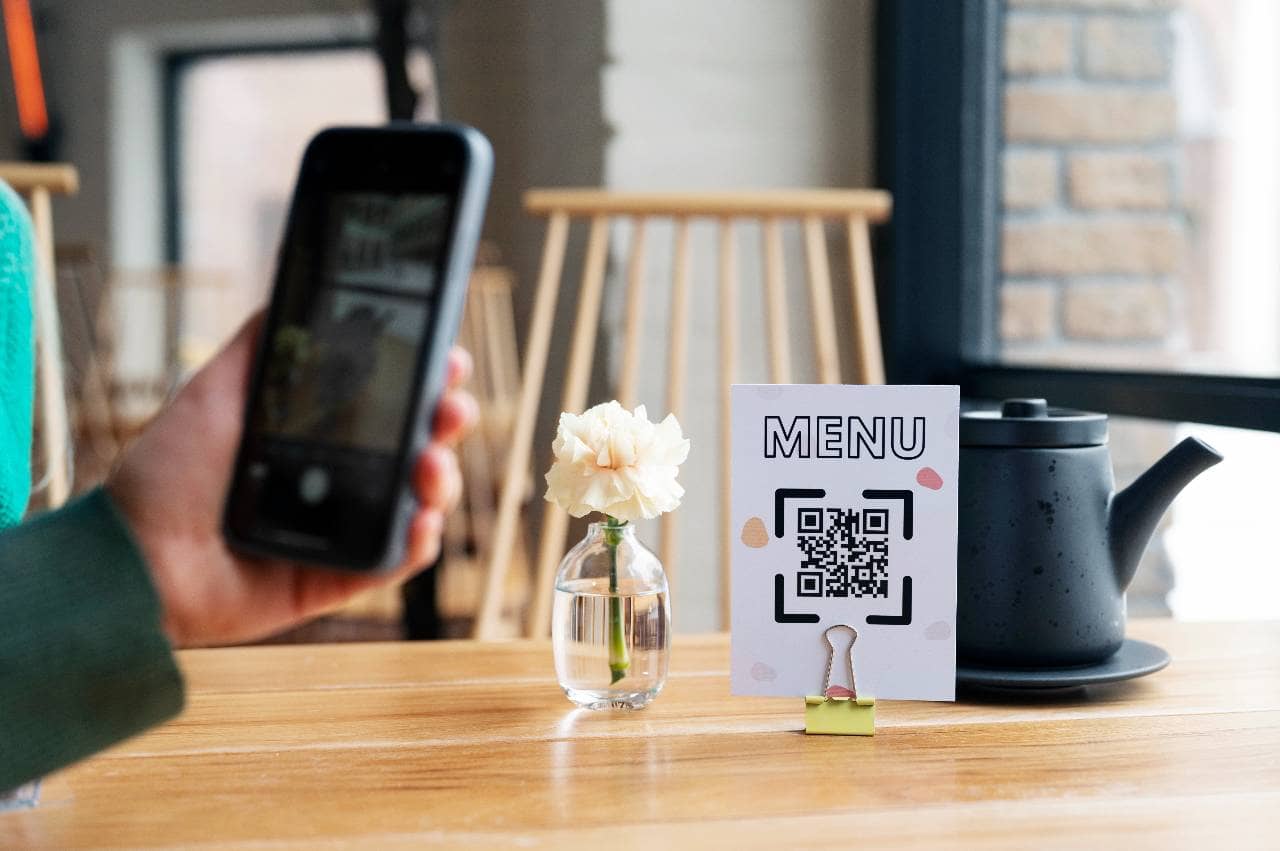
QR code menus let restaurants replace paper menus digitally, enabling instant updates, contactless browsing, ordering, and payment through simple smartphone scanning.
Sep 7, 2026

Avoiding common restaurant payroll mistakes - misclassification, tip credit errors, overtime miscalculations - protects businesses from costly penalties, back pay, and compliance risks.
Sep 4, 2026
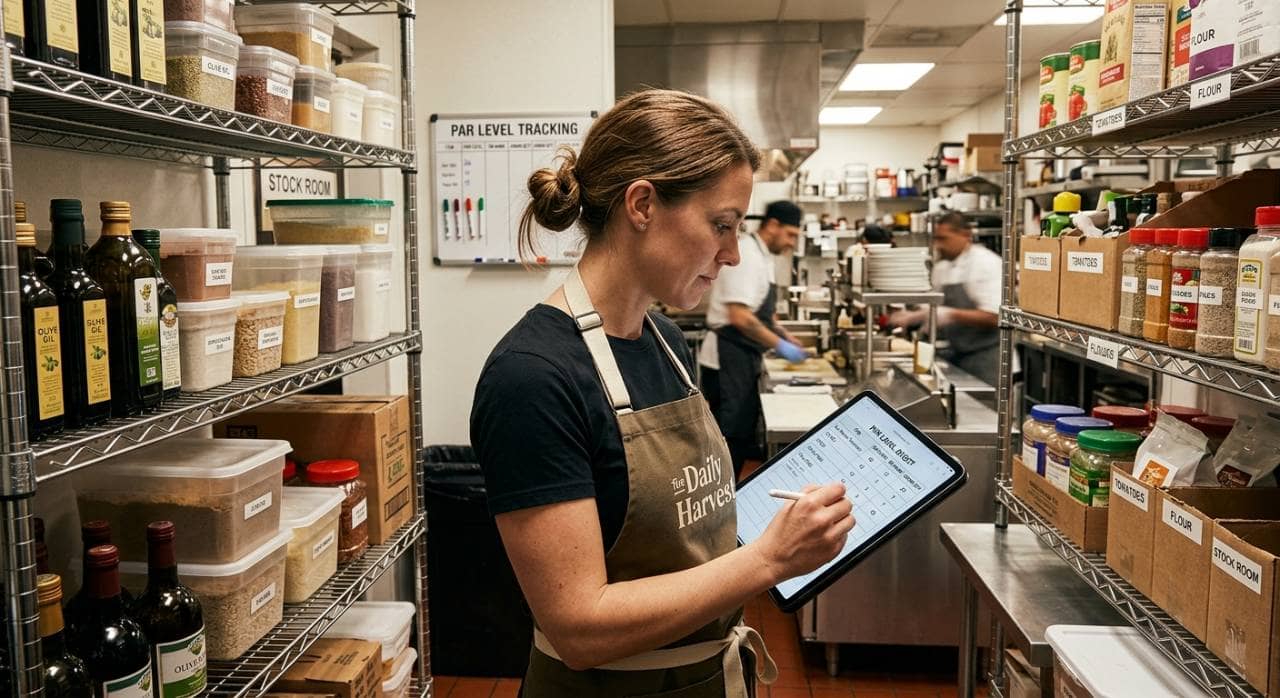
Learn to calculate par levels for restaurant food, beverages, and packaging inventory, preventing stockouts and waste through proper formulas.
Sep 4, 2026
Caribou Coffee appoints Zane Thomas-Rogers as Chief Operations Officer to strengthen execution across its expanding coffeehouse network.
Sep 4, 2026

Unlock Exclusive Access To Webinars, Events, And The Latest News For Free!
A refined look at Krispy Kreme's multi-channel growth: global access, digital momentum, and a capital-light reshaping of its footprint toward profitability.

Photo by Alexander Grey
Krispy Kreme enters 2026 with a refined, multi‑channel growth narrative, a blend of a broadened global footprint, digital momentum, and a disciplined operating rhythm. The second quarter of 2024 offers a telling prologue: net revenue of $438.8 million, up 7.3% year over year, with organic revenue climbing 7.8% as omnichannel strategies deepen. The arithmetic of expansion is persuasive: more doors translate to more demand. Global Points of Access rose 23.2% to 15,853, signaling a deliberate push to diversify beyond the traditional storefronts. In context, the company closed 2023 just above 14,000 points of access, a pace of acceleration that invites closer scrutiny of what fuels this growth:
The horizon, then, invites a closer look at what fuels this growth and how Krispy Kreme intends to sustain it. The numbers are not mere arithmetic; they are a map of access, doors opening, orders flowing, and a brand positioning itself to meet demand where it appears. A narrative of expansion must be balanced by the art of operation, and this is the discipline Krispy Kreme embraces as it steps forward.

Behind the ascent lies a focused push to widen access through a widening tapestry of markets and partnerships. Expansions into Spain and Morocco mark the global thread, while collaborations such as Dolly Parton Southern Sweets and Kit Kat broaden consumer engagement. Digital sales have surged as e-commerce and mobile ordering become everyday routes to the brand, and Delivered Fresh Daily (DFD) sales extend Krispy Kreme’s reach into grocery and convenience aisles. The US‑led momentum remains central, with plans to push fresh doughnuts into high‑volume doors like McDonald’s restaurants, a move designed to extend access well beyond existing walls.
The expansion reflects more than geography; it is a recalibration of the consumer path. Digital engagement fuels orders placed from living rooms and handhelds alike, while grocery and convenience placements turn every shopping aisle into a potential Krispy Kreme moment. The choreography is clear: widen access, deepen availability, and let the brand appear where cravings are most likely to strike, whether through an app, a drive‑thru, or a grocery checkout.
