
California Penalizes Dickey's for Franchise Disclosure Violations
California shifts to public enforcement strategy against Dickey's for deceptive franchise disclosures, signaling stricter state-level franchise oversight.
Franchising
Sep 10, 2026
California shifts to public enforcement strategy against Dickey's for deceptive franchise disclosures, signaling stricter state-level franchise oversight.
Sep 10, 2026
Paul Brown temporarily steps away from Inspire Brands as Scott Murphy assumes interim CEO role during confidential IPO filing process targeting late 2026.
Sep 10, 2026
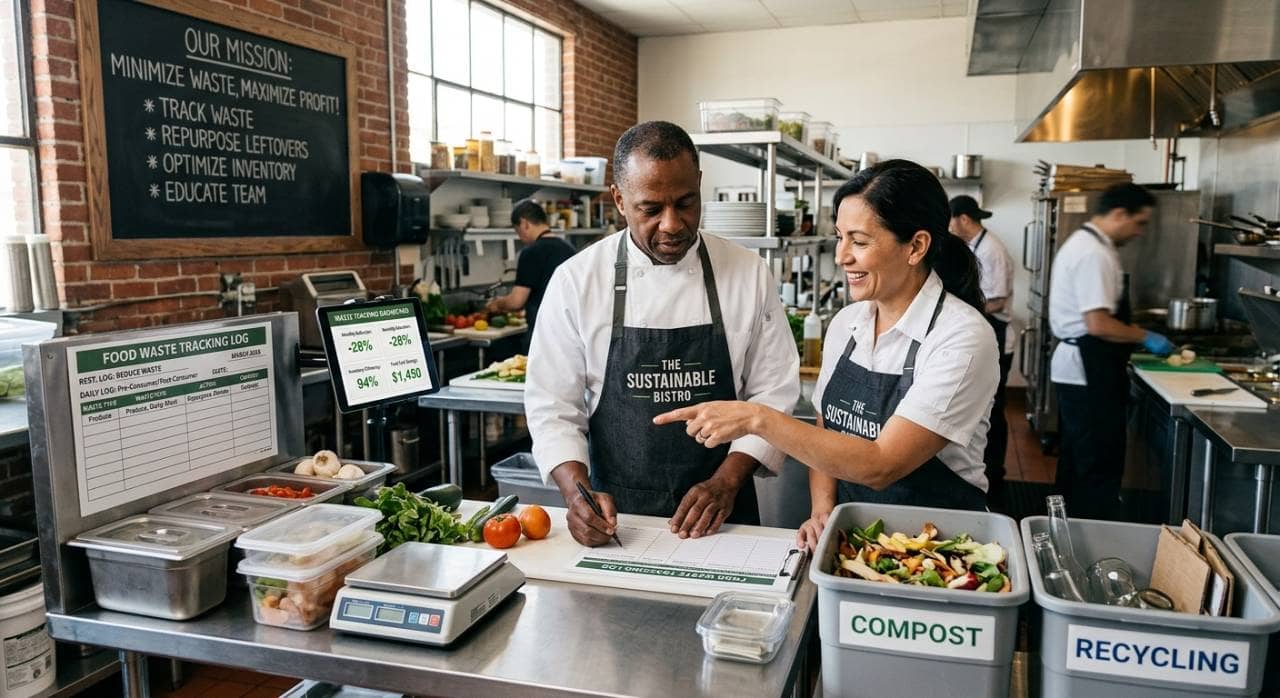
Learn how to reduce food waste in restaurants through smarter purchasing, storage, preparation, and service strategies that cut costs.
Sep 9, 2026
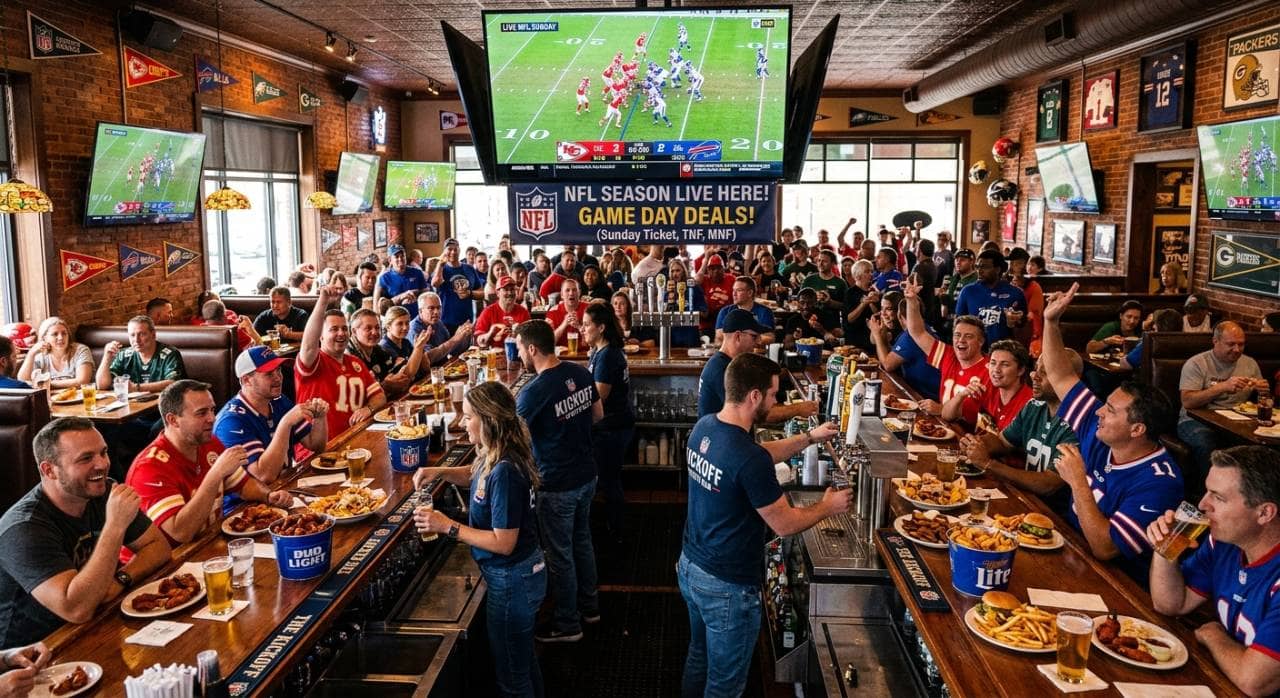
Prepare your restaurant for NFL season with smart menu planning, staffing, marketing, technology, and atmosphere strategies that boost season-long revenue.
Sep 9, 2026
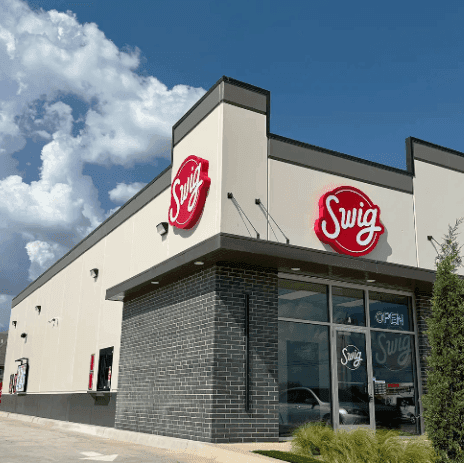
Swig signs franchise agreement for 11 South Denver locations, marking Colorado entry and validating its national expansion strategy.
Sep 8, 2026
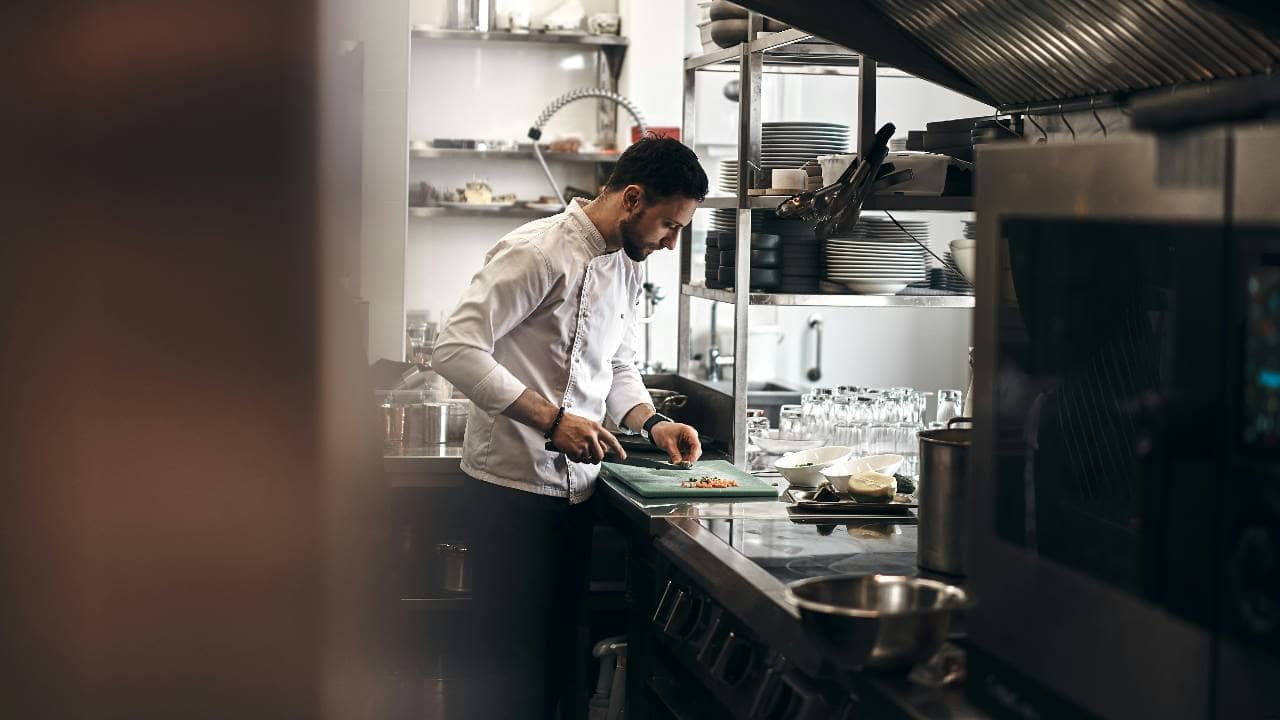
Complete guide helping restaurant owners choose essential kitchen equipment - covering cooking, refrigeration, prep, sanitation, ventilation, safety, and long-term maintenance planning.
Sep 7, 2026
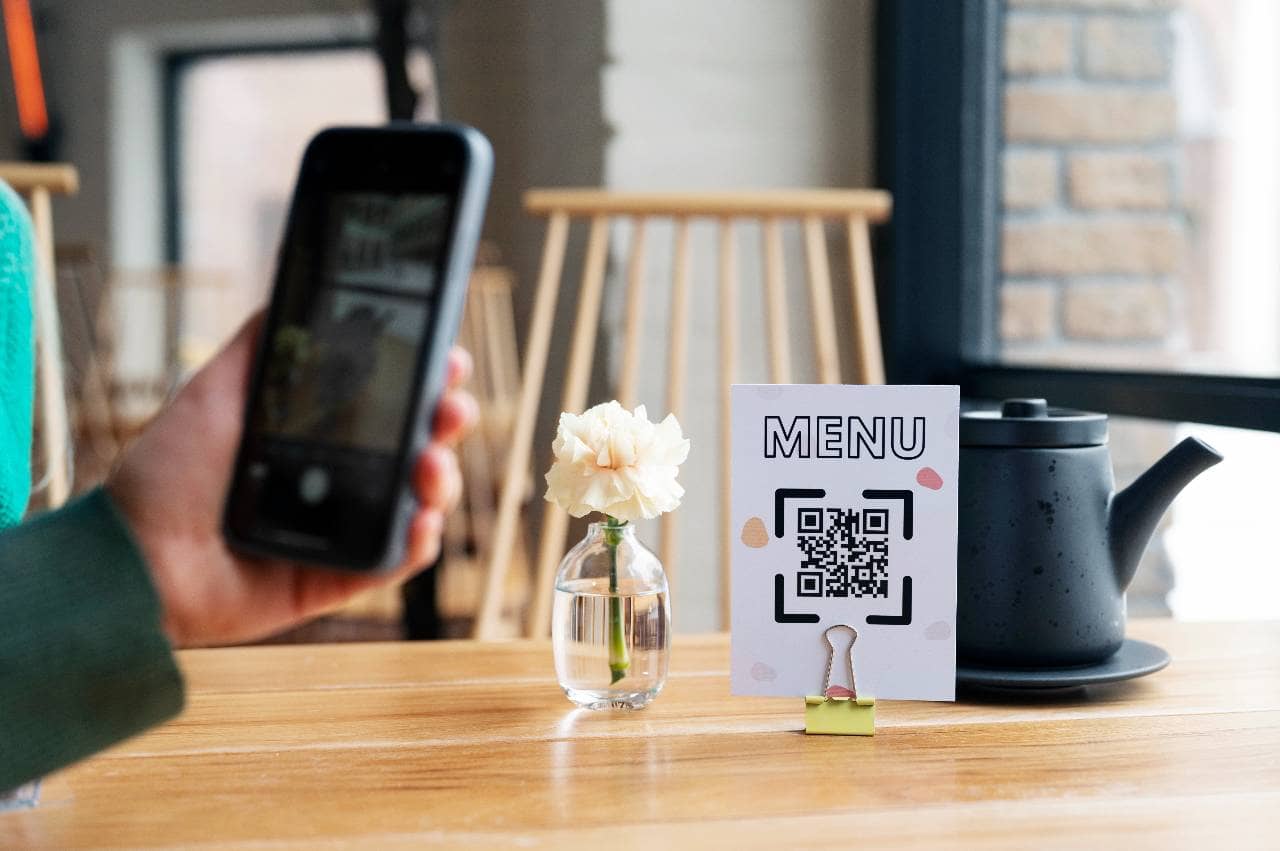
QR code menus let restaurants replace paper menus digitally, enabling instant updates, contactless browsing, ordering, and payment through simple smartphone scanning.
Sep 7, 2026

Avoiding common restaurant payroll mistakes - misclassification, tip credit errors, overtime miscalculations - protects businesses from costly penalties, back pay, and compliance risks.
Sep 4, 2026
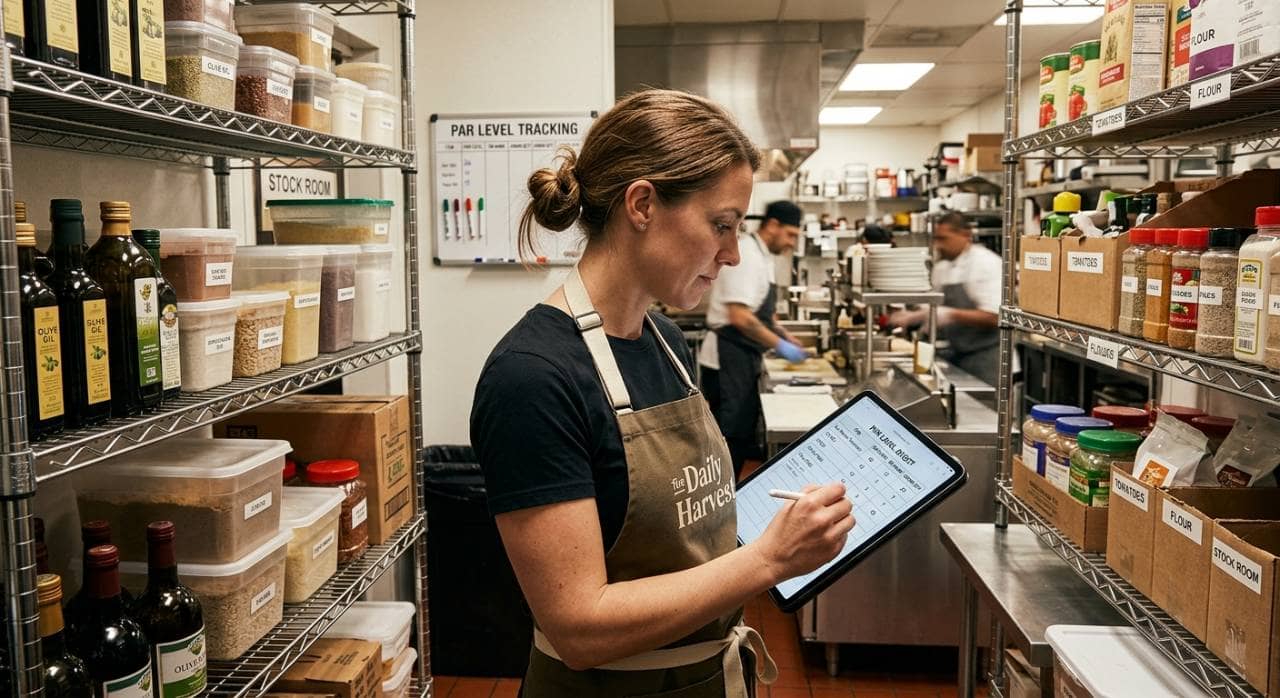
Learn to calculate par levels for restaurant food, beverages, and packaging inventory, preventing stockouts and waste through proper formulas.
Sep 4, 2026
Caribou Coffee appoints Zane Thomas-Rogers as Chief Operations Officer to strengthen execution across its expanding coffeehouse network.
Sep 4, 2026

Unlock Exclusive Access To Webinars, Events, And The Latest News For Free!
A cross-industry loyalty tie unites Burger King and Walmart+. 25% off digital orders daily and a quarterly free Whopper expand reach and reengage diners.
-p-800.jpg&w=3840&q=70)
In a moment when the aisles of everyday commerce begin to blur, two unlikely partners chart a shared course from opposite shores of consumer life: a global quick‑service icon and a mass‑market retailer. The announcement of a cross‑industry loyalty tie between Burger King and Walmart+ presents more than a procurement of discounts; it feels like a quiet audition for a museum of modern convenience. Digital convenience meets physical hospitality in a single seam, inviting guests to move between app and store with the same ease a sommelier glides between courses. It is a measured leap toward blending loyalty ecosystems with mass appeal. What will this alignment unleash?
At the heart of the tie lie two headline incentives: 25% off any Burger King digital order every day, and, beginning in September, a free flame‑grilled Whopper every three months with any purchase. The mechanism is straightforward and digital‑first: Walmart+ members link their membership to a Burger King Royal Perks account (or create a new one) and then view offers within the BK App or on bk.com. After selecting a participating location, the desired offer is added to the cart and the order is redeemed at checkout. This architecture unites Walmart+'s reach with Burger King’s loyalty framework, creating a seamless path from enrollment to bite.
So the seam between loyalty and dining begins to tighten, inviting new guests while inviting lapsed diners to return.
In practical terms, the activation unfolds as a well‑orchestrated mise en place: nothing happens without user consent and clear steps. Walmart+ members either link their membership to a Burger King Royal Perks account or create a free new Royal Perks profile. The rest unfolds in two calibrated corridors: the BK App and bk.com, where offers become visible once accounts are linked. The design strives for simplicity while preserving the autonomy of each brand, ensuring the guest journey remains rooted in both ecosystems.
From there, the path is simple yet precise: select a participating Burger King location, add the desired offer to the cart, and place the order for redemption. The integration leverages Walmart+'s digital ecosystem and Burger King's existing loyalty framework to deliver value at the point of sale, without forcing a wholesale redesign of either channel. The result is a frictionless experience that invites new footfall while encouraging returning diners to reengage across screens and counters.
Crucially, the arrangement preserves brand autonomy for each partner, a quiet concession that the consumer wins when both sides are treated as equals.

From the executive suites to the store floor, the partnership is framed as a pioneer move in cross‑industry alliances. Pat O'Toole, Chief Marketing Officer of Burger King North America, described a shared philosophy: high‑quality products offered at a great value, an approach that aligns with Walmart's mission. The tone across leadership emphasizes modernization, expanded access, and a cohesive guest experience across digital and physical channels.
“Burger King has long been known for offering Guests high quality products for a great value – an approach that’s shared by our friends at Walmart, making this partnership a natural fit.” said Pat O'Toole. The remarks were echoed by other Burger King executives who stressed broader access to savings across digital and brick‑and‑mortar channels, while Walmart leaders framed the tie as a deliberate step toward value at scale.
If these voices are any guide, the partnership appears as a pioneering step, designed to unlock engagement across a broad audience and across devices.
Behind the scenes, the alliance sits atop a broader modernization agenda for Burger King. The brand has poured millions into in‑store remodels, with about 150 upgraded locations that stayed open for at least six months and posted mid‑teens upticks in sales. RBI has signaled plans to overhaul 400 additional stores in 2024, with a multi‑year target to modernize 85% to 90% of U.S. sites by the end of 2028. The shift connects a programmatic upgrade of the dining space with a broader drive to accelerate digital and experiential upgrades, financed in part through franchise partnerships.
Walmart+ emerges here as a distribution and communication platform that broadens Burger King's reach, linking tens of millions of active shoppers to its digital and physical properties. The collaboration sits at the intersection of modernization, consumer convenience, and scale, a strategic narrative that frames loyalty as a shared asset rather than a siloed program.
Together, the partnership hints at a broader arc: loyalty as a driver of multi‑channel growth rather than a single channel promise.
The Walmart‑Burger King collaboration arrives as Walmart intensifies its in‑store foodservice profile. The retailer has pursued partnerships with Crave Hot Dogs & BBQ, Mr. Gatti’s Pizza, Knuckies Hoagies, and Uncle Sharkii Poke Bar, signaling a broader push to diversify the experiential component of brick‑and‑mortar retail. The BK arrangement could set a new standard for cross‑industry partnerships, encouraging other restaurants and grocers to explore hybrid loyalty and promotional models. For Burger King, the tie‑in creates an additional channel to increase awareness, reengage lapsed customers, and drive engagement with both digital and physical touchpoints. Walmart+ benefits, including streaming options that have evolved, provide additional value to diverse consumer segments.
By weaving BK into Walmart+'s expanding member experience, the collaboration becomes a case study in modern marketing: broaden reach, harness data responsibly, and let promotions travel across app ecosystems with minimal friction.
As the brands navigate this uncharted territory, the question becomes not only whether savings translate into trips, but whether the model reshapes what loyalty means in shopping and dining, making perks less exclusive and more integral to everyday life.
As with any large cross‑brand program, execution will be key. While the early framework is clear, questions remain about long‑term return on investment, the ease of cross‑promotion across app ecosystems, and potential friction for customers who encounter technical snags during linking or redemption. Reports and consumer feedback during the partnership period have highlighted occasional issues with loading Walmart+ offers within the BK app or bk.com, underscoring the need for robust integration and comprehensive support.
Nevertheless, the scale and ambition of this collaboration, tied to Walmart+’s expanding benefit set, including streaming options such as Paramount+ (and, at times, Peacock), suggests that hybrid loyalty models could become more common as brands seek to blend convenience with compelling value. The coming years will reveal whether this model can reframe consumer expectations around loyalty, dining, and retail as shared assets rather than isolated programs.
In the near term, the BK‑Walmart partnership offers a refined narrative about value delivered at the moment of choice, signaling a direction where loyalty is less about enticement and more about integrated experiences across everyday life.
