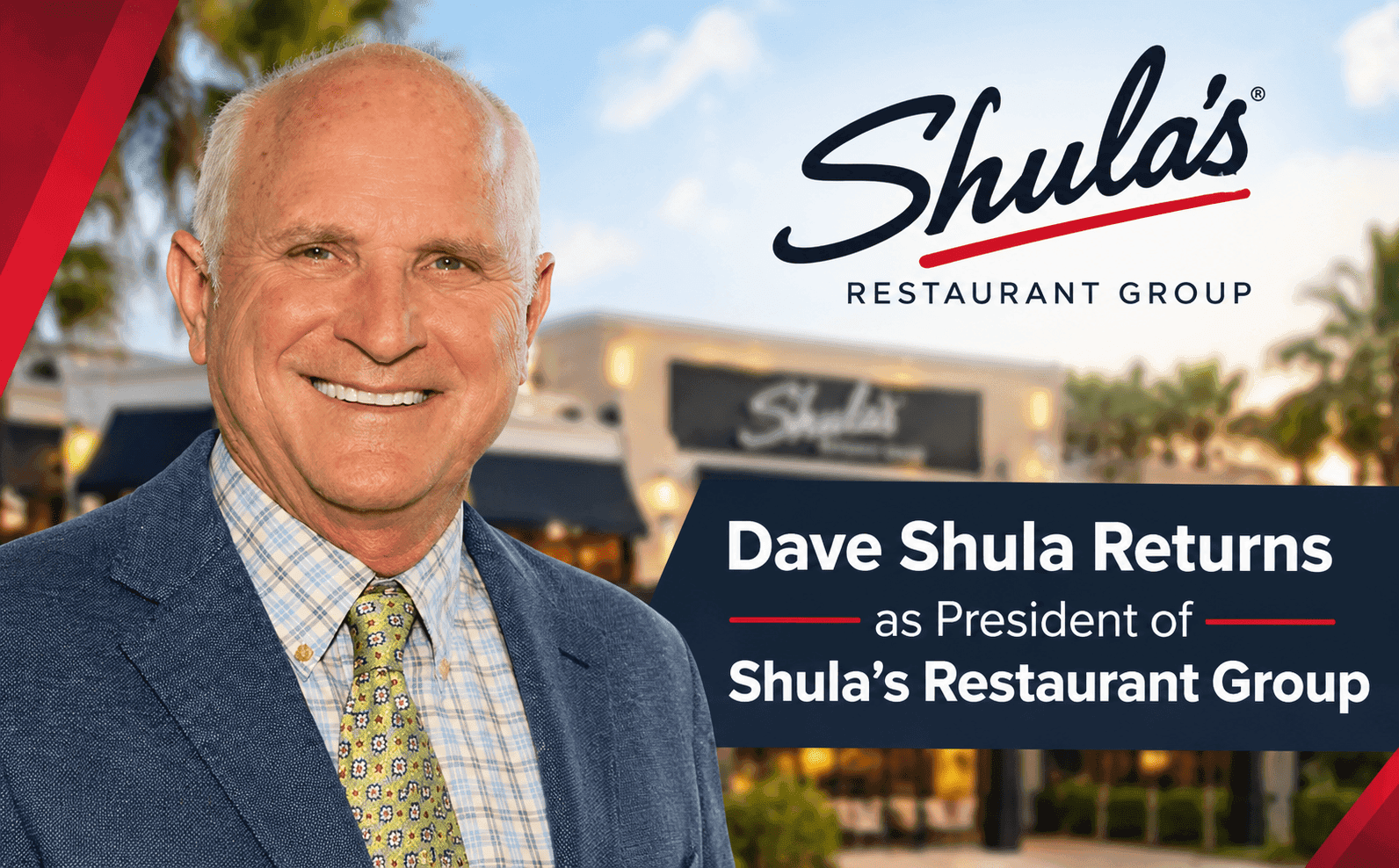
Dave Shula Returns as President of Shula's Restaurant Group
Dave Shula rejoins Shula's Restaurant Group as president, leading growth into Palm Beach Gardens and a 2027 Thomasville, Georgia expansion.
News
Sep 23, 2026
Dave Shula rejoins Shula's Restaurant Group as president, leading growth into Palm Beach Gardens and a 2027 Thomasville, Georgia expansion.
Sep 23, 2026
McDonald's commits $8.5 billion through 2036 to modernize restaurants, boost cash flow by $100,000 per store, and grow chicken and beverage sales.
Sep 23, 2026
WKS Restaurant Group promotes Jay Spongberg to president and COO after he helped grow the company from 65 to 382 restaurants over 16 years.
Sep 23, 2026

Smokey Mo's BBQ names Von Dawson, a Dine Brands veteran, as VP of Franchise Development to lead its Texas expansion strategy.
Sep 23, 2026
.png&w=3840&q=70)
Meritage Hospitality's Chapter 11 filing pulls 5% of Wendy's U.S. stores into bankruptcy, exposing cracks in franchising's bigger-is-safer bet.
Sep 21, 2026
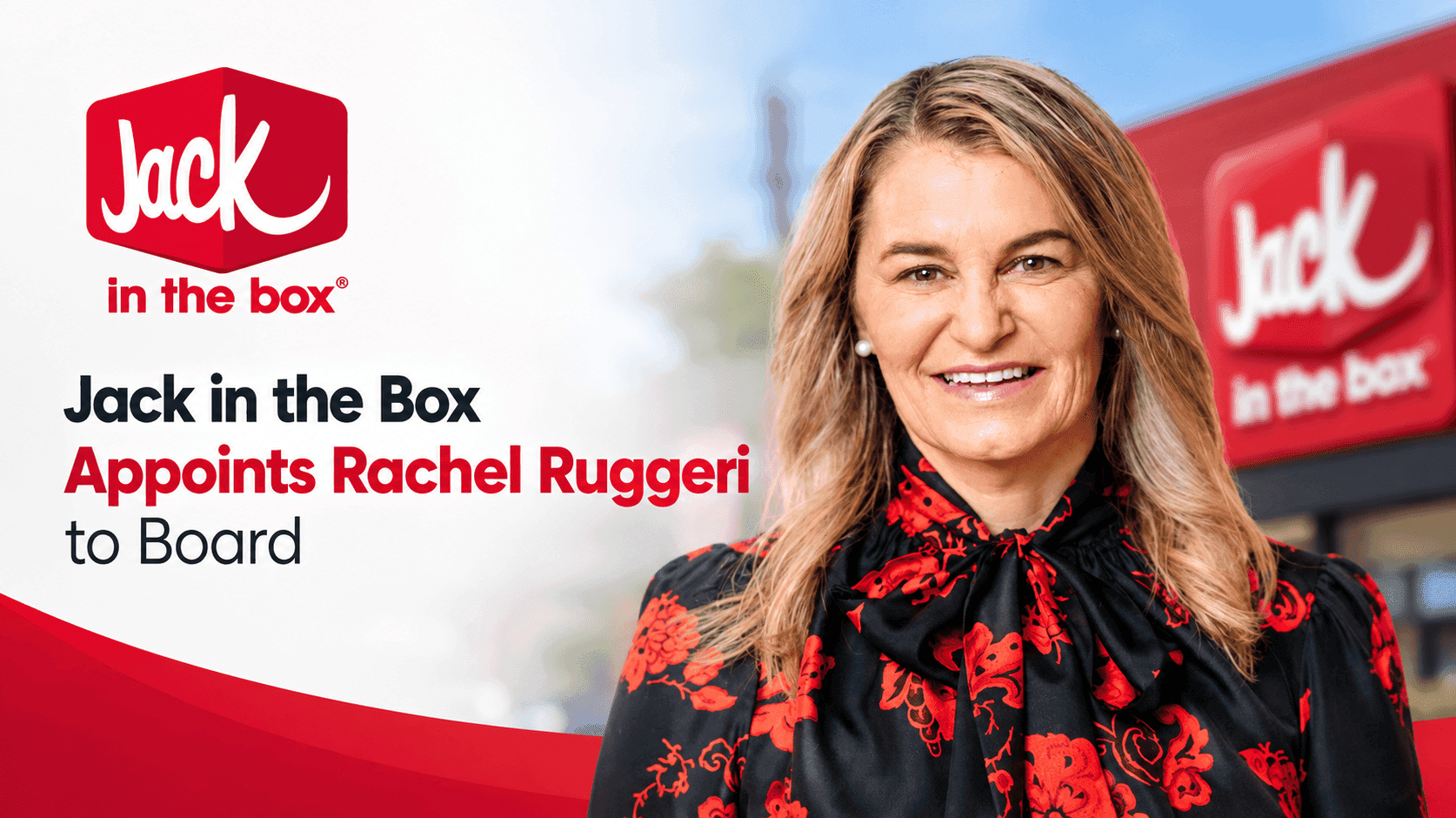
Jack in the Box names Rachel Ruggeri to its board as Michael Murphy retires, amid a CEO transition and deal with investor GreenWood.
Sep 21, 2026
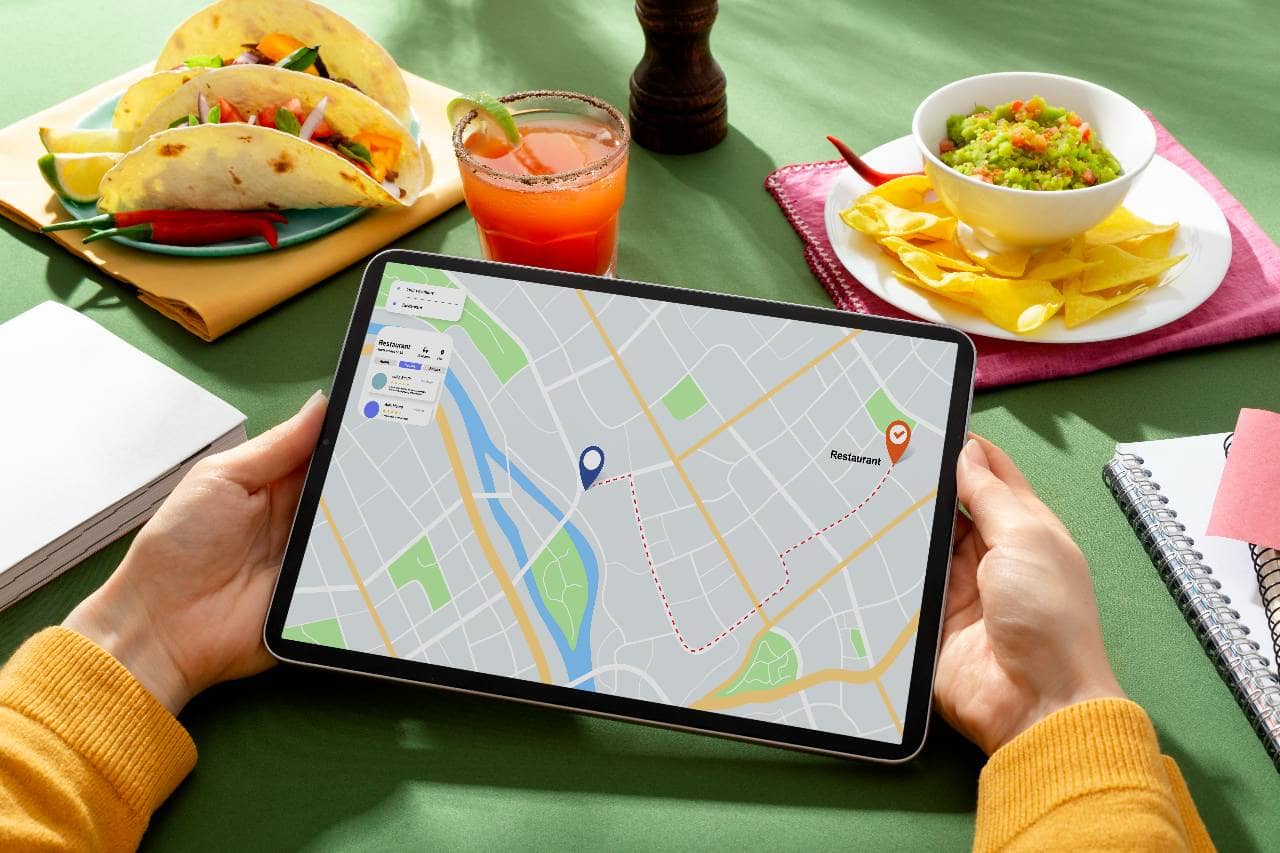
Improve restaurant Google Maps rankings by optimizing your business profile, selecting accurate categories, gathering reviews, adding photos, and strengthening local relevance signals.
Sep 21, 2026

Restaurant inventory tracking helps owners monitor stock, control food costs, reduce waste, improve purchasing, and make informed operational decisions.
Sep 21, 2026
Restaurant owners can significantly reduce restaurant costs by leveraging technology across inventory, labor, procurement, forecasting, and administrative operations for better profit margins.
Sep 18, 2026
Understand how to forecast restaurant revenue and expenses with methods for sales projection, cost scaling, fixed-cost planning, and risk buffering.
Sep 18, 2026

Unlock Exclusive Access To Webinars, Events, And The Latest News For Free!
Explore how dual-branded locations can enhance restaurant sales, operational efficiencies, and customer experience. Learn from successful examples in the industry.
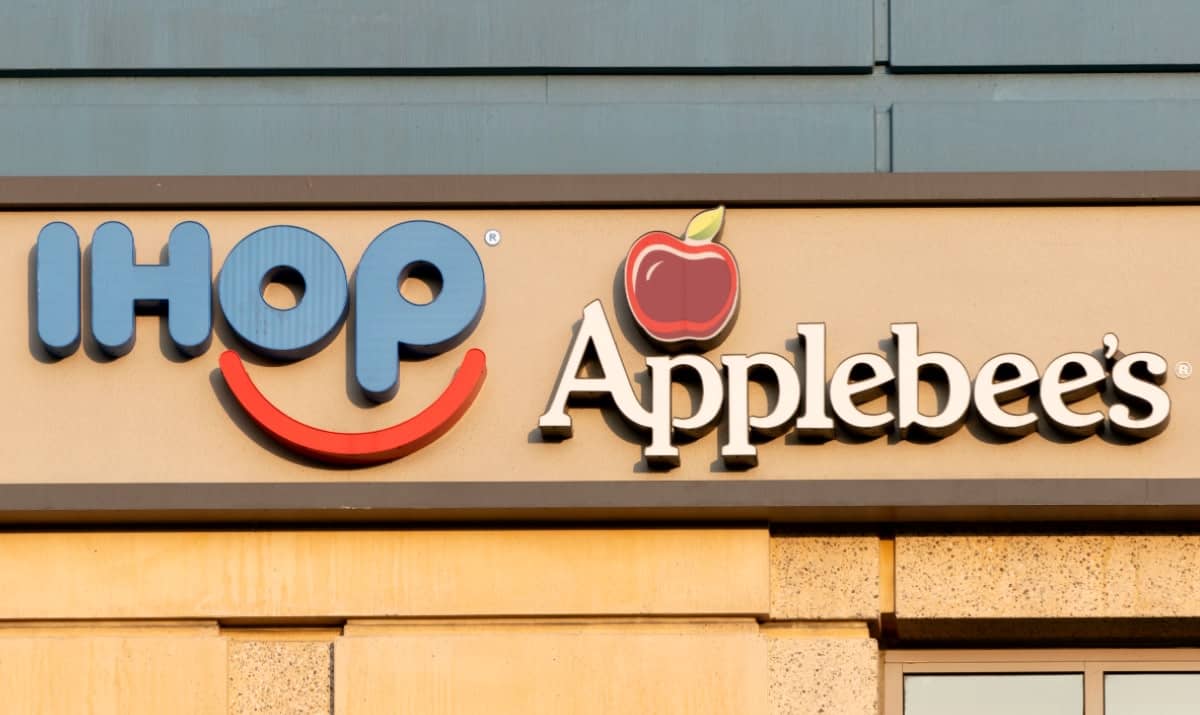
The concept of dual-branded locations has emerged as a strategic approach to revitalize restaurant sales, especially in the face of same-store sales slumps. By combining two well-established brands like Applebee’s and IHOP under one roof, restaurants can tap into a broader customer base and cater to diverse preferences. Research indicates that dual-branded restaurants can generate approximately 1.5 times the revenue of standalone locations, making them an attractive proposition for restaurant chains looking to boost their sales performance.
One of the key advantages of dual-branded locations is the operational efficiencies they offer. Shared kitchen spaces, cross-trained staff, and integrated menu options streamline operations and reduce overhead costs. By combining resources and expertise, brands like Applebee’s and IHOP can optimize their back-of-house functions, enabling them to focus on delivering high-quality service and unique dining experiences to their customers.
Dual-branded restaurants not only boost sales but also enhance the overall customer experience. By offering a diverse menu that combines signature dishes from both brands, customers have more choices and flexibility in their dining selections. The ability to mix and match items or enjoy exclusive dishes fosters loyalty and encourages repeat visits. This variety caters to different customer preferences, whether they crave a hearty breakfast from IHOP or a classic American meal from Applebee’s.
Leading restaurant chains like Dine Brands and Fat Brands have successfully leveraged the power of co-branding to drive sales and innovation. Dine Brands' CEO John Peyton highlighted the success of the dual-branded concept, emphasizing the synergy between Applebee’s and IHOP menus. This approach has resonated with customers globally, showcasing the effectiveness of combining complementary brands to create a compelling dining experience.
As the restaurant industry evolves, dual-branded locations are likely to become more prevalent as a strategic growth strategy. Not only do they offer financial benefits, but they also provide a platform for creativity and collaboration between brands. The success of tri-branded locations, as seen in Fat Brands' recent launch of Great American Cookies, Marble Slab Creamery, and Pretzelmaker units, demonstrates the potential for expanding the co-branding concept to new heights.