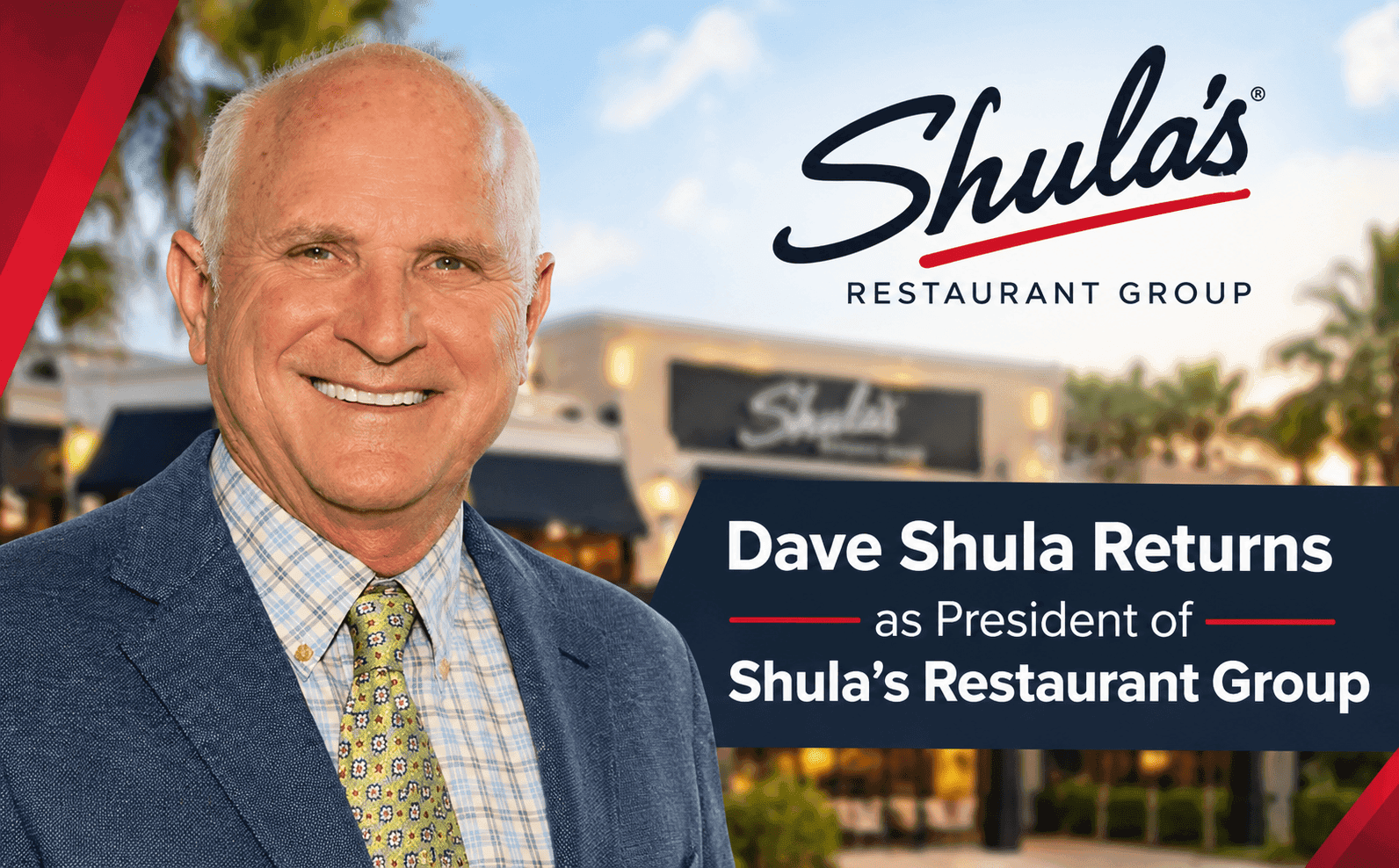
Dave Shula Returns as President of Shula's Restaurant Group
Dave Shula rejoins Shula's Restaurant Group as president, leading growth into Palm Beach Gardens and a 2027 Thomasville, Georgia expansion.
News
Sep 23, 2026
Dave Shula rejoins Shula's Restaurant Group as president, leading growth into Palm Beach Gardens and a 2027 Thomasville, Georgia expansion.
Sep 23, 2026
McDonald's commits $8.5 billion through 2036 to modernize restaurants, boost cash flow by $100,000 per store, and grow chicken and beverage sales.
Sep 23, 2026
WKS Restaurant Group promotes Jay Spongberg to president and COO after he helped grow the company from 65 to 382 restaurants over 16 years.
Sep 23, 2026

Smokey Mo's BBQ names Von Dawson, a Dine Brands veteran, as VP of Franchise Development to lead its Texas expansion strategy.
Sep 23, 2026
.png&w=3840&q=70)
Meritage Hospitality's Chapter 11 filing pulls 5% of Wendy's U.S. stores into bankruptcy, exposing cracks in franchising's bigger-is-safer bet.
Sep 21, 2026
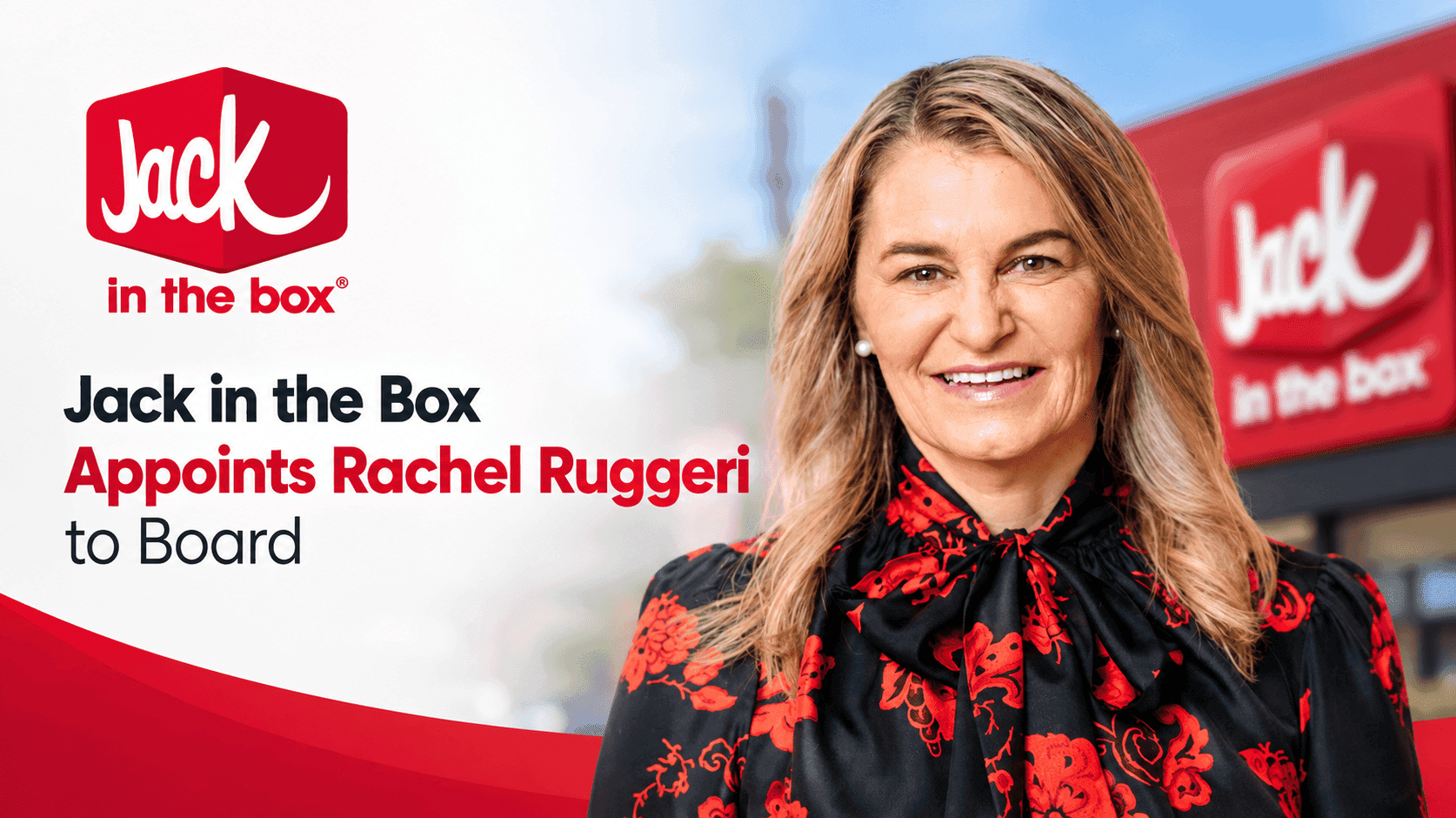
Jack in the Box names Rachel Ruggeri to its board as Michael Murphy retires, amid a CEO transition and deal with investor GreenWood.
Sep 21, 2026
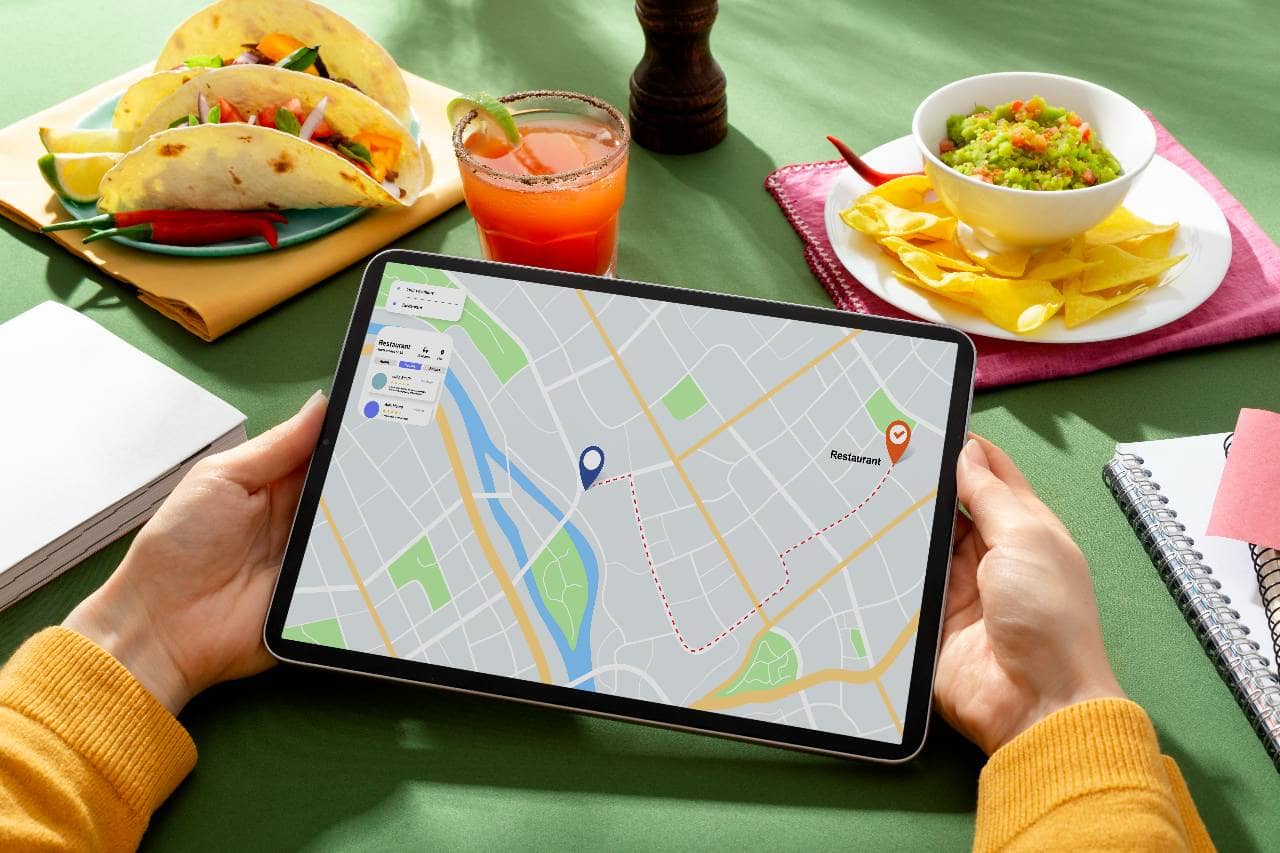
Improve restaurant Google Maps rankings by optimizing your business profile, selecting accurate categories, gathering reviews, adding photos, and strengthening local relevance signals.
Sep 21, 2026

Restaurant inventory tracking helps owners monitor stock, control food costs, reduce waste, improve purchasing, and make informed operational decisions.
Sep 21, 2026

Restaurant owners can significantly reduce restaurant costs by leveraging technology across inventory, labor, procurement, forecasting, and administrative operations for better profit margins.
Sep 18, 2026

Understand how to forecast restaurant revenue and expenses with methods for sales projection, cost scaling, fixed-cost planning, and risk buffering.
Sep 18, 2026

Unlock Exclusive Access To Webinars, Events, And The Latest News For Free!
Explore how major casual dining chains faced bankruptcies and the strategies they employed for recovery to thrive in the competitive restaurant industry.
The casual dining industry, even before the COVID-19 pandemic, faced significant challenges due to declining traffic and evolving consumer preferences. The pandemic exacerbated these issues, forcing many casual chains to rethink their strategies to survive. However, despite the hurdles, some notable brands emerged successfully from bankruptcy, showcasing resilience and adaptability.
CEC Entertainment, the parent company of Chuck E. Cheese, underwent a successful restructuring process post-bankruptcy. By closing underperforming units and revamping existing locations with modern amenities like trampolines and digital kiosks, the brand rejuvenated its appeal. Introducing initiatives like the Fun Pass subscription program and expanding menu offerings to cater to both families and adults contributed to its renewed success.
California Pizza Kitchen's bankruptcy filing in 2020 marked a turning point for the brand. Through strategic closures, debt reduction, and menu enhancements, CPK managed to navigate the crisis. Embracing domestic franchising, venturing into non-traditional spaces, and leveraging partnerships for virtual brands strengthened its position. The chain's focus on customer satisfaction and menu innovation propelled its recovery post-bankruptcy.

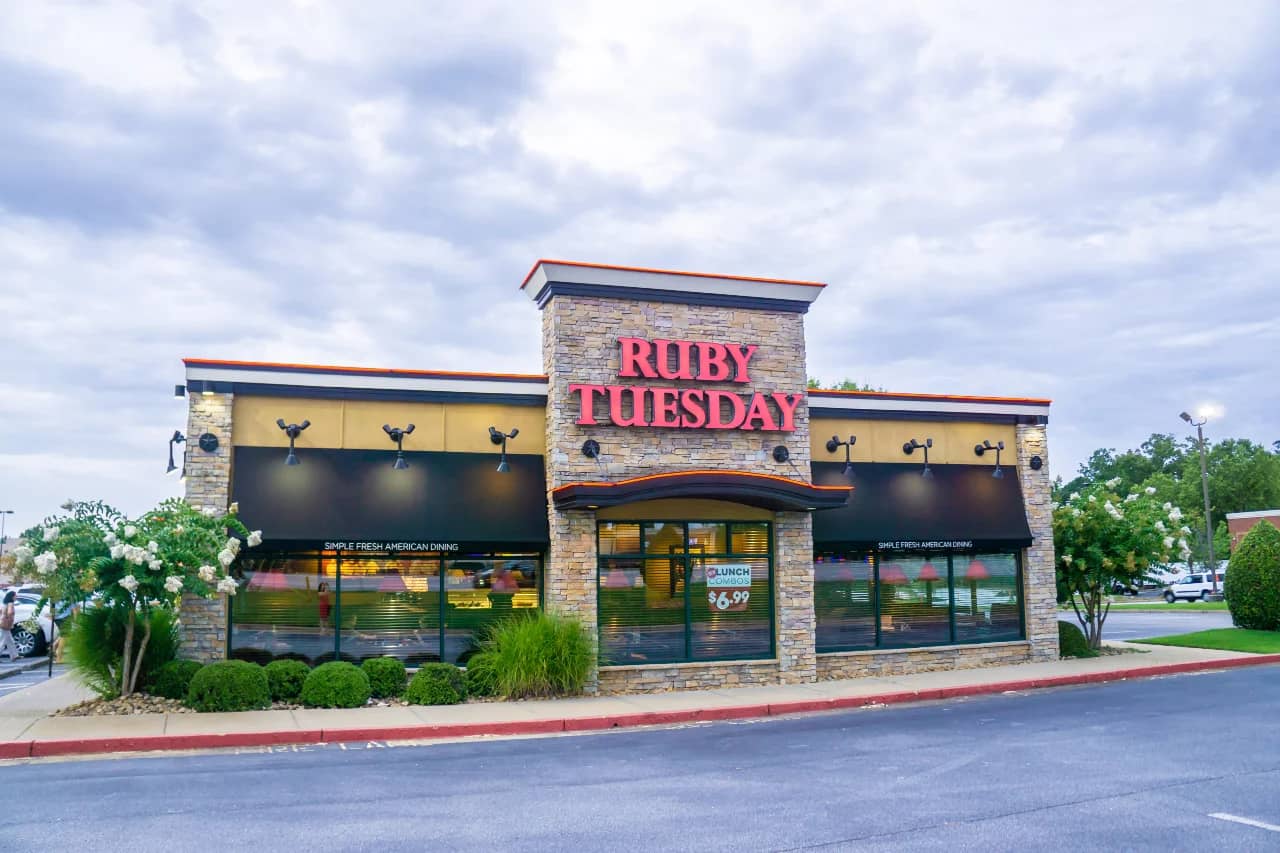
Ruby Tuesday's bankruptcy exit in 2021 paved the way for a fresh start. Leveraging off-premise channels and introducing value-focused offerings like virtual brands and meal combinations proved instrumental in regaining customer trust. By adapting its menu and enhancing customer experience, Ruby Tuesday showcased how flexibility and customer-centric strategies can lead to post-bankruptcy success.
Sizzler's bankruptcy in 2020 spurred a transformation journey focused on modernizing its brand and offerings. Through store remodels, menu revamps, and a renewed focus on customer preferences, Sizzler managed to navigate the challenging landscape. By embracing change and prioritizing customer needs, Sizzler positioned itself for growth and relevance in the competitive casual dining space.
Red Lobster's bankruptcy in 2024 highlighted the importance of strategic management and consumer engagement. Following emerging from bankruptcy with a revamped leadership team, the chain opted for a cautious approach to promotions and menu offerings. By focusing on customer satisfaction, menu enhancements, and operational efficiency, Red Lobster aimed to regain its market share and solidify its place in the industry.
TGI Fridays' turbulent year in 2024 culminated in bankruptcy, prompting a strategic shift towards franchising and offloading company-owned locations. Despite facing declining sales and challenges in capital structure, the chain focused on value-driven initiatives like menu updates and happy hour promotions to attract customers. Through strategic sales and operational adjustments, TGI Fridays aimed for a resurgence in the competitive dining landscape.