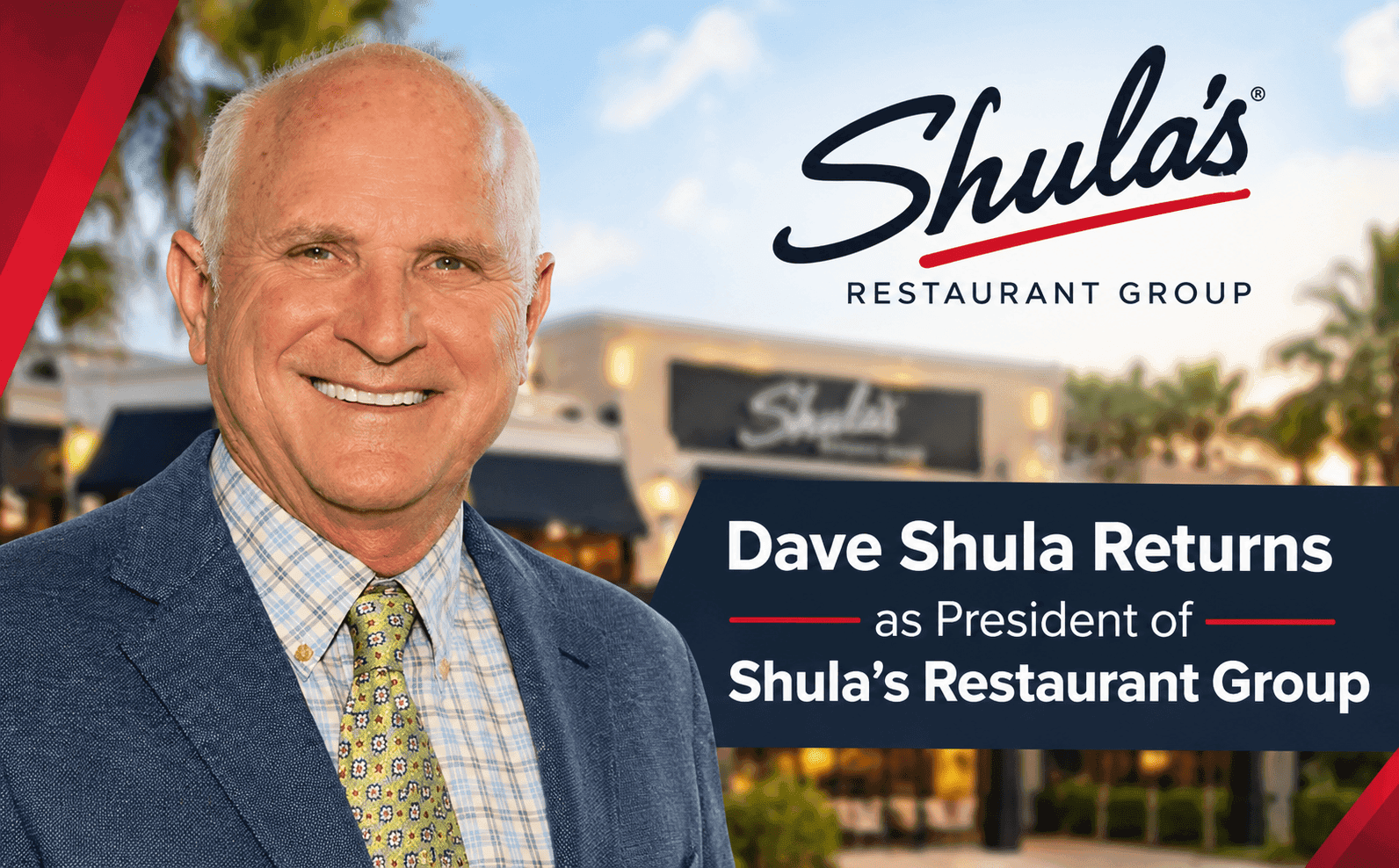
Dave Shula Returns as President of Shula's Restaurant Group
Dave Shula rejoins Shula's Restaurant Group as president, leading growth into Palm Beach Gardens and a 2027 Thomasville, Georgia expansion.
News
Sep 23, 2026
Dave Shula rejoins Shula's Restaurant Group as president, leading growth into Palm Beach Gardens and a 2027 Thomasville, Georgia expansion.
Sep 23, 2026
McDonald's commits $8.5 billion through 2036 to modernize restaurants, boost cash flow by $100,000 per store, and grow chicken and beverage sales.
Sep 23, 2026
WKS Restaurant Group promotes Jay Spongberg to president and COO after he helped grow the company from 65 to 382 restaurants over 16 years.
Sep 23, 2026

Smokey Mo's BBQ names Von Dawson, a Dine Brands veteran, as VP of Franchise Development to lead its Texas expansion strategy.
Sep 23, 2026
.png&w=3840&q=70)
Meritage Hospitality's Chapter 11 filing pulls 5% of Wendy's U.S. stores into bankruptcy, exposing cracks in franchising's bigger-is-safer bet.
Sep 21, 2026
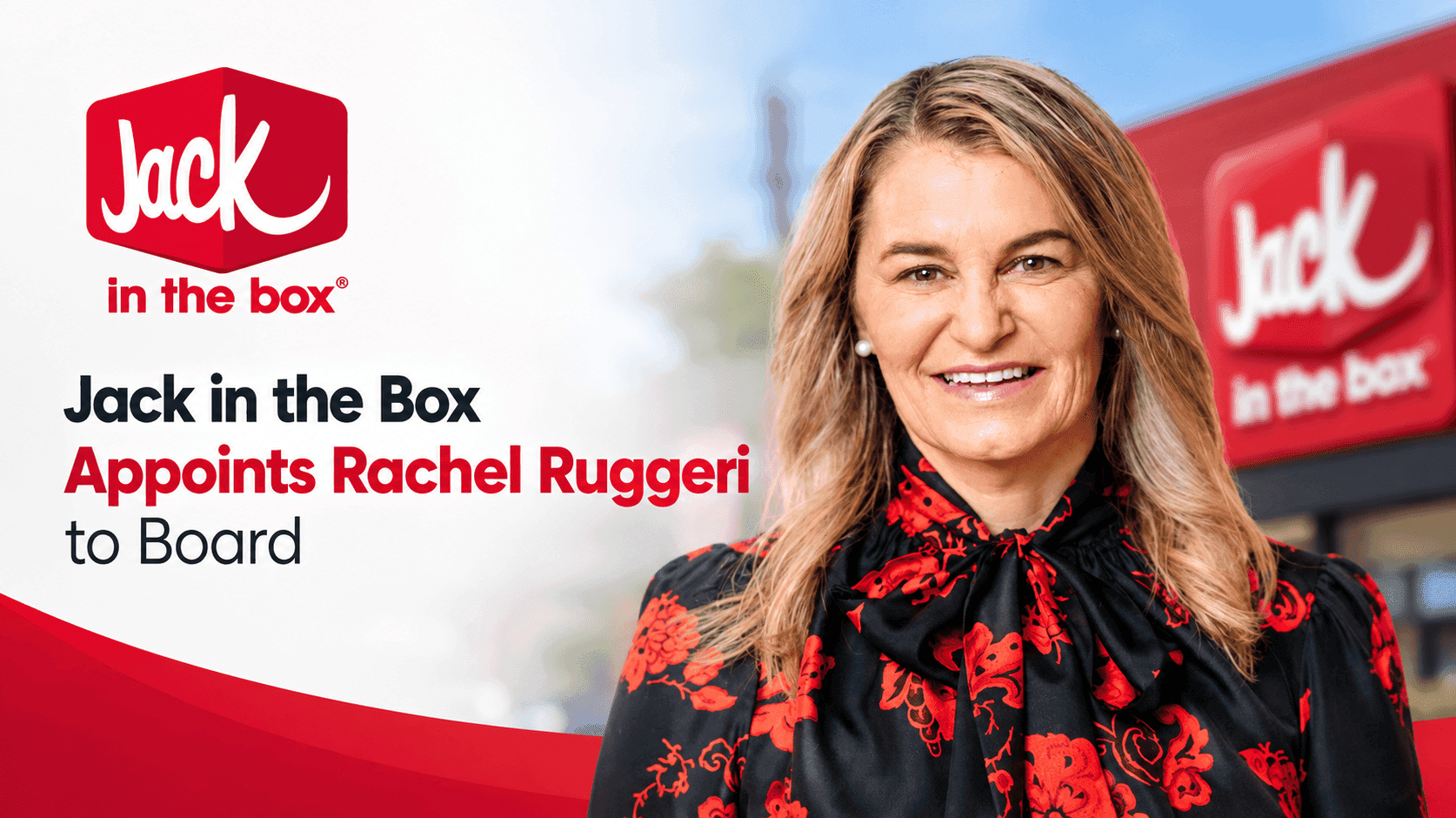
Jack in the Box names Rachel Ruggeri to its board as Michael Murphy retires, amid a CEO transition and deal with investor GreenWood.
Sep 21, 2026
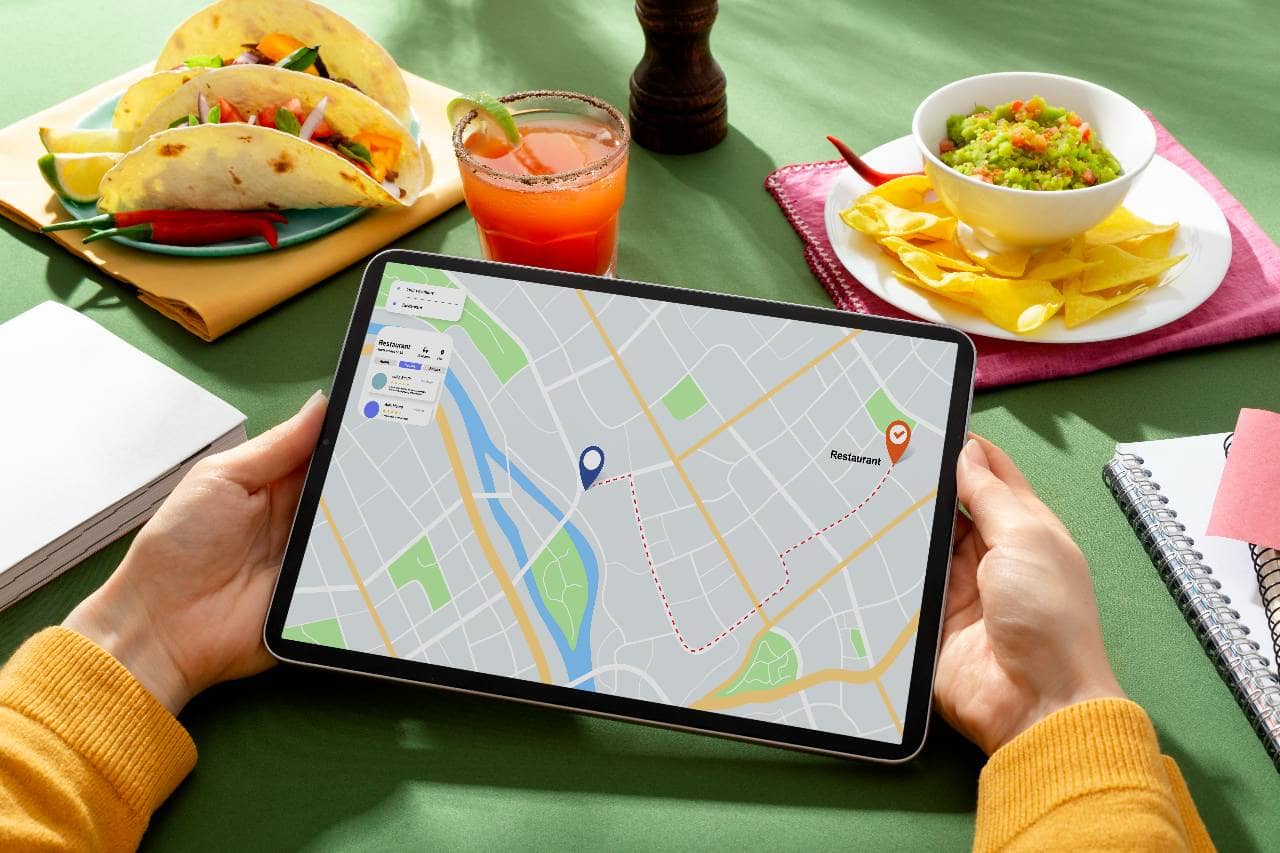
Improve restaurant Google Maps rankings by optimizing your business profile, selecting accurate categories, gathering reviews, adding photos, and strengthening local relevance signals.
Sep 21, 2026

Restaurant inventory tracking helps owners monitor stock, control food costs, reduce waste, improve purchasing, and make informed operational decisions.
Sep 21, 2026

Restaurant owners can significantly reduce restaurant costs by leveraging technology across inventory, labor, procurement, forecasting, and administrative operations for better profit margins.
Sep 18, 2026

Understand how to forecast restaurant revenue and expenses with methods for sales projection, cost scaling, fixed-cost planning, and risk buffering.
Sep 18, 2026

Unlock Exclusive Access To Webinars, Events, And The Latest News For Free!
Explore the impact of corporate layoffs and the shift towards in-person work using Starbucks as a case study. Understand the changing dynamics of corporate structures and remote work policies.
.jpg&w=3840&q=70)
Starbucks recently announced a significant reduction in its non-retail workforce, impacting at least 6.9% of its global employees in corporate support functions. The move is part of a strategic effort to streamline operations, enhance accountability, and foster agility within the organization. By eliminating layers and duplication, Starbucks aims to create smaller, more efficient teams that can adapt swiftly to market demands.
While the exact breakdown of how many corporate support employees are affected remains undisclosed, it is evident that a sizable portion of Starbucks' non-retail workforce is experiencing these job cuts. Fortunately, the approximately 345,000 hourly retail workers worldwide have been spared from these layoffs, emphasizing the company's commitment to maintaining its frontline staff. This strategic move aims to realign resources to prioritize essential roles that align with Starbucks' revised support structure.
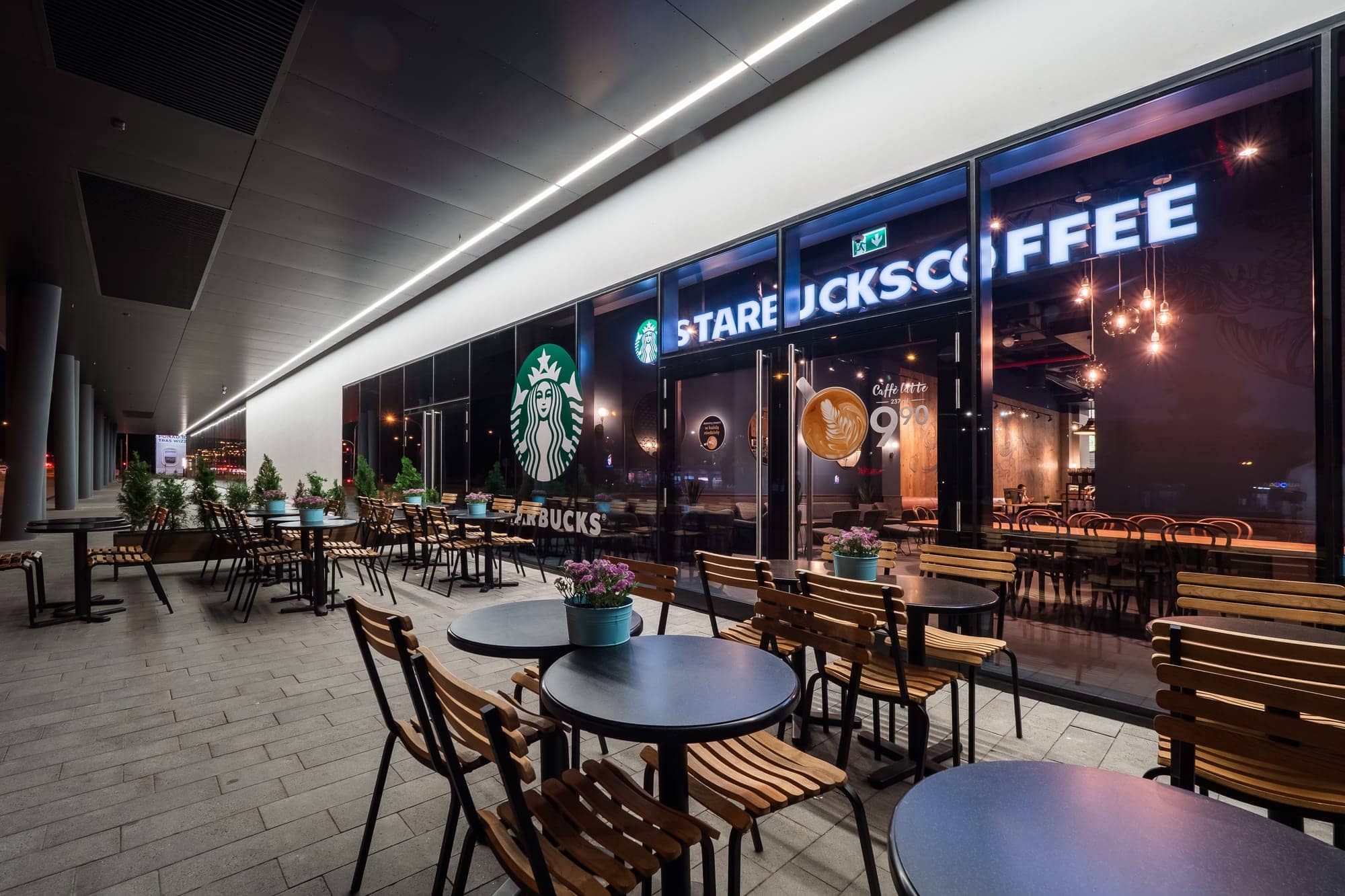
In a notable shift towards in-person work, Starbucks has mandated that North American executives at the vice president level or higher must be physically present in the office in Seattle or Toronto at least three times a week. This requirement, while not altering the existing remote work policies for other staff levels, signifies a renewed emphasis on personal interaction and collaboration within leadership ranks. Starbucks' decision reflects a broader trend in the industry towards reestablishing physical office presence and fostering direct communication channels.
Amidst the current climate of remote work adaptations, Starbucks' approach to balancing in-person and remote work serves as a case study for other organizations. By emphasizing the significance of face-to-face interactions for key leadership roles, Starbucks aims to strike a balance that optimizes operational efficiency and team dynamics. The increased focus on in-person work for certain positions underscores the evolving nature of workplace dynamics and the importance of personal connections in driving organizational success.

Starbucks' restructuring efforts and the move towards in-person work come at a time when multiple companies in the restaurant industry are restructuring and reevaluating their remote work policies. Brands like Bloomin' Brands, Denny’s, Dine Brands, and Yum Brands have all experienced layoffs or office relocations, signaling a broader trend away from remote work and towards increased in-person collaboration. These shifts highlight the delicate balance between remote flexibility and the benefits of in-person engagement in achieving organizational goals.