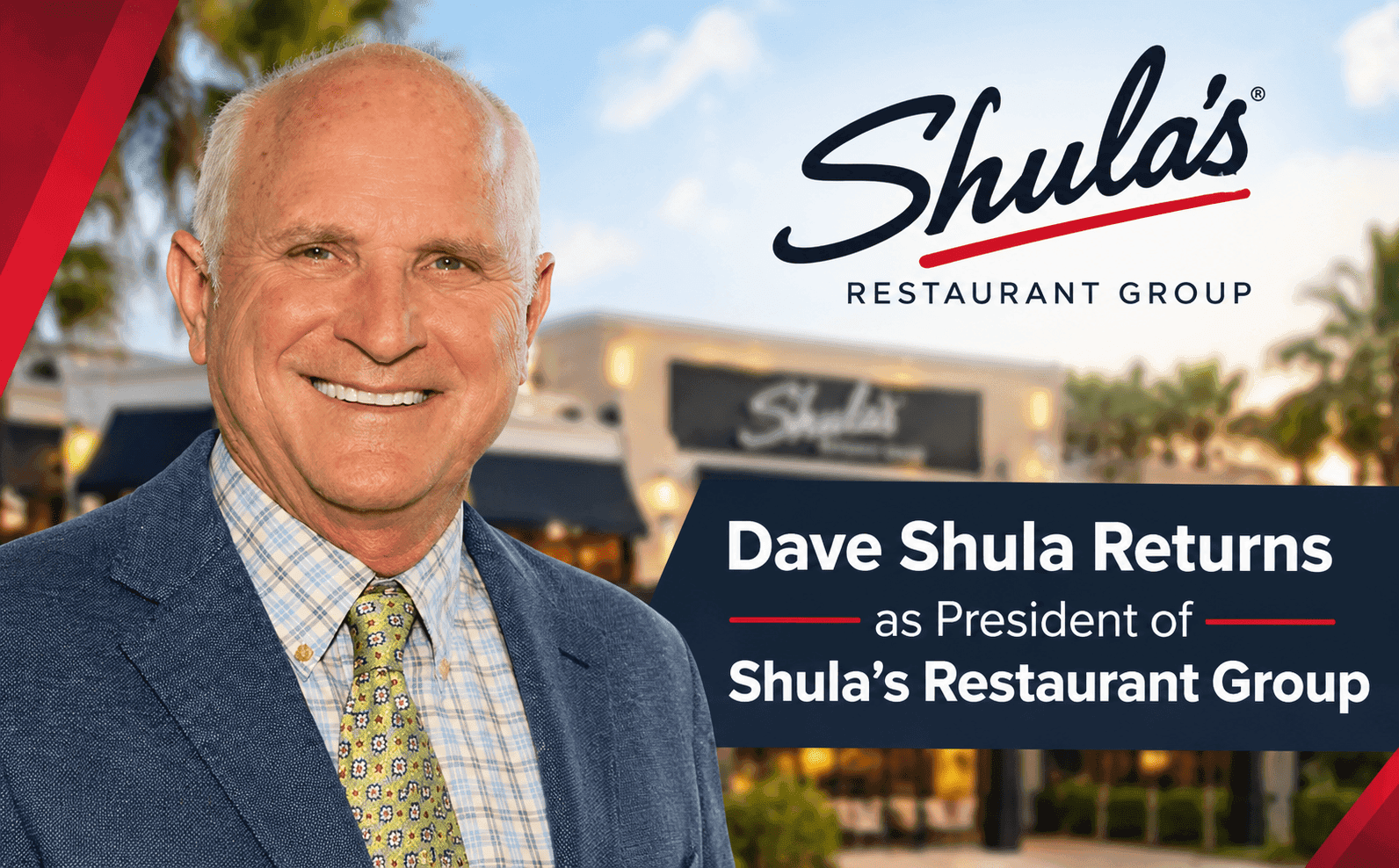
Dave Shula Returns as President of Shula's Restaurant Group
Dave Shula rejoins Shula's Restaurant Group as president, leading growth into Palm Beach Gardens and a 2027 Thomasville, Georgia expansion.
News
Sep 23, 2026
Dave Shula rejoins Shula's Restaurant Group as president, leading growth into Palm Beach Gardens and a 2027 Thomasville, Georgia expansion.
Sep 23, 2026
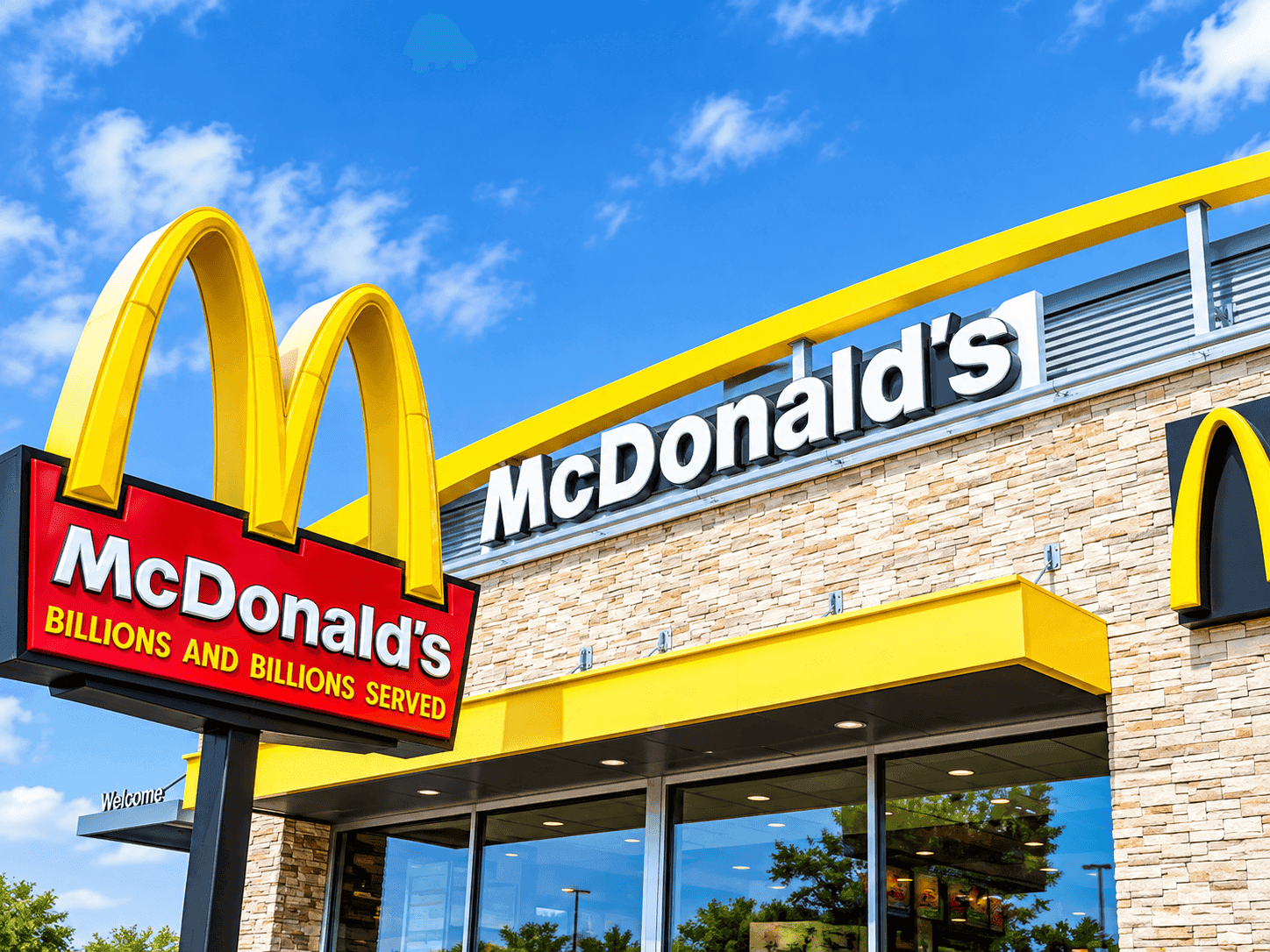
McDonald's commits $8.5 billion through 2036 to modernize restaurants, boost cash flow by $100,000 per store, and grow chicken and beverage sales.
Sep 23, 2026
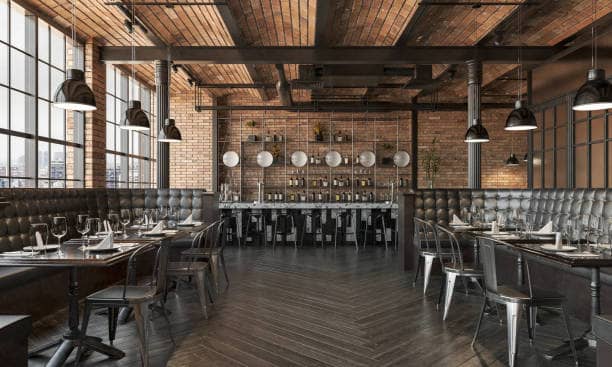
WKS Restaurant Group promotes Jay Spongberg to president and COO after he helped grow the company from 65 to 382 restaurants over 16 years.
Sep 23, 2026

Smokey Mo's BBQ names Von Dawson, a Dine Brands veteran, as VP of Franchise Development to lead its Texas expansion strategy.
Sep 23, 2026
.png&w=3840&q=70)
Meritage Hospitality's Chapter 11 filing pulls 5% of Wendy's U.S. stores into bankruptcy, exposing cracks in franchising's bigger-is-safer bet.
Sep 21, 2026
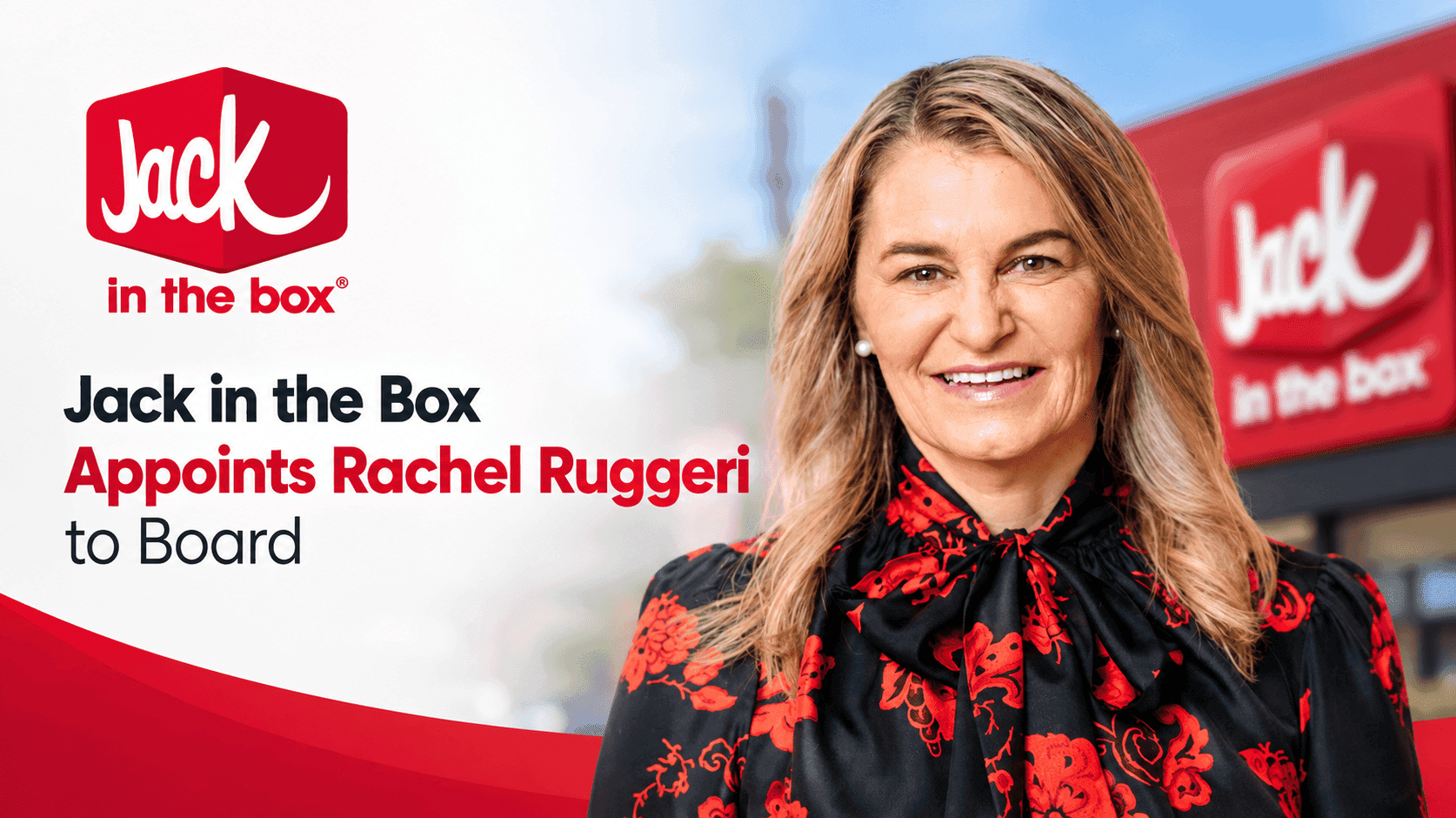
Jack in the Box names Rachel Ruggeri to its board as Michael Murphy retires, amid a CEO transition and deal with investor GreenWood.
Sep 21, 2026

Improve restaurant Google Maps rankings by optimizing your business profile, selecting accurate categories, gathering reviews, adding photos, and strengthening local relevance signals.
Sep 21, 2026

Restaurant inventory tracking helps owners monitor stock, control food costs, reduce waste, improve purchasing, and make informed operational decisions.
Sep 21, 2026

Restaurant owners can significantly reduce restaurant costs by leveraging technology across inventory, labor, procurement, forecasting, and administrative operations for better profit margins.
Sep 18, 2026

Understand how to forecast restaurant revenue and expenses with methods for sales projection, cost scaling, fixed-cost planning, and risk buffering.
Sep 18, 2026

Unlock Exclusive Access To Webinars, Events, And The Latest News For Free!
Explore the intersection of employee rights, artificial intelligence, and workplace ethics in light of recent legal cases.

Photo by Melanie Lim
The case of a former crew member at a Dunkin’ franchise highlights the complex relationship between artificial intelligence (AI) and employee rights in the workplace. The worker's inquiry into the legality of the tips distribution process, facilitated by a web search, sparked a contentious response from their supervisor, who dismissed the findings as 'AI' and not applicable to Dunkin’ Donuts. This incident underscores the growing influence of technology in employment practices and the need for a balanced understanding of how AI intersects with employee rights.
In the legal battle between the employee and the Dunkin’ franchisee, key issues concerning compensation law and fair payment practices surfaced. The pooling and delayed distribution of tips without transparency regarding the allocation method raised concerns about compliance with labor regulations. The employee's termination following the inquiry into this practice not only brought attention to potential violations but also highlighted the critical role of transparency and communication in ensuring fair compensation for workers.

Photo by Melanie Lim
The Fair Labor Standards Act (FLSA) serves as a cornerstone for protecting employees' rights in the United States. In the case against Simone’s Inc., the employee claimed nonpayment of wages in violation of Connecticut law and retaliation under the FLSA. This legal framework establishes a robust shield for workers against unfair labor practices and retaliation, emphasizing the importance of upholding employee rights and ensuring just treatment in the workplace.

Photo by Melanie Lim
As organizations integrate artificial intelligence into their operations, ethical considerations around AI usage become paramount. The dismissal of the employee’s findings as 'AI' rather than addressing the underlying legal concerns sheds light on the challenges of AI ethics in workplace culture. Employers must navigate the ethical implications of AI tools, ensuring that technology aligns with legal standards and ethical practices while respecting employee rights and fostering a transparent work environment.
The U.S. Department of Labor underscores the employee-friendly nature of the FLSA standard for protected activity. Even if an employer disputes payment discrepancies, the employee's expression of concerns regarding fair compensation is deemed as protected activity. This emphasis on empowering employees to raise issues without fear of retaliation reinforces a culture of compliance and accountability in workplaces, emphasizing the need for transparent communication and fair treatment of workers.

Photo by Melanie Lim