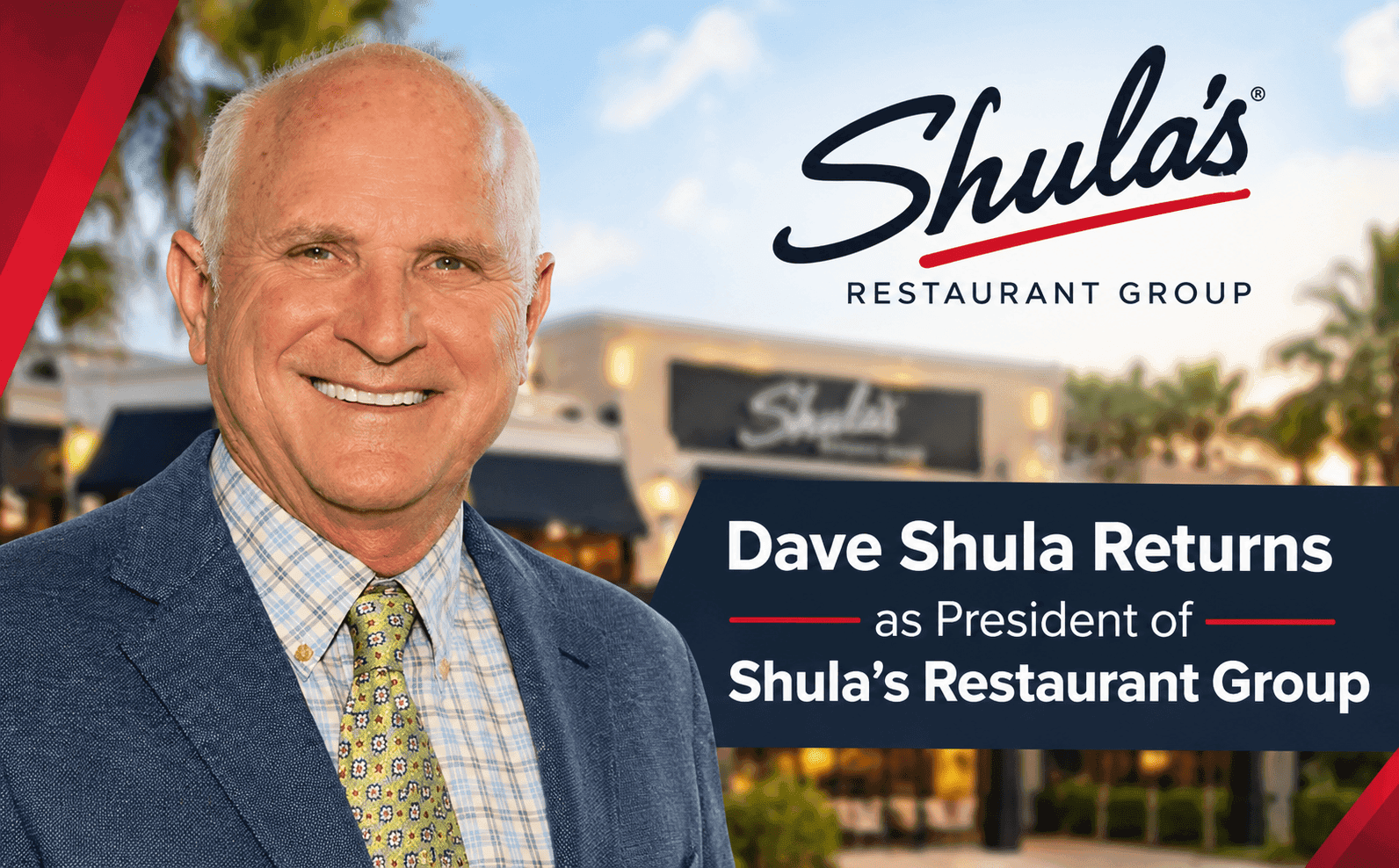
Dave Shula Returns as President of Shula's Restaurant Group
Dave Shula rejoins Shula's Restaurant Group as president, leading growth into Palm Beach Gardens and a 2027 Thomasville, Georgia expansion.
News
Sep 23, 2026
Dave Shula rejoins Shula's Restaurant Group as president, leading growth into Palm Beach Gardens and a 2027 Thomasville, Georgia expansion.
Sep 23, 2026
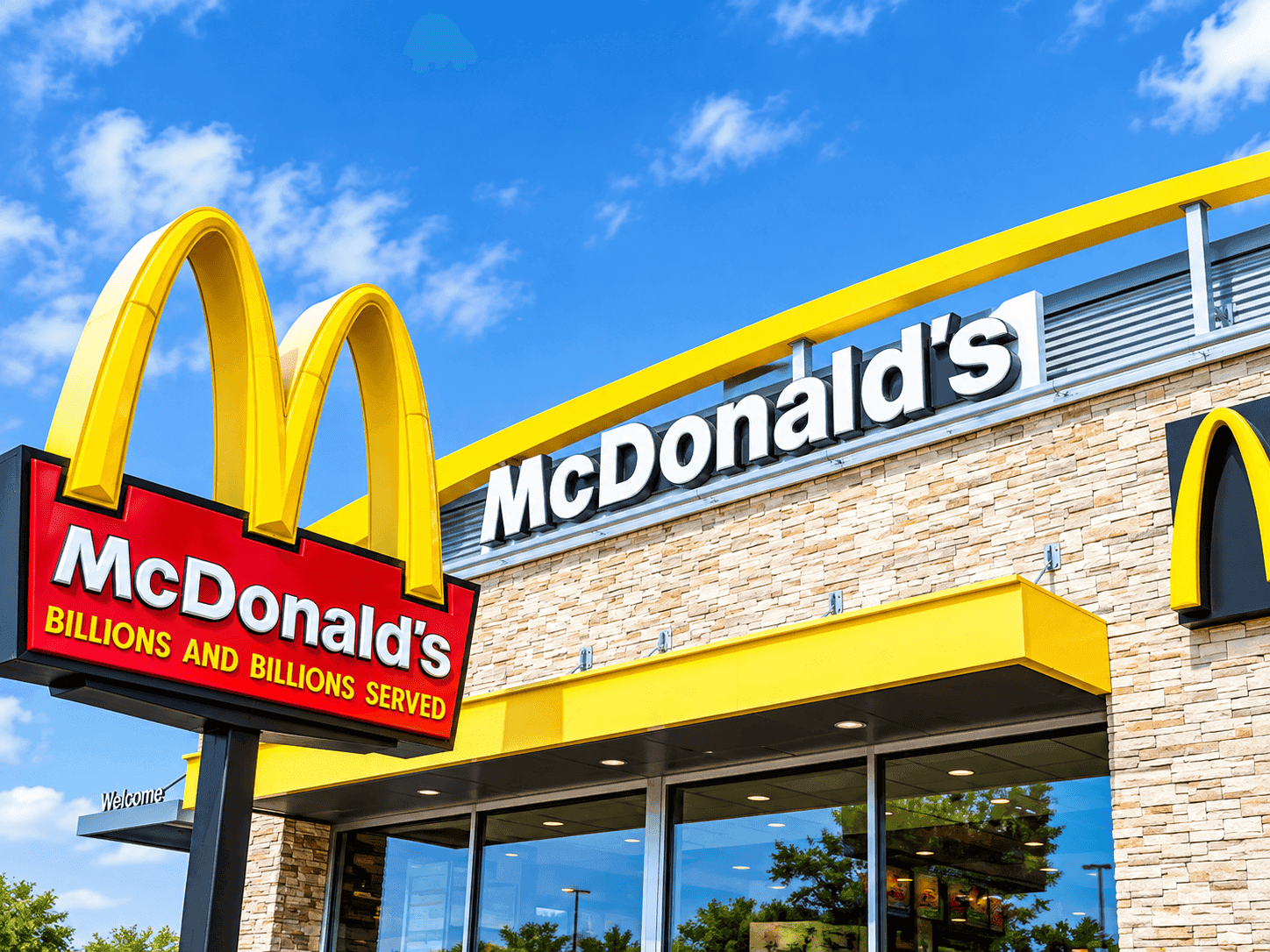
McDonald's commits $8.5 billion through 2036 to modernize restaurants, boost cash flow by $100,000 per store, and grow chicken and beverage sales.
Sep 23, 2026
WKS Restaurant Group promotes Jay Spongberg to president and COO after he helped grow the company from 65 to 382 restaurants over 16 years.
Sep 23, 2026

Smokey Mo's BBQ names Von Dawson, a Dine Brands veteran, as VP of Franchise Development to lead its Texas expansion strategy.
Sep 23, 2026
.png&w=3840&q=70)
Meritage Hospitality's Chapter 11 filing pulls 5% of Wendy's U.S. stores into bankruptcy, exposing cracks in franchising's bigger-is-safer bet.
Sep 21, 2026
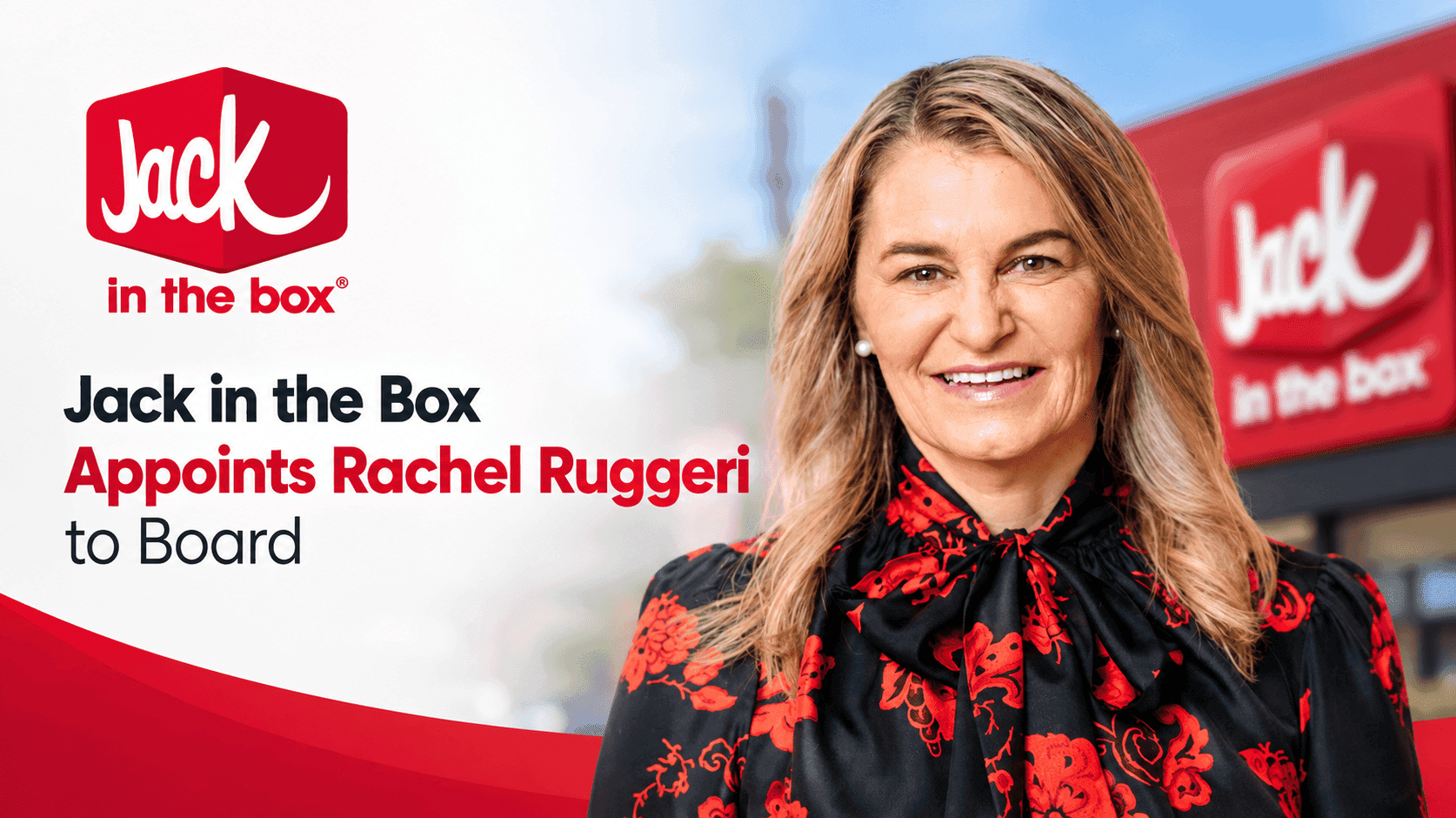
Jack in the Box names Rachel Ruggeri to its board as Michael Murphy retires, amid a CEO transition and deal with investor GreenWood.
Sep 21, 2026

Improve restaurant Google Maps rankings by optimizing your business profile, selecting accurate categories, gathering reviews, adding photos, and strengthening local relevance signals.
Sep 21, 2026

Restaurant inventory tracking helps owners monitor stock, control food costs, reduce waste, improve purchasing, and make informed operational decisions.
Sep 21, 2026

Restaurant owners can significantly reduce restaurant costs by leveraging technology across inventory, labor, procurement, forecasting, and administrative operations for better profit margins.
Sep 18, 2026

Understand how to forecast restaurant revenue and expenses with methods for sales projection, cost scaling, fixed-cost planning, and risk buffering.
Sep 18, 2026

Unlock Exclusive Access To Webinars, Events, And The Latest News For Free!
Explore how restaurant chains handle closures, workforce shifts, and challenges amidst industry turbulence. Learn about strategies for managing closures and optimizing workforce.

Photo by ERIC ZHU
Restaurant chains often face the daunting task of managing closures due to various reasons such as performance issues, economic challenges, or strategic business decisions. The recent closures announced by leading companies like Darden highlight the importance of conducting thorough analyses to determine the viability of individual units within a chain. By carefully evaluating store performance, companies can make informed decisions on closures to optimize their operational efficiency and overall profitability.

Photo by ERIC ZHU
One critical aspect of restaurant closures is the management of the workforce affected by these decisions. In the case of Darden, the company's strategy of shifting workers from closing units to other nearby restaurants demonstrates a proactive approach to retaining talent within the organization. By prioritizing the transfer of employees and providing severance pay to those who cannot be relocated, companies can mitigate the impact of closures on their workforce and uphold their commitment to employee welfare.

Photo by ERIC ZHU
The restaurant industry has been facing significant challenges even before the onset of external factors like tariff policies and global market disruptions. Companies across the sector, especially in the full-service segment, have been experiencing operational difficulties and financial strains. The examples of Dine Brands, Bloomin', Denny's, and Red Robin reflect the prevailing turbulence in the industry, characterized by closures, layoffs, and the need to adapt to changing market conditions.
Amidst the challenging landscape, restaurant chains must devise strategies to navigate uncertainties and sustain their operations. Emphasizing innovation, customer engagement, and operational excellence becomes crucial for companies aiming to thrive in competitive markets. By leveraging data-driven insights, refining menu offerings, optimizing delivery services, and enhancing the overall dining experience, restaurants can differentiate themselves and attract customers amidst industry disruptions.

Photo by ERIC ZHU
While many restaurant chains grapple with closures and market challenges, success stories like Olive Garden's sales growth signify opportunities for resilience and expansion. Olive Garden's strategic focus on enhancing same-store sales and gradually increasing its footprint exemplifies the potential for sustained growth in a competitive environment. By investing in customer-centric initiatives, brand loyalty programs, and operational efficiencies, companies can position themselves for long-term success despite industry headwinds.