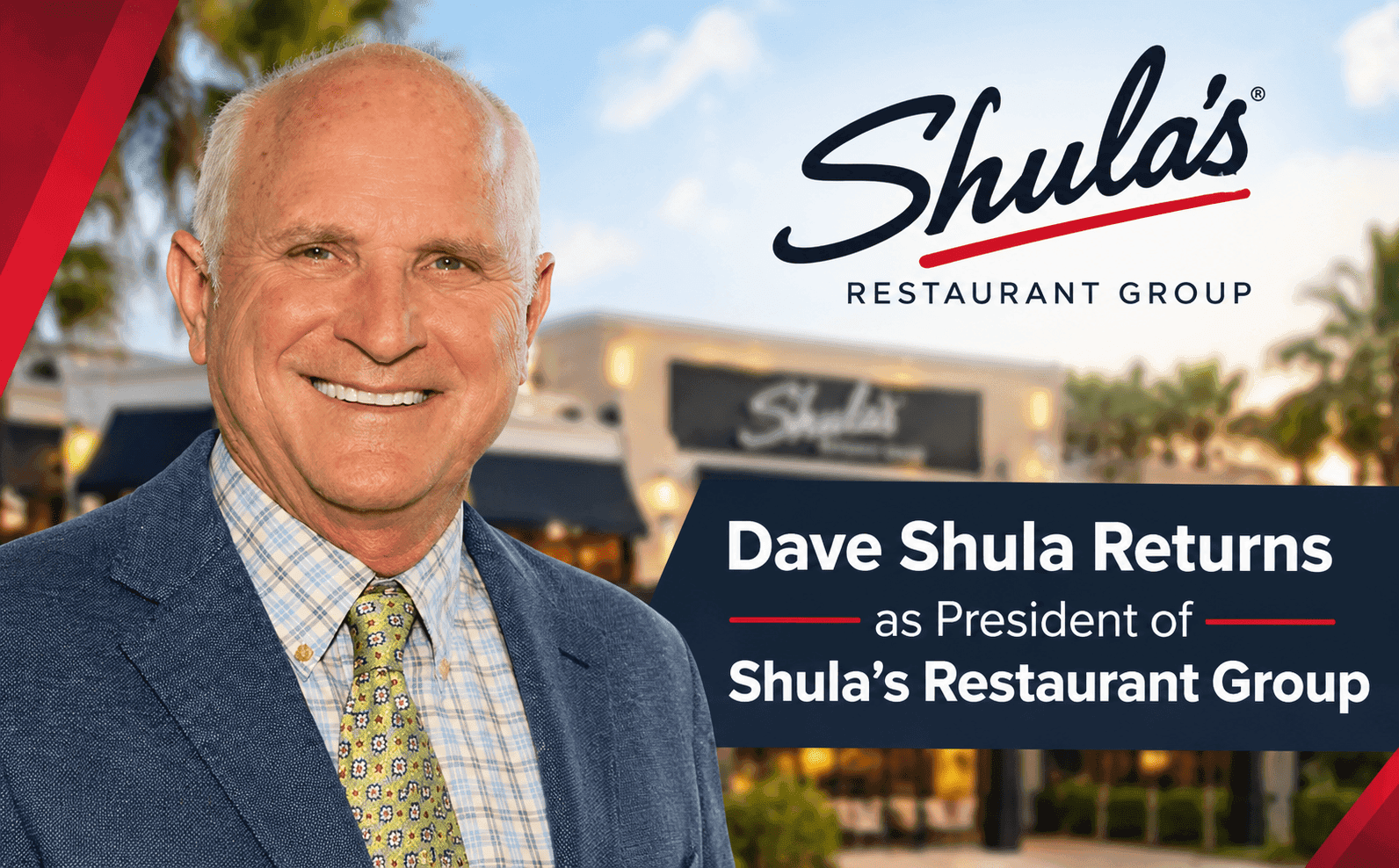
Dave Shula Returns as President of Shula's Restaurant Group
Dave Shula rejoins Shula's Restaurant Group as president, leading growth into Palm Beach Gardens and a 2027 Thomasville, Georgia expansion.
News
Sep 23, 2026
Dave Shula rejoins Shula's Restaurant Group as president, leading growth into Palm Beach Gardens and a 2027 Thomasville, Georgia expansion.
Sep 23, 2026

McDonald's commits $8.5 billion through 2036 to modernize restaurants, boost cash flow by $100,000 per store, and grow chicken and beverage sales.
Sep 23, 2026
WKS Restaurant Group promotes Jay Spongberg to president and COO after he helped grow the company from 65 to 382 restaurants over 16 years.
Sep 23, 2026

Smokey Mo's BBQ names Von Dawson, a Dine Brands veteran, as VP of Franchise Development to lead its Texas expansion strategy.
Sep 23, 2026
.png&w=3840&q=70)
Meritage Hospitality's Chapter 11 filing pulls 5% of Wendy's U.S. stores into bankruptcy, exposing cracks in franchising's bigger-is-safer bet.
Sep 21, 2026
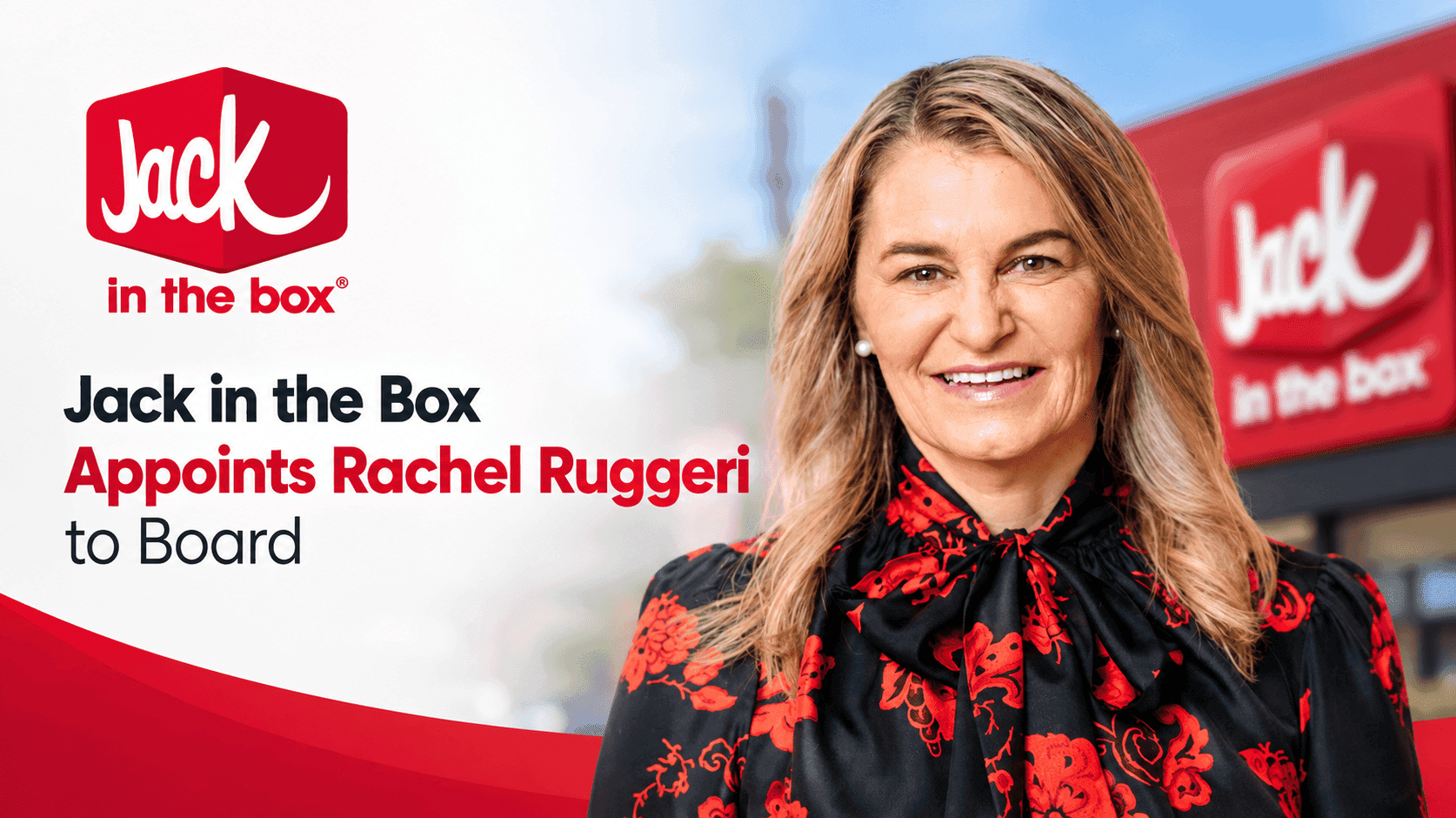
Jack in the Box names Rachel Ruggeri to its board as Michael Murphy retires, amid a CEO transition and deal with investor GreenWood.
Sep 21, 2026
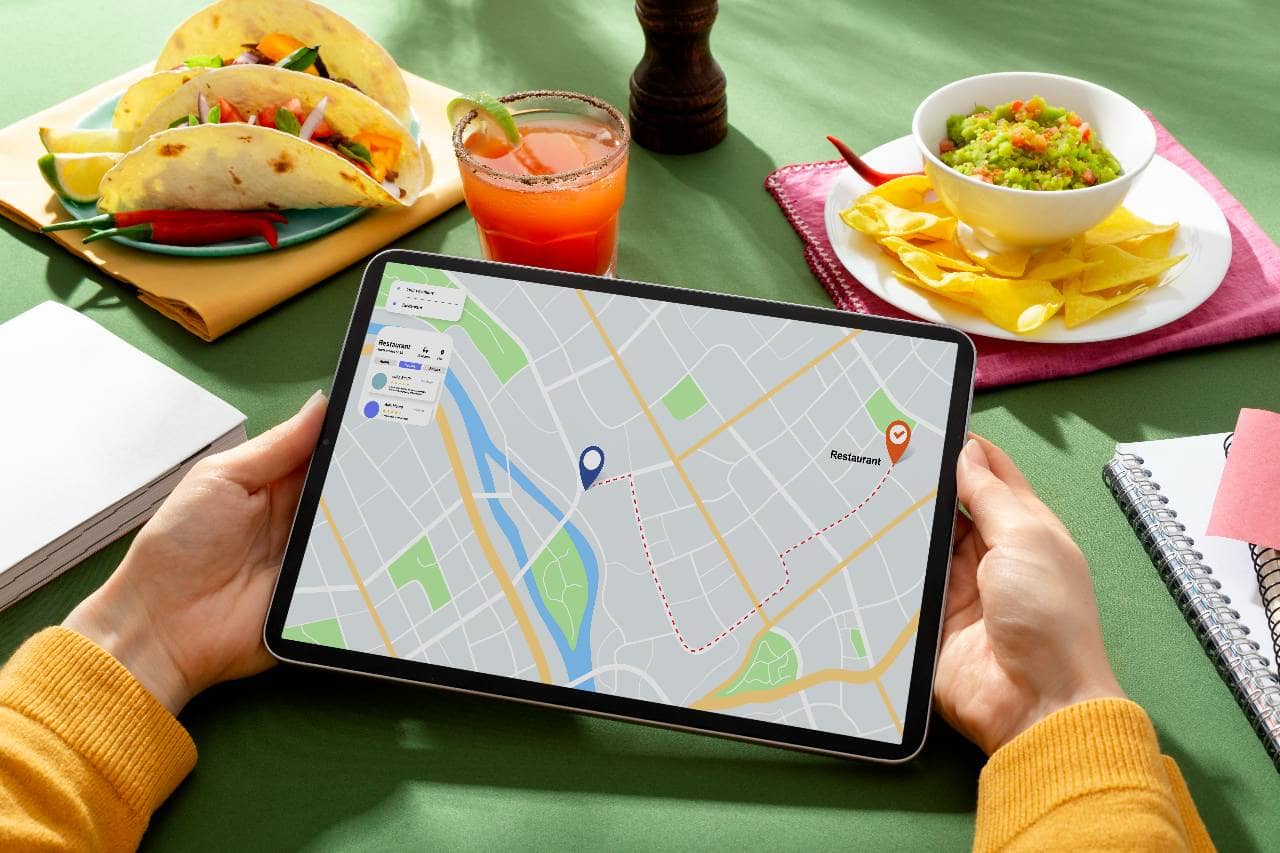
Improve restaurant Google Maps rankings by optimizing your business profile, selecting accurate categories, gathering reviews, adding photos, and strengthening local relevance signals.
Sep 21, 2026

Restaurant inventory tracking helps owners monitor stock, control food costs, reduce waste, improve purchasing, and make informed operational decisions.
Sep 21, 2026

Restaurant owners can significantly reduce restaurant costs by leveraging technology across inventory, labor, procurement, forecasting, and administrative operations for better profit margins.
Sep 18, 2026

Understand how to forecast restaurant revenue and expenses with methods for sales projection, cost scaling, fixed-cost planning, and risk buffering.
Sep 18, 2026

Unlock Exclusive Access To Webinars, Events, And The Latest News For Free!
Explore the recent changes in Starbucks' remote work policy, implications for employees, and the shift towards in-office culture.
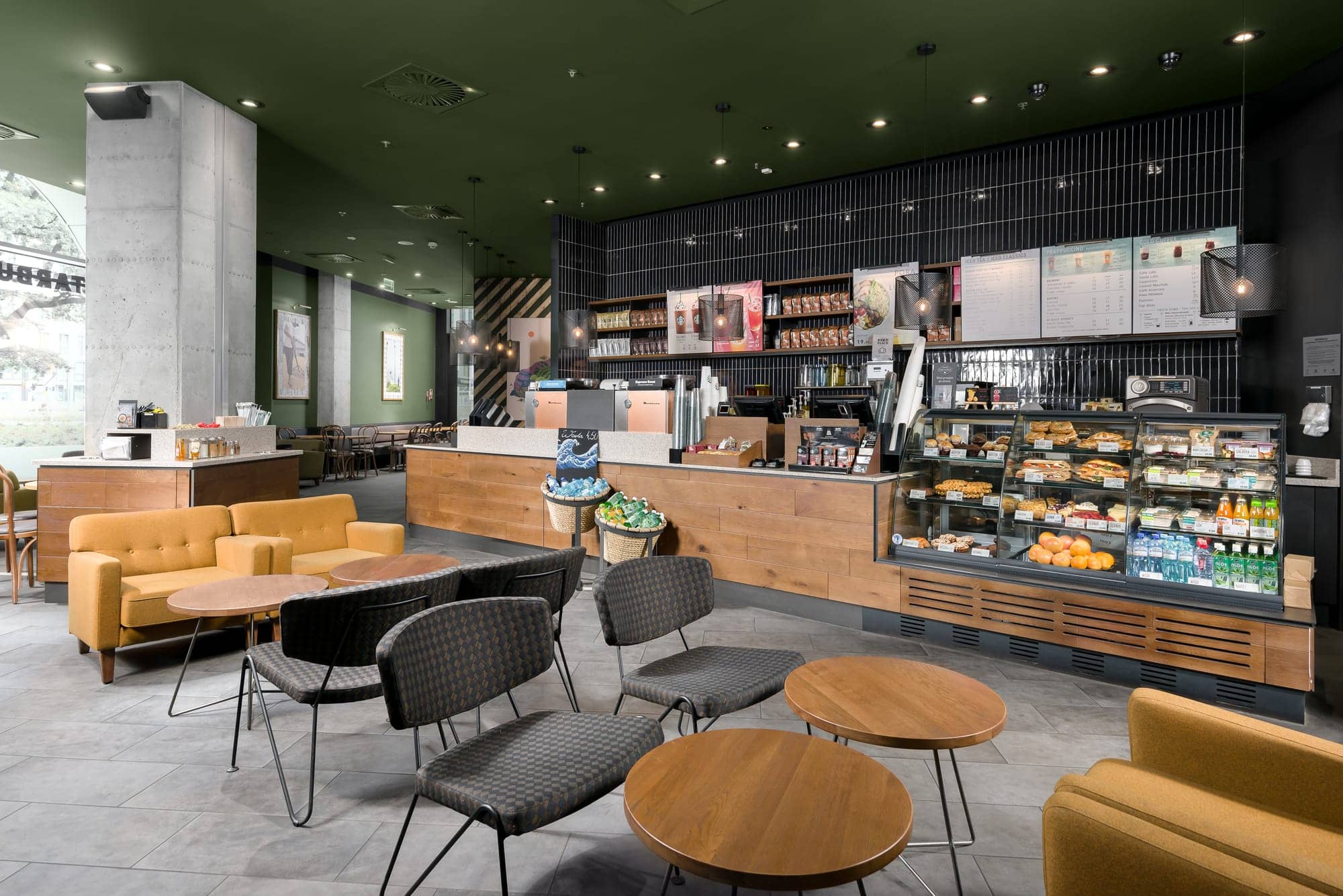
Starbucks recently announced significant updates to its remote work policy, marking a shift back to in-office roles for corporate employees. This decision follows a two-year period during which Starbucks started bringing employees back to physical office locations. Initially, this move sparked some resistance among corporate workers, leading to appeals to Starbucks to reconsider its Return to Office (RTO) policies.
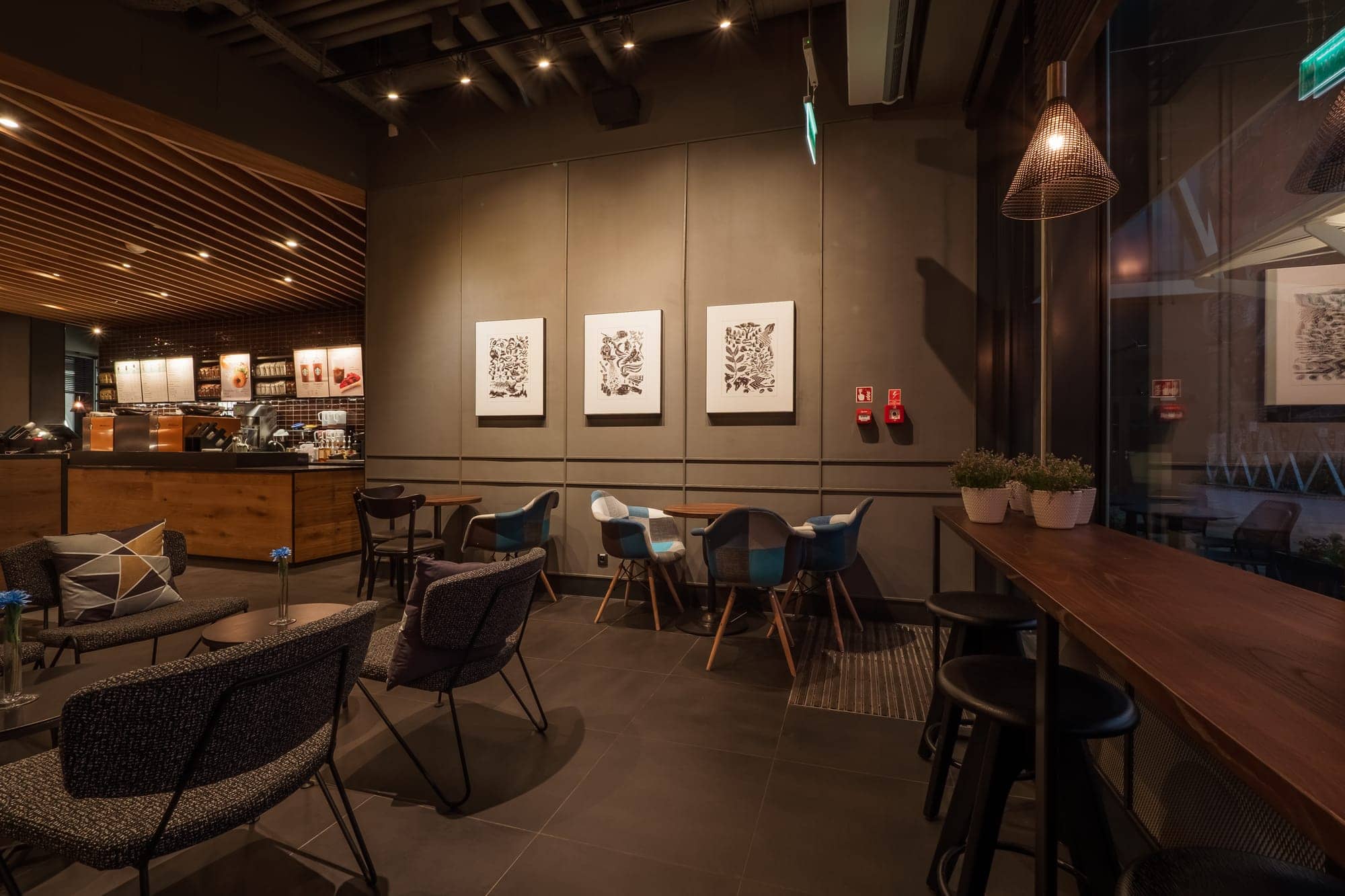
The latest policy iteration states that Starbucks will maintain certain corporate roles in local markets and won't mandate relocation for individual contributors. However, all future hiring for corporate positions and lateral transfers within the company must now be based in either Seattle or Toronto. This move emphasizes the company's aim to nurture an in-office culture, believing that the best work outcomes are achieved through collaborative in-person interactions.
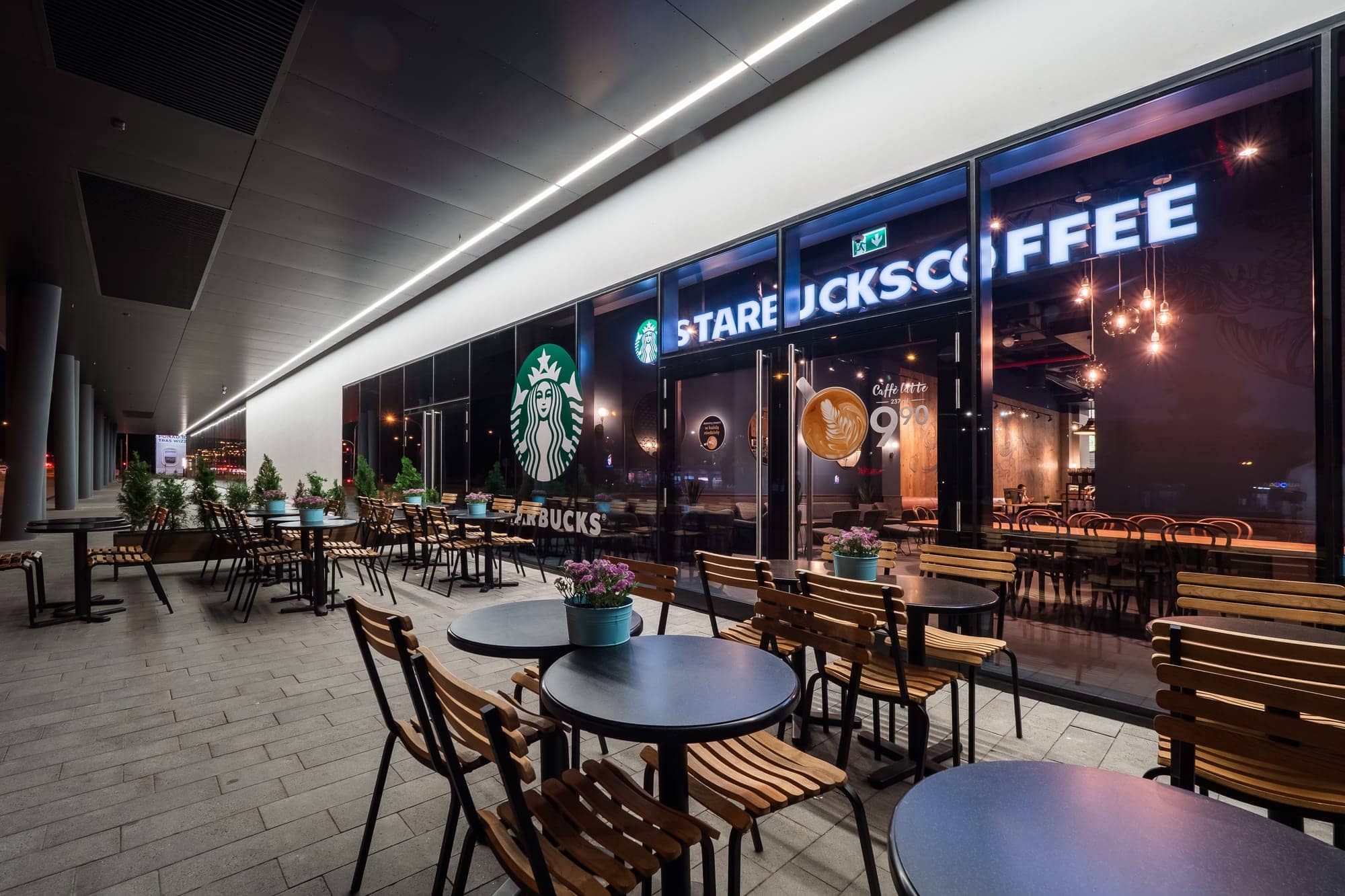
In articulating the rationale behind the increased in-office requirements, executives highlighted the importance of fostering an office environment conducive to effective teamwork and innovation. Despite this, Starbucks acknowledges the need for flexibility, recognizing that tasks often require employees to be outside the office premises, engaging with various stakeholders or traveling for business purposes.

To support employees through this transition, Starbucks is offering a one-time cash payment to those who opt to leave the company instead of returning to the office. This voluntary departure package aims to provide individuals with an alternative in alignment with their preferences. Notably, the company leadership plans to provide further details on this initiative to employees in the near future.
When examining the leadership's approach to the policy, it's interesting to note that upon his appointment, the current executive was not required to relocate to Seattle, indicating an acknowledgment of the changing dynamics in work arrangements. This reflects a degree of adaptability in decision-making at the higher echelons of the organization.