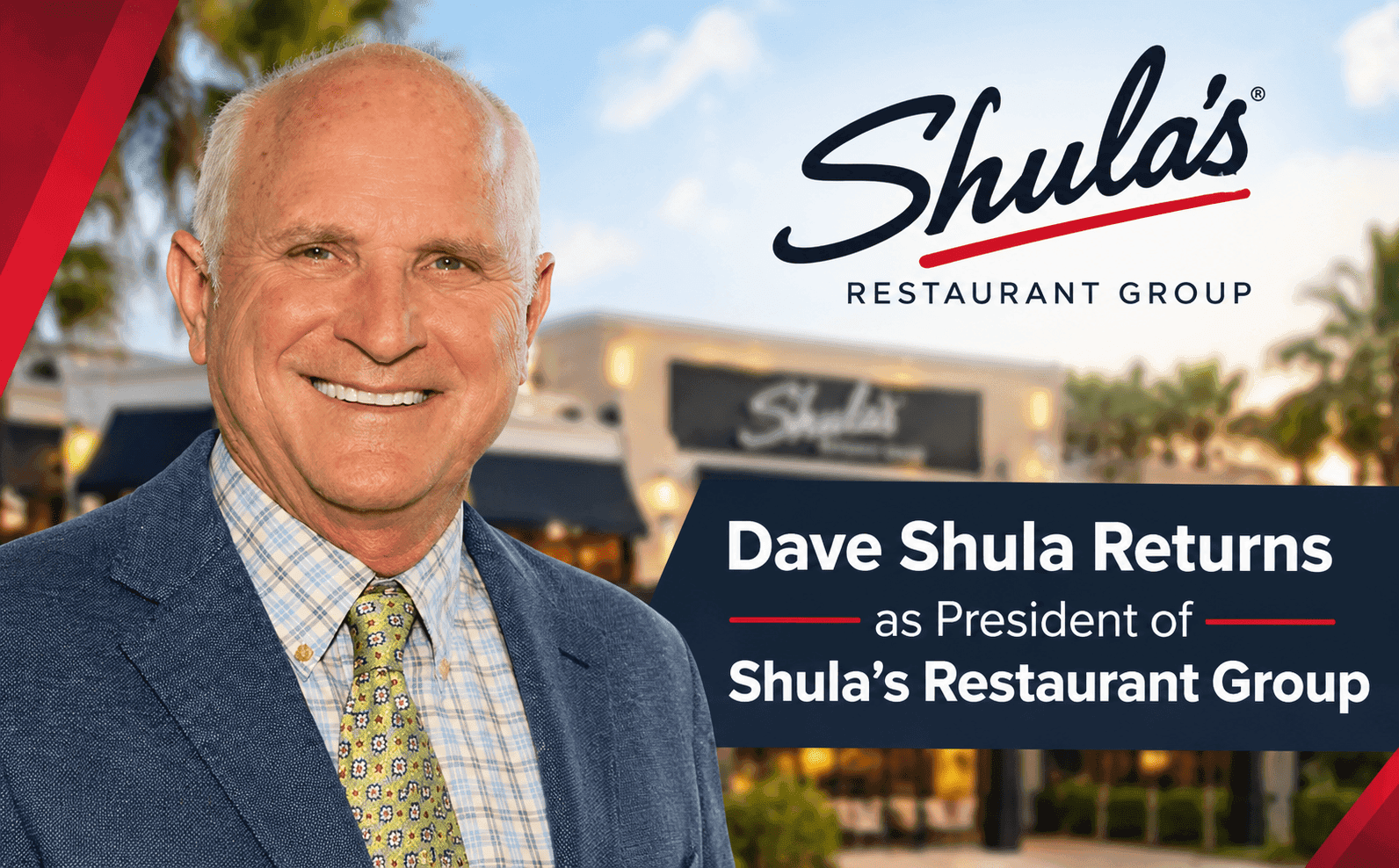
Dave Shula Returns as President of Shula's Restaurant Group
Dave Shula rejoins Shula's Restaurant Group as president, leading growth into Palm Beach Gardens and a 2027 Thomasville, Georgia expansion.
News
Sep 23, 2026
Dave Shula rejoins Shula's Restaurant Group as president, leading growth into Palm Beach Gardens and a 2027 Thomasville, Georgia expansion.
Sep 23, 2026
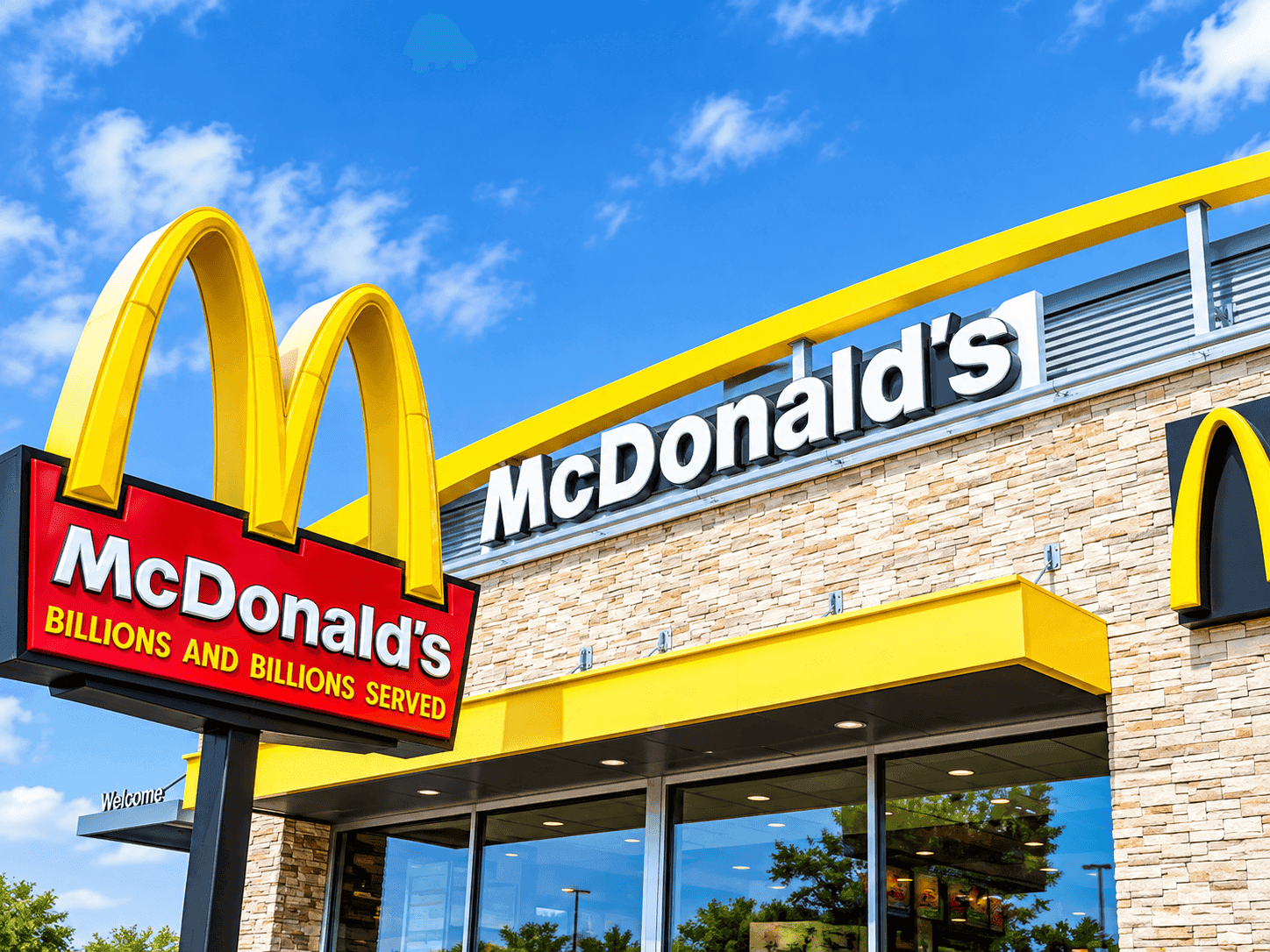
McDonald's commits $8.5 billion through 2036 to modernize restaurants, boost cash flow by $100,000 per store, and grow chicken and beverage sales.
Sep 23, 2026
WKS Restaurant Group promotes Jay Spongberg to president and COO after he helped grow the company from 65 to 382 restaurants over 16 years.
Sep 23, 2026

Smokey Mo's BBQ names Von Dawson, a Dine Brands veteran, as VP of Franchise Development to lead its Texas expansion strategy.
Sep 23, 2026
.png&w=3840&q=70)
Meritage Hospitality's Chapter 11 filing pulls 5% of Wendy's U.S. stores into bankruptcy, exposing cracks in franchising's bigger-is-safer bet.
Sep 21, 2026
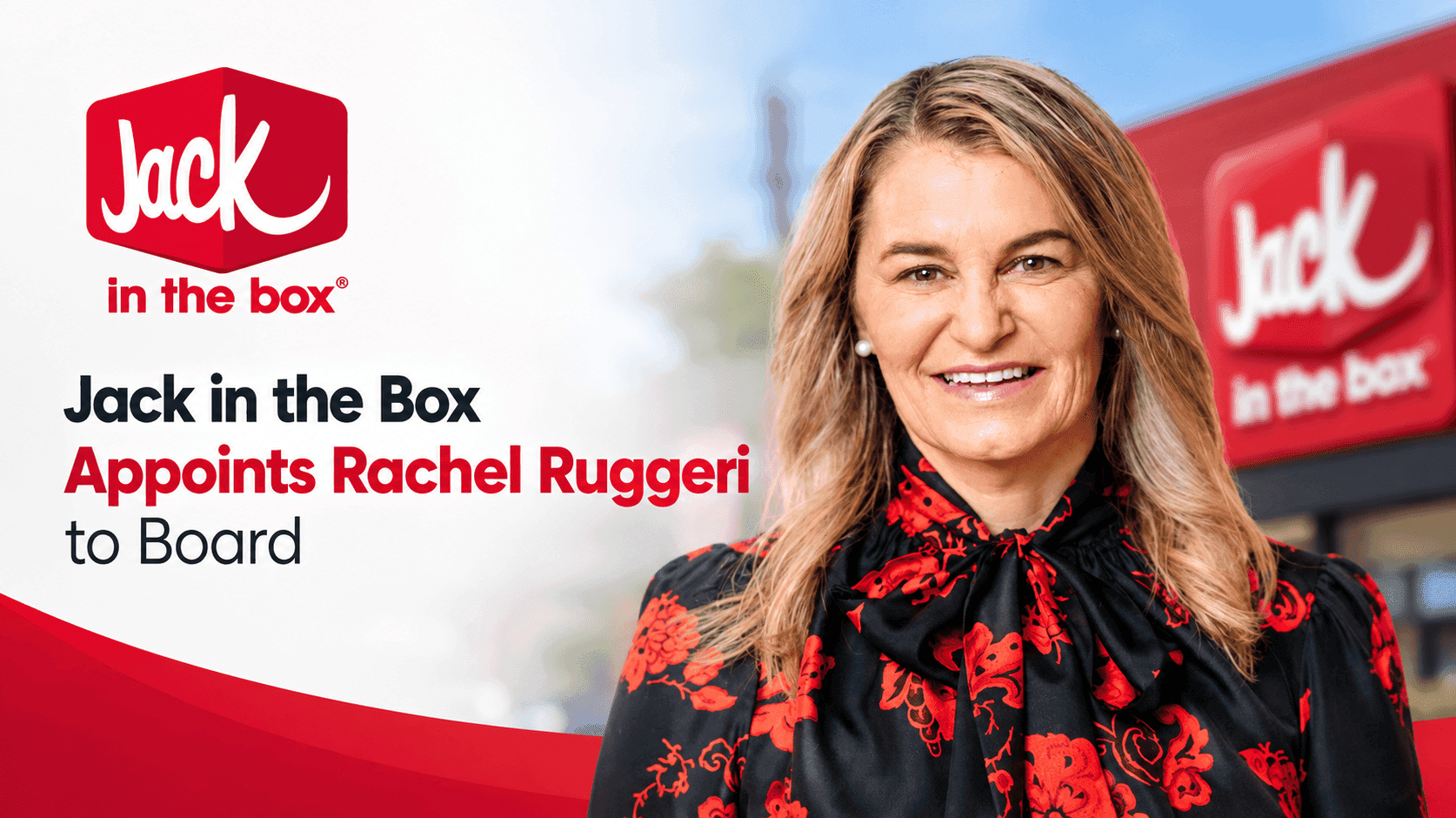
Jack in the Box names Rachel Ruggeri to its board as Michael Murphy retires, amid a CEO transition and deal with investor GreenWood.
Sep 21, 2026
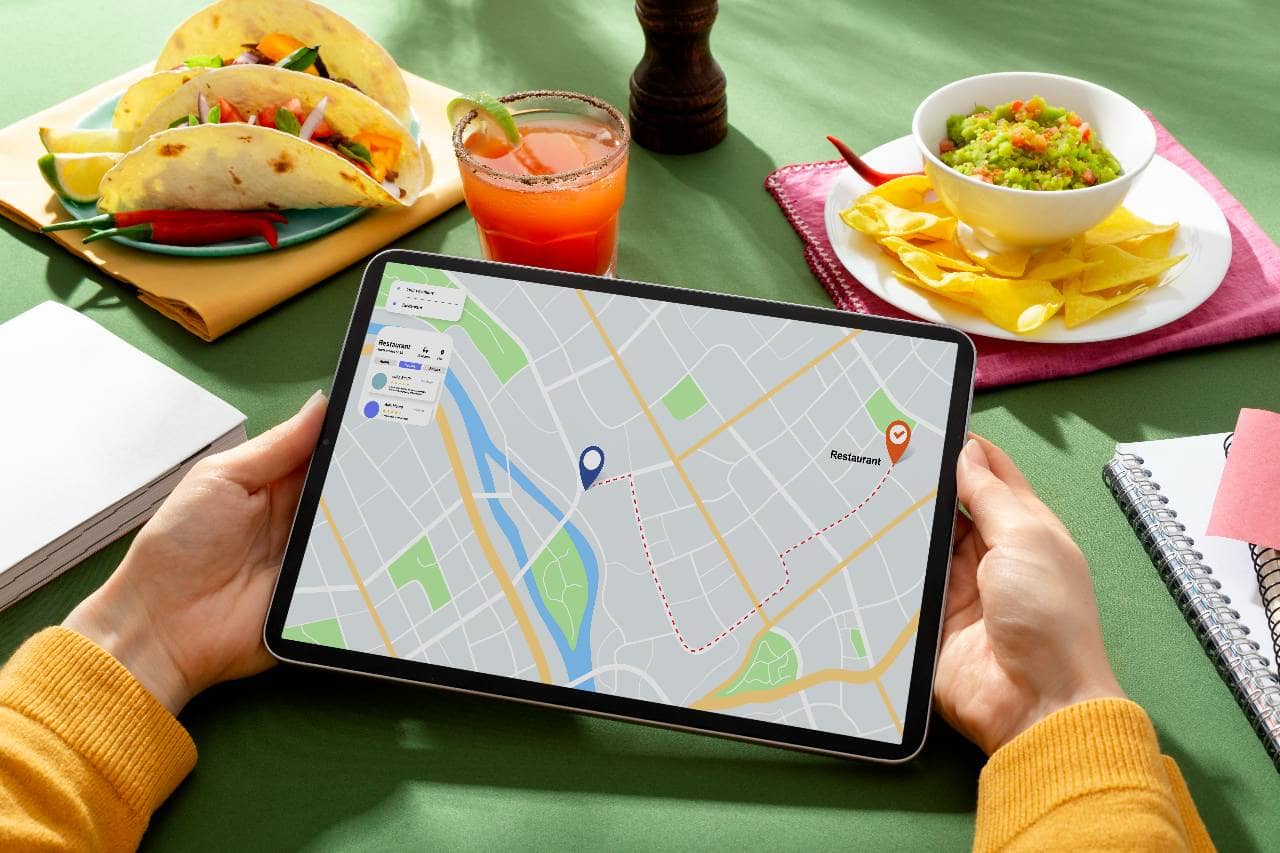
Improve restaurant Google Maps rankings by optimizing your business profile, selecting accurate categories, gathering reviews, adding photos, and strengthening local relevance signals.
Sep 21, 2026

Restaurant inventory tracking helps owners monitor stock, control food costs, reduce waste, improve purchasing, and make informed operational decisions.
Sep 21, 2026

Restaurant owners can significantly reduce restaurant costs by leveraging technology across inventory, labor, procurement, forecasting, and administrative operations for better profit margins.
Sep 18, 2026

Understand how to forecast restaurant revenue and expenses with methods for sales projection, cost scaling, fixed-cost planning, and risk buffering.
Sep 18, 2026

Unlock Exclusive Access To Webinars, Events, And The Latest News For Free!
Explore the complexities faced by casual dining chains in urban markets and strategies for success. Learn from Famous Toastery's experience and expert insights.

Photo by Joseph Corl
Urban areas present a dynamic yet daunting environment for casual dining chains due to high rents, limited space, and fluctuating traffic patterns. While urban locations like downtown Charlotte can offer access to a diverse customer base, they also come with challenges such as a lack of foot traffic during non-peak hours.

Photo by Joseph Corl
Selecting the right real estate opportunity is a critical factor for the success of casual dining chains in urban markets. High-end chains like Ruth’s Chris thrive near hotels and convention centers, capitalizing on high-end clientele. However, chains with lower menu prices face obstacles due to the high costs of operating in the city.
Menu pricing plays a pivotal role in determining the viability of casual dining chains in urban markets. Chains like Chili’s and Applebee’s, known for family dining experiences, are often situated outside city centers. In contrast, establishments like Famous Toastery offer a versatile menu attracting downtown office workers seeking convenient breakfast and lunch options.

Photo by Joseph Corl
A successful urban location hinges on drawing customers consistently throughout the week. Factors like proximity to residential areas, public transit, and complementary businesses are indispensable. Famous Toastery’s approach of considering the local lifestyle mix showcases the importance of aligning the brand with the community's preferences and needs.
Managing high costs, such as liquor license fees and renovation expenses in historic buildings, is a significant challenge for casual dining chains. Franchisees must generate substantial revenue to offset these costs, making site selection and operational efficiency paramount for financial sustainability.

Photo by Joseph Corl
Access to parking spaces, especially for delivery drivers and curbside pickups, is crucial for the smooth operation of urban casual dining establishments. Achieving a balance between dine-in customers and efficient service for takeaway orders is vital for customer satisfaction and operational success.

Photo by Joseph Corl
While urban markets pose challenges, success stories like Famous Toastery demonstrate that with the right strategy and location, casual dining chains can thrive. Identifying vibrant neighborhoods with a mix of office workers, residents, and amenities, serves as a blueprint for expansion and sustainability.
The shifting landscape of urban dining due to remote work trends and changing consumer preferences necessitates a strategic approach to site selection and brand positioning. Understanding the pulse of the market and adapting to emerging trends are essential for sustained growth and relevance.