True Food Kitchen Files Bankruptcy, Closes 12 Sites
True Food Kitchen filed for Chapter 11 bankruptcy, closing 12 locations and shrinking to 34 restaurants across 14 states amid $42.1 million in debt.
News
Oct 5, 2026
True Food Kitchen filed for Chapter 11 bankruptcy, closing 12 locations and shrinking to 34 restaurants across 14 states amid $42.1 million in debt.
Oct 5, 2026

Snooze Eatery names industry veteran Amy Hom as COO, starting Sept. 28, to strengthen hospitality and operations ahead of its next growth phase.
Oct 5, 2026
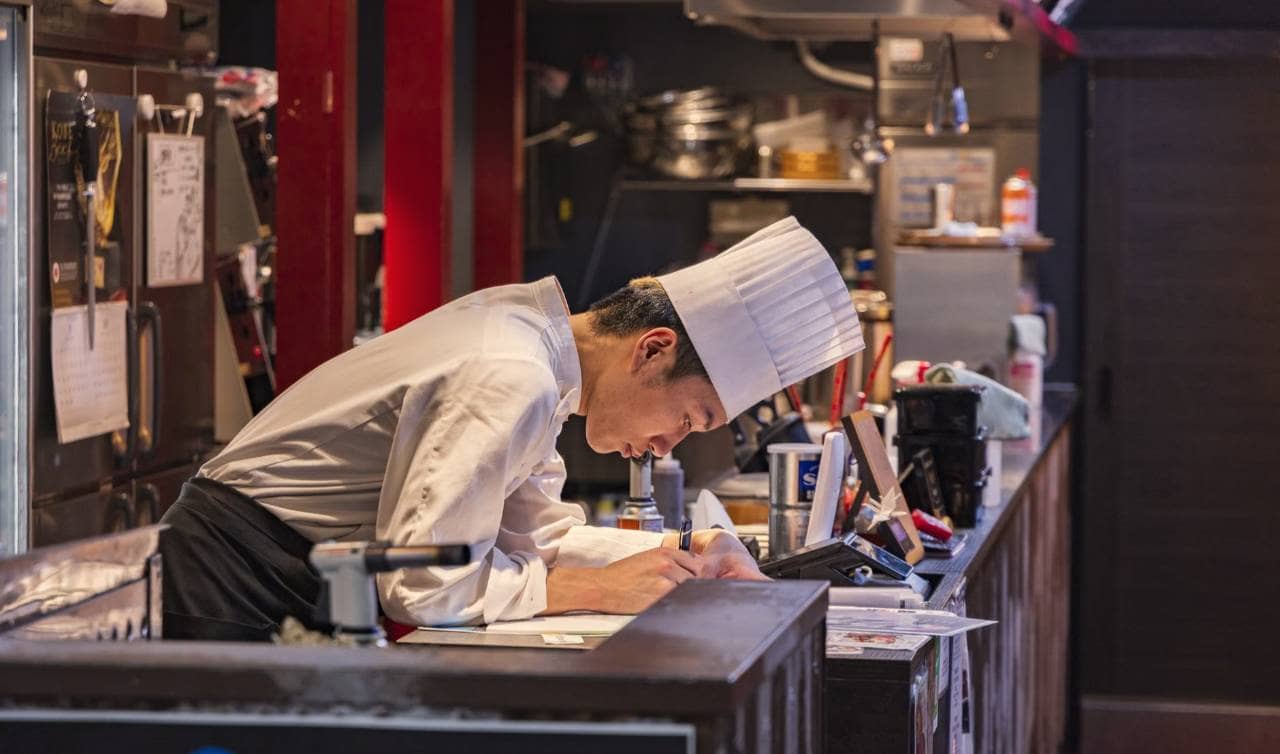
Restaurants can control operating costs by tracking food, labor, rent, utilities, technology, marketing, and other expenses against sales.
Oct 5, 2026

Opening a second restaurant location requires readiness, clear goals, financial planning, funding, smart strategy, standardized operations, strong teams, and careful launch monitoring for sustainable growth.
Sep 30, 2026

Evaluate restaurant industry performance in Q3 2026 through key trends affecting restaurant sales, traffic, consumer spending, labor, costs, and technology.
Oct 2, 2026

Improve restaurant visibility with local SEO by optimizing Google Business Profile, targeting local keywords, managing reviews, and maintaining accurate online information.
Oct 5, 2026
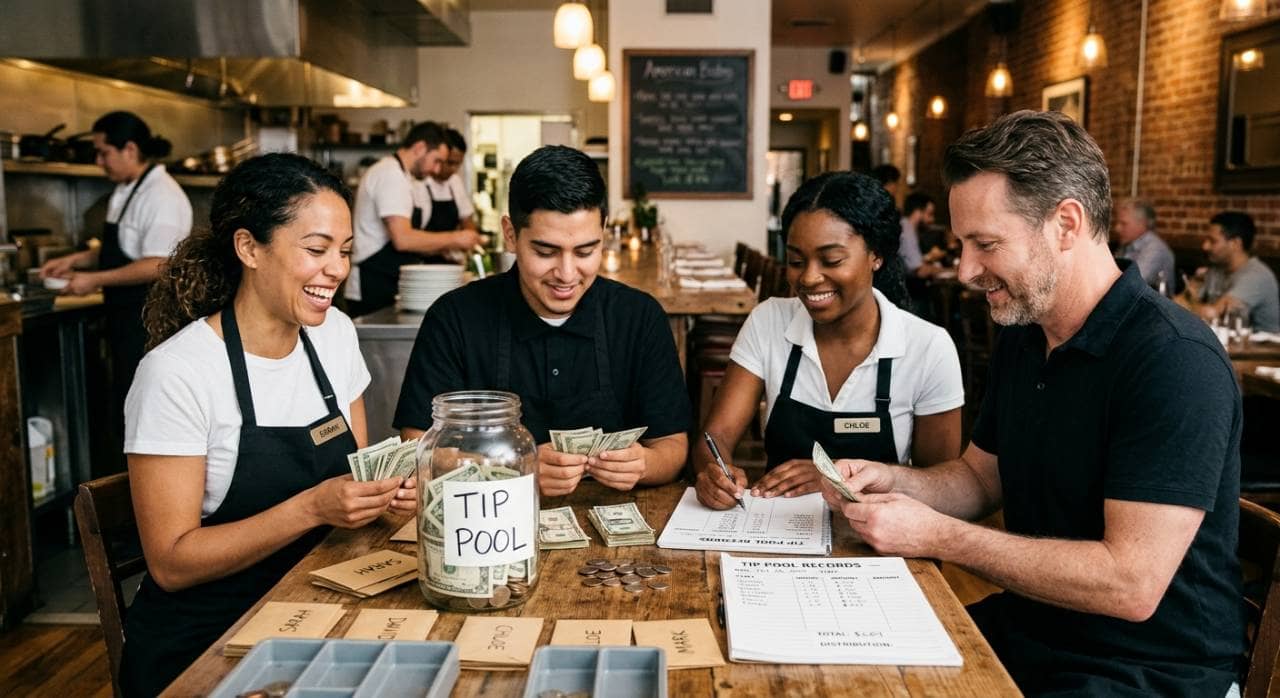
Understand tip pooling rules, employee eligibility, distribution methods, compliance requirements, recordkeeping practices, and policies restaurant owners need for proper tip management.
Oct 2, 2026

Whit's Frozen Custard hires industry veteran Amos Durbin as COO to guide franchise expansion, drawing on two decades of restaurant leadership experience.
Oct 2, 2026
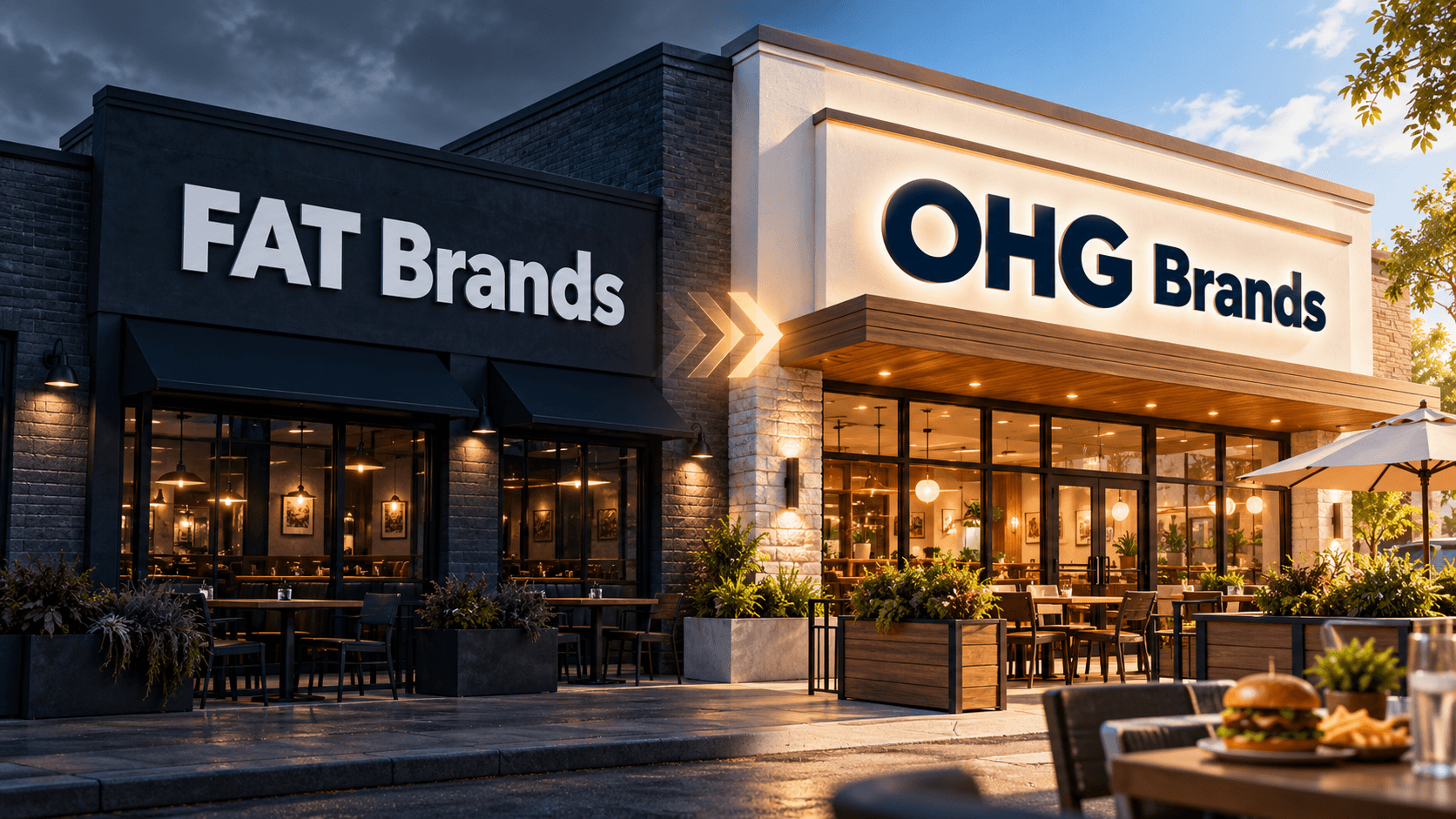
FAT Brands' $1B acquisition empire fell into bankruptcy and sold for $965M, re-emerging as OHG Brands with 1,700 restaurants.
Oct 1, 2026
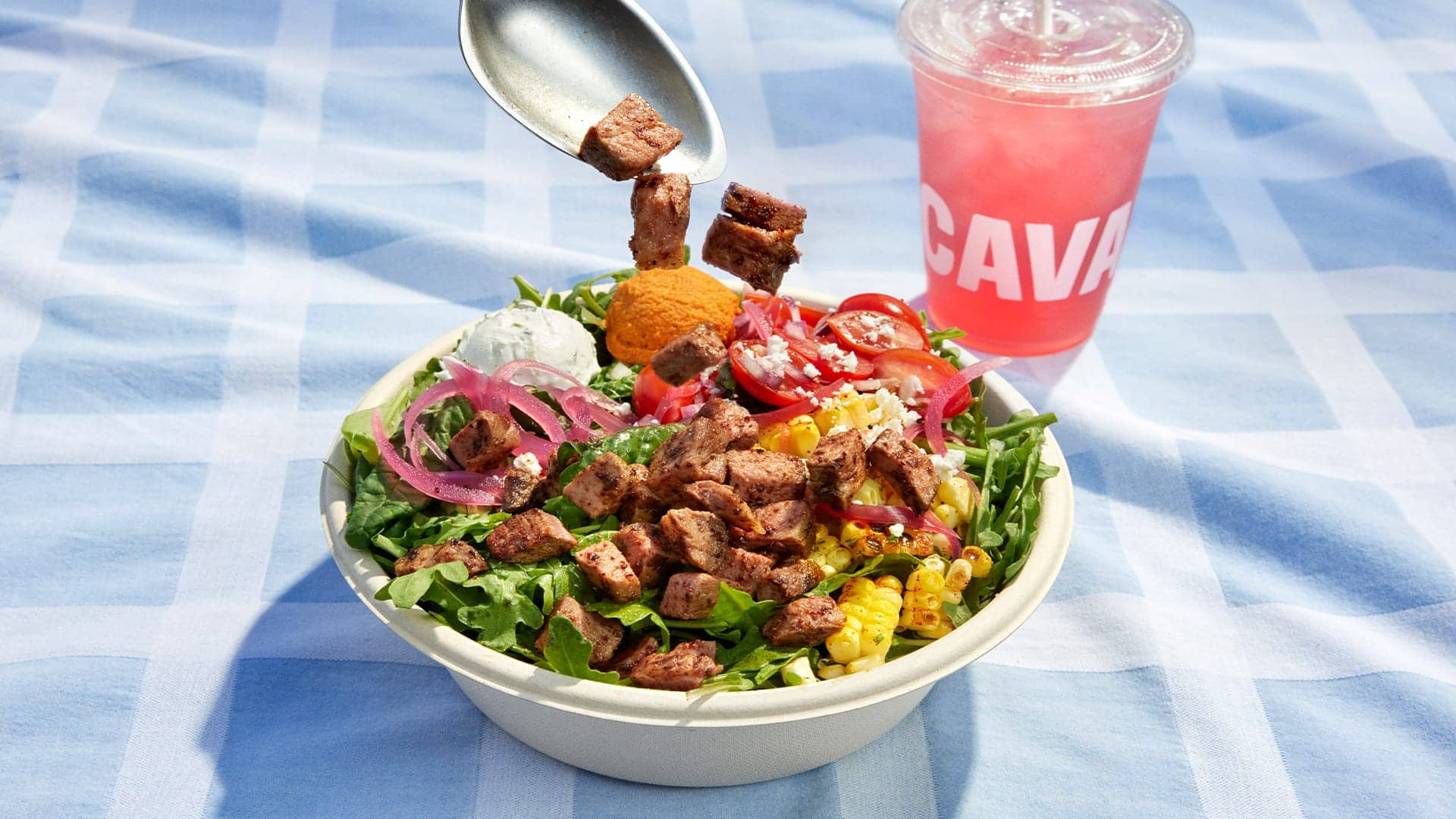
CAVA names John Ludeke, former Dr. Squatch Chief Brand Officer, as its new CMO to drive national growth and guest loyalty.
Oct 1, 2026

Unlock Exclusive Access To Webinars, Events, And The Latest News For Free!
Explore how Famous Dave’s Barbecue is transforming its store operations to adapt to changing consumer demands and drive business growth.
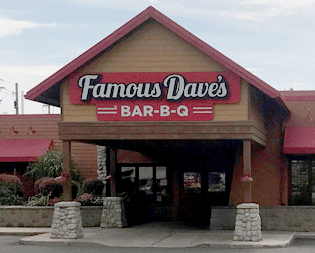
Famous Dave’s Barbecue, a renowned name in the culinary industry, is embarking on a transformation journey to cater to the shifting demands of consumers favoring off-premise dining and faster service. With consumer behavior evolving significantly, the brand has taken a strategic approach to redesign its store prototype, focusing on streamlining operations and enhancing efficiency.
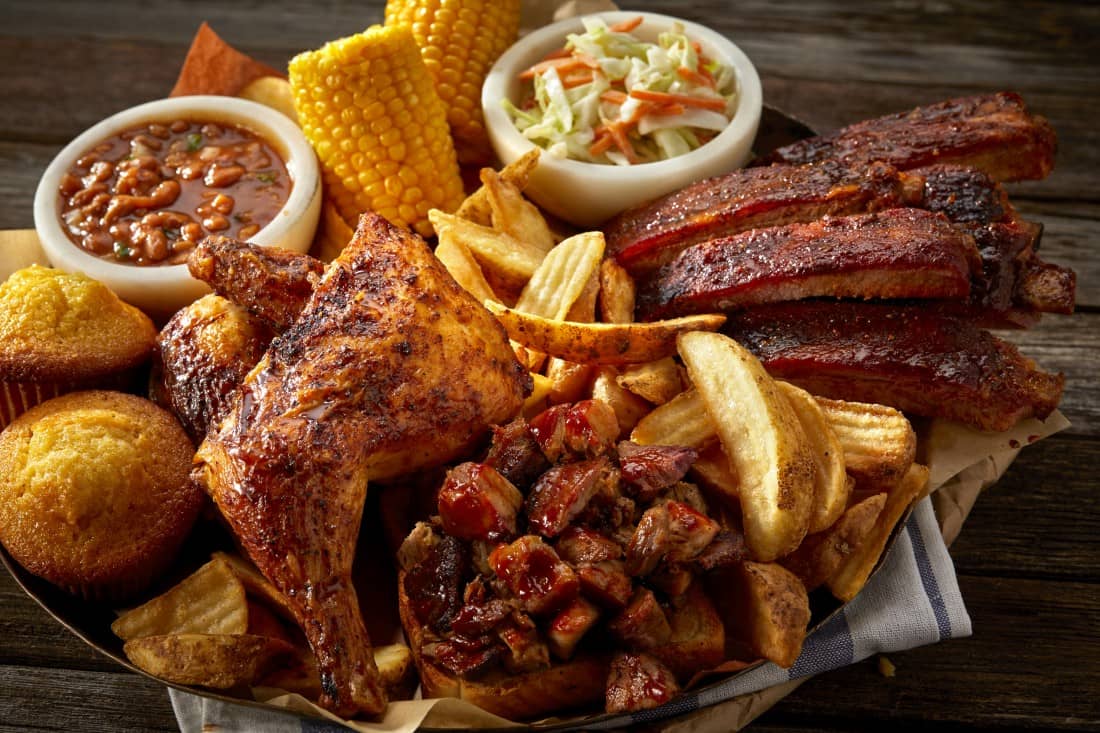
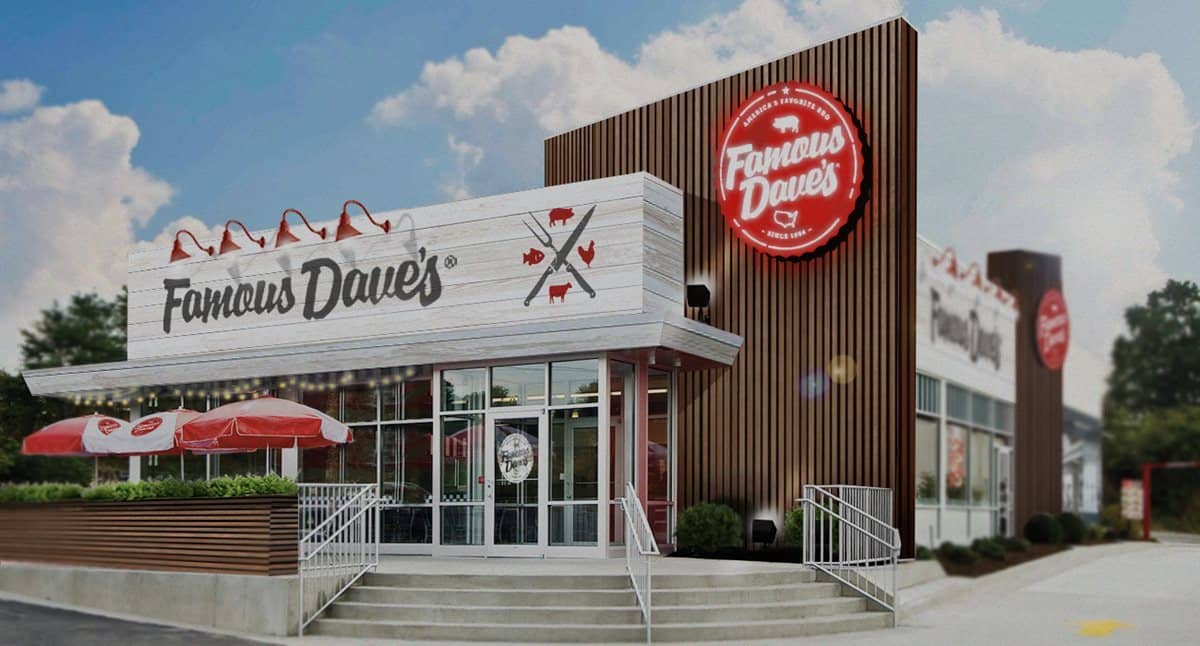
The new store prototype by Famous Dave’s marks a departure from the traditional full-service model, opting for a smaller footprint that eliminates the full bar and emphasizes counter service. Through a meticulous design process that commenced prior to the COVID-19 pandemic, the brand has iterated on various concepts to refine the model and ensure competitive unit economics in today's dynamic landscape.
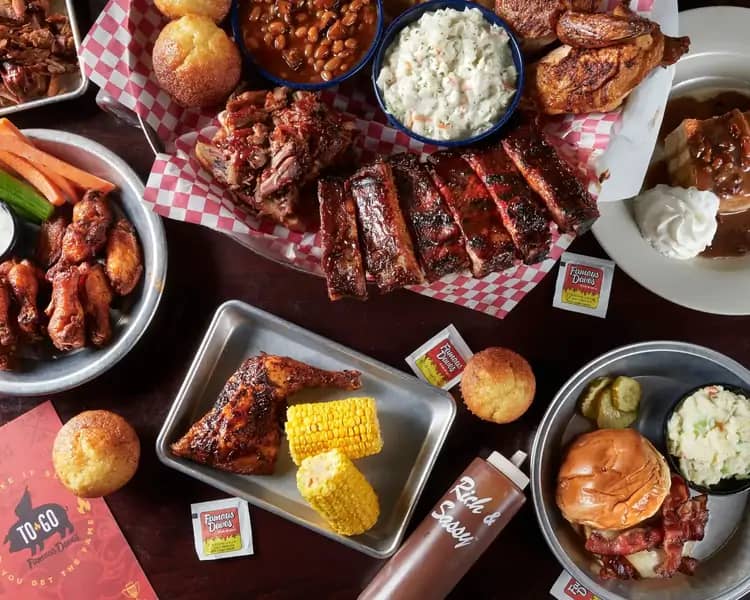
By reducing the seating area, removing the full-service bar, and refining the menu offerings to focus on core items like ribs, brisket, and chicken, Famous Dave’s prototype not only enhances customer experience but also significantly reduces operational costs. Leveraging advancements in equipment technology and optimizing kitchen layouts have further contributed to cost savings, making the new model economically attractive.
The streamlined prototype opens up opportunities in diverse real estate categories, particularly endcap locations in multi-tenant spaces. With flexibility in site selection and reduced operating costs in such settings, Famous Dave’s can target new markets and attract external franchisees, thereby accelerating its growth trajectory.
While the new prototype is gaining traction among franchisees and driving growth in targeted regions, Famous Dave’s remains open to embracing a variety of development models based on market demands. Balancing the need for smaller, more adaptable stores with the legacy of full-service restaurants, the brand aims to strategically expand its footprint, with an annual target of opening two to ten units over the next few years.