
California Penalizes Dickey's for Franchise Disclosure Violations
California shifts to public enforcement strategy against Dickey's for deceptive franchise disclosures, signaling stricter state-level franchise oversight.
Franchising
Sep 10, 2026
California shifts to public enforcement strategy against Dickey's for deceptive franchise disclosures, signaling stricter state-level franchise oversight.
Sep 10, 2026
Paul Brown temporarily steps away from Inspire Brands as Scott Murphy assumes interim CEO role during confidential IPO filing process targeting late 2026.
Sep 10, 2026
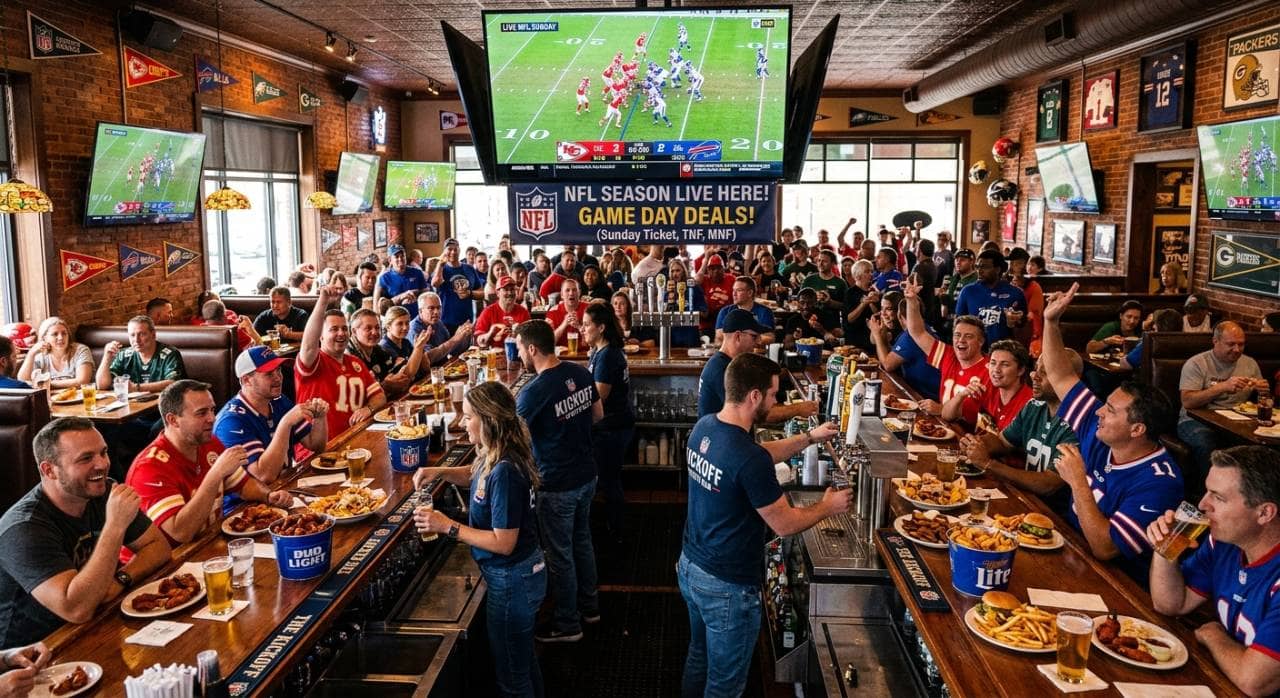
Prepare your restaurant for NFL season with smart menu planning, staffing, marketing, technology, and atmosphere strategies that boost season-long revenue.
Sep 9, 2026
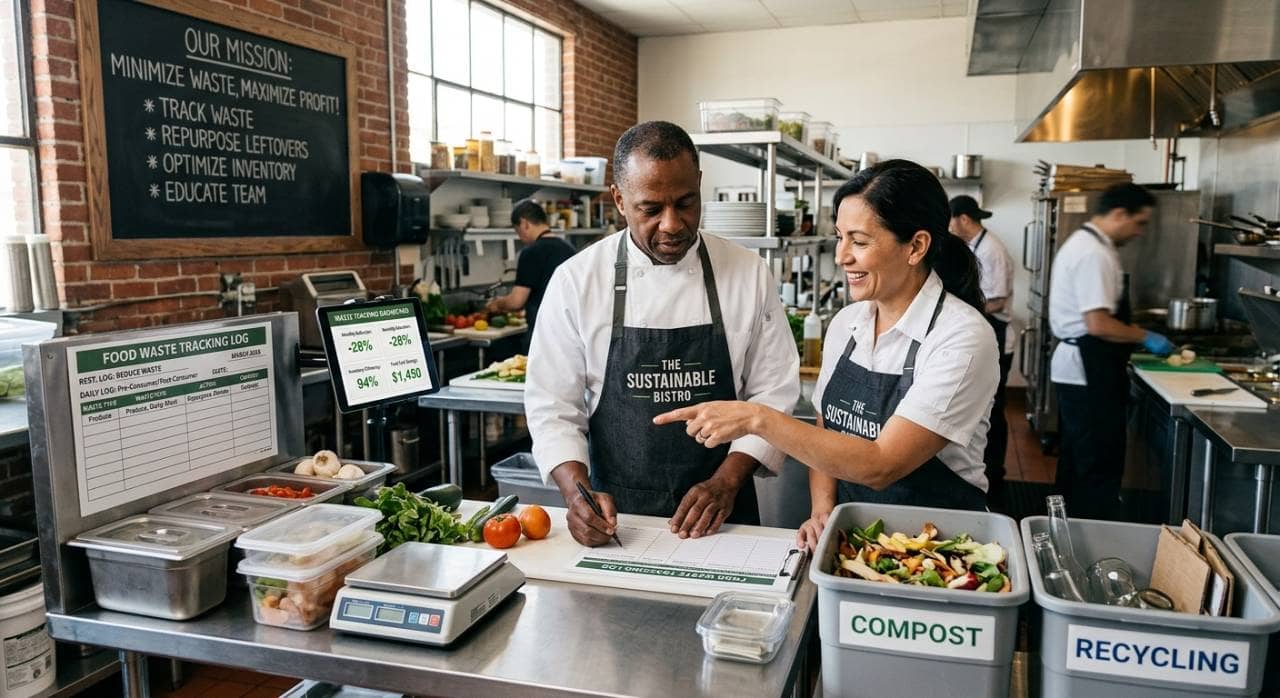
Learn how to reduce food waste in restaurants through smarter purchasing, storage, preparation, and service strategies that cut costs.
Sep 9, 2026
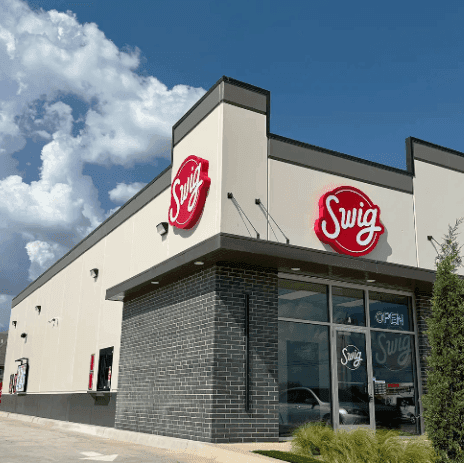
Swig signs franchise agreement for 11 South Denver locations, marking Colorado entry and validating its national expansion strategy.
Sep 8, 2026

Complete guide helping restaurant owners choose essential kitchen equipment - covering cooking, refrigeration, prep, sanitation, ventilation, safety, and long-term maintenance planning.
Sep 7, 2026
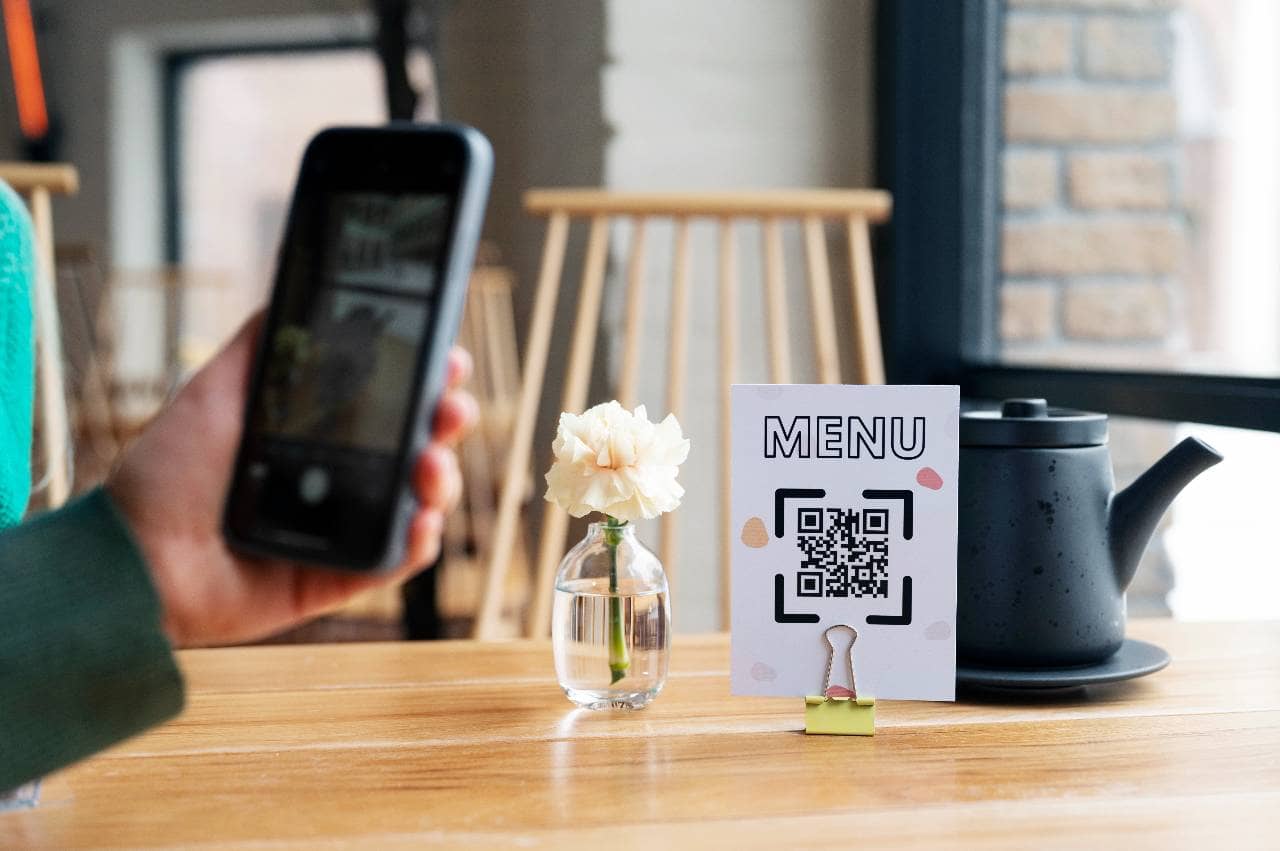
QR code menus let restaurants replace paper menus digitally, enabling instant updates, contactless browsing, ordering, and payment through simple smartphone scanning.
Sep 7, 2026

Avoiding common restaurant payroll mistakes - misclassification, tip credit errors, overtime miscalculations - protects businesses from costly penalties, back pay, and compliance risks.
Sep 4, 2026
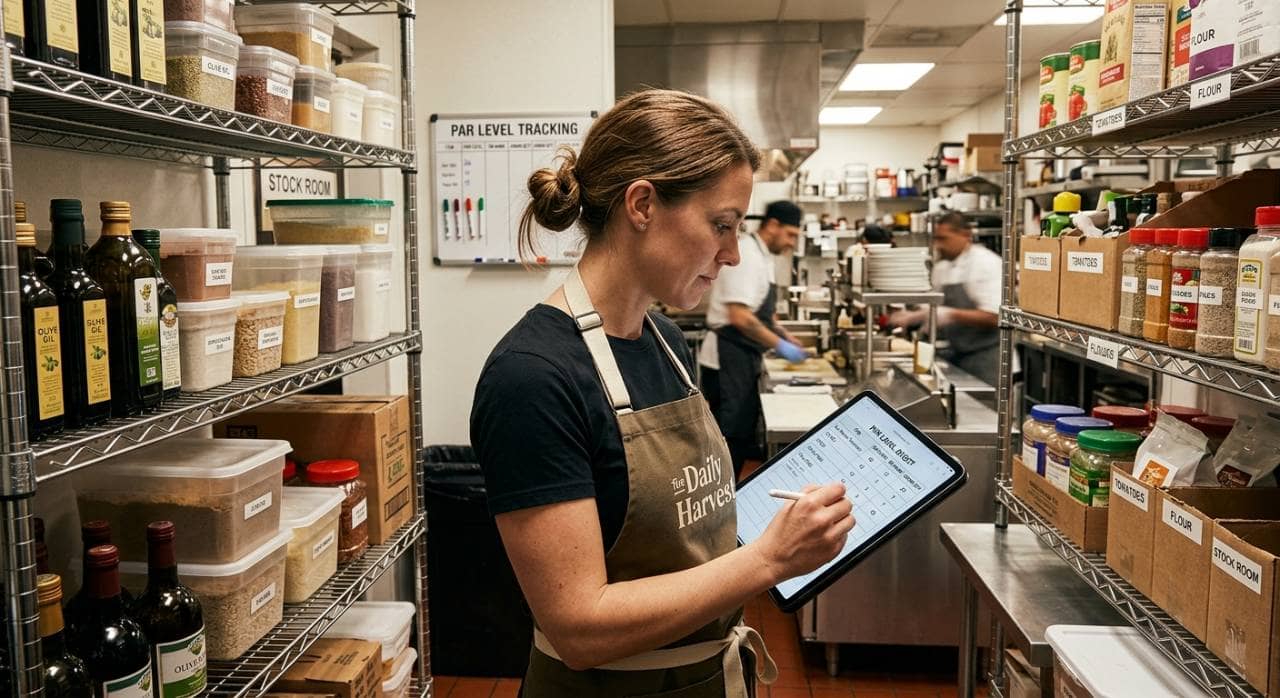
Learn to calculate par levels for restaurant food, beverages, and packaging inventory, preventing stockouts and waste through proper formulas.
Sep 4, 2026
Caribou Coffee appoints Zane Thomas-Rogers as Chief Operations Officer to strengthen execution across its expanding coffeehouse network.
Sep 4, 2026

Unlock Exclusive Access To Webinars, Events, And The Latest News For Free!
High-caffeine Charged Lemonade sparks labeling debates as Panera discontinues the drink and tightens safety practices in fast-casual dining.

Panera's Charged Lemonade entered a contentious spotlight: a cup meant to refresh, but one that carried more than a gentle buzz for many. The crisis didn't erupt overnight; it followed Panera's rollout of a caffeinated lemonade line tied to its Unlimited Sip Club. The mango variant drew particular scrutiny, becoming a focal point in debates about strength versus expectation. Reports described the large size as delivering up to 390 mg of caffeine, a figure close to the FDA's daily ceiling of 400 mg for healthy adults. In these early days, the question extended beyond flavor: how clearly does a menu communicate energy, risk, and responsibility to diverse diners?
This is the opening act of a broader reckoning on how beverages are labeled, dispensed, and understood by a wide audience.
In the ensuing months, a quartet of lawsuits emerged across 2023–2024 linking adverse health events to the beverage. The pattern emphasized labeling and disclosures: were customers warned enough about the stimulant in each cup? Public reporting tied caffeine content to risks for people with heart conditions or sensitivities. The debate framed concerns as much about how products are described as what they contain. Observers pointed to the FDA baseline as a benchmark in evaluating safety signals, while the Center for Science in the Public Interest and other groups urged explicit warnings when marketing high-caffeine drinks to broad audiences. This crisis thus became a proving ground for accountability in a busy, consumer-driven dining landscape.
The response to mounting concerns came with operational clarity: warning labels appeared on in-store displays and on the online ordering platform, and Charged Lemonade moved behind the counter so it was no longer self-serve. As part of a broader menu transformation, the chain ultimately discontinued Charged Lemonade and introduced beverages with significantly less caffeine. Public-facing notes, such as the line “Consume in moderation. Not recommended for children, people sensitive to caffeine, pregnant or nursing women.”, signal a shift toward more explicit risk guidance. These changes reflect an industry-wide push toward clearer labeling and responsible product communication, an approach that many hope becomes the standard rather than an exception.
This shift was not about a single product tweak but a broader rethinking of how caffeine is described and dispensed in fast-casual settings. The online menu now carries cautions and contextual notes, underscoring a commitment to safety and transparency. The changes align with an industry conversation about how much information should accompany a beverage, especially one rooted in energy claims that can appeal to a broad audience. The dialogue around risk and responsibility has become a defining feature of contemporary menu design.
