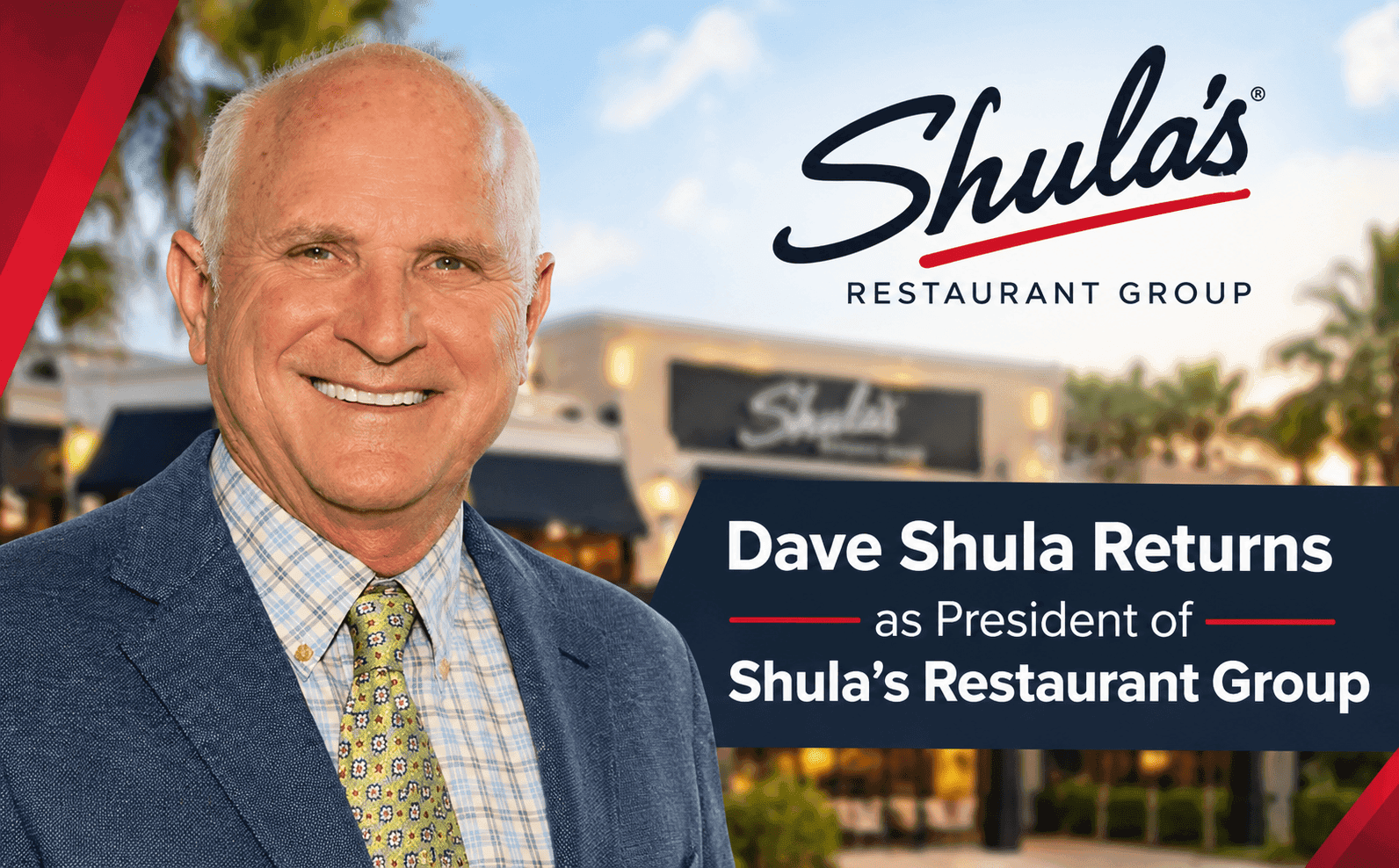
Dave Shula Returns as President of Shula's Restaurant Group
Dave Shula rejoins Shula's Restaurant Group as president, leading growth into Palm Beach Gardens and a 2027 Thomasville, Georgia expansion.
News
Sep 23, 2026
Dave Shula rejoins Shula's Restaurant Group as president, leading growth into Palm Beach Gardens and a 2027 Thomasville, Georgia expansion.
Sep 23, 2026
McDonald's commits $8.5 billion through 2036 to modernize restaurants, boost cash flow by $100,000 per store, and grow chicken and beverage sales.
Sep 23, 2026
WKS Restaurant Group promotes Jay Spongberg to president and COO after he helped grow the company from 65 to 382 restaurants over 16 years.
Sep 23, 2026

Smokey Mo's BBQ names Von Dawson, a Dine Brands veteran, as VP of Franchise Development to lead its Texas expansion strategy.
Sep 23, 2026
.png&w=3840&q=70)
Meritage Hospitality's Chapter 11 filing pulls 5% of Wendy's U.S. stores into bankruptcy, exposing cracks in franchising's bigger-is-safer bet.
Sep 21, 2026
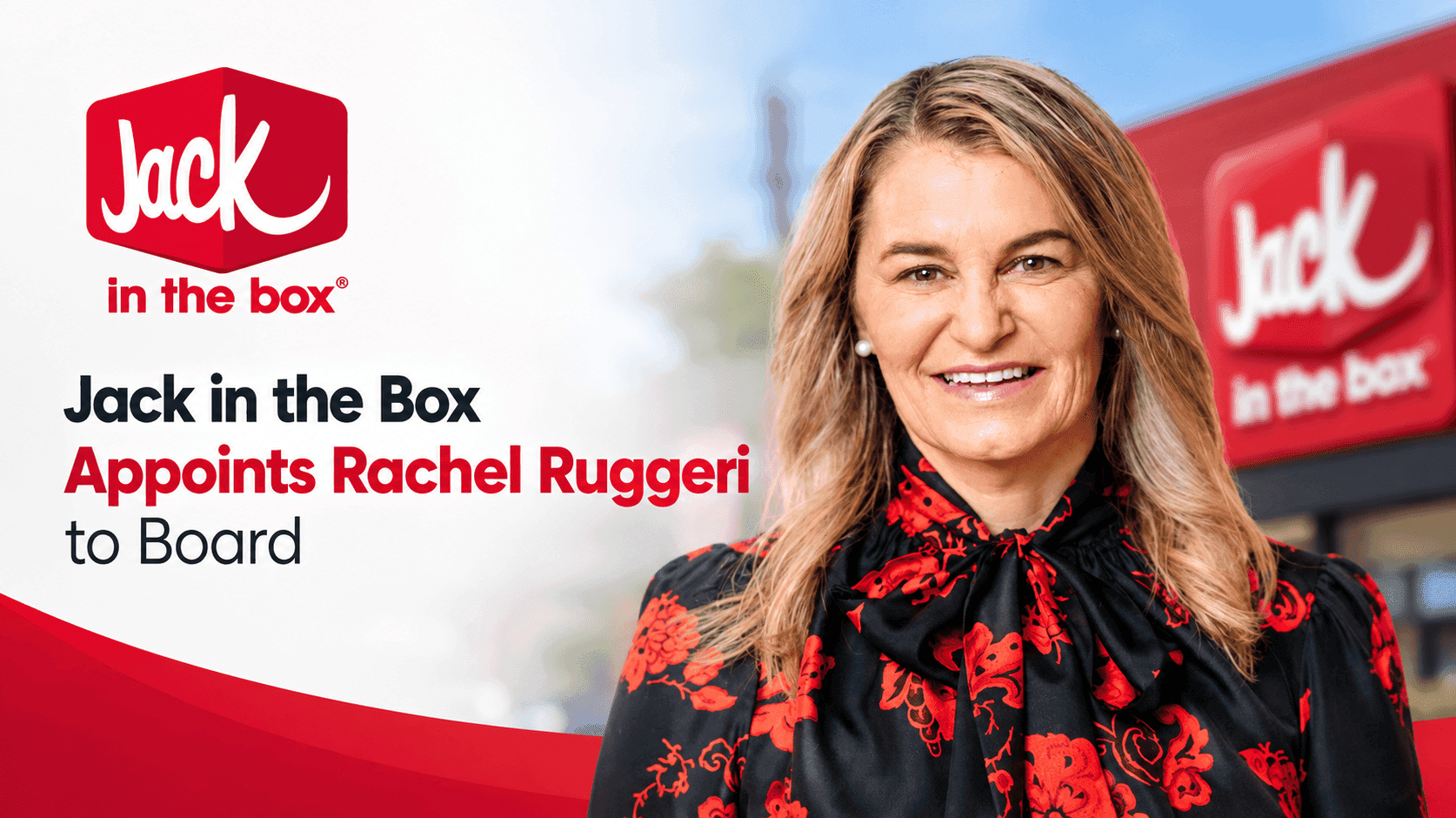
Jack in the Box names Rachel Ruggeri to its board as Michael Murphy retires, amid a CEO transition and deal with investor GreenWood.
Sep 21, 2026
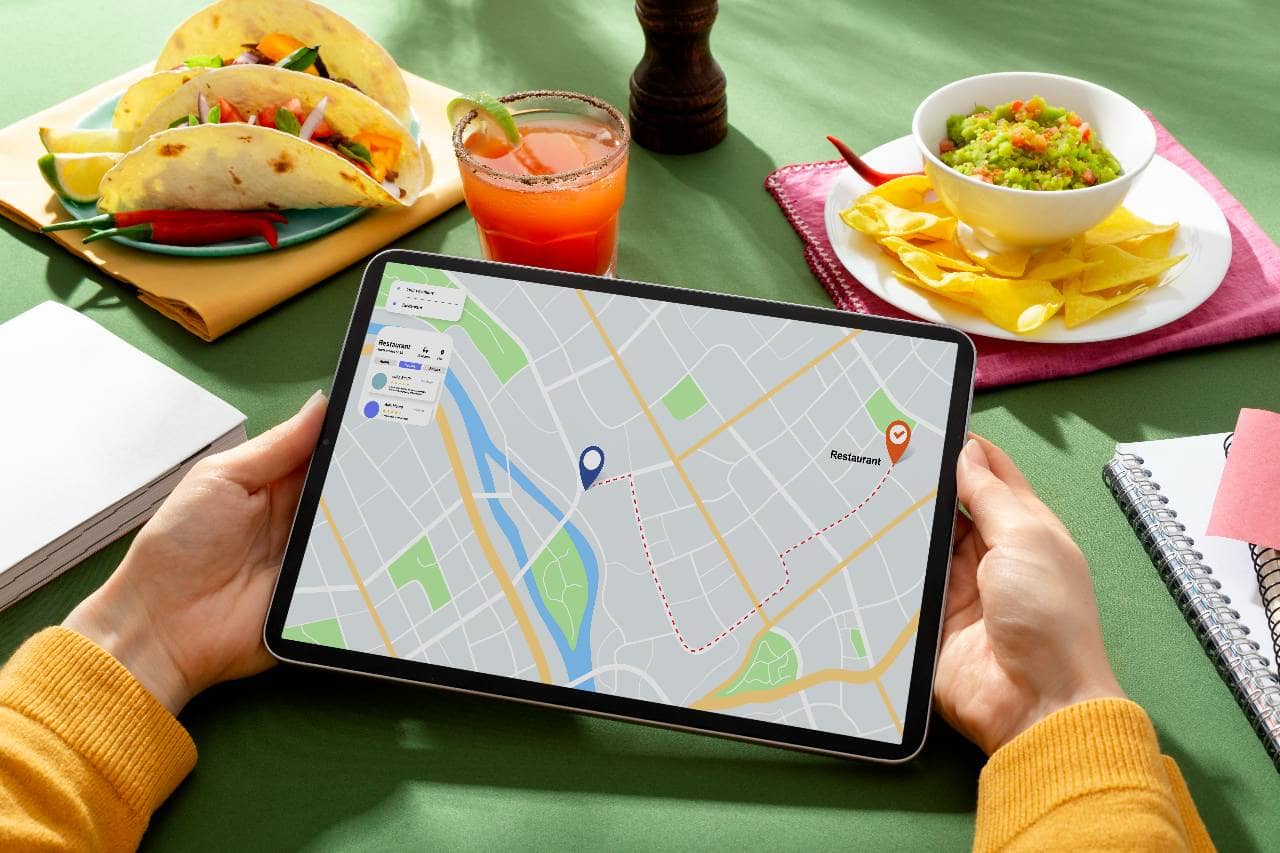
Improve restaurant Google Maps rankings by optimizing your business profile, selecting accurate categories, gathering reviews, adding photos, and strengthening local relevance signals.
Sep 21, 2026

Restaurant inventory tracking helps owners monitor stock, control food costs, reduce waste, improve purchasing, and make informed operational decisions.
Sep 21, 2026

Restaurant owners can significantly reduce restaurant costs by leveraging technology across inventory, labor, procurement, forecasting, and administrative operations for better profit margins.
Sep 18, 2026

Understand how to forecast restaurant revenue and expenses with methods for sales projection, cost scaling, fixed-cost planning, and risk buffering.
Sep 18, 2026

Unlock Exclusive Access To Webinars, Events, And The Latest News For Free!
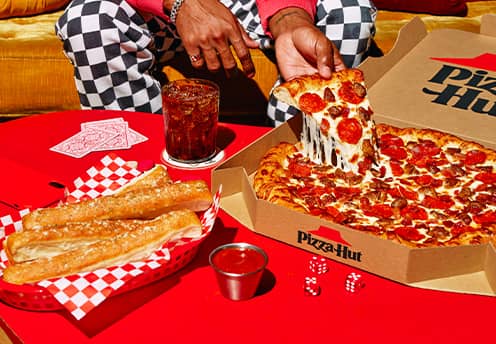
Explore how Pizza Hut's recent buyout and franchise dynamics are reshaping the restaurant industry landscape. Understand the implications of bankruptcy on franchise operations and market share.
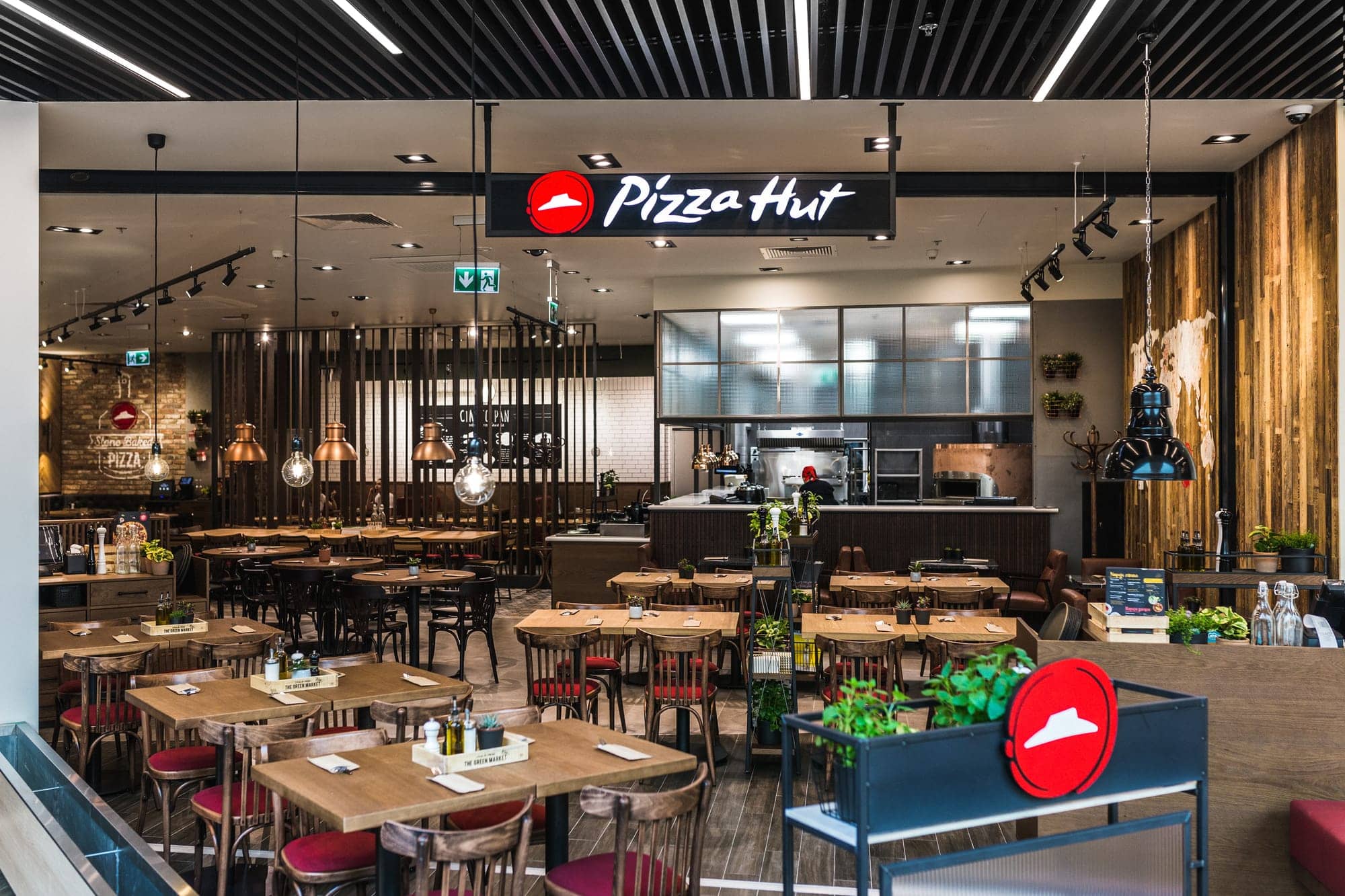
In a significant move that has reshaped Pizza Hut's operational landscape, the recent buyout has more than doubled the company-operated store count. With a chain predominantly relying on franchise operations, the addition of these new stores marks a strategic shift towards a more company-owned model. As of the latest financial disclosures, Pizza Hut had only seven company-operated units, highlighting the magnitude of this acquisition.
The bankruptcy filing by EYM, a major operator of Pizza Hut franchises, has sent ripples through the industry. With EYM's decision to sell 127 of its Pizza Hut restaurants through Chapter 11 proceedings, many locations have likely faced closure during this tumultuous period. Reports from local media sources have indicated a significant number of EYM-operated Pizza Huts shutting down, showcasing the real-world impact of such financial challenges on franchise operations.
Analyzing the broader market repercussions of these events reveals noteworthy insights. With about one-third of Pizza Hut's extensive store network located in the U.S., the closure of almost a full percentage point of these stores post-EYM's bankruptcy reflects a substantial shift in the company's domestic presence. This restructuring has not only affected Pizza Hut's footprint but also changed the competitive dynamics within the fast-food restaurant sector.
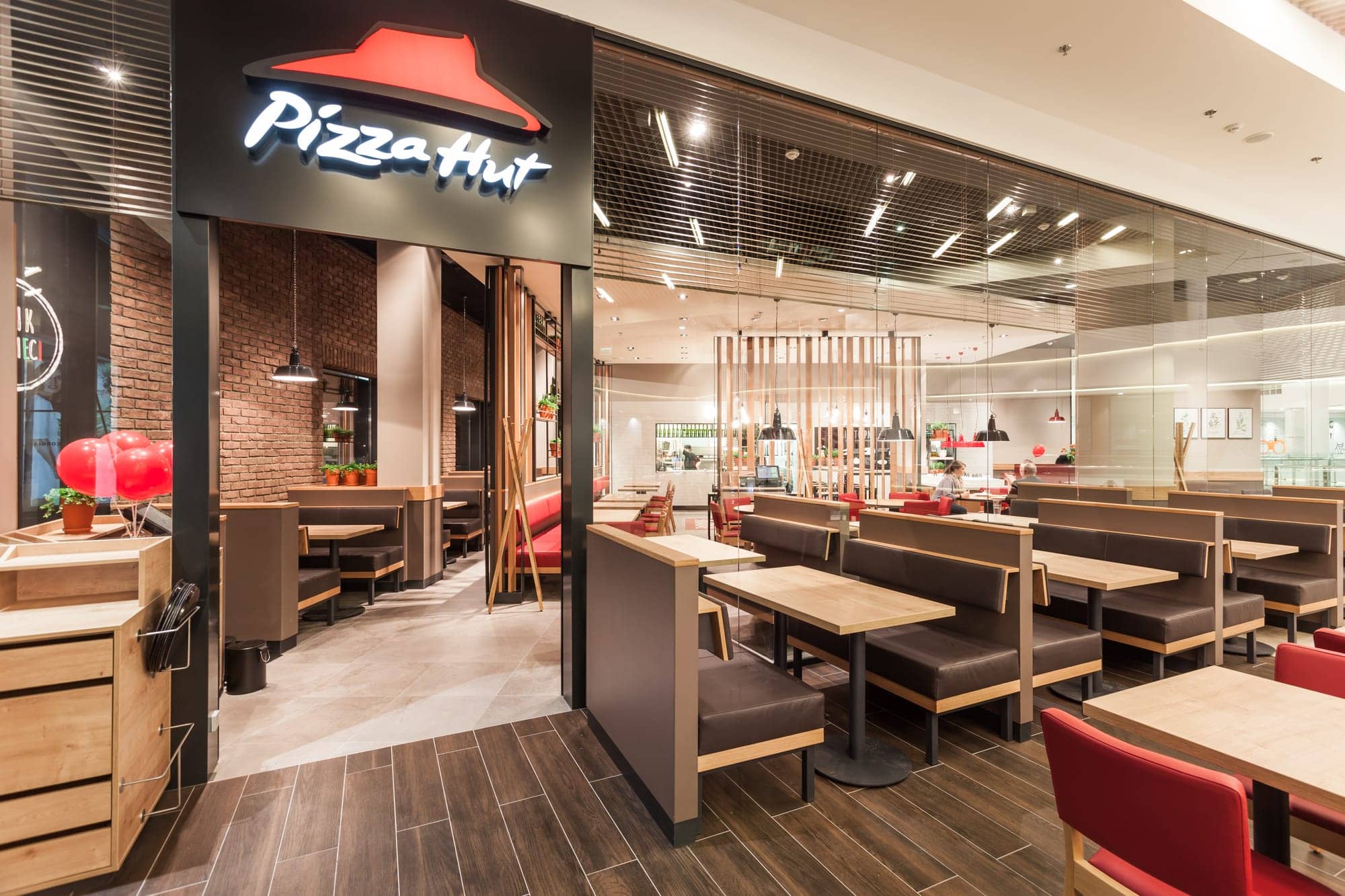
The practice of franchisors acquiring units from bankrupt operators is a common occurrence in the restaurant industry, as demonstrated by Burger King's strategic moves. Acquiring a significant number of restaurants during asset auctions or bankruptcies allows franchisors to expand their portfolio, solidify market share, and often reinvigorate underperforming locations. Such acquisitions present opportunities for growth while mitigating the risks associated with new store development.