
California Penalizes Dickey's for Franchise Disclosure Violations
California shifts to public enforcement strategy against Dickey's for deceptive franchise disclosures, signaling stricter state-level franchise oversight.
Franchising
Sep 10, 2026
California shifts to public enforcement strategy against Dickey's for deceptive franchise disclosures, signaling stricter state-level franchise oversight.
Sep 10, 2026
Paul Brown temporarily steps away from Inspire Brands as Scott Murphy assumes interim CEO role during confidential IPO filing process targeting late 2026.
Sep 10, 2026
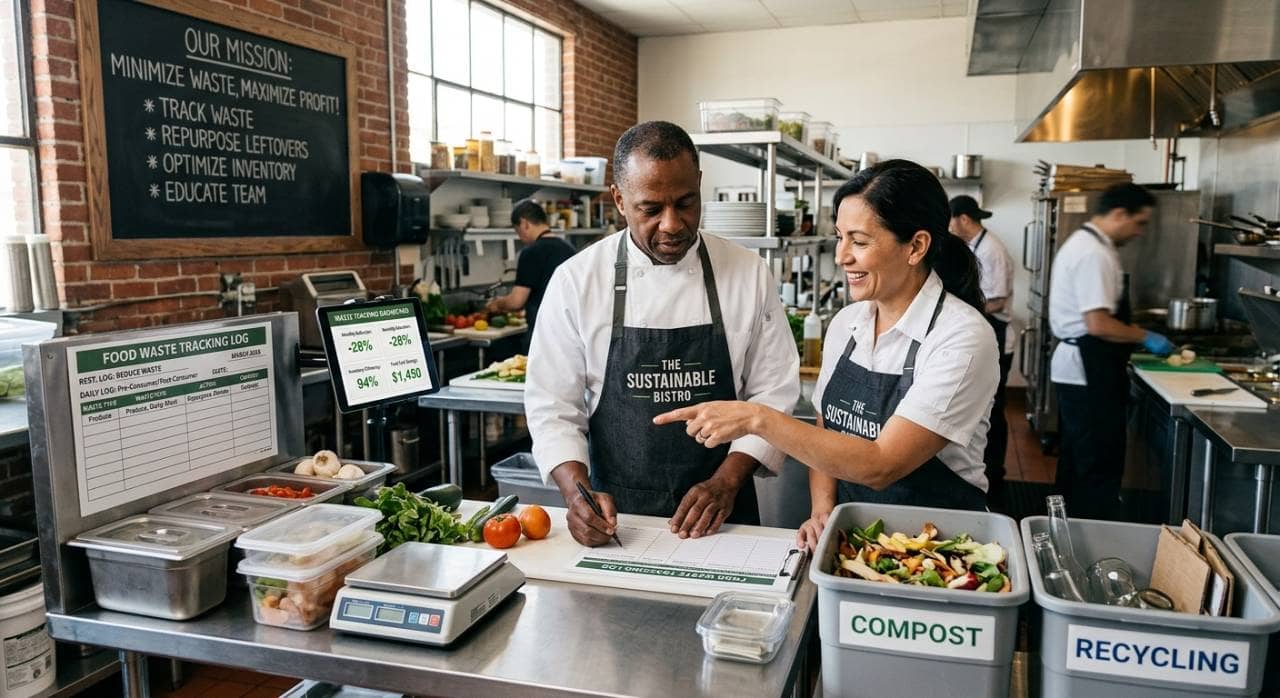
Learn how to reduce food waste in restaurants through smarter purchasing, storage, preparation, and service strategies that cut costs.
Sep 9, 2026
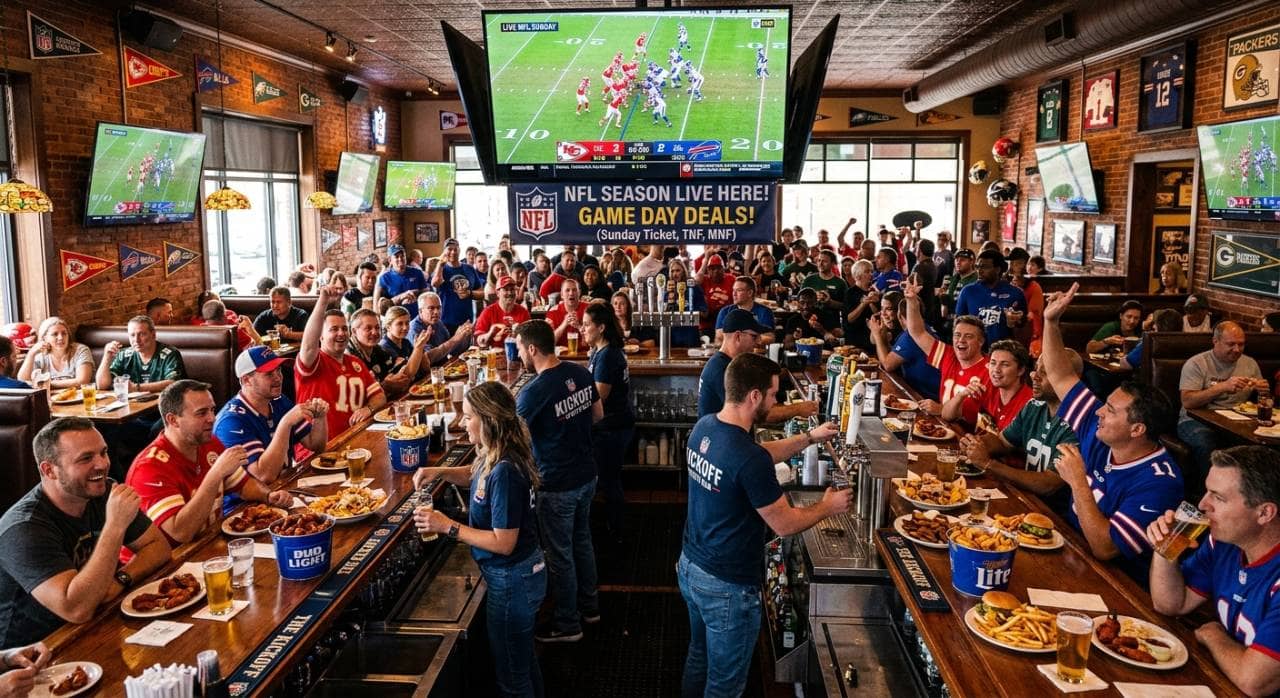
Prepare your restaurant for NFL season with smart menu planning, staffing, marketing, technology, and atmosphere strategies that boost season-long revenue.
Sep 9, 2026
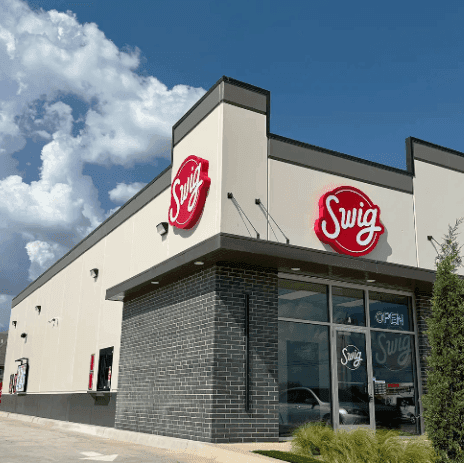
Swig signs franchise agreement for 11 South Denver locations, marking Colorado entry and validating its national expansion strategy.
Sep 8, 2026
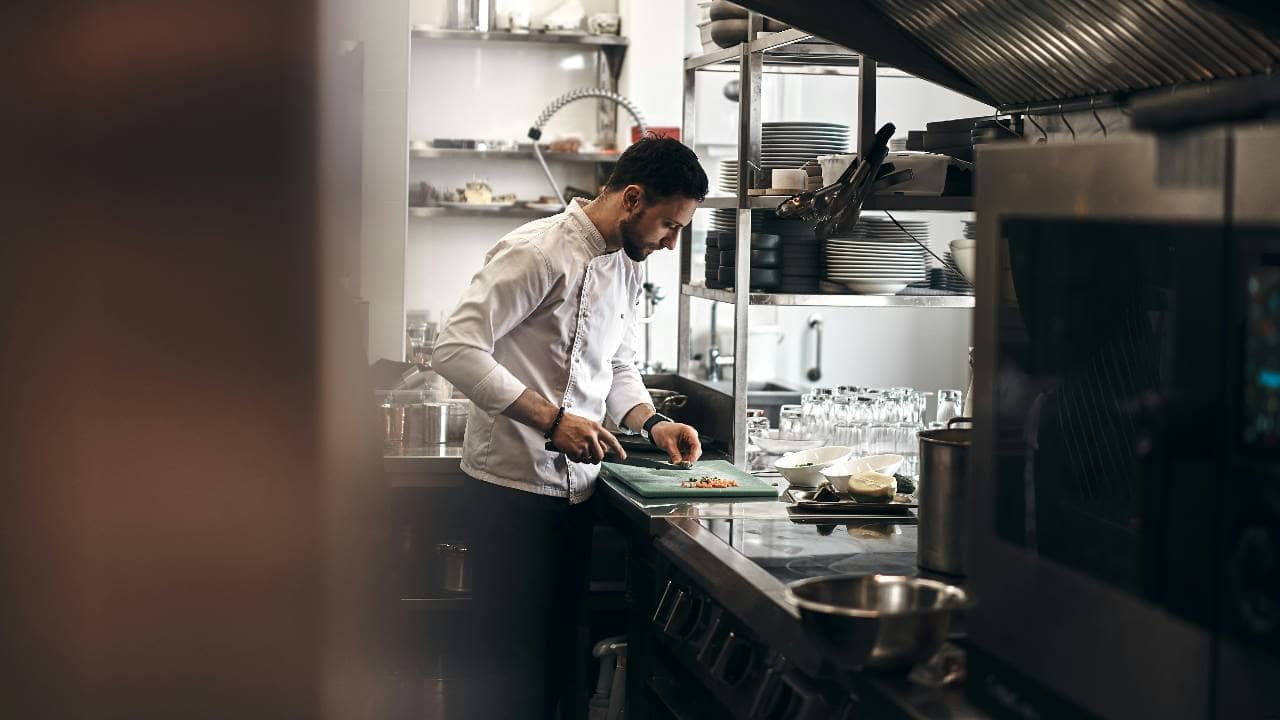
Complete guide helping restaurant owners choose essential kitchen equipment - covering cooking, refrigeration, prep, sanitation, ventilation, safety, and long-term maintenance planning.
Sep 7, 2026
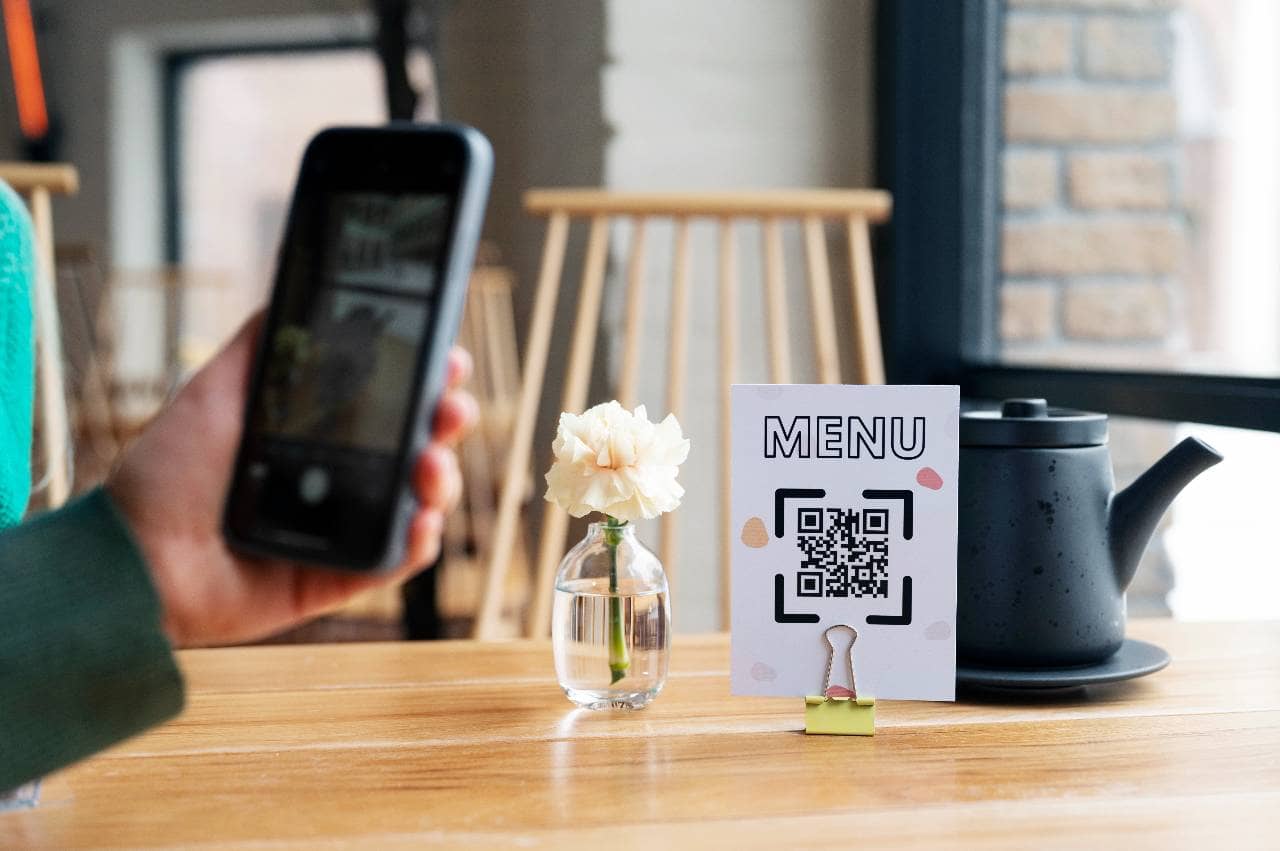
QR code menus let restaurants replace paper menus digitally, enabling instant updates, contactless browsing, ordering, and payment through simple smartphone scanning.
Sep 7, 2026

Avoiding common restaurant payroll mistakes - misclassification, tip credit errors, overtime miscalculations - protects businesses from costly penalties, back pay, and compliance risks.
Sep 4, 2026
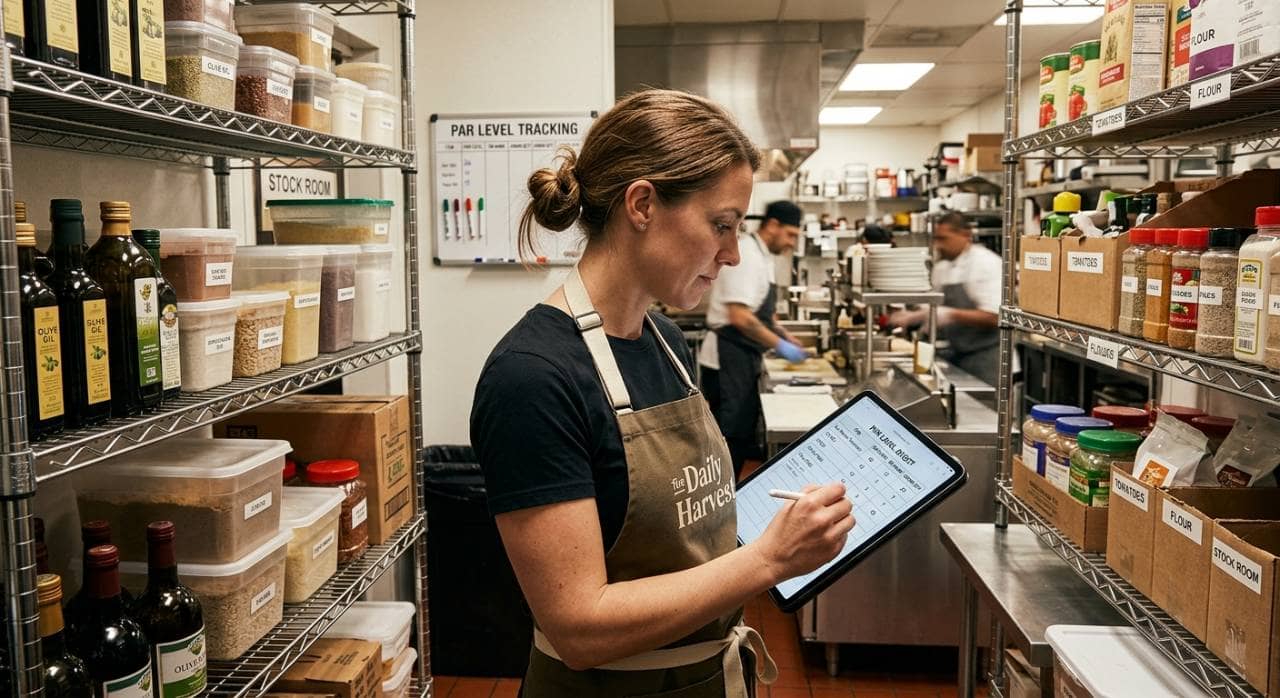
Learn to calculate par levels for restaurant food, beverages, and packaging inventory, preventing stockouts and waste through proper formulas.
Sep 4, 2026
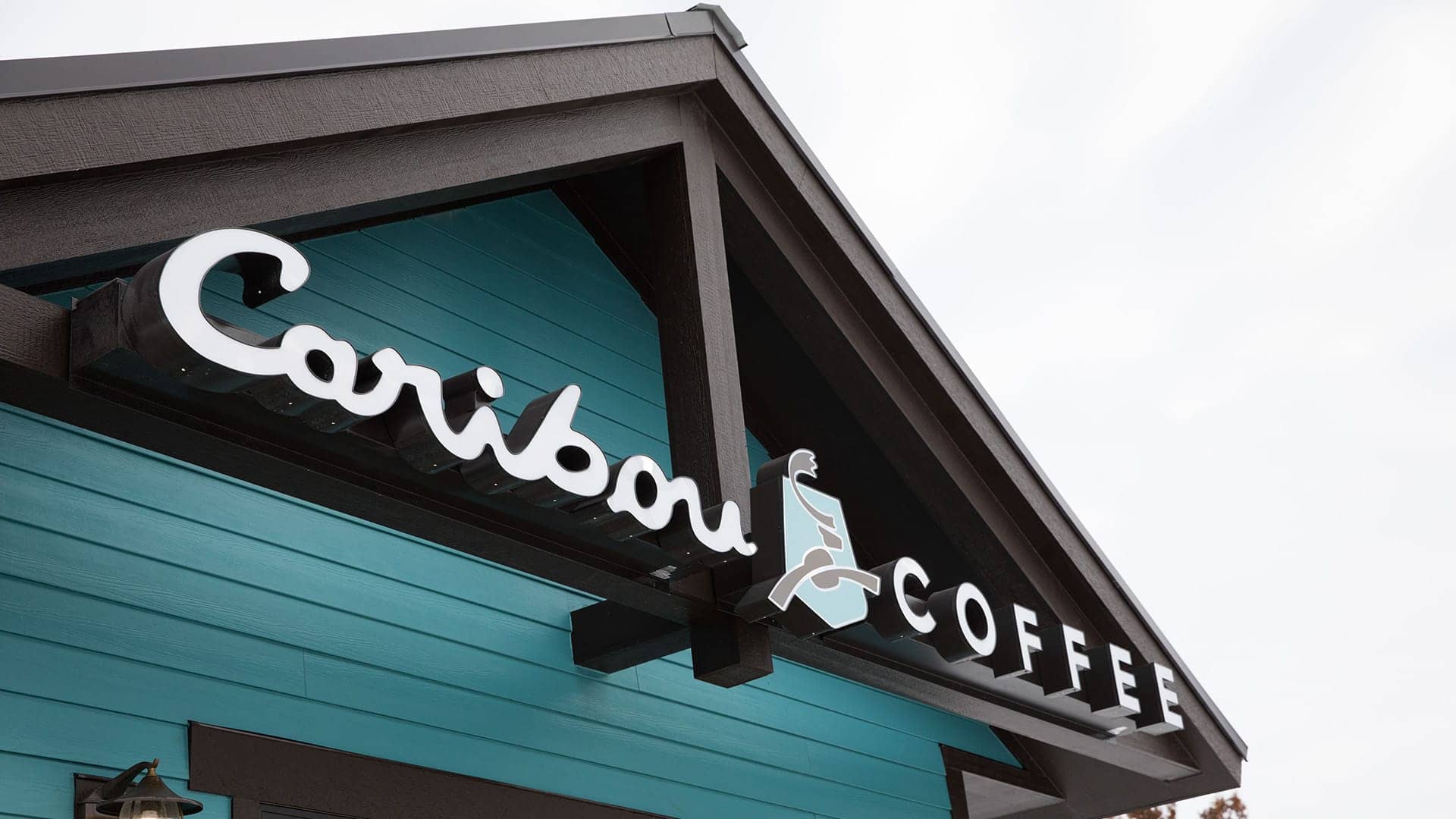
Caribou Coffee appoints Zane Thomas-Rogers as Chief Operations Officer to strengthen execution across its expanding coffeehouse network.
Sep 4, 2026

Unlock Exclusive Access To Webinars, Events, And The Latest News For Free!
Tim Hortons anchors RBI's Q2 as international expansion and strategic acquisitions reshape the portfolio, with a bold modernization plan.

Photo by Patrick Tomasso
From the opening bell, RBI presents a quarter defined by discipline and the quiet ascent of a few anchors. Domestic momentum softens across brands, yet the pull of Tim Hortons and the steadiness of international growth keep the balance intact. In a market weather that remains uncertain, the company reports a consolidated ascent in same-store sales and a trajectory toward its longer-term aims. The quarter closes with a portrait of a portfolio leaning on its strongest pillars as it charts a careful course forward.
Tim Hortons delivered 4.6% same-store sales growth; the international division rose 2.6% for the quarter. Burger King was flat at -0.1%, and Firehouse Subs declined by -0.1%, with Popeyes posting a modest 0.5% uptick. On a consolidated basis, same-store sales lifted 1.9%. RBI reported net income of $399 million, equating to 88 cents per share, up from $351 million, or 77 cents per share, in the prior year. Revenues increased to $2.08 billion, versus $1.775 billion in the same quarter last year. As of June 28, RBI's system comprised 31,324 restaurants, featuring 7,133 Burger Kings, 4,507 Tim Hortons, 3,437 Popeyes Louisiana Kitchen, 1,288 Firehouse Subs, and 14,959 units across the international division.
In the margins of the quarterly briefing, RBI unveils a two-pronged strategy designed to reshape its growth engines. The company completed two strategic transactions, signaling a recalibration of its portfolio: in the U.S. Burger King ecosystem and in China’s Tim Hortons and Popeyes franchise network. “We closed strategic transactions that will strengthen our long-term positioning for the Burger King brand in the U.S. and for Tim Hortons and Popeyes in China.”
Beyond the headlines, the move signals a sharper focus on direct control, accelerated modernization, and smarter capital deployment, a tone conveyed by Sami Siddiqui, RBI’s chief financial officer.
“We closed strategic transactions that will strengthen our long-term positioning for the Burger King brand in the U.S. and for Tim Hortons and Popeyes in China.” The acquisitions, Carrols Restaurant Group, the largest U.S. Burger King franchisee, and PLK China, are described as anchors for the group’s ambition. Executives also hint at an ongoing fleet modernization and upgraded store economics, aligning with a broader value strategy that industry observers have noted alongside other moves such as value-oriented menu tests.
Nearly 400 renovations are planned for the year, with 150 “Royal Reset” remodels already open for at least six months. These upgrades are rolled into the Sizzle prototype, RBI’s focal point for a modern, guest-pleasing image. The goal: have 85% to 90% of the system sporting a modern look by 2028, a cadence meant to lift guest experience and underpin mid-teens sales uplifts, net of control.
This modernization cadence is designed to complement acquisitions and accelerate efficiency across RBI’s six operating segments, Tim Hortons, Burger King, Popeyes, Firehouse Subs, and the International arm, while maintaining momentum into the back half of the year. The company’s 2025 earnings materials frame the push as a long-range, capital-efficient path.

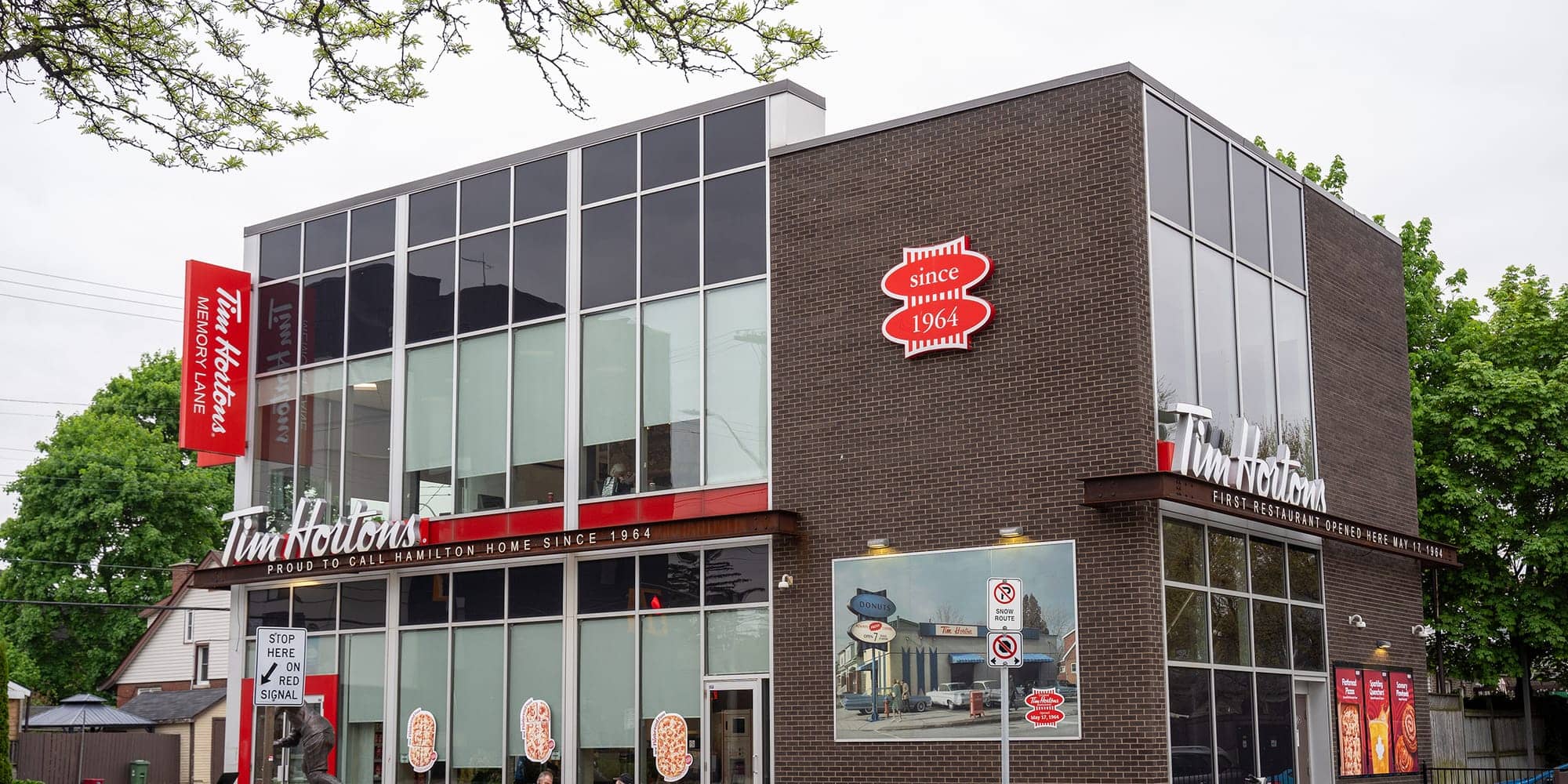
Tim Hortons features as the stabilizing force in RBI’s mix, with executives highlighting how the brand’s performance steadies the ship during a period of domestic adjustment. The enthusiasm around Tim Hortons is not loud, but it is precise: a brand with grip on the top line and a cadence that anchors the rest of the fleet.
“We certainly were planning for better absolute top-line results,” commented Joshua Kobza, RBI’s CEO, while noting that Tim Hortons and the international division performed well. “Tim Hortons is just hitting on all cylinders,” added Patrick Doyle, RBI’s executive chairman, in coverage of the earnings call. The sentiments emphasize Tim Hortons as a fulcrum around which the portfolio finds balance, despite domestic softness in other brands.

RBI’s quarterly results for the quarter ended June 30, 2025 reveal a disciplined ascent: total revenues of $2,410 million, net income from continuing operations of $264 million, and diluted earnings per share of $0.58. The numbers illustrate a 5.3% system-wide growth and a 2.4% comparable sales increase, driven by 4.1% international growth within Burger King International and 3.6% at Tim Hortons Canada.
32,229 system-wide restaurants at period end, up from 31,324, with 15,767 in the Restaurant Holdings segment and continued growth across International. RBI reiterates an 8%+ organic adjusted operating income growth target for 2025, signaling confidence in the blended path of acquisitions, remodels, and international expansion.

International system-wide sales growth registered at 9.8% year over year, while consolidated comparable sales rose 4.2% and the international comparable sales pace hit 3.4%. This momentum underscores RBI’s aim to deepen exposure to high-growth geographies while tightening costs and elevating guest experiences across markets beyond the United States.
In sum, the international cadence is not merely an adjunct but a central engine of RBI’s growth narrative. The quarter’s numbers reinforce a shift toward a portfolio capable of translating acquisitions and modernization into durable, cross-border momentum.
Gaps and uncertainties persist: commodity costs, promotional intensity, and macro consumer confidence remain variables that could influence both same-store sales and margins. Yet RBI frames its guidance around executing a broad modernization plan and leveraging acquisitions to bolster long-term profitability. The cadence of value-focused innovations and operational enhancements continues to shape the path forward as the company pursues an 85%–90% modern image across the system by 2028 and a durable framework for profitability.
Taken together, RBI’s Q2 developments, Tim Hortons’ strength, international expansion, strategic acquisitions, and a sweeping modernization program, signal a deliberate, multi-pronged approach to growth. The company’s emphasis on direct control, a value-oriented promotional cadence, and store refreshes positions RBI to contend with a shifting quick-service landscape. The path to 2028 rests on execution, guest loyalty, and continued expansion of international platforms.
