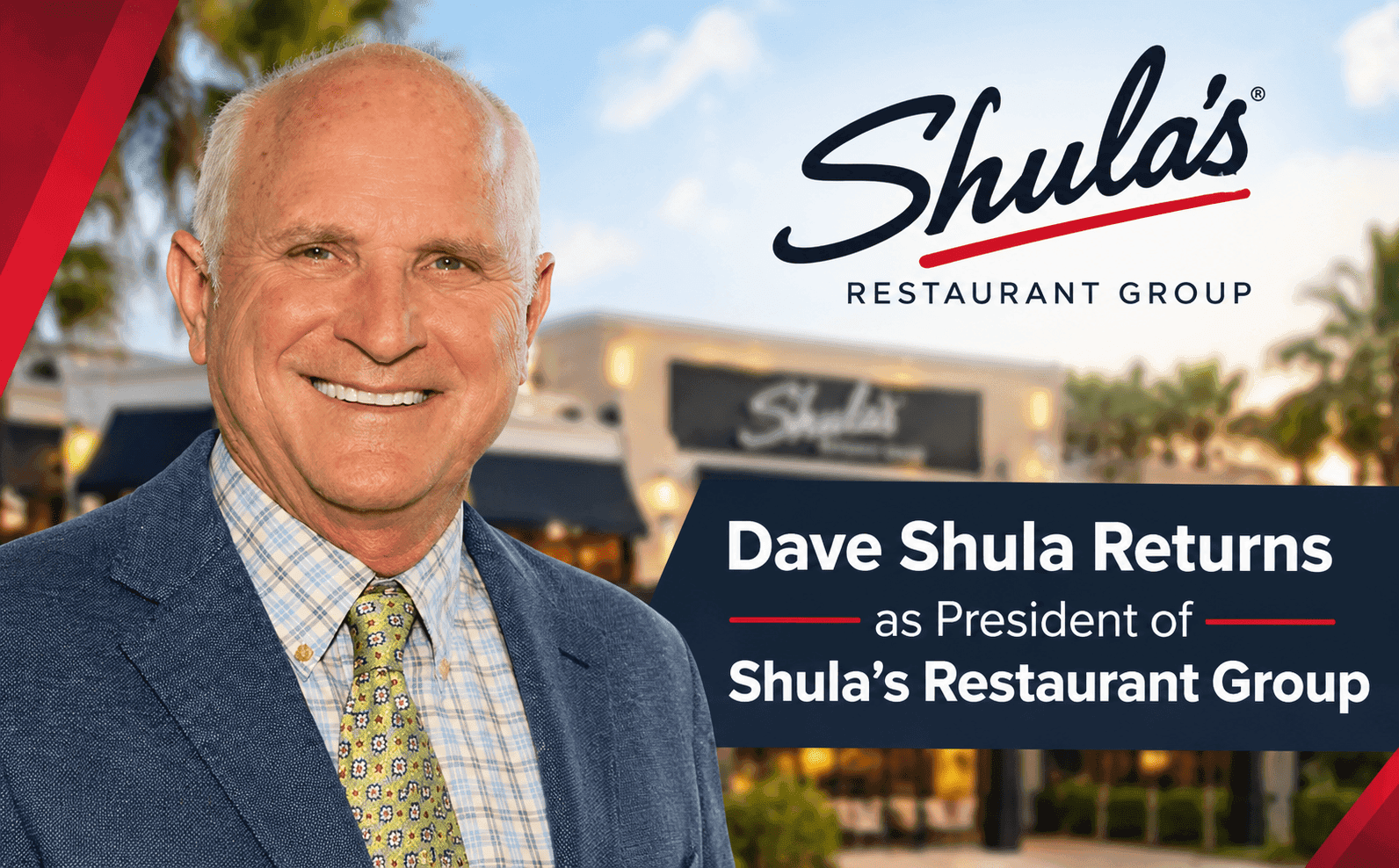
Dave Shula Returns as President of Shula's Restaurant Group
Dave Shula rejoins Shula's Restaurant Group as president, leading growth into Palm Beach Gardens and a 2027 Thomasville, Georgia expansion.
News
Sep 23, 2026
Dave Shula rejoins Shula's Restaurant Group as president, leading growth into Palm Beach Gardens and a 2027 Thomasville, Georgia expansion.
Sep 23, 2026
McDonald's commits $8.5 billion through 2036 to modernize restaurants, boost cash flow by $100,000 per store, and grow chicken and beverage sales.
Sep 23, 2026
WKS Restaurant Group promotes Jay Spongberg to president and COO after he helped grow the company from 65 to 382 restaurants over 16 years.
Sep 23, 2026

Smokey Mo's BBQ names Von Dawson, a Dine Brands veteran, as VP of Franchise Development to lead its Texas expansion strategy.
Sep 23, 2026
.png&w=3840&q=70)
Meritage Hospitality's Chapter 11 filing pulls 5% of Wendy's U.S. stores into bankruptcy, exposing cracks in franchising's bigger-is-safer bet.
Sep 21, 2026
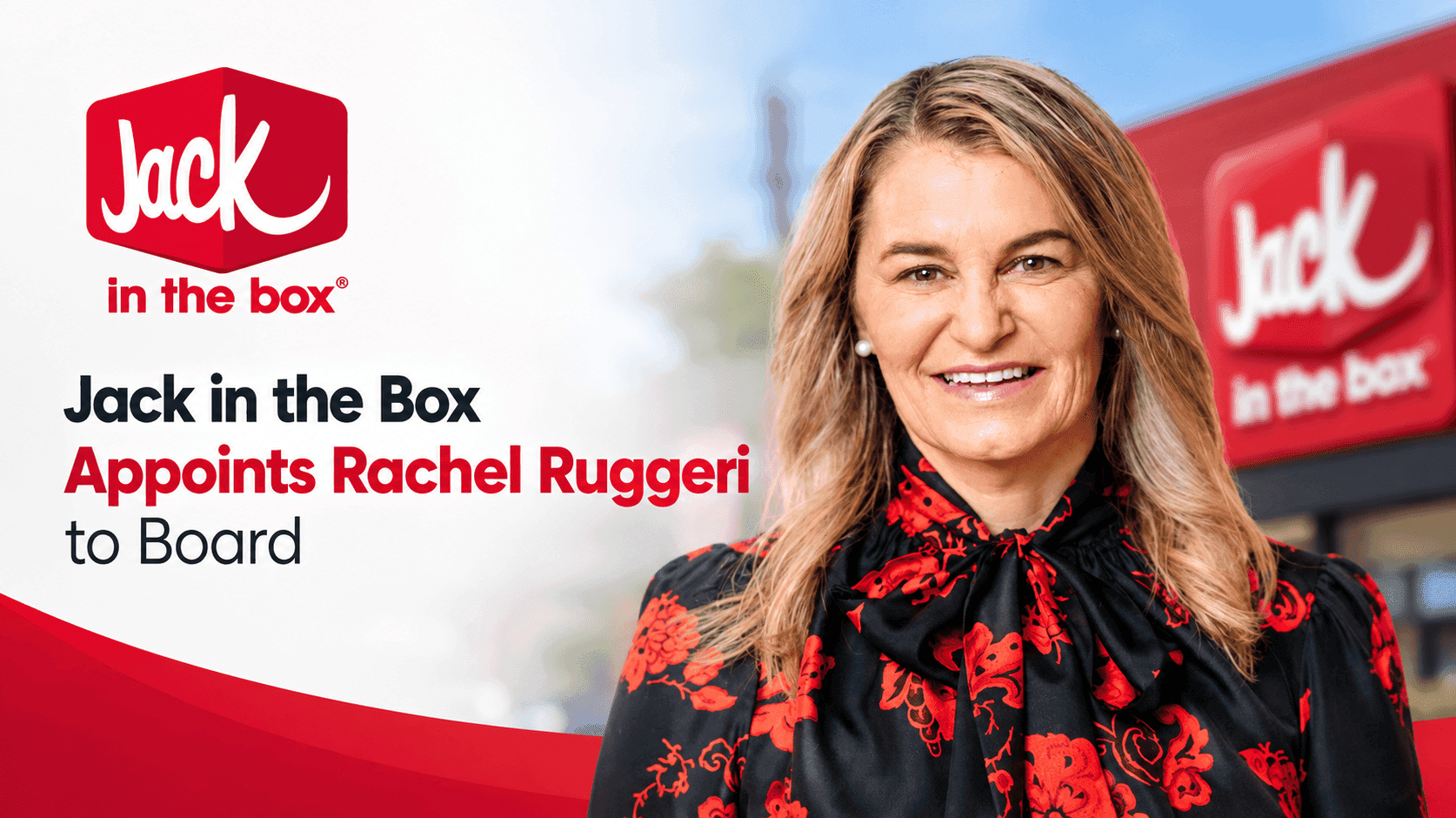
Jack in the Box names Rachel Ruggeri to its board as Michael Murphy retires, amid a CEO transition and deal with investor GreenWood.
Sep 21, 2026
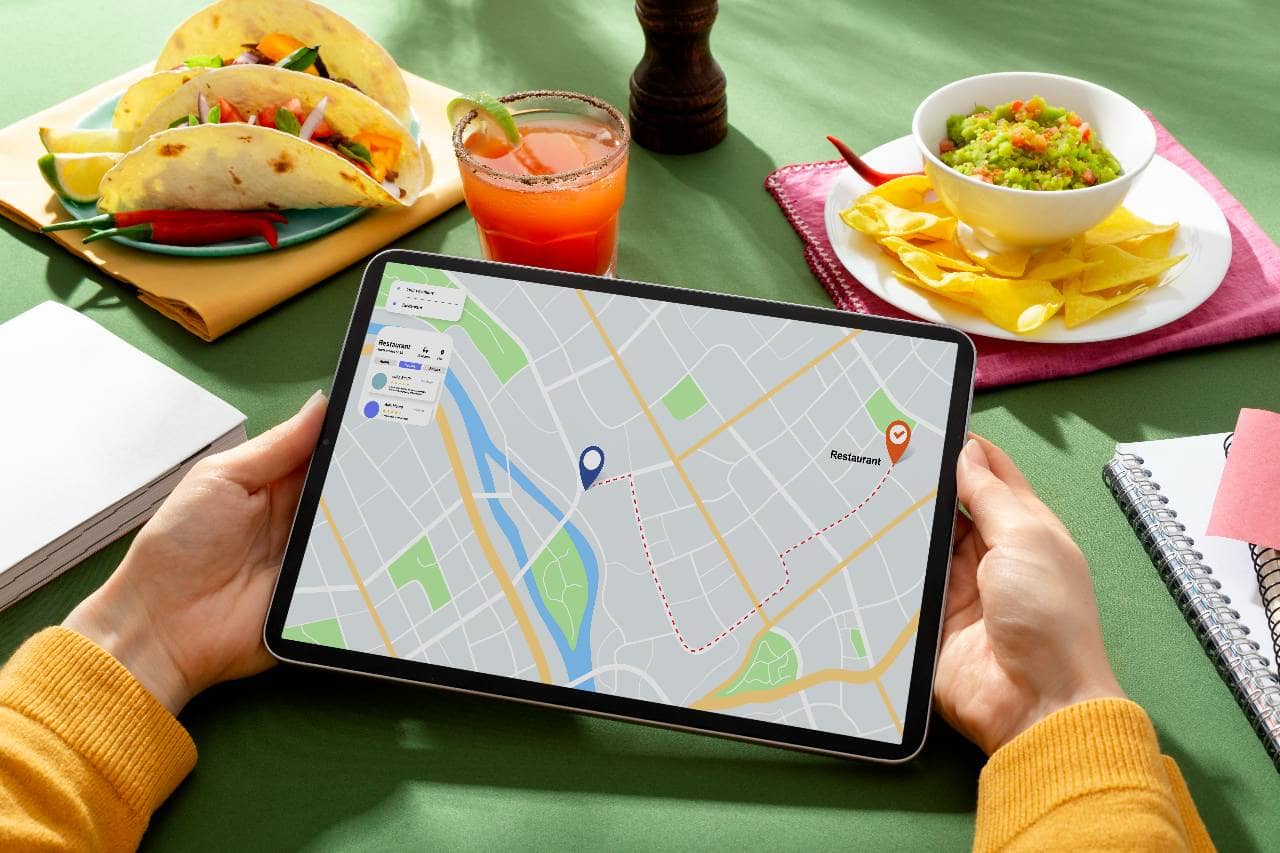
Improve restaurant Google Maps rankings by optimizing your business profile, selecting accurate categories, gathering reviews, adding photos, and strengthening local relevance signals.
Sep 21, 2026

Restaurant inventory tracking helps owners monitor stock, control food costs, reduce waste, improve purchasing, and make informed operational decisions.
Sep 21, 2026

Restaurant owners can significantly reduce restaurant costs by leveraging technology across inventory, labor, procurement, forecasting, and administrative operations for better profit margins.
Sep 18, 2026

Understand how to forecast restaurant revenue and expenses with methods for sales projection, cost scaling, fixed-cost planning, and risk buffering.
Sep 18, 2026

Unlock Exclusive Access To Webinars, Events, And The Latest News For Free!
Discover how innovation labs and support centers are transforming restaurant operations, boosting efficiency, and enhancing the speed of service.

Photo by Jason Leung
Shake Shack's strategic move to introduce an innovation lab signals a significant shift in the approach to restaurant operations. By leveraging this innovative space, the company aims to expedite the rollout of new formats, leading to faster implementation and potentially higher cash-on-cash returns. This proactive approach not only streamlines the buildout process but also aligns with the ambitious plan to expand the chain's presence from 330 units to 1,500 company-owned restaurants in the U.S.
Photo by Jason Leung
Reducing buildout costs is a critical focus area for Shake Shack, with a clear target to decrease expenses from $2.4 million to $2.2 million. Historically, the company utilized a traditional model of building new restaurants, involving prolonged testing and optimization phases. The innovation lab now offers a modular solution to test and fine-tune various kitchen equipment, layouts, and operational workflows efficiently.
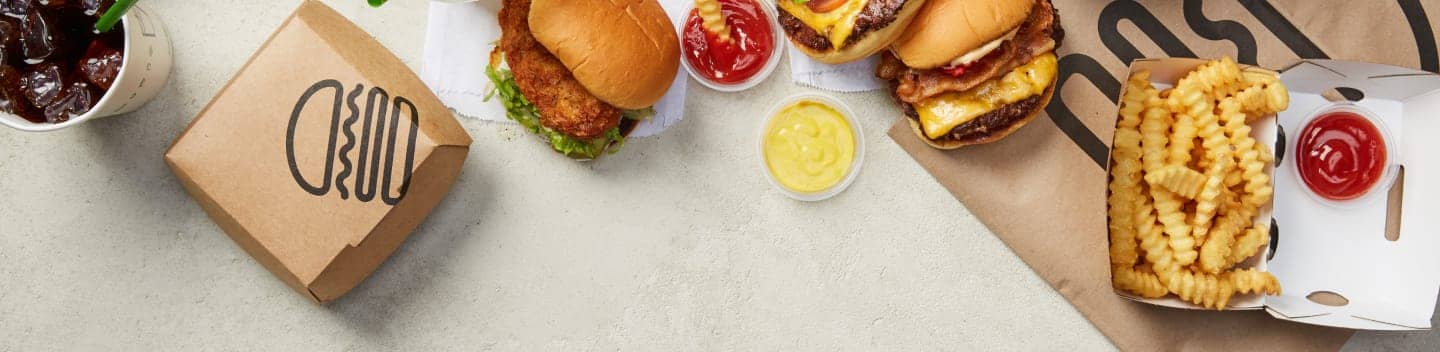
Photo by Jason Leung
One of the key objectives of Shake Shack's innovation lab is to enhance the speed of service, particularly in areas like the drive-thru. By exploring advanced equipment such as hot holders, fryers, and shake machines, Shake Shack aims to address long wait times and improve overall operational efficiency. With drive-thru locations constituting about 10% of the system, the focus on optimizing service times is crucial for customer satisfaction.
In addition to the innovation lab, Shake Shack's decision to establish support centers represents a strategic move towards decentralization. With centers in New York City, Hong Kong, and the recent addition in Atlanta, the company aims to attract diverse talent from across the country. This expansion fosters a collaborative environment and provides access to a broader pool of expertise, especially in the tech realm.
The appointment of Justin Mennen as the chief information and technology officer underscores Shake Shack's commitment to technology-driven advancements. With Mennen being based in Atlanta, a hub of restaurant operations talent, the company aims to capitalize on the proximity to universities and industry expertise in the region. This strategic move stands in contrast to the centralized headquarters trend observed in the industry.