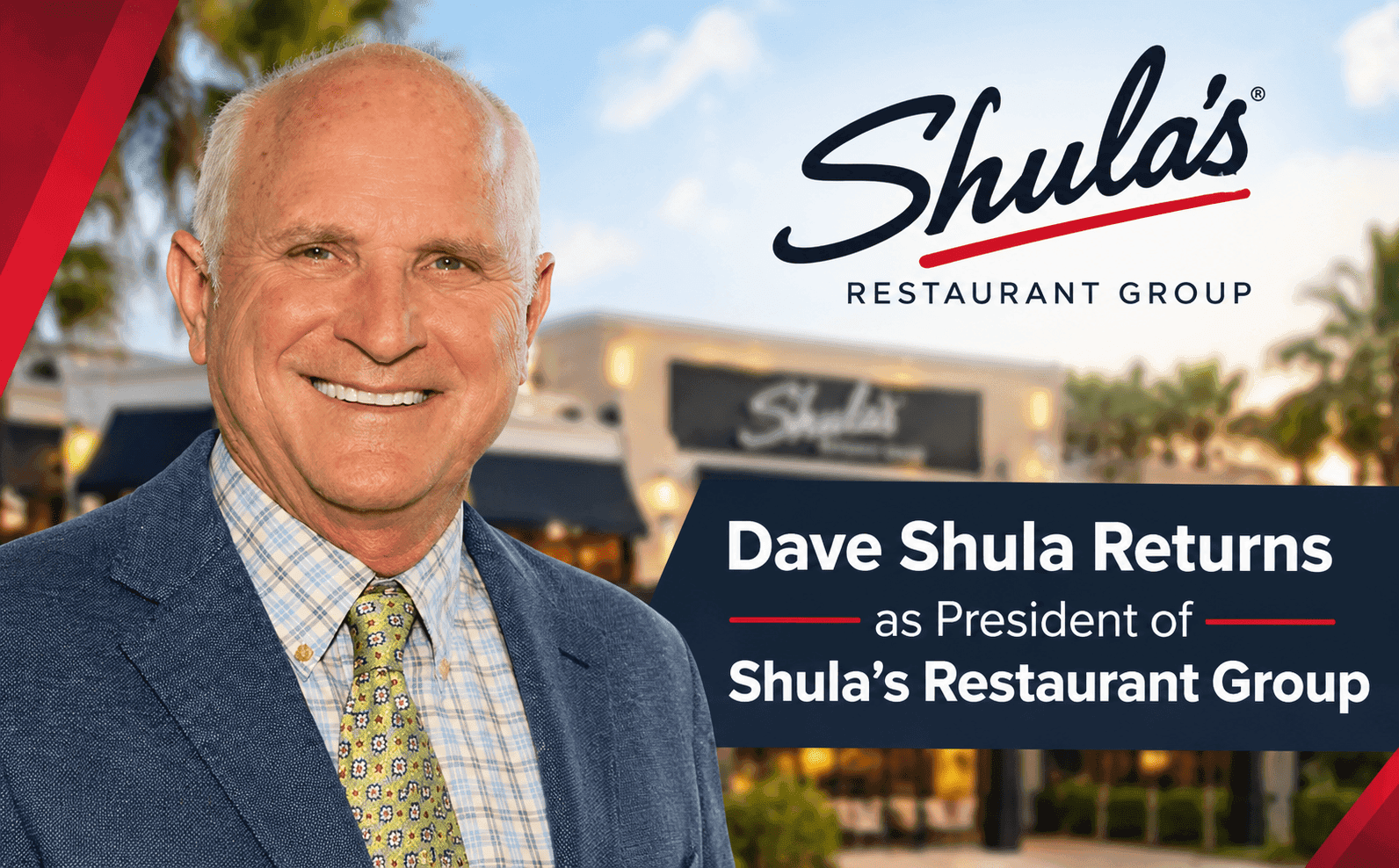
Dave Shula Returns as President of Shula's Restaurant Group
Dave Shula rejoins Shula's Restaurant Group as president, leading growth into Palm Beach Gardens and a 2027 Thomasville, Georgia expansion.
News
Sep 23, 2026
Dave Shula rejoins Shula's Restaurant Group as president, leading growth into Palm Beach Gardens and a 2027 Thomasville, Georgia expansion.
Sep 23, 2026

McDonald's commits $8.5 billion through 2036 to modernize restaurants, boost cash flow by $100,000 per store, and grow chicken and beverage sales.
Sep 23, 2026

WKS Restaurant Group promotes Jay Spongberg to president and COO after he helped grow the company from 65 to 382 restaurants over 16 years.
Sep 23, 2026

Smokey Mo's BBQ names Von Dawson, a Dine Brands veteran, as VP of Franchise Development to lead its Texas expansion strategy.
Sep 23, 2026
.png&w=3840&q=70)
Meritage Hospitality's Chapter 11 filing pulls 5% of Wendy's U.S. stores into bankruptcy, exposing cracks in franchising's bigger-is-safer bet.
Sep 21, 2026
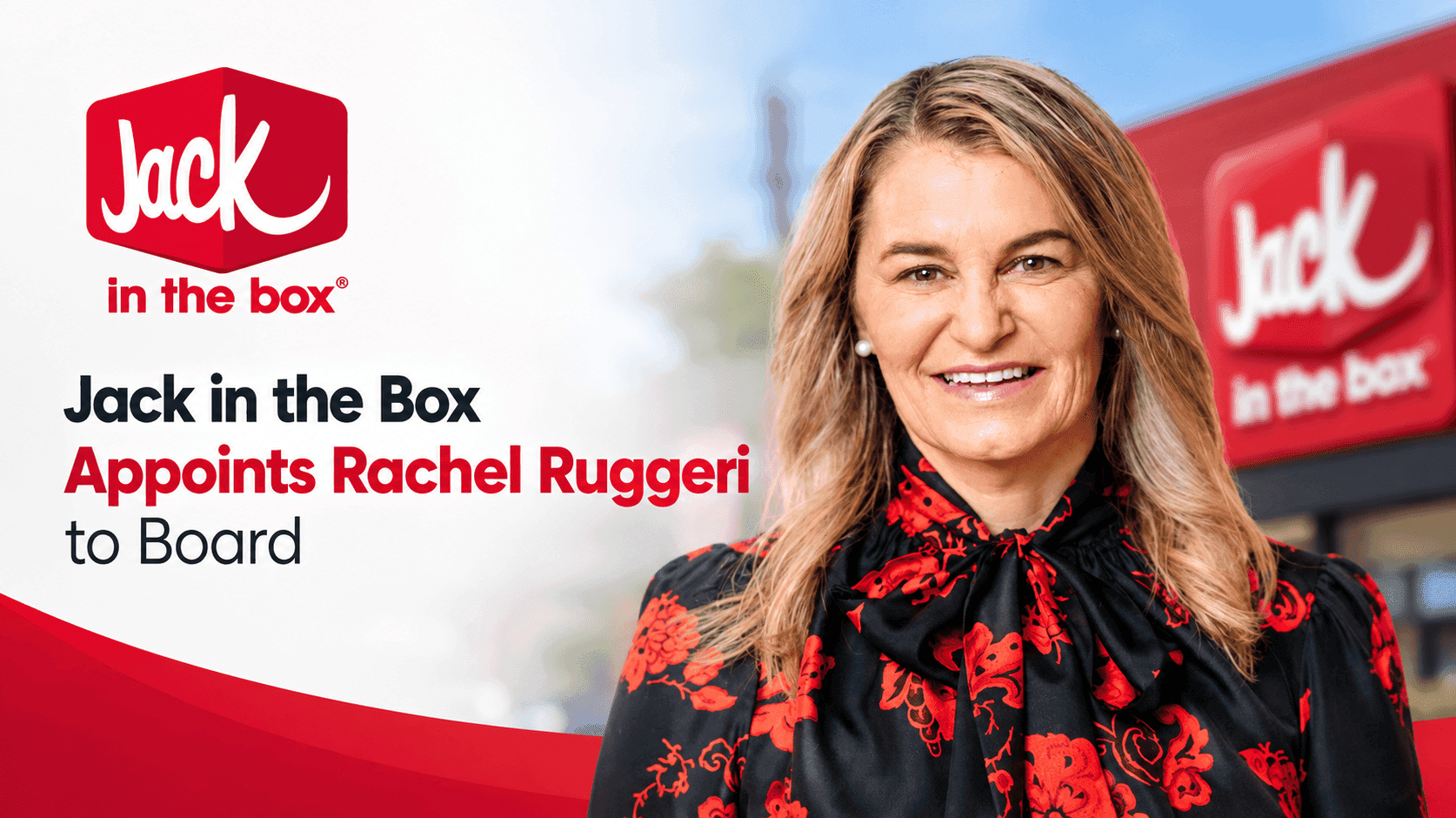
Jack in the Box names Rachel Ruggeri to its board as Michael Murphy retires, amid a CEO transition and deal with investor GreenWood.
Sep 21, 2026
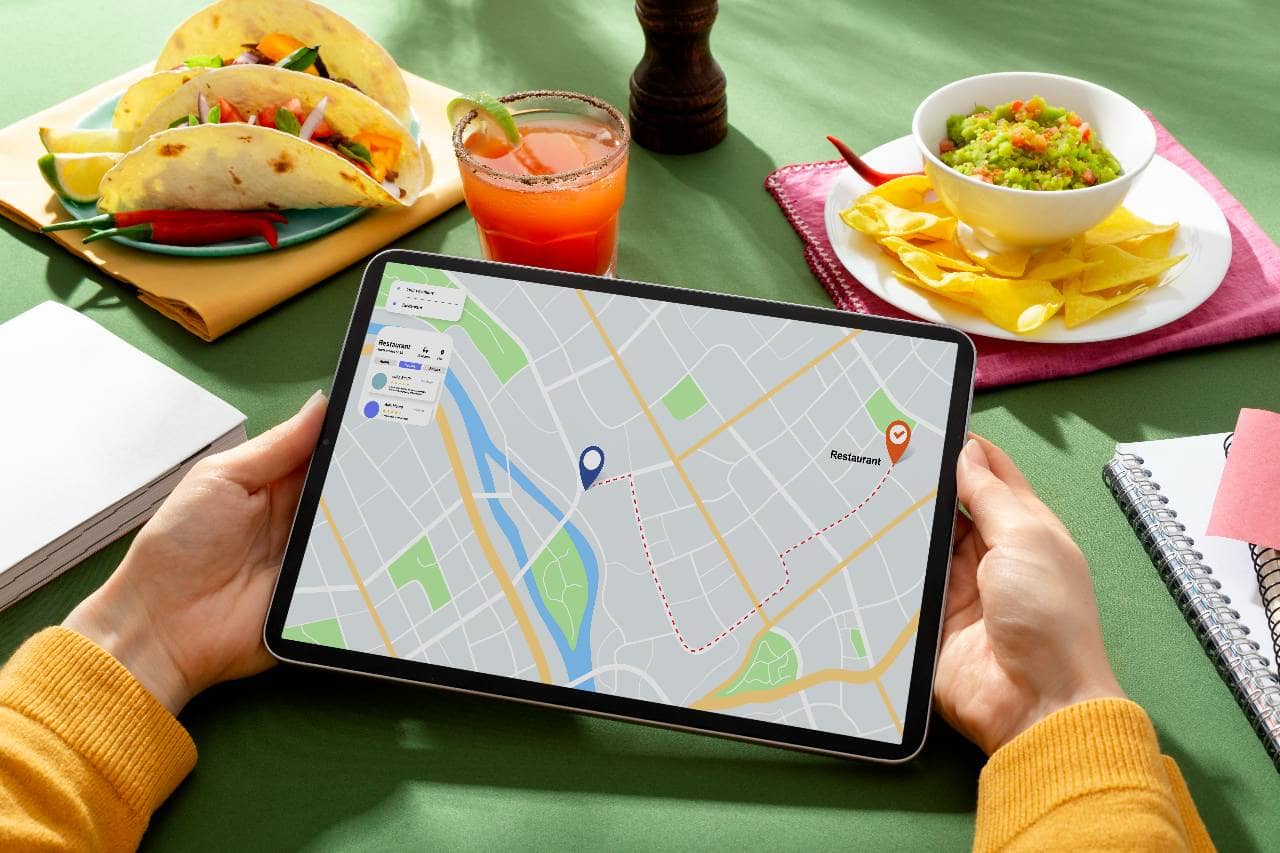
Improve restaurant Google Maps rankings by optimizing your business profile, selecting accurate categories, gathering reviews, adding photos, and strengthening local relevance signals.
Sep 21, 2026

Restaurant inventory tracking helps owners monitor stock, control food costs, reduce waste, improve purchasing, and make informed operational decisions.
Sep 21, 2026

Restaurant owners can significantly reduce restaurant costs by leveraging technology across inventory, labor, procurement, forecasting, and administrative operations for better profit margins.
Sep 18, 2026

Understand how to forecast restaurant revenue and expenses with methods for sales projection, cost scaling, fixed-cost planning, and risk buffering.
Sep 18, 2026

Unlock Exclusive Access To Webinars, Events, And The Latest News For Free!
A close look at how tracking attire stabilizes restaurant operations, from ownership to audits and tech-enabled workflows.

Photo by Clay Banks
Uniforms used to be an afterthought. Today they’re a system with reach on the floor and in the back of house. When the process is tight, guests feel it before they order: a staff image that’s crisp, confident, and consistent. This is the backbone of a true operating system: precise calculations by role, routine laundry schedules, and a logged kit for every hire. Chefs in flame‑retardant gear, servers in clean, well‑fitted uniforms, managers who track every kit, these details matter. Seasonal shifts test the provisioning, and a strong plan keeps operations steady. In a climate of turnover, the approach stabilizes the team and preserves brand, and sets up what follows.
Ownership rests with a clearly defined system: one purchaser, a single vendor, and a documented workflow that travels with staff. A kit issued at hire becomes a permanent asset to manage. By anticipating wear and demand, you tailor gear to role rather than size alone. When a worker departs, departure checks trigger returns and payroll handoffs, cutting back on losses and ambiguity. The result is a cohesive brand image, fewer interruptions, and a logistics rhythm that survives peak service and slow seasons alike.
A well-run uniform program isn’t a policy sheet, it’s a living system. You win with discipline: items assigned by role get labeled, color-coded, and optionally barcoded so ownership is obvious. A mandatory return policy tied to departure checks discourages nonreturnables and streamlines payroll handoffs. Whether you’re in a small venue with a simple binder or a large operation with a digital ledger, the principle is the same: ownership accrues to the operation, not the individual. Quarterly audits reconcile on-hand stock with issued logs, exposing gaps and driving corrective action. It’s data-driven, not guesswork, and it pays off in time saved and cost control.
Size and layout matter. Small venues can get away with a straightforward checkout list; high‑volume shops benefit from asset‑tracking apps that provide real-time visibility and easier reorders. The transition is gradual: start with a basic binder, map every garment to a role, then layer in digital tools as turnover grows. The payoff is tangible, fewer losses, fewer mismatches, and cleaner payroll handoffs, without turning the process into a burden for staff.
