California Penalizes Dickey's for Franchise Disclosure Violations
California shifts to public enforcement strategy against Dickey's for deceptive franchise disclosures, signaling stricter state-level franchise oversight.
Franchising
Sep 10, 2026
California shifts to public enforcement strategy against Dickey's for deceptive franchise disclosures, signaling stricter state-level franchise oversight.
Sep 10, 2026
Paul Brown temporarily steps away from Inspire Brands as Scott Murphy assumes interim CEO role during confidential IPO filing process targeting late 2026.
Sep 10, 2026
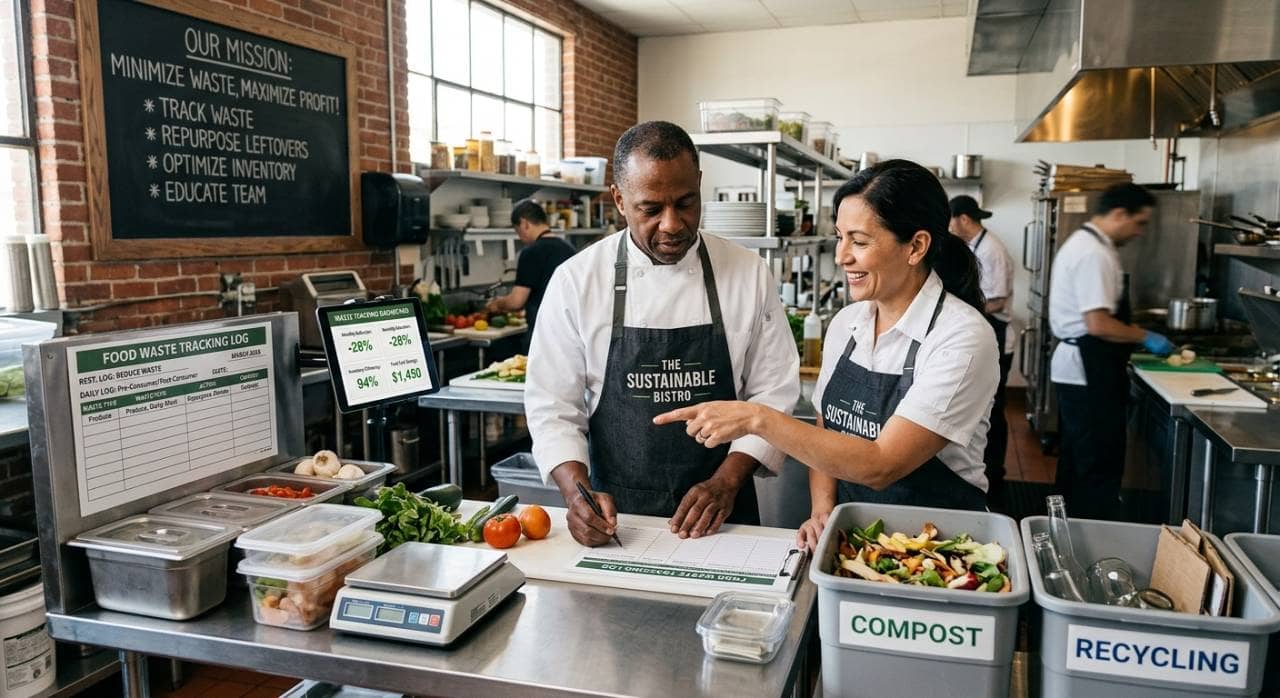
Learn how to reduce food waste in restaurants through smarter purchasing, storage, preparation, and service strategies that cut costs.
Sep 9, 2026
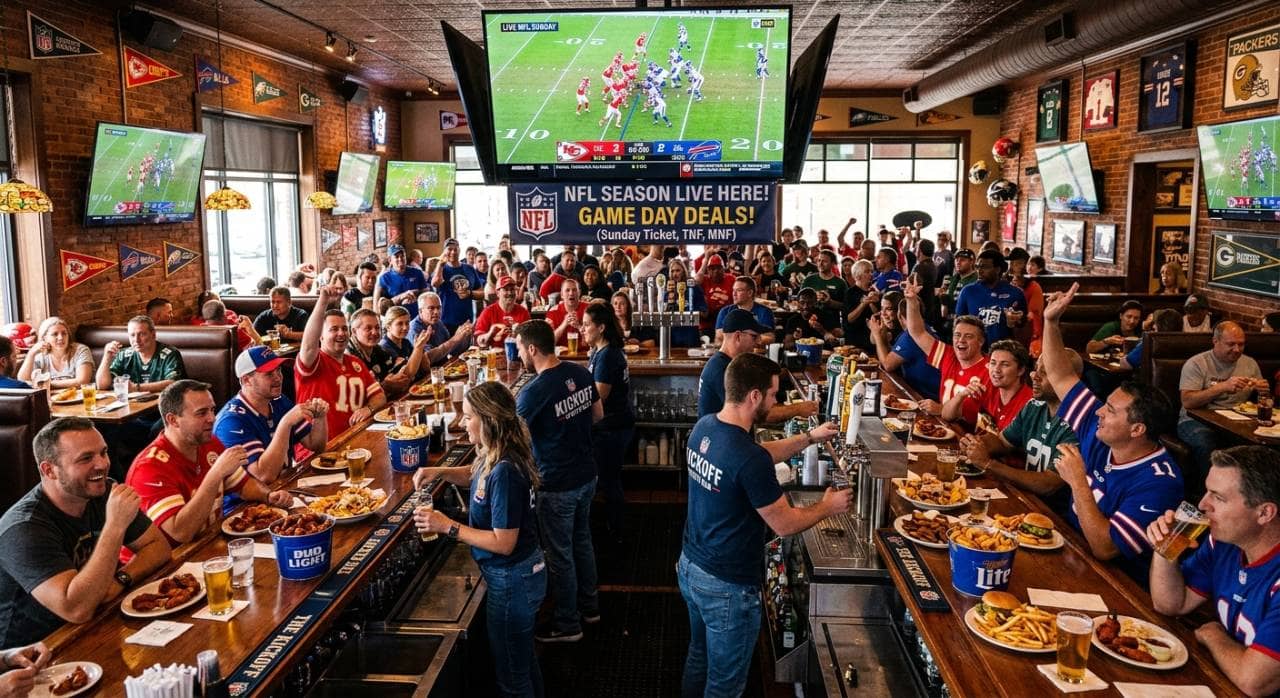
Prepare your restaurant for NFL season with smart menu planning, staffing, marketing, technology, and atmosphere strategies that boost season-long revenue.
Sep 9, 2026
Swig signs franchise agreement for 11 South Denver locations, marking Colorado entry and validating its national expansion strategy.
Sep 8, 2026
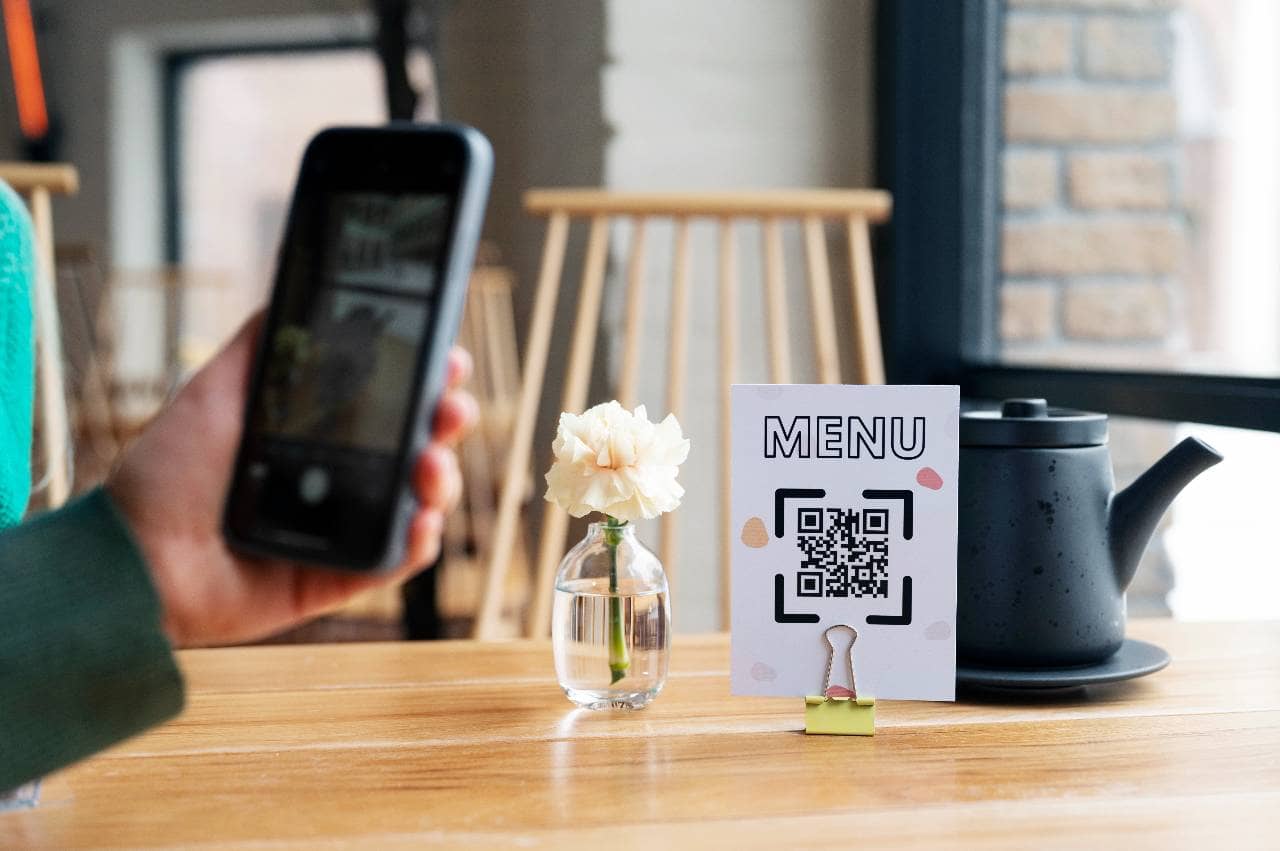
QR code menus let restaurants replace paper menus digitally, enabling instant updates, contactless browsing, ordering, and payment through simple smartphone scanning.
Sep 7, 2026
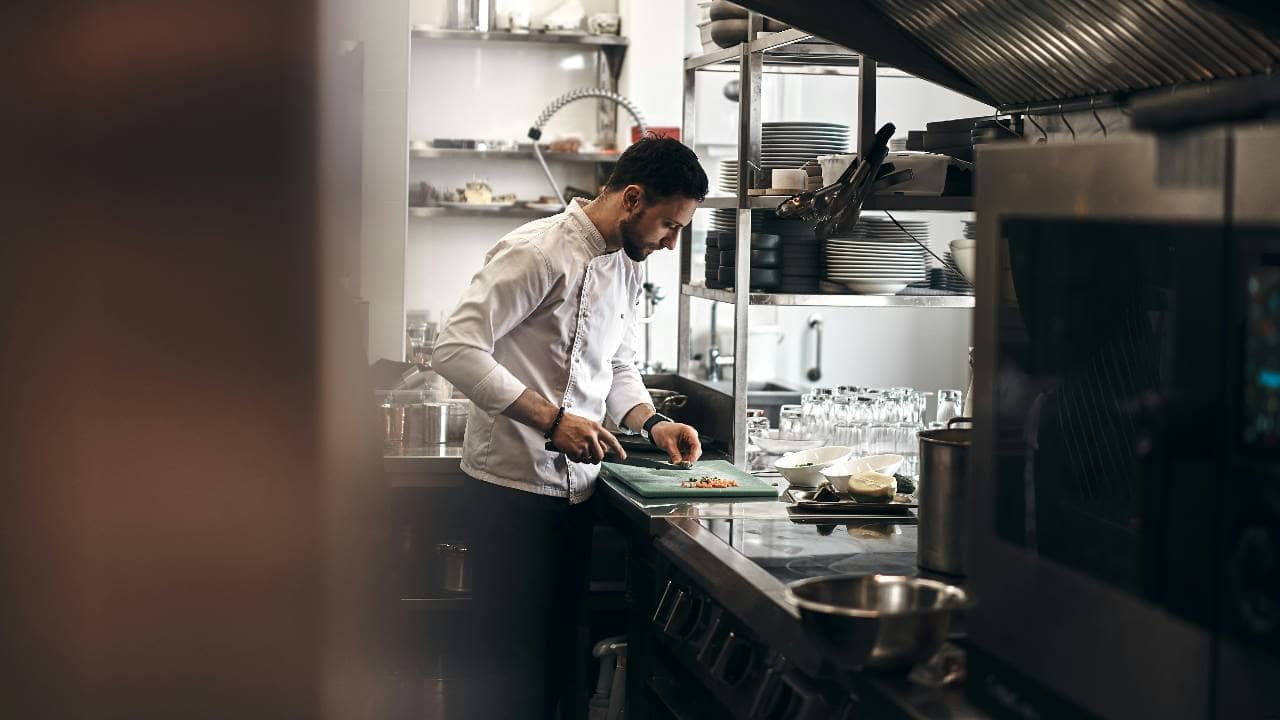
Complete guide helping restaurant owners choose essential kitchen equipment - covering cooking, refrigeration, prep, sanitation, ventilation, safety, and long-term maintenance planning.
Sep 7, 2026

Avoiding common restaurant payroll mistakes - misclassification, tip credit errors, overtime miscalculations - protects businesses from costly penalties, back pay, and compliance risks.
Sep 4, 2026
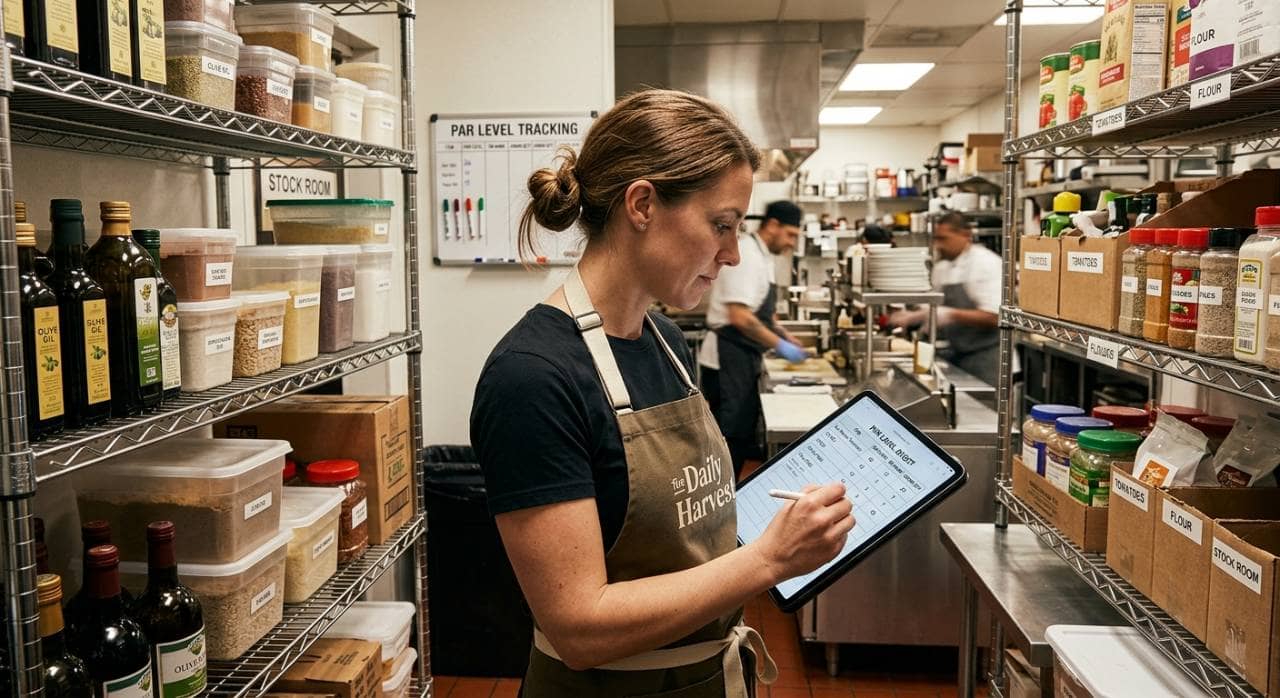
Learn to calculate par levels for restaurant food, beverages, and packaging inventory, preventing stockouts and waste through proper formulas.
Sep 4, 2026
Caribou Coffee appoints Zane Thomas-Rogers as Chief Operations Officer to strengthen execution across its expanding coffeehouse network.
Sep 4, 2026

Unlock Exclusive Access To Webinars, Events, And The Latest News For Free!
Taco Bell introduces a two-track daypart model giving franchised locations the option to drop breakfast, while company stores keep breakfast to fuel growth in lunch and Cantina Chicken.

Photo by Jarritos Mexican Soda
From the first glimmer of dawn in a neighborhood café to the hush before a lunch rush, breakfast is being reimagined at Taco Bell. The brand announced that franchisees will have the option to opt out of serving breakfast starting in October 2024, a move born of listening to operators and seeking menus that breathe more freely. The plan unfolds as a two-track rhythm: franchisees gain autonomy over when to serve what, while company-owned stores keep breakfast to preserve a familiar cadence across the brand. At Live Mas Live in Las Vegas, executives spoke with a softer confidence, growth now leans toward lunch and the Cantina Chicken lineup. The mood felt welcoming, not retreating, as if the café’s warmth extended to corporate strategy.
The policy creates a practical split: franchised Taco Bells can choose whether to serve breakfast, while corporate stores stay with breakfast to keep a national, predictable start to the day. The move aims to streamline menus and unlock growth opportunities in lunch and the Cantina Chicken portfolio. The plan arrived with a defined timeline toward October 2024 and follows franchisee feedback about local demand and profitability. In this arrangement, brand consistency remains intact where it matters most, across corporate locations, even as operators are invited to test ideas in markets where breakfast isn’t the strongest magnet.
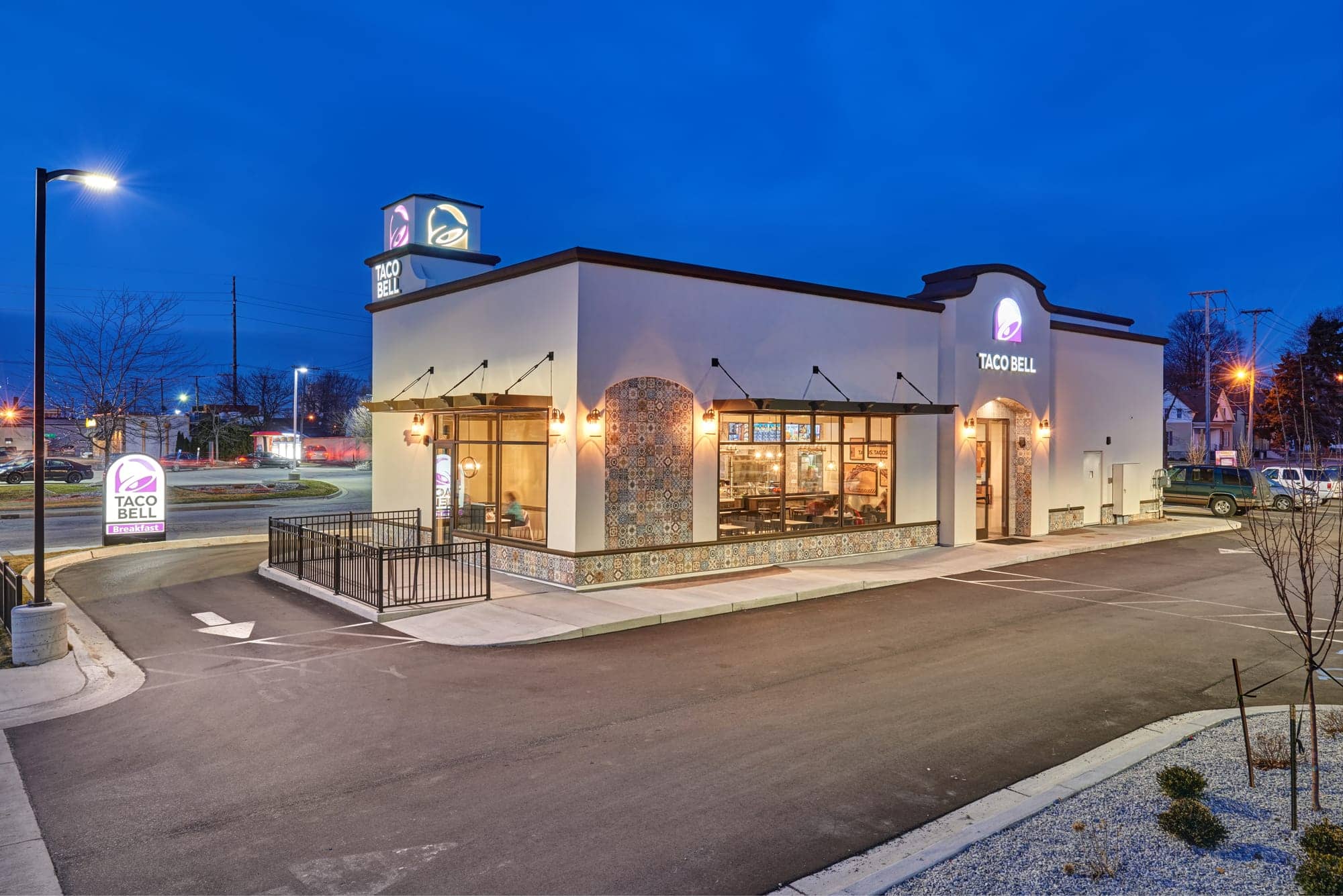
The opt-out framework emerges as franchisees sought greater control over menu planning to align dayparts with local demand and profitability. The plan is not a dismissal of breakfast but a way to maximize flexibility for the most lucrative opportunities across dayparts. Corporate Stores remain committed to breakfast, underscoring a clear separation between franchised operators and company-owned outlets. The policy aligns with a broader franchising trend toward operator creativity while preserving core brand concepts in key markets.
This approach reflects a measured balance between local realities and national branding. It isn’t a wholesale retreat from breakfast; it’s a deliberate invitation to pursue profitable opportunities where they exist, while maintaining a consistent morning experience at company stores. The timing signals a broader effort to align the brand with operator needs and shifting consumer habits, especially as competition in the breakfast market remains vigorous.

Practically, the opt-out lands on franchised Taco Bells across the country, while corporate stores stay with breakfast to keep a consistent national breakfast experience. The store locator will guide customers to locations that maintain breakfast, helping plan visits. Industry coverage notes the transition is designed to be flexible for operators, while maintaining breakfast offerings at corporate stores to protect brand equity. The two-track model balances franchisee autonomy with a steady, recognizable morning presence for guests.
Operationally, the policy formalizes a deliberate separation between franchisees and corporate stores. The rollout is designed to be gradual, with October serving as a reference point, and a commitment to advancing breakfast at corporate stores while franchised locations pursue growth opportunities across dayparts. The aim remains to maximize flexibility without eroding brand equity, and leaders emphasize this is about evolution, not abandonment, as the company tests ideas across markets.
Taco Bell has framed the opt-out as a strategic response to franchisee feedback and evolving market conditions. The company stresses that the shift empowers operators to tailor offerings to their communities while corporate stores continue to serve breakfast. The stance is not a retreat but a move toward greater experimentation and nimbleness in a rapidly changing QSR environment. This tone, practical, hopeful, and collaborative, echoes a larger aim to support operators, team members, and fans as new products and formats are tested.
"In fact, breakfast performance continues to improve through Q2 2024," the company observed, underscoring that the opt-out is not a retreat from the morning crowd but a way to sharpen focus on where growth lies. Executives added that this is a test-and-learn moment, products, restaurant formats, and other daypart experiments will continue as the brand seeks to better serve franchisees, team members, and fans. The takeaway is a patient confidence in evolution.

The broader restaurant landscape has been watching breakfast rebound as a meaningful traffic driver. Circana data from 2023 show that breakfast visits recovered from the pandemic lows, with morning traffic up about 10% year over year in February 2023 and roughly 2% higher than three years earlier. Taco Bell has been actively testing morning offerings, such as breakfast tacos and breakfast tots, and even leaned into celebrity partnerships to spark interest. The trend among major brands suggests renewed enthusiasm for breakfast as competition remains stiff and the morning daypart remains a meaningful driver of traffic.
Circana’s data helps explain why Taco Bell’s flexibility in dayparts resonates now: the market still seeks balance between morning rituals and afternoon crowds. The brand’s focus on lunch and the Cantina Chicken portfolio appears designed to lift visits across the day, even as the breakfast engine remains strong at corporate locations. In a crowded field, the opt-out approach reads as a measured attempt to respect local realities while keeping the national brand intact.
The ongoing balance between franchisee autonomy and brand consistency will continue to shape Taco Bell’s strategic posture. By enabling opt-outs, the brand signals a willingness to adapt to operator preferences while continuing to invest in breakfast at corporate stores and to test novel concepts in both morning and non-morning periods. The shift toward expanding lunch and the Cantina Chicken portfolio suggests a broader realignment of growth priorities aimed at boosting frequency beyond the breakfast window.
As the opt-out wave unfolds, Taco Bell will be watched closely for store-level profitability, brand perception, and traffic across dayparts. Industry coverage notes that the landscape remains highly competitive, with operators weighing local realities against a national concept. In this quiet, hopeful moment, the brand’s approach offers a gentle case study in how large franchised networks navigate the tension between local control and consistent branding, an enduring lesson in hospitality, community, and the art of serving morning warmth alongside afternoon energy.