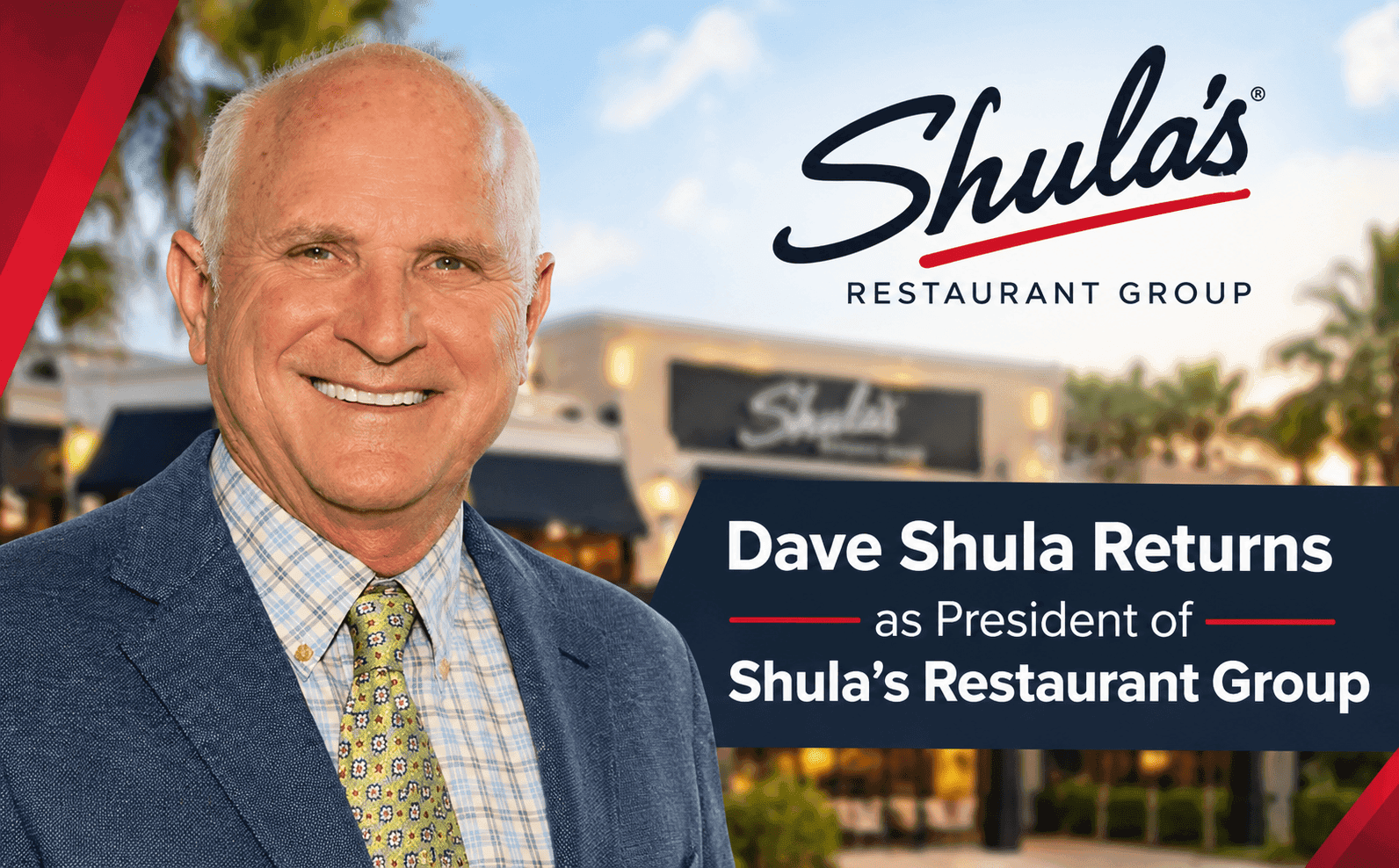
Dave Shula Returns as President of Shula's Restaurant Group
Dave Shula rejoins Shula's Restaurant Group as president, leading growth into Palm Beach Gardens and a 2027 Thomasville, Georgia expansion.
News
Sep 23, 2026
Dave Shula rejoins Shula's Restaurant Group as president, leading growth into Palm Beach Gardens and a 2027 Thomasville, Georgia expansion.
Sep 23, 2026
McDonald's commits $8.5 billion through 2036 to modernize restaurants, boost cash flow by $100,000 per store, and grow chicken and beverage sales.
Sep 23, 2026
WKS Restaurant Group promotes Jay Spongberg to president and COO after he helped grow the company from 65 to 382 restaurants over 16 years.
Sep 23, 2026

Smokey Mo's BBQ names Von Dawson, a Dine Brands veteran, as VP of Franchise Development to lead its Texas expansion strategy.
Sep 23, 2026
.png&w=3840&q=70)
Meritage Hospitality's Chapter 11 filing pulls 5% of Wendy's U.S. stores into bankruptcy, exposing cracks in franchising's bigger-is-safer bet.
Sep 21, 2026
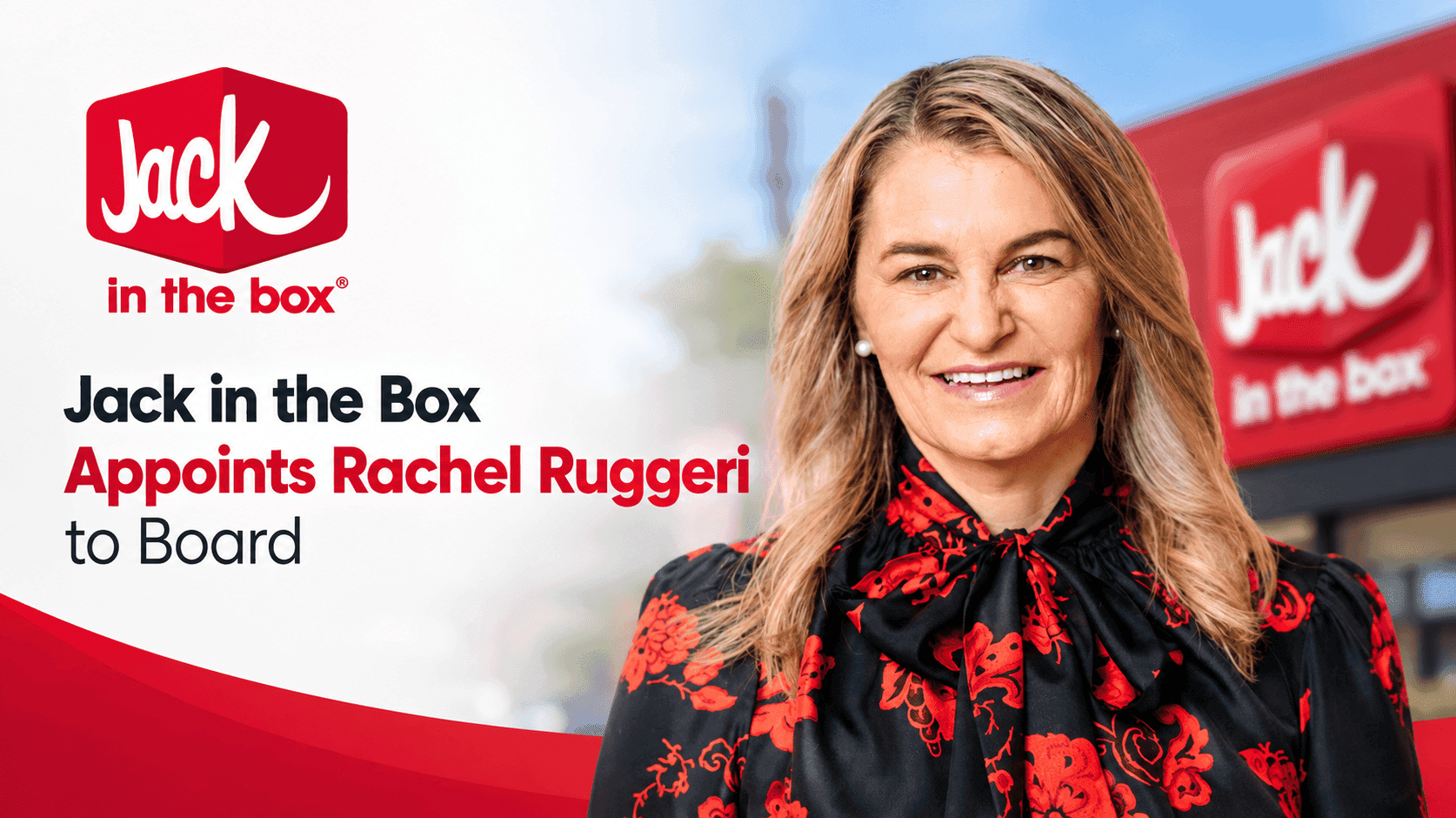
Jack in the Box names Rachel Ruggeri to its board as Michael Murphy retires, amid a CEO transition and deal with investor GreenWood.
Sep 21, 2026

Improve restaurant Google Maps rankings by optimizing your business profile, selecting accurate categories, gathering reviews, adding photos, and strengthening local relevance signals.
Sep 21, 2026

Restaurant inventory tracking helps owners monitor stock, control food costs, reduce waste, improve purchasing, and make informed operational decisions.
Sep 21, 2026

Restaurant owners can significantly reduce restaurant costs by leveraging technology across inventory, labor, procurement, forecasting, and administrative operations for better profit margins.
Sep 18, 2026

Understand how to forecast restaurant revenue and expenses with methods for sales projection, cost scaling, fixed-cost planning, and risk buffering.
Sep 18, 2026

Unlock Exclusive Access To Webinars, Events, And The Latest News For Free!
Exploring the potential impact of proposed legislations aiming to eliminate federal taxes on tips in the hospitality industry.

Photo by Samuel Regan-Asante
The world of hospitality and service workers revolves significantly around tips, which can often represent a substantial portion of their earnings. The proposed elimination of federal taxes on tips has sparked a heated debate among industry professionals, lawmakers, and workers alike.
Various voices within the hospitality industry, including hotel associations and unions, have voiced their support for the removal of federal taxes on tipped wages. Advocates argue that such a move could significantly benefit the livelihoods of employees, providing them with the opportunity to retain more of their hard-earned income.

Photo by Samuel Regan-Asante
Proposed bills such as the No Tax on Tips Act and provisions within the One Big Beautiful Bill Act have set the stage for potential changes in how tipped income is taxed. However, the specifics of these legislations, including eligibility criteria and duration, remain points of contention and discussion.

Photo by Samuel Regan-Asante
While the idea of eliminating taxes on tips has garnered bipartisan support, concerns linger regarding its actual effects. Questions arise about how such changes would influence various categories of tipped workers, especially those with lower incomes, part-time employment, and existing tax exemptions.

Photo by Samuel Regan-Asante
As the debate continues, there is recognition of the need for clear regulatory frameworks to prevent abuse and ensure that the intended benefits reach those directly impacted. The potential shift away from traditional cash-based tipping to digital solutions further adds to the evolving landscape of hospitality compensation.

Photo by Samuel Regan-Asante
Amidst changing tipping cultures and labor dynamics, hotels and businesses in the industry may face challenges in adjusting to new tax regulations. The shift towards digital tipping methods and the evolving expectations of guests also contribute to the complexity of the situation.
While the outcomes of the proposed legislations remain uncertain, the hospitality industry continues to grapple with balancing competitive wages, fair treatment of workers, and evolving guest preferences. The ongoing discourse highlights the intricate interplay between economic policies, labor practices, and customer behaviors in the realm of hospitality.