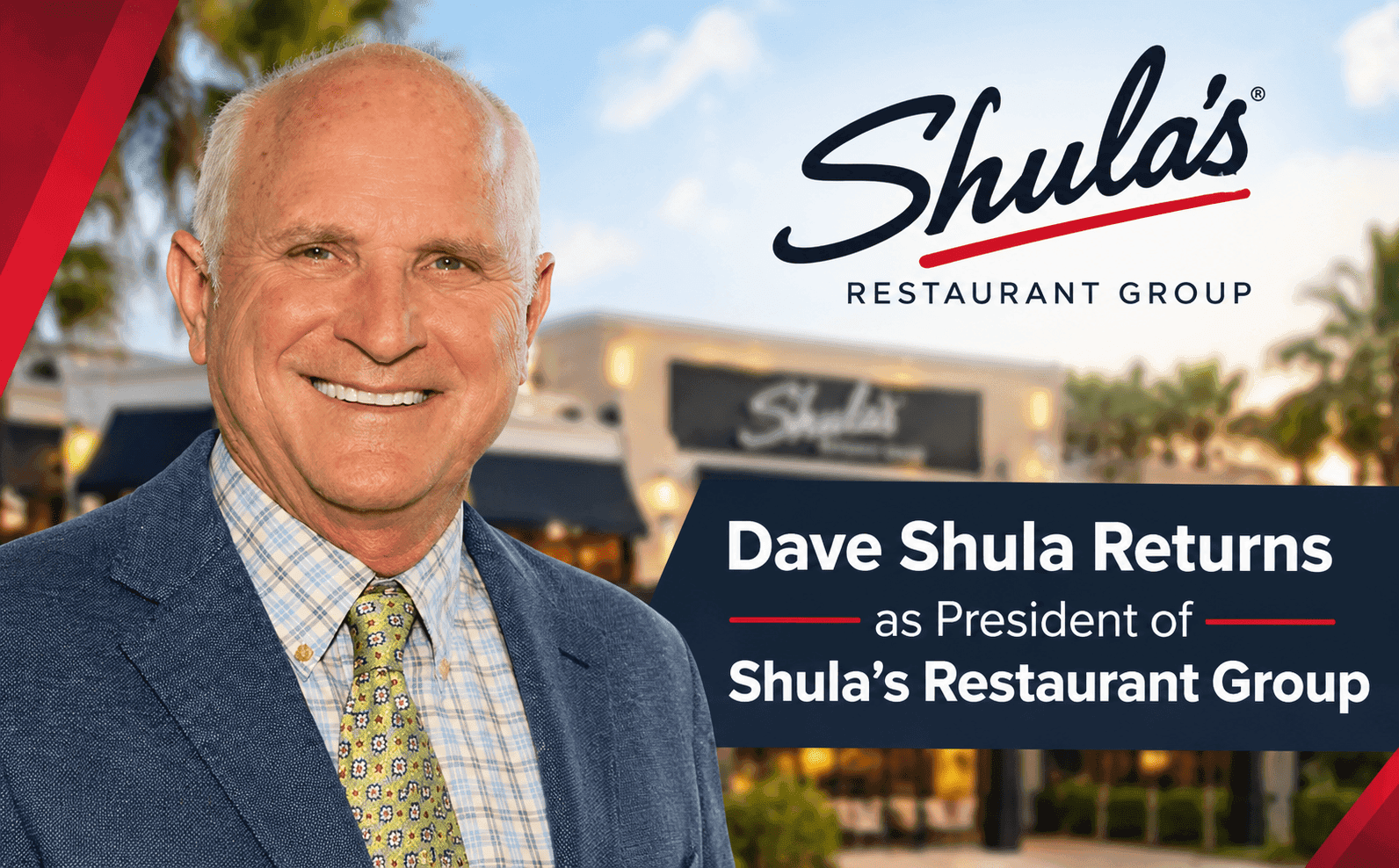
Dave Shula Returns as President of Shula's Restaurant Group
Dave Shula rejoins Shula's Restaurant Group as president, leading growth into Palm Beach Gardens and a 2027 Thomasville, Georgia expansion.
News
Sep 23, 2026
Dave Shula rejoins Shula's Restaurant Group as president, leading growth into Palm Beach Gardens and a 2027 Thomasville, Georgia expansion.
Sep 23, 2026
McDonald's commits $8.5 billion through 2036 to modernize restaurants, boost cash flow by $100,000 per store, and grow chicken and beverage sales.
Sep 23, 2026
WKS Restaurant Group promotes Jay Spongberg to president and COO after he helped grow the company from 65 to 382 restaurants over 16 years.
Sep 23, 2026

Smokey Mo's BBQ names Von Dawson, a Dine Brands veteran, as VP of Franchise Development to lead its Texas expansion strategy.
Sep 23, 2026
.png&w=3840&q=70)
Meritage Hospitality's Chapter 11 filing pulls 5% of Wendy's U.S. stores into bankruptcy, exposing cracks in franchising's bigger-is-safer bet.
Sep 21, 2026
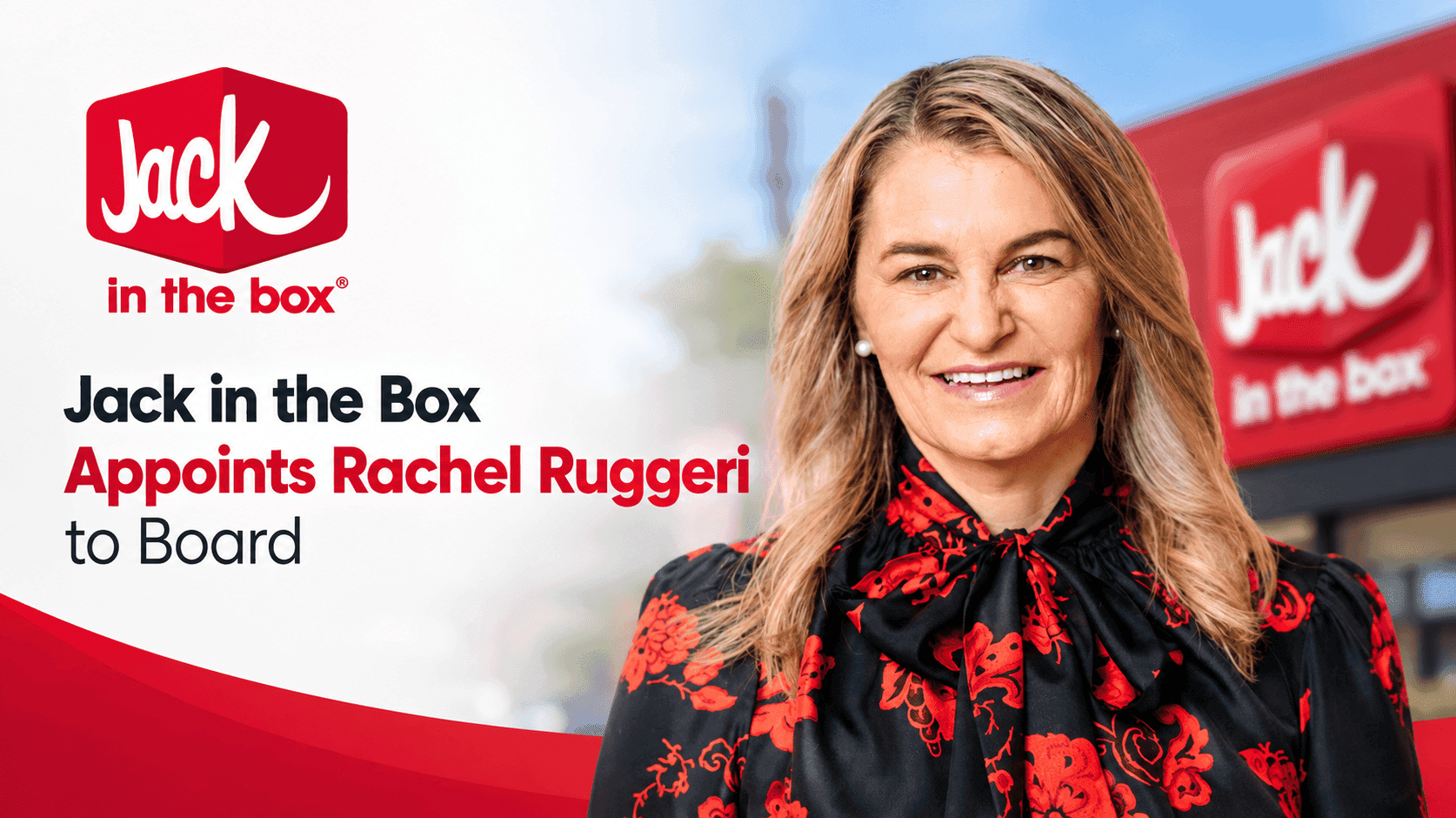
Jack in the Box names Rachel Ruggeri to its board as Michael Murphy retires, amid a CEO transition and deal with investor GreenWood.
Sep 21, 2026
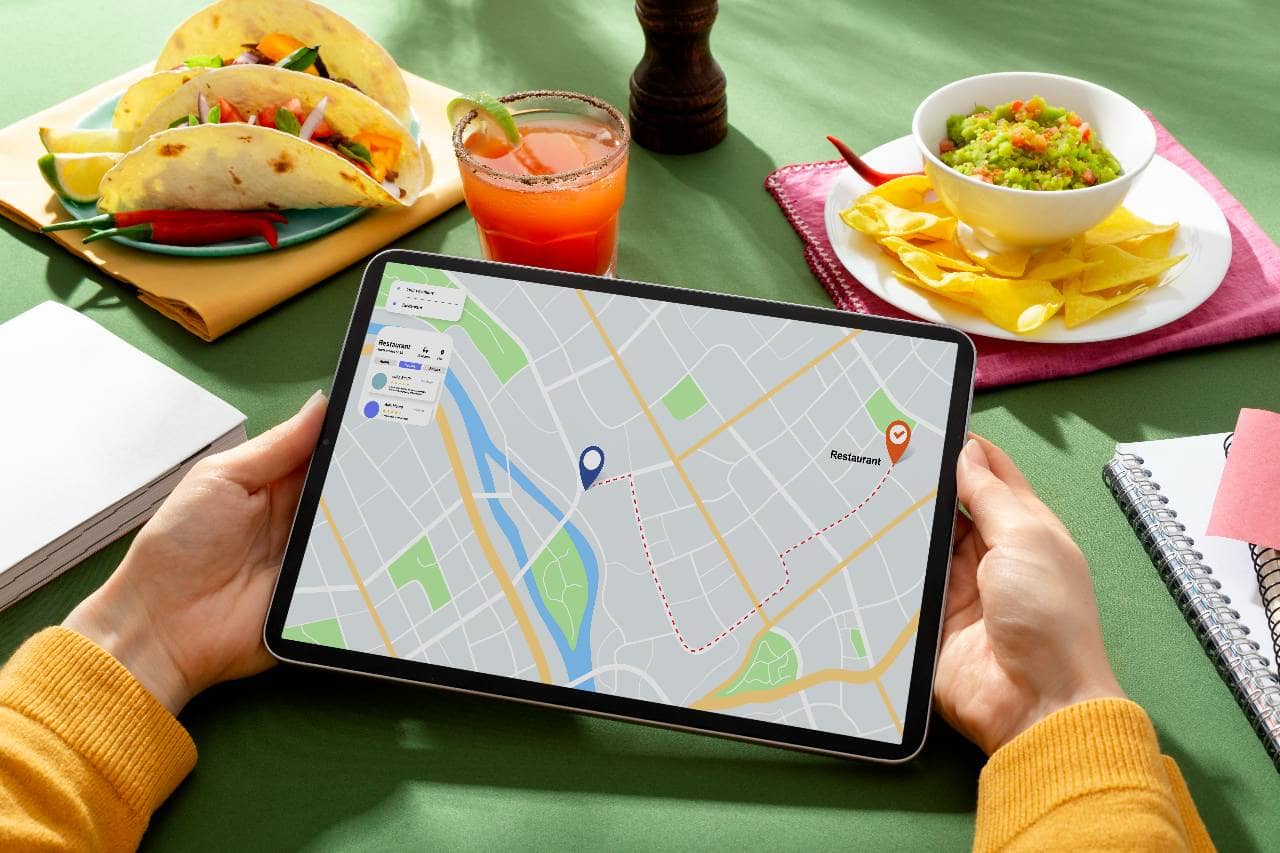
Improve restaurant Google Maps rankings by optimizing your business profile, selecting accurate categories, gathering reviews, adding photos, and strengthening local relevance signals.
Sep 21, 2026

Restaurant inventory tracking helps owners monitor stock, control food costs, reduce waste, improve purchasing, and make informed operational decisions.
Sep 21, 2026

Restaurant owners can significantly reduce restaurant costs by leveraging technology across inventory, labor, procurement, forecasting, and administrative operations for better profit margins.
Sep 18, 2026

Understand how to forecast restaurant revenue and expenses with methods for sales projection, cost scaling, fixed-cost planning, and risk buffering.
Sep 18, 2026

Unlock Exclusive Access To Webinars, Events, And The Latest News For Free!
Fast-casual restaurants like Just Salad are targeting health-conscious consumers at dinner and adapting menu strategies to cater to evolving consumer preferences.
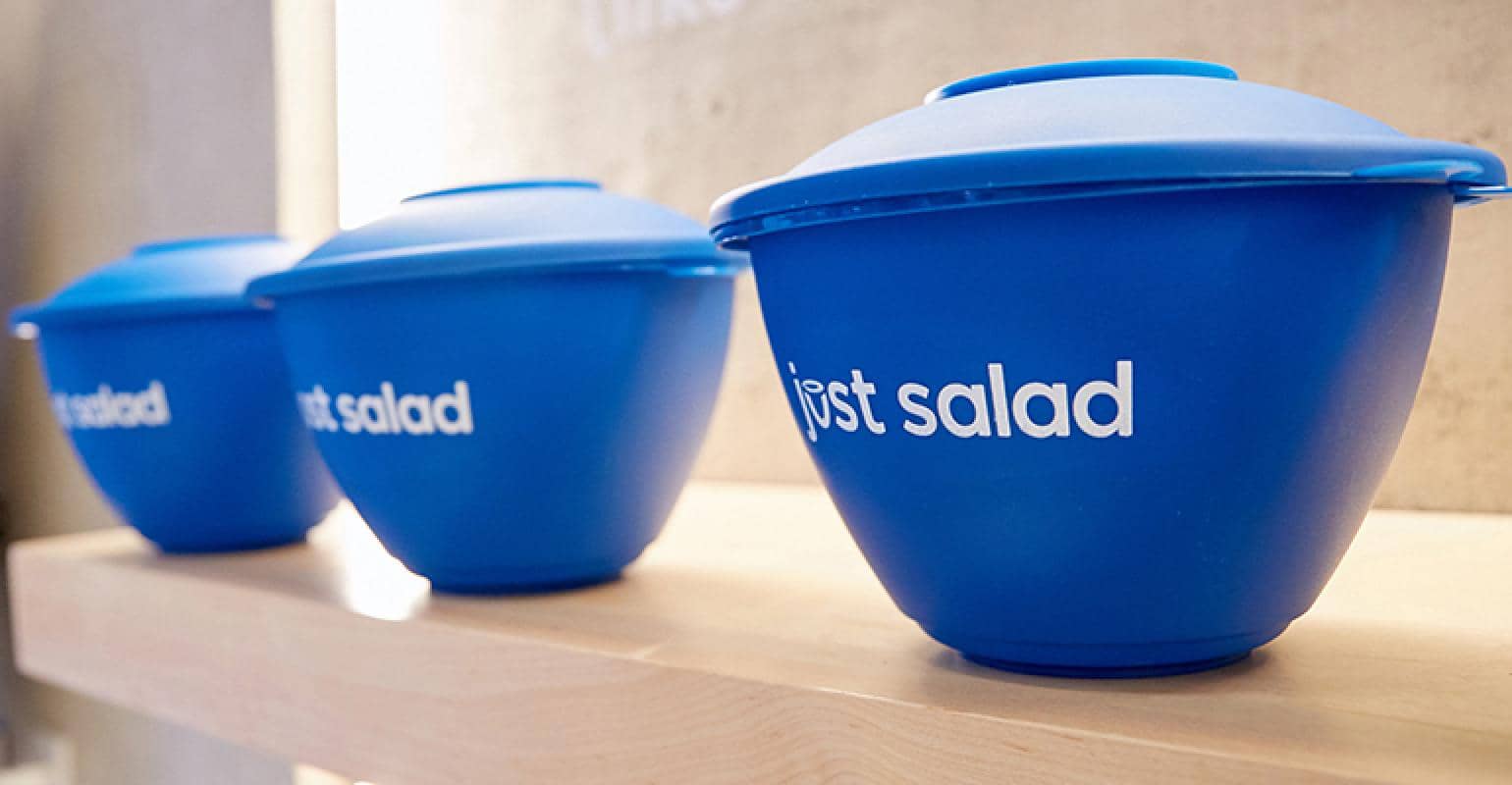
Fast-casual restaurants like Just Salad are recognizing the growing demand for healthful options among consumers, especially during dinner time. By targeting health-conscious consumers, these establishments aim to capitalize on the trend towards nutritious and protein-rich meals. This strategic shift aligns with changing consumer preferences that prioritize convenience and well-being in their dining choices. Just Salad's emphasis on plant-centric offerings resonates with the increasing number of diners seeking balance and nutrition in their meals.
The move to expand market share at dinner represents a significant growth opportunity for fast-casual salad brands traditionally associated with lunchtime offerings. By diversifying their dayparts and emphasizing dinner options, brands like Just Salad and Sweetgreen are broadening their customer base and reducing dependency on central business district consumers. This strategic expansion into suburban markets and drive-thrus reflects a shift towards catering to a more diverse range of customers and adapting to changing consumption patterns.
Restaurants across the industry are responding to consumer trends and increasing price sensitivity by reevaluating their menu strategies. While some brands like Just Salad and Sweetgreen are expanding their menu offerings to include more dayparts, others are streamlining their menus to focus on core competencies. This dichotomy highlights the diverse approaches taken by restaurants to attract and retain customers. By aligning their menu choices with evolving consumer preferences, restaurants can stay competitive and relevant in a crowded market.
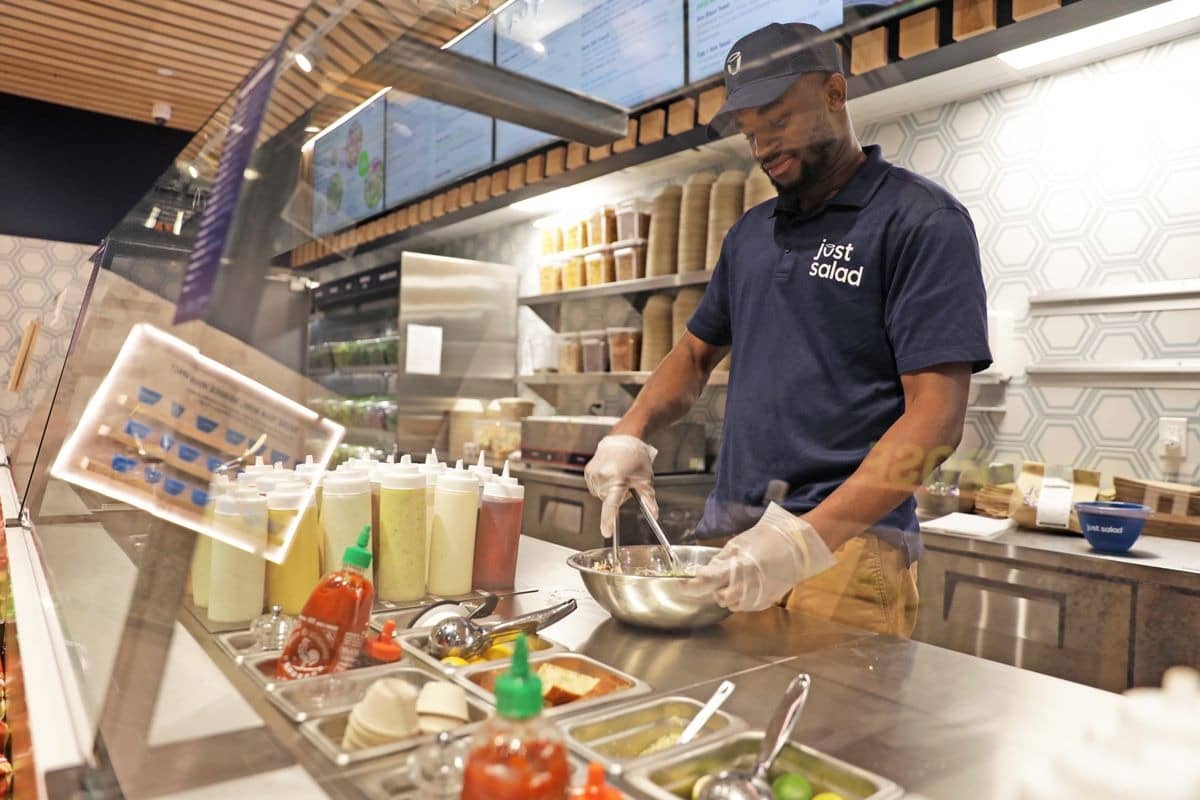
Successful fast-casual brands are proactively adapting their brand strategies to stay ahead of changing consumer expectations. For instance, Starbucks is simplifying its menu to refocus on coffee-centric offerings, catering to its core strengths and brand identity. Similarly, Papa John’s is doubling down on its signature pizzas to reinforce its brand positioning. By staying true to their unique value propositions and understanding consumer needs, brands can maintain their competitive edge and drive growth in a dynamic industry landscape.