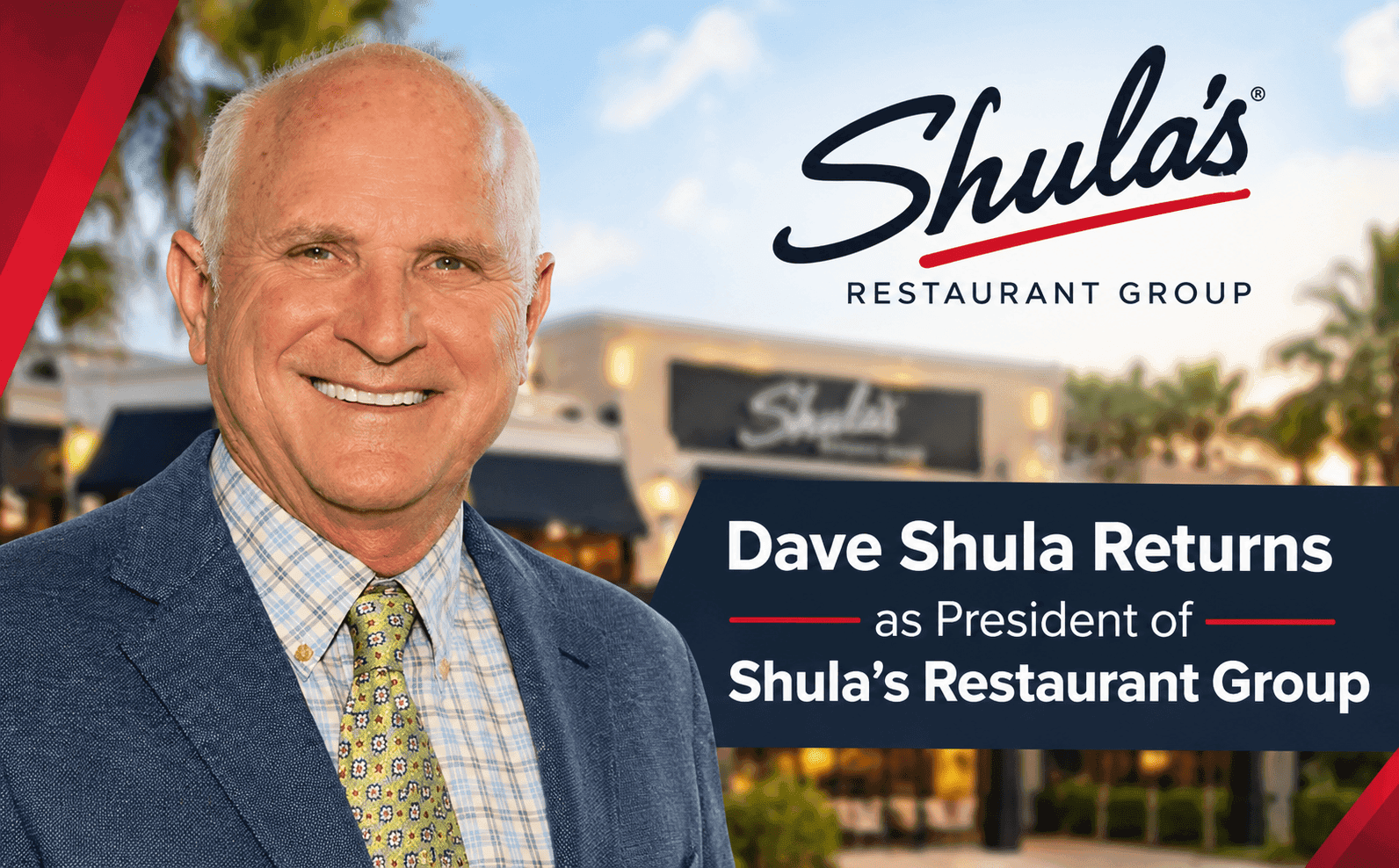
Dave Shula Returns as President of Shula's Restaurant Group
Dave Shula rejoins Shula's Restaurant Group as president, leading growth into Palm Beach Gardens and a 2027 Thomasville, Georgia expansion.
News
Sep 23, 2026
Dave Shula rejoins Shula's Restaurant Group as president, leading growth into Palm Beach Gardens and a 2027 Thomasville, Georgia expansion.
Sep 23, 2026
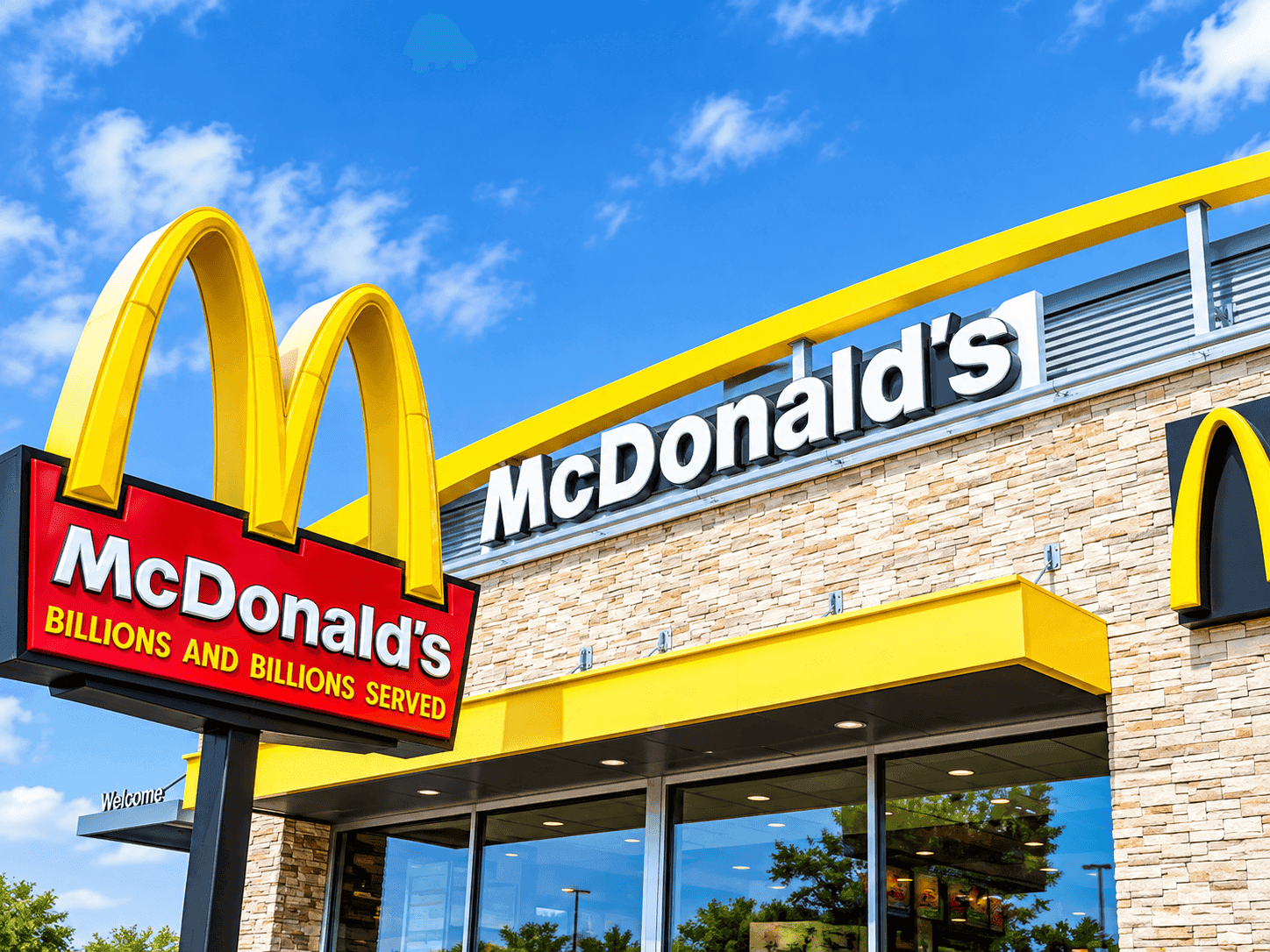
McDonald's commits $8.5 billion through 2036 to modernize restaurants, boost cash flow by $100,000 per store, and grow chicken and beverage sales.
Sep 23, 2026
WKS Restaurant Group promotes Jay Spongberg to president and COO after he helped grow the company from 65 to 382 restaurants over 16 years.
Sep 23, 2026

Smokey Mo's BBQ names Von Dawson, a Dine Brands veteran, as VP of Franchise Development to lead its Texas expansion strategy.
Sep 23, 2026
.png&w=3840&q=70)
Meritage Hospitality's Chapter 11 filing pulls 5% of Wendy's U.S. stores into bankruptcy, exposing cracks in franchising's bigger-is-safer bet.
Sep 21, 2026
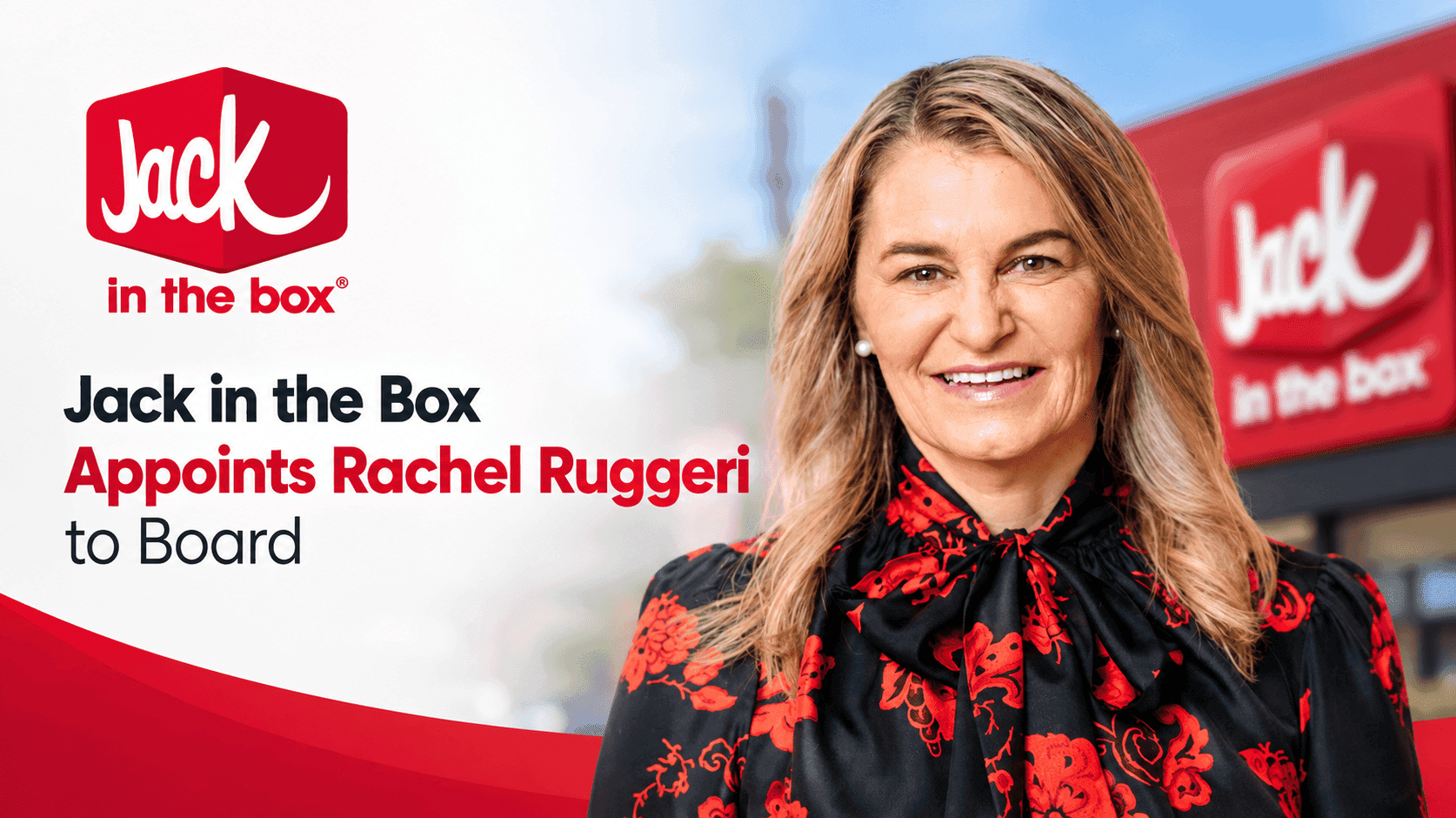
Jack in the Box names Rachel Ruggeri to its board as Michael Murphy retires, amid a CEO transition and deal with investor GreenWood.
Sep 21, 2026
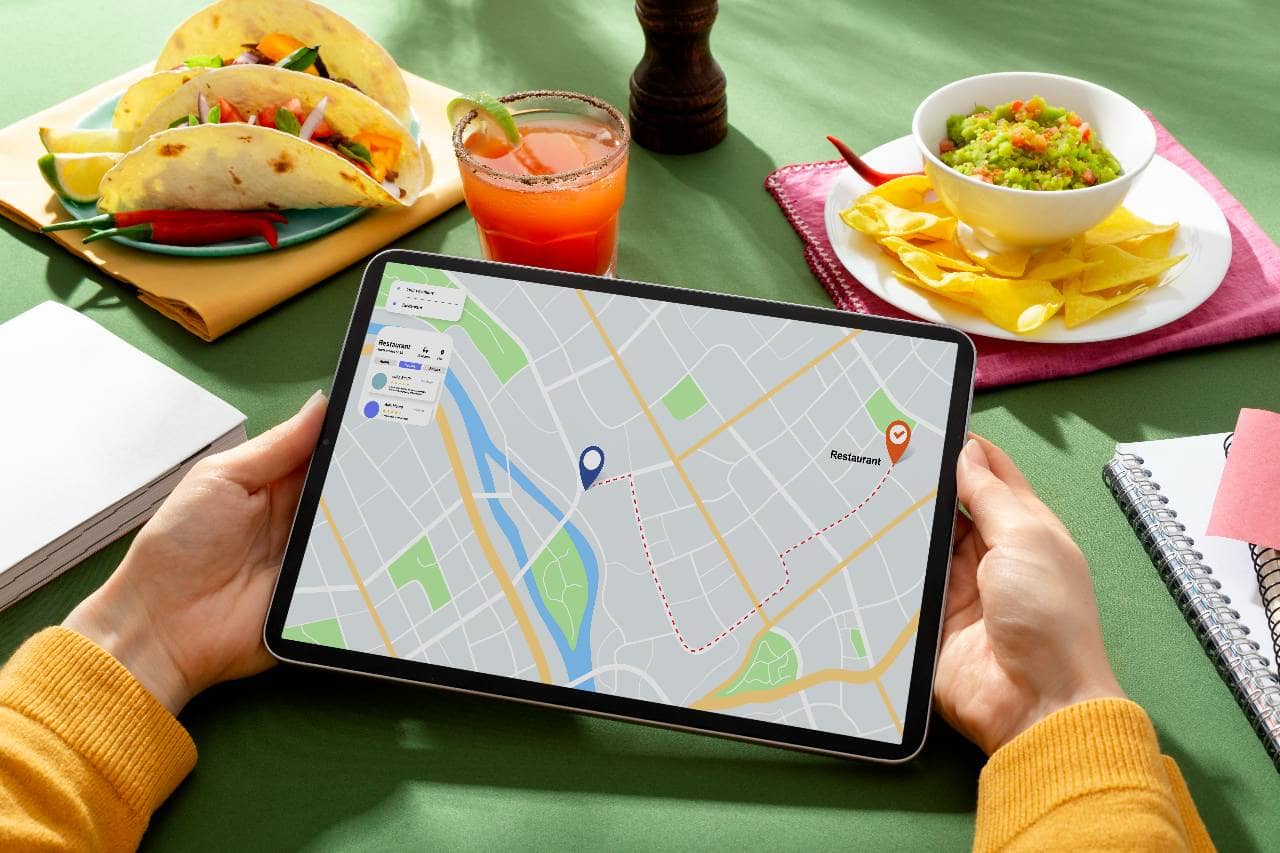
Improve restaurant Google Maps rankings by optimizing your business profile, selecting accurate categories, gathering reviews, adding photos, and strengthening local relevance signals.
Sep 21, 2026

Restaurant inventory tracking helps owners monitor stock, control food costs, reduce waste, improve purchasing, and make informed operational decisions.
Sep 21, 2026

Restaurant owners can significantly reduce restaurant costs by leveraging technology across inventory, labor, procurement, forecasting, and administrative operations for better profit margins.
Sep 18, 2026

Understand how to forecast restaurant revenue and expenses with methods for sales projection, cost scaling, fixed-cost planning, and risk buffering.
Sep 18, 2026

Unlock Exclusive Access To Webinars, Events, And The Latest News For Free!
Explore the impact of AI, Robotics, and Economic Outlook on the Hospitality Sector. Learn about the evolving landscape of restaurant robotics and consumer beverage trends.

Photo by Alexandr Popadin
The use of robotics in the restaurant industry has been a topic of debate and innovation. Despite the promises of labor-saving technology showcased in events like the NRA Show, actual implementation in the field remains limited. With around 724,000 restaurants in the U.S., the scale of adoption poses a challenge. The vision of robots taking over human jobs in restaurants, as depicted in early reports, has not materialized as expected. In fact, the industry has experienced significant growth in the number of workers since the initial predictions.
While AI and robotics present opportunities for backend data analysis, the core service aspect of hospitality remains deeply rooted in human interaction. Industry experts like Bruce Nelson emphasize the intrinsic value of the human touch in the dining experience. The balance between leveraging technology for efficiency while preserving the essential human element in customer service poses a critical question for the industry.

Photo by Alexandr Popadin
Companies like Richtech Robotics are introducing specialized robots, such as the barista bot Adam, designed to assist rather than replace human workers. Adam's ability to handle various tasks, from crafting beverages to food preparation, showcases a collaborative approach where robots complement existing staff. However, the cost-benefit analysis of deploying such robots raises questions about their widespread adoption in the industry.

Photo by Alexandr Popadin
The macroeconomic landscape poses uncertainties for the restaurant sector. Insights from industry specialists indicate mixed signals regarding changes in consumer traffic and spending patterns. While some establishments have seen recovery post downturns, others are facing challenges. With potential tariff impacts looming, the industry awaits clearer indicators to gauge the economic trajectory.
Photo by Alexandr Popadin
Shifting consumer preferences, especially among Gen Z, are influencing beverage consumption patterns. Reports suggest a declining interest in alcohol consumption, potentially driven by health and financial considerations. This shift has prompted an emergence of non-alcoholic beverage offerings in restaurants, catering to a growing demand for alternative drink options.
As non-alcoholic beverages gain popularity, pricing strategies play a crucial role in consumer adoption. The parity in pricing between alcoholic and non-alcoholic options, as observed in various markets, highlights a strategic approach to cater to changing preferences. The willingness of consumers to pay premium prices for artisanal non-alcoholic drinks poses a test for industry sustainability.

Photo by Alexandr Popadin