True Food Kitchen Files Bankruptcy, Closes 12 Sites
True Food Kitchen filed for Chapter 11 bankruptcy, closing 12 locations and shrinking to 34 restaurants across 14 states amid $42.1 million in debt.
News
Oct 5, 2026
True Food Kitchen filed for Chapter 11 bankruptcy, closing 12 locations and shrinking to 34 restaurants across 14 states amid $42.1 million in debt.
Oct 5, 2026

Snooze Eatery names industry veteran Amy Hom as COO, starting Sept. 28, to strengthen hospitality and operations ahead of its next growth phase.
Oct 5, 2026

Restaurants can control operating costs by tracking food, labor, rent, utilities, technology, marketing, and other expenses against sales.
Oct 5, 2026

Opening a second restaurant location requires readiness, clear goals, financial planning, funding, smart strategy, standardized operations, strong teams, and careful launch monitoring for sustainable growth.
Sep 30, 2026

Evaluate restaurant industry performance in Q3 2026 through key trends affecting restaurant sales, traffic, consumer spending, labor, costs, and technology.
Oct 2, 2026
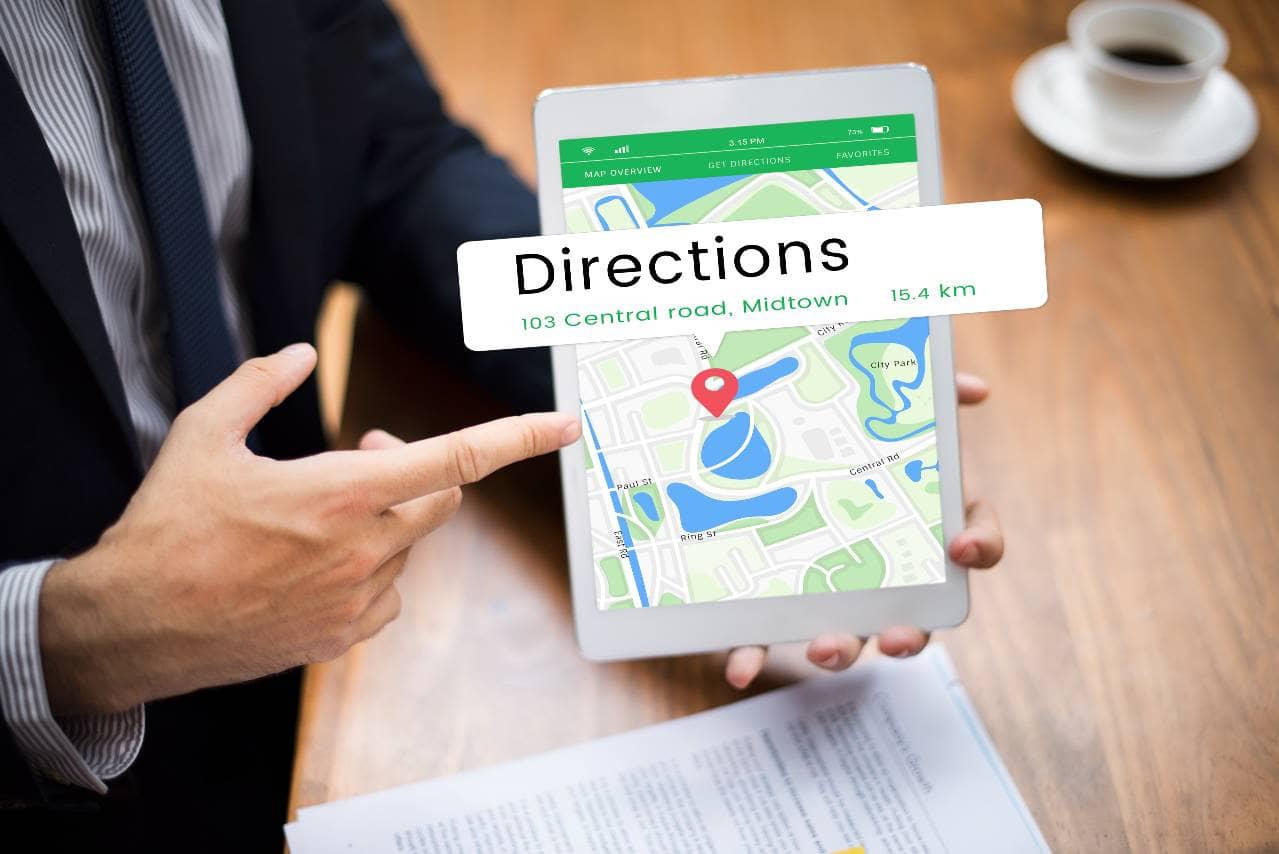
Improve restaurant visibility with local SEO by optimizing Google Business Profile, targeting local keywords, managing reviews, and maintaining accurate online information.
Oct 5, 2026

Understand tip pooling rules, employee eligibility, distribution methods, compliance requirements, recordkeeping practices, and policies restaurant owners need for proper tip management.
Oct 2, 2026

Whit's Frozen Custard hires industry veteran Amos Durbin as COO to guide franchise expansion, drawing on two decades of restaurant leadership experience.
Oct 2, 2026

FAT Brands' $1B acquisition empire fell into bankruptcy and sold for $965M, re-emerging as OHG Brands with 1,700 restaurants.
Oct 1, 2026

CAVA names John Ludeke, former Dr. Squatch Chief Brand Officer, as its new CMO to drive national growth and guest loyalty.
Oct 1, 2026

Unlock Exclusive Access To Webinars, Events, And The Latest News For Free!
Exploring how Artificial Intelligence is shaping the future of technology and innovation.

Photo by Morgan Petroski
Artificial Intelligence (AI) refers to the simulation of human intelligence processes by machines, especially computer systems. It involves the creation of algorithms that can learn, reason, and solve problems. AI has gained significant traction in various fields, including healthcare, finance, transportation, and more.
AI is revolutionizing industries by providing innovative solutions to complex problems. In healthcare, AI-powered diagnostic tools can analyze medical images and detect diseases with high accuracy. In finance, AI algorithms are used for fraud detection and risk assessment. Autonomous vehicles are also leveraging AI for navigation and decision-making.

Photo by Morgan Petroski
Machine Learning (ML) is a subset of AI that enables systems to learn from data and improve their performance without explicit programming. ML algorithms power many AI applications, such as recommendation systems, natural language processing, and image recognition. The combination of AI and ML is driving unprecedented advancements in technology.

Photo by Morgan Petroski
Despite its benefits, AI presents challenges related to data privacy, cybersecurity, and job displacement. Ethical concerns, including bias in AI algorithms and the impact on employment, raise important questions about responsible AI deployment. It is crucial for developers and policymakers to address these challenges proactively.
The future of technology is closely intertwined with AI advancements. From personalized healthcare solutions to smart cities and autonomous systems, AI is poised to redefine how we interact with technology. As AI continues to evolve, it will likely unlock new possibilities and drive innovation across various sectors.
Photo by Morgan Petroski