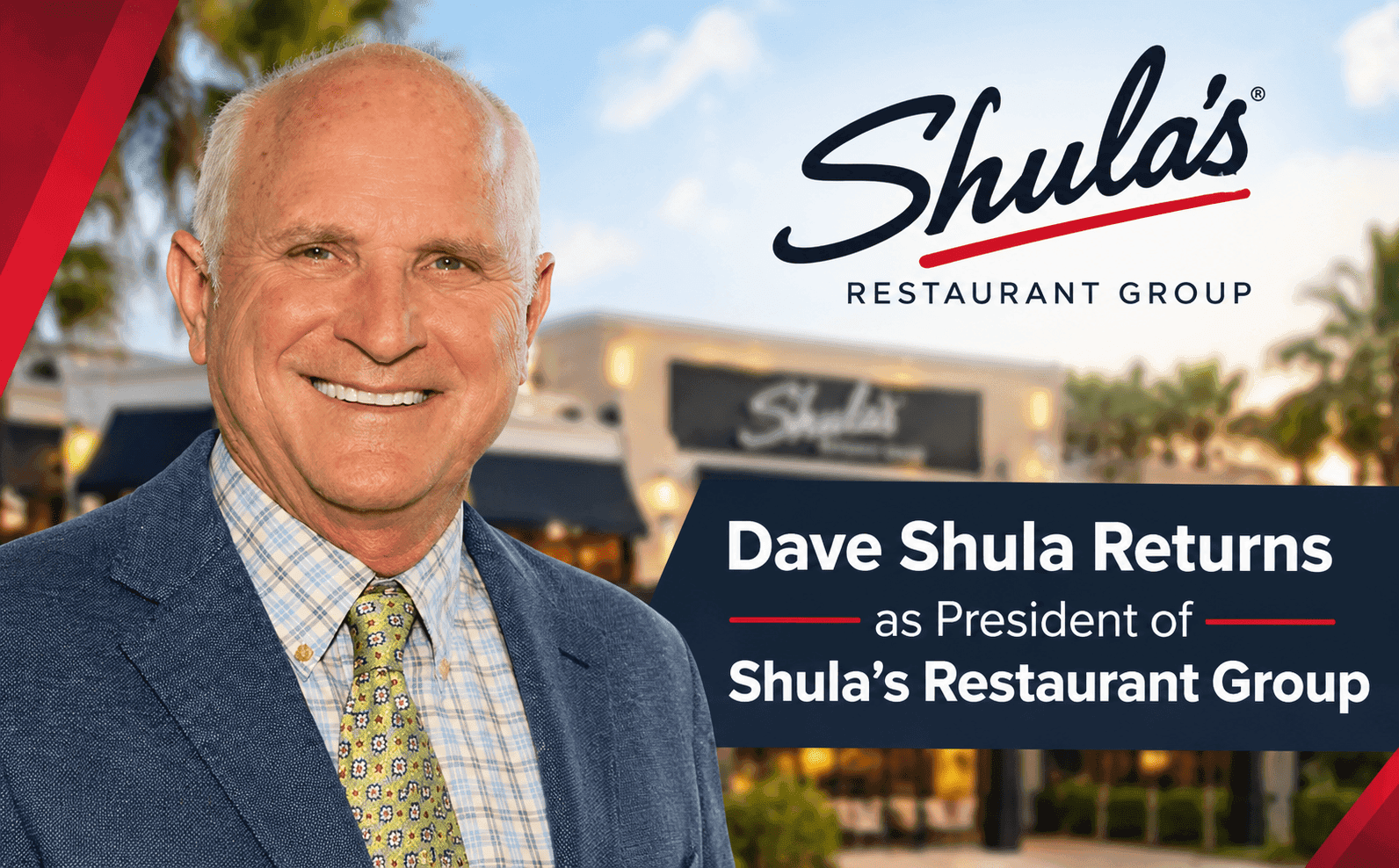
Dave Shula Returns as President of Shula's Restaurant Group
Dave Shula rejoins Shula's Restaurant Group as president, leading growth into Palm Beach Gardens and a 2027 Thomasville, Georgia expansion.
News
Sep 23, 2026
Dave Shula rejoins Shula's Restaurant Group as president, leading growth into Palm Beach Gardens and a 2027 Thomasville, Georgia expansion.
Sep 23, 2026
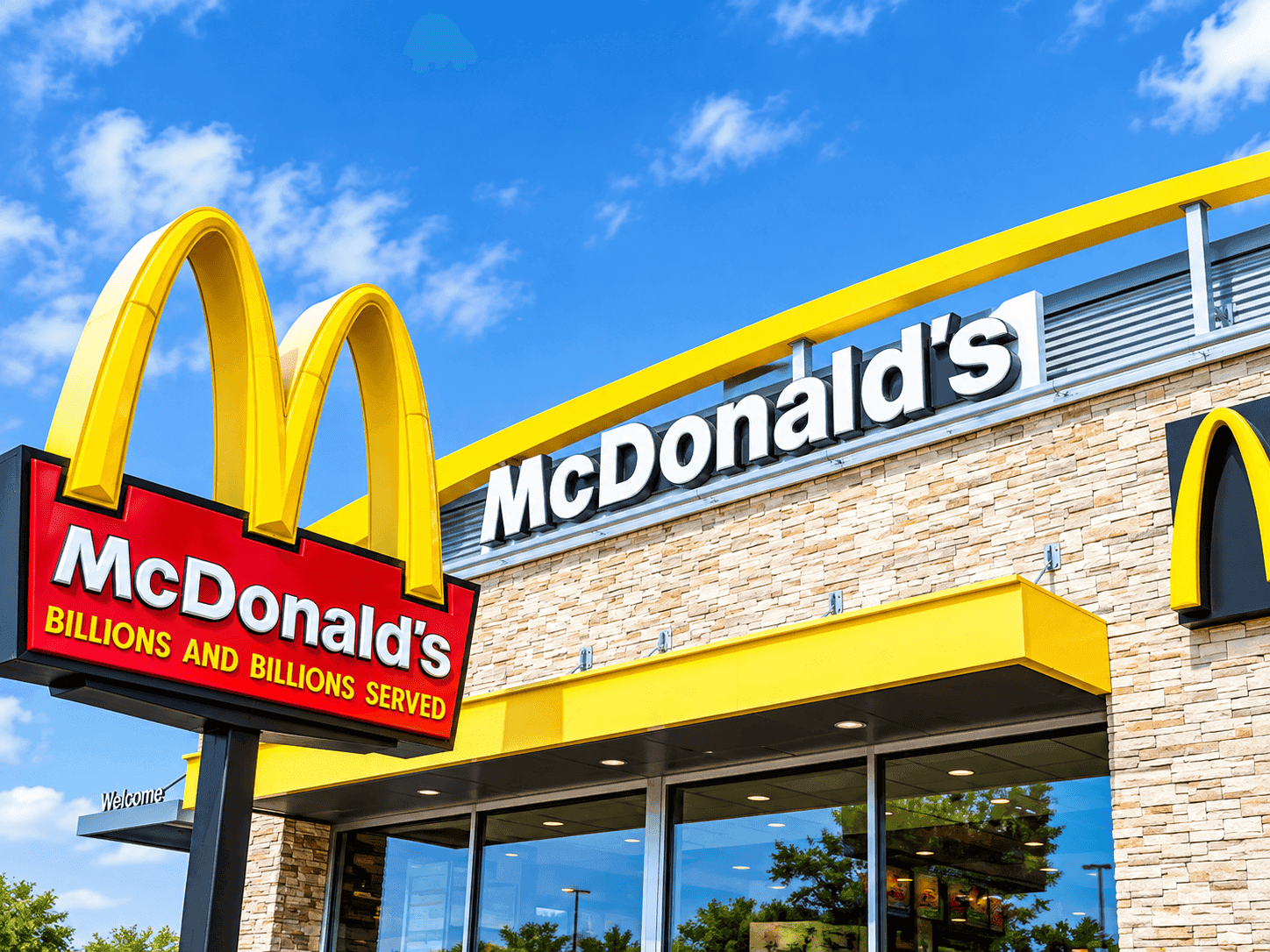
McDonald's commits $8.5 billion through 2036 to modernize restaurants, boost cash flow by $100,000 per store, and grow chicken and beverage sales.
Sep 23, 2026
WKS Restaurant Group promotes Jay Spongberg to president and COO after he helped grow the company from 65 to 382 restaurants over 16 years.
Sep 23, 2026

Smokey Mo's BBQ names Von Dawson, a Dine Brands veteran, as VP of Franchise Development to lead its Texas expansion strategy.
Sep 23, 2026
.png&w=3840&q=70)
Meritage Hospitality's Chapter 11 filing pulls 5% of Wendy's U.S. stores into bankruptcy, exposing cracks in franchising's bigger-is-safer bet.
Sep 21, 2026
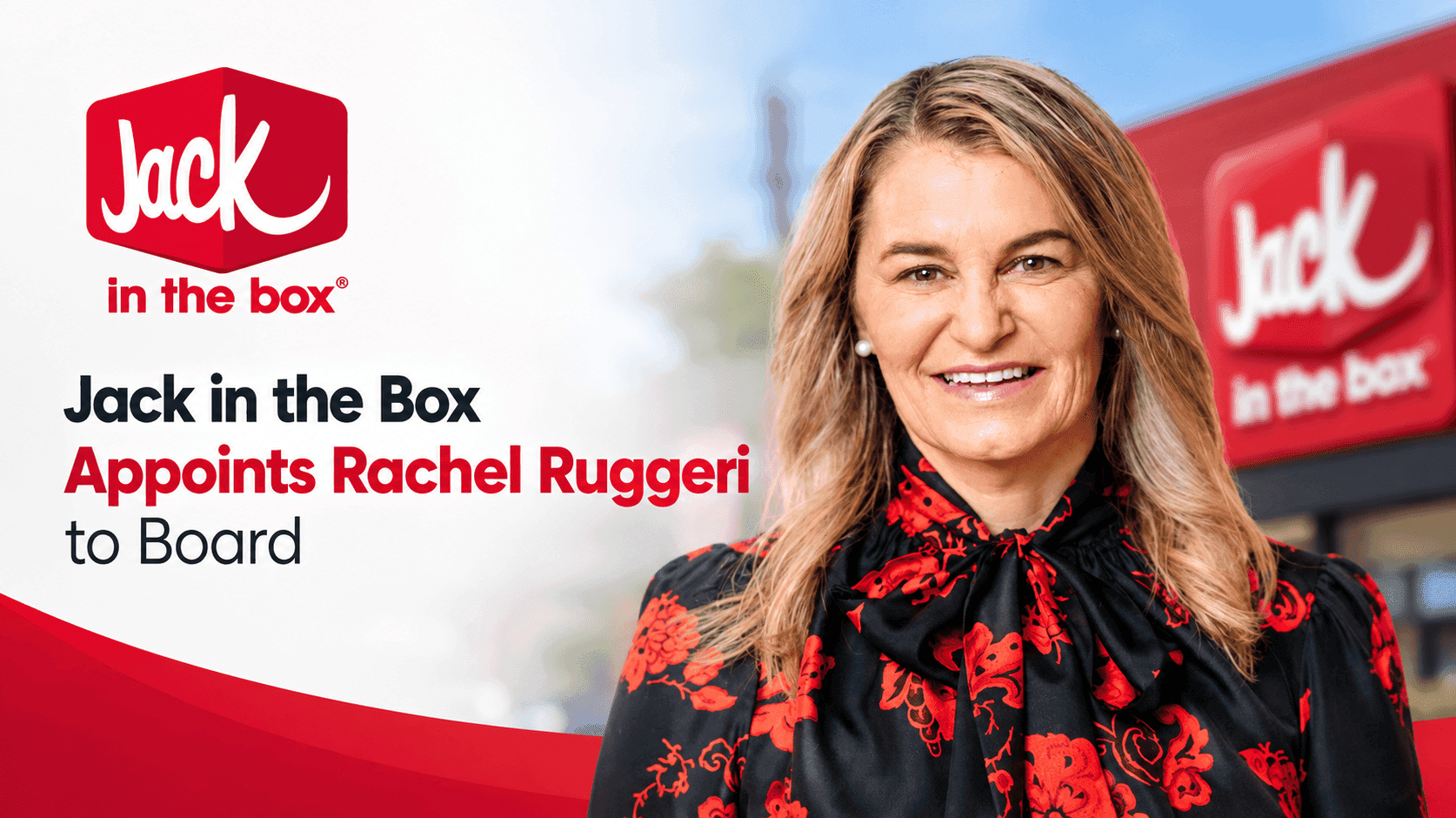
Jack in the Box names Rachel Ruggeri to its board as Michael Murphy retires, amid a CEO transition and deal with investor GreenWood.
Sep 21, 2026
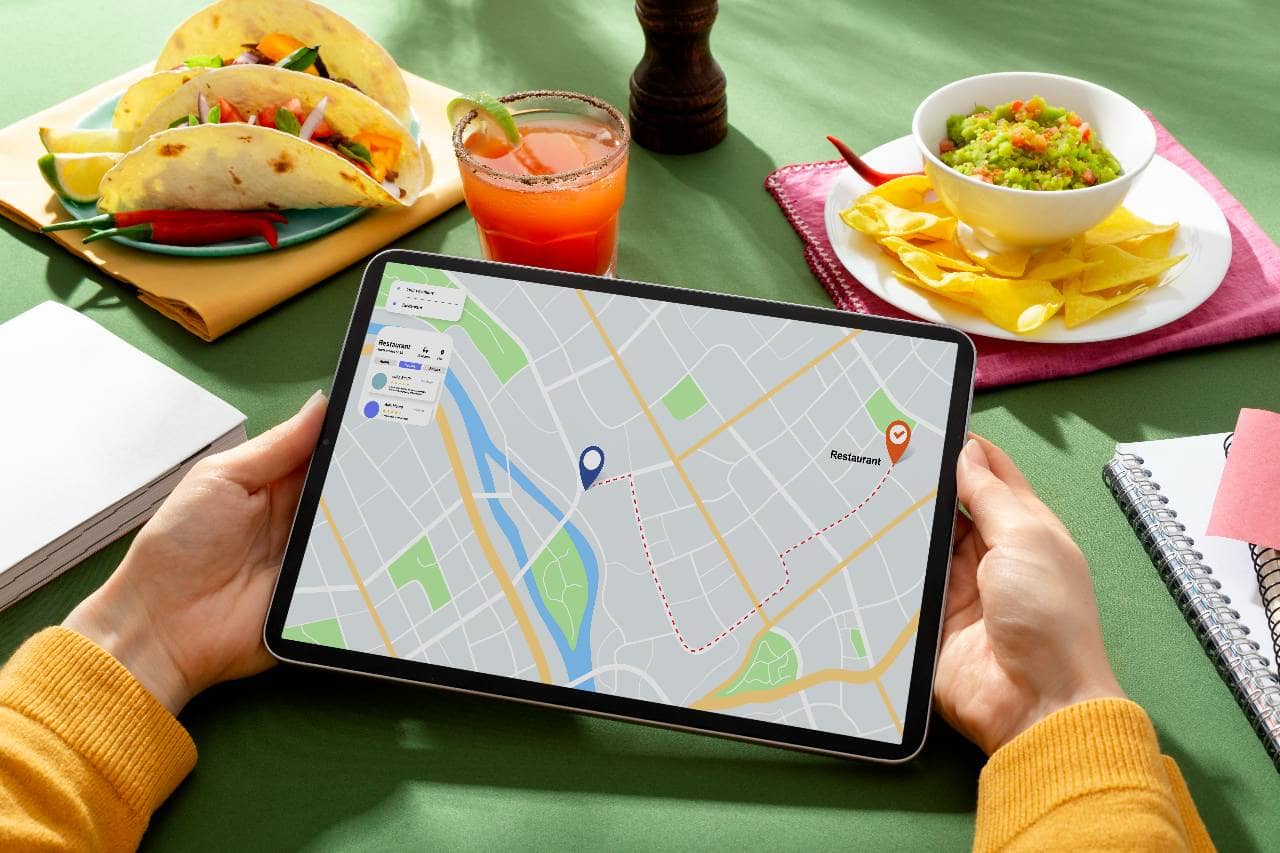
Improve restaurant Google Maps rankings by optimizing your business profile, selecting accurate categories, gathering reviews, adding photos, and strengthening local relevance signals.
Sep 21, 2026

Restaurant inventory tracking helps owners monitor stock, control food costs, reduce waste, improve purchasing, and make informed operational decisions.
Sep 21, 2026

Restaurant owners can significantly reduce restaurant costs by leveraging technology across inventory, labor, procurement, forecasting, and administrative operations for better profit margins.
Sep 18, 2026

Understand how to forecast restaurant revenue and expenses with methods for sales projection, cost scaling, fixed-cost planning, and risk buffering.
Sep 18, 2026

Unlock Exclusive Access To Webinars, Events, And The Latest News For Free!
Explore the potential consequences of DoorDash acquiring Deliveroo and the implications for the food delivery market. Learn from past international acquisitions in the industry.

Photo by UAVWRIGHT Productions
DoorDash, a key player in the U.S. food delivery market, has been expanding its reach beyond national borders through strategic acquisitions. The potential acquisition of Deliveroo, with its significant presence in the U.K., Ireland, and other international markets, could mark a milestone in DoorDash's global expansion strategy. By leveraging Deliveroo's existing infrastructure and customer base in diversified geographies, DoorDash aims to solidify its position as a leading player in the competitive food delivery industry.
International acquisitions in the food delivery sector have showcased a mixed record of success. Companies like Just Eat Takeaway ventured into the U.S. market through the acquisition of Grubhub, aiming for market dominance. However, the eventual sale of Grubhub for significantly less than the acquisition price highlights the challenges and risks associated with cross-border acquisitions. DoorDash's potential acquisition of Deliveroo must carefully consider these past lessons to ensure a successful integration and sustained growth in new markets.

Photo by UAVWRIGHT Productions
The acquisition of Deliveroo by DoorDash would undoubtedly shake up the food delivery industry's competitive landscape. With DoorDash's proven track record in technology-driven innovations and operational efficiency coupled with Deliveroo's strong market presence in Europe and other regions, the combined entity could pose a formidable challenge to competitors globally. This move could trigger further consolidation in the industry as players strive to enhance their market positions and offerings to meet evolving consumer demands.
Entering new markets requires a deep understanding of local preferences, regulations, and business practices. DoorDash's acquisition of Deliveroo presents an opportunity to implement tailored market penetration and localization strategies across diverse regions. By adapting to local cultures, cuisines, and consumer behaviors, the merged entity can establish stronger connections with customers and create a competitive edge in each market. This localized approach is crucial for sustainable growth and customer loyalty in the highly competitive food delivery sector.