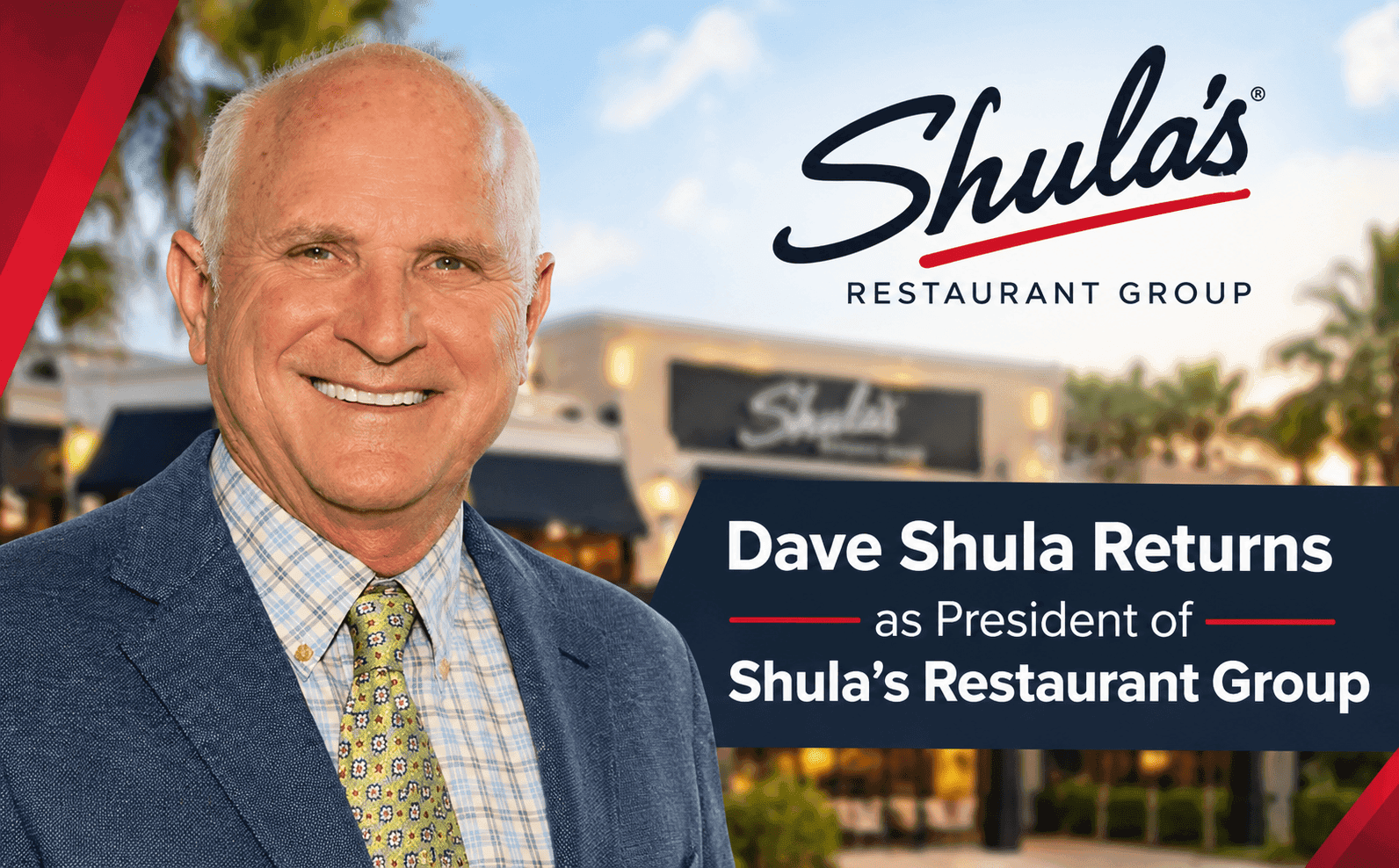
Dave Shula Returns as President of Shula's Restaurant Group
Dave Shula rejoins Shula's Restaurant Group as president, leading growth into Palm Beach Gardens and a 2027 Thomasville, Georgia expansion.
News
Sep 23, 2026
Dave Shula rejoins Shula's Restaurant Group as president, leading growth into Palm Beach Gardens and a 2027 Thomasville, Georgia expansion.
Sep 23, 2026

McDonald's commits $8.5 billion through 2036 to modernize restaurants, boost cash flow by $100,000 per store, and grow chicken and beverage sales.
Sep 23, 2026

WKS Restaurant Group promotes Jay Spongberg to president and COO after he helped grow the company from 65 to 382 restaurants over 16 years.
Sep 23, 2026

Smokey Mo's BBQ names Von Dawson, a Dine Brands veteran, as VP of Franchise Development to lead its Texas expansion strategy.
Sep 23, 2026
.png&w=3840&q=70)
Meritage Hospitality's Chapter 11 filing pulls 5% of Wendy's U.S. stores into bankruptcy, exposing cracks in franchising's bigger-is-safer bet.
Sep 21, 2026
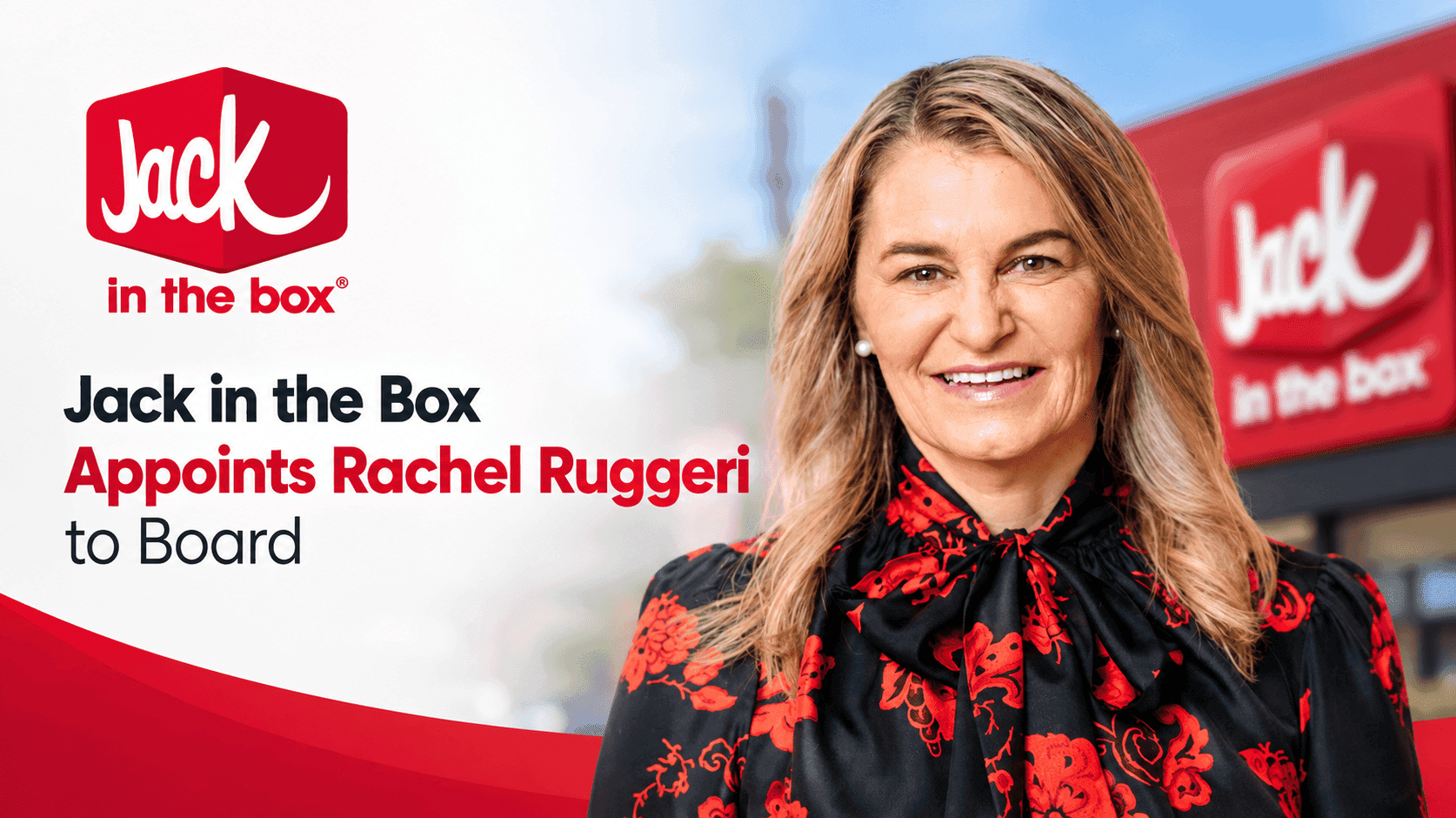
Jack in the Box names Rachel Ruggeri to its board as Michael Murphy retires, amid a CEO transition and deal with investor GreenWood.
Sep 21, 2026

Improve restaurant Google Maps rankings by optimizing your business profile, selecting accurate categories, gathering reviews, adding photos, and strengthening local relevance signals.
Sep 21, 2026

Restaurant inventory tracking helps owners monitor stock, control food costs, reduce waste, improve purchasing, and make informed operational decisions.
Sep 21, 2026

Restaurant owners can significantly reduce restaurant costs by leveraging technology across inventory, labor, procurement, forecasting, and administrative operations for better profit margins.
Sep 18, 2026

Understand how to forecast restaurant revenue and expenses with methods for sales projection, cost scaling, fixed-cost planning, and risk buffering.
Sep 18, 2026

Unlock Exclusive Access To Webinars, Events, And The Latest News For Free!
Explore the use of poison pills as a strategic defense mechanism against activist investors and how they impact shareholder value and corporate strategies.

Photo by Ehimetalor Akhere Unuabona
Poison pills, also known as shareholder rights plans, have evolved over the years from being a preventative measure to a reactive strategy in response to specific threats like hostile takeovers by activist investors. In the past, during the 1990s, many Fortune 100 companies routinely adopted poison pills as a proactive defense mechanism. These pills were designed to dilute the holdings of an acquiring entity once it bought a certain threshold of shares, making takeovers more expensive and challenging.
Photo by Ehimetalor Akhere Unuabona
In the contemporary corporate landscape, poison pills are more tailored and situation-specific. Companies are strategically using them to combat activist investors like Biglari Capital. By setting specific triggers and durations, boards can respond swiftly to perceived threats without committing to prolonged defensive measures. Limited-duration pills are now prevalent, with many lasting less than a year, offering flexibility to boards.

Photo by Ehimetalor Akhere Unuabona
While poison pills are often criticized as anti-shareholder tactics, they serve as a crucial tool for boards to maximize shareholder value. Keith Gottfried, a seasoned advisor on poison pills, emphasizes that these strategies do not hinder legitimate acquisition offers but rather prevent hostile takeovers that undervalue the company. By giving boards time to enact strategic plans or consider better offers, poison pills safeguard shareholder interests and corporate growth.

Photo by Ehimetalor Akhere Unuabona
Activist investors may challenge poison pills in court, but success is rare, especially when the threshold to trigger the pill is reasonable. Delaware courts have historically upheld the legality of poison pills, assuming boards act in good faith to protect shareholders. Long-term pills, requiring shareholder approval, face resistance from institutional investors and proxy firms due to their perceived hindrance to potential deals.

Photo by Ehimetalor Akhere Unuabona
The prevalence of activist investors in the market necessitates companies, especially in the restaurant sector like Jack in the Box, to consider having poison pills readily available as a defense mechanism. While not universally welcomed, these tools offer essential protection in an increasingly volatile market, allowing boards to navigate challenges and prioritize sustainable corporate growth.
Photo by Ehimetalor Akhere Unuabona