True Food Kitchen Files Bankruptcy, Closes 12 Sites
True Food Kitchen filed for Chapter 11 bankruptcy, closing 12 locations and shrinking to 34 restaurants across 14 states amid $42.1 million in debt.
News
Oct 5, 2026
True Food Kitchen filed for Chapter 11 bankruptcy, closing 12 locations and shrinking to 34 restaurants across 14 states amid $42.1 million in debt.
Oct 5, 2026

Snooze Eatery names industry veteran Amy Hom as COO, starting Sept. 28, to strengthen hospitality and operations ahead of its next growth phase.
Oct 5, 2026
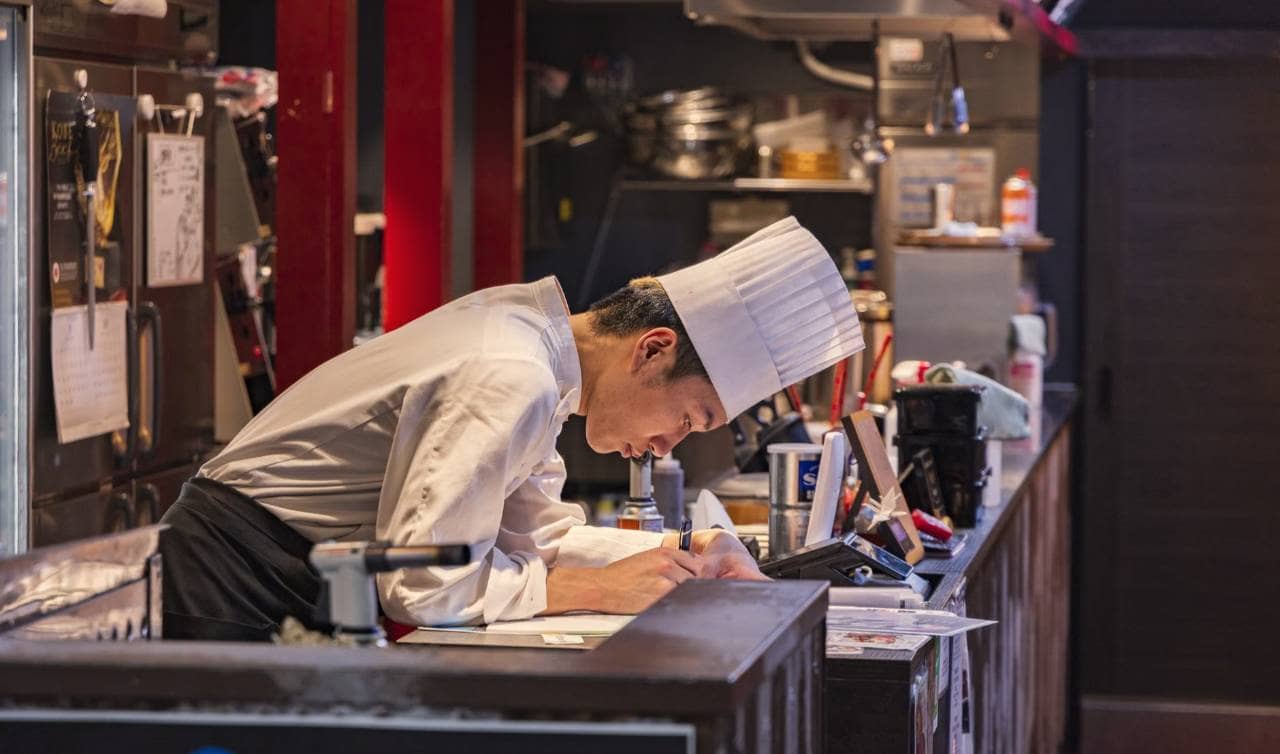
Restaurants can control operating costs by tracking food, labor, rent, utilities, technology, marketing, and other expenses against sales.
Oct 5, 2026

Opening a second restaurant location requires readiness, clear goals, financial planning, funding, smart strategy, standardized operations, strong teams, and careful launch monitoring for sustainable growth.
Sep 30, 2026
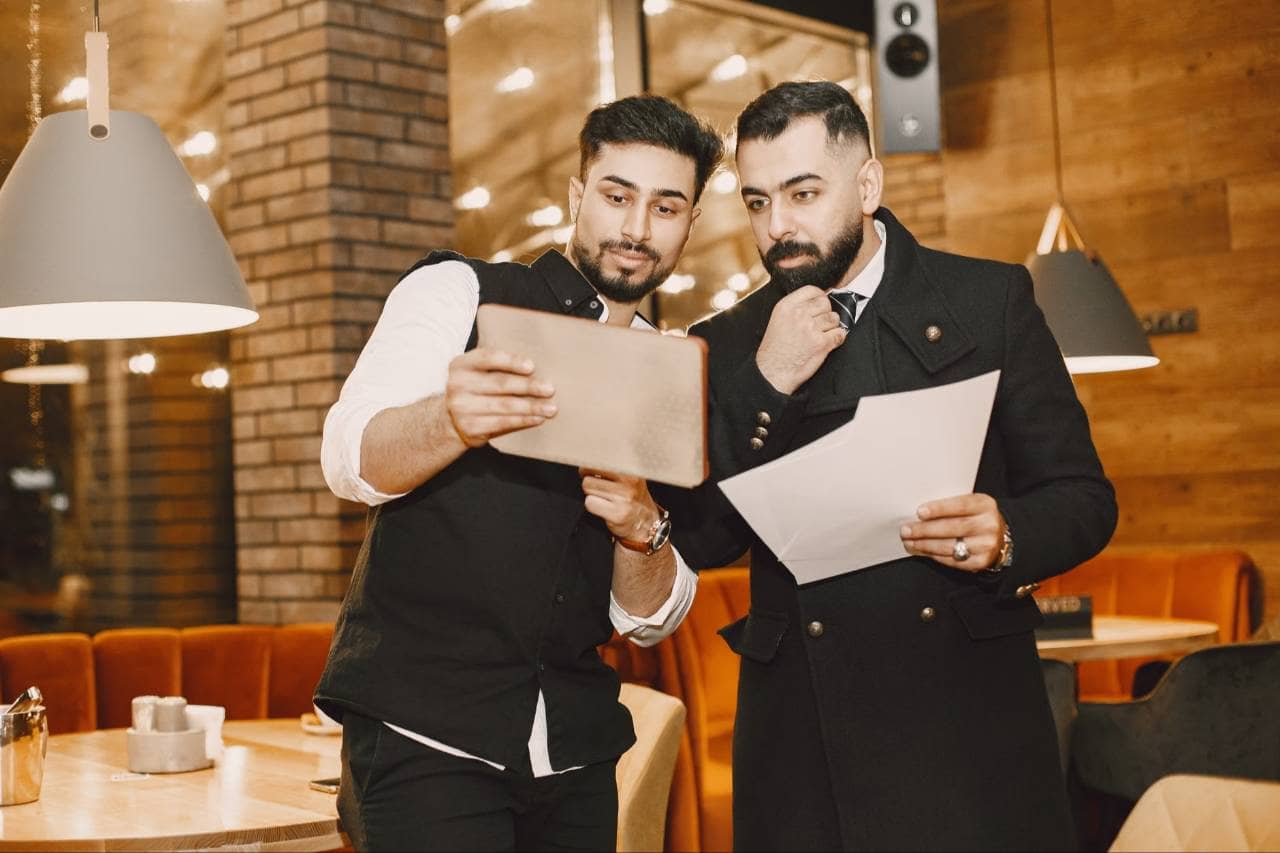
Evaluate restaurant industry performance in Q3 2026 through key trends affecting restaurant sales, traffic, consumer spending, labor, costs, and technology.
Oct 2, 2026
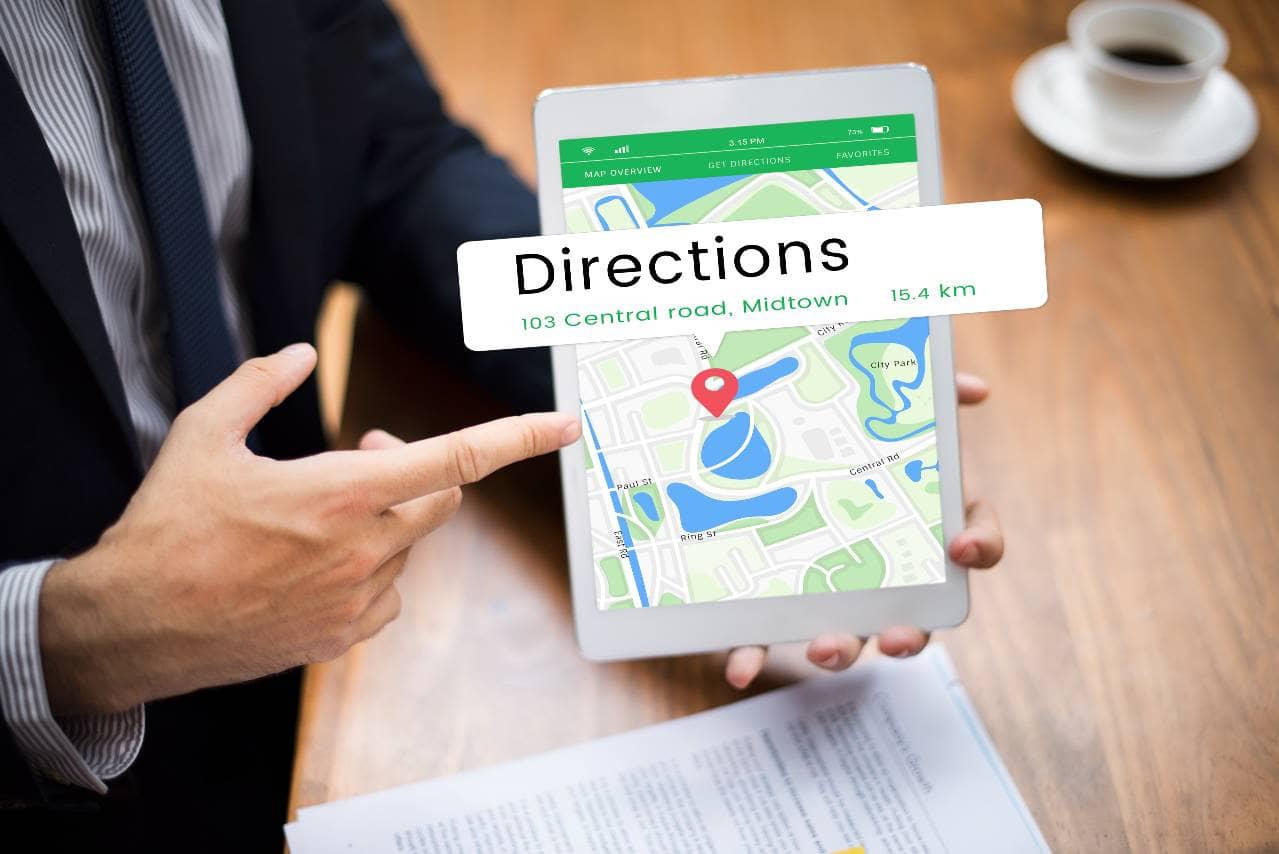
Improve restaurant visibility with local SEO by optimizing Google Business Profile, targeting local keywords, managing reviews, and maintaining accurate online information.
Oct 5, 2026
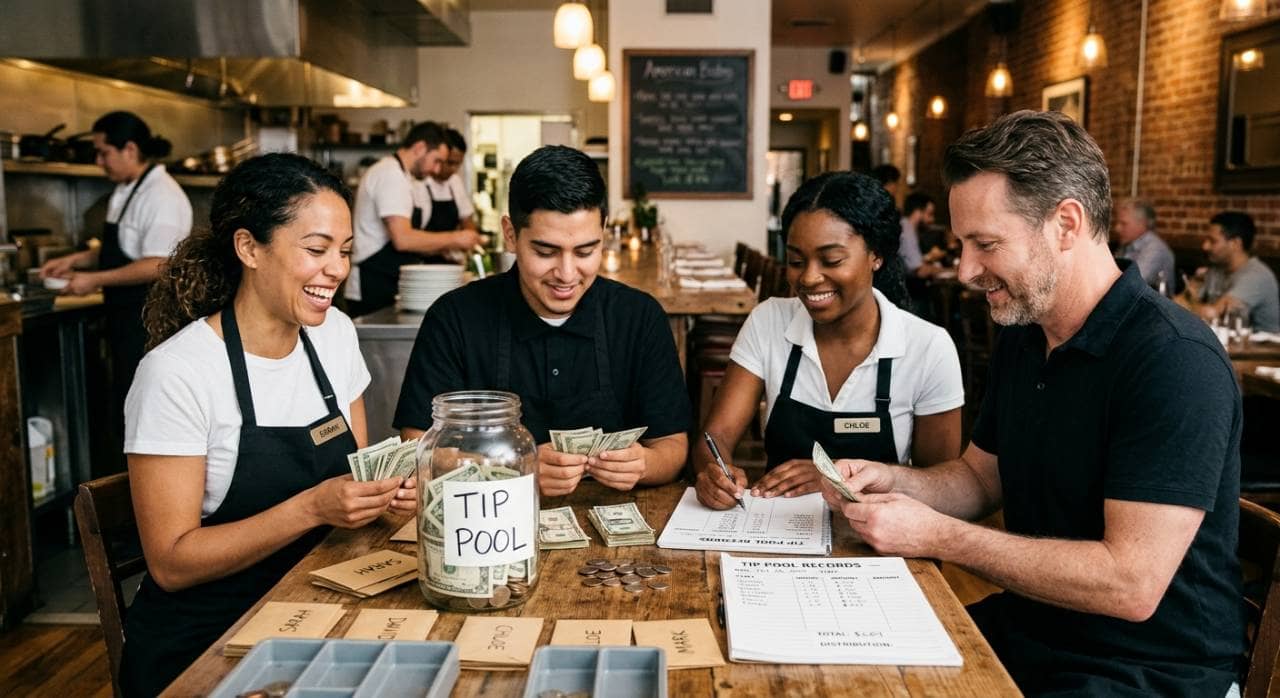
Understand tip pooling rules, employee eligibility, distribution methods, compliance requirements, recordkeeping practices, and policies restaurant owners need for proper tip management.
Oct 2, 2026

Whit's Frozen Custard hires industry veteran Amos Durbin as COO to guide franchise expansion, drawing on two decades of restaurant leadership experience.
Oct 2, 2026
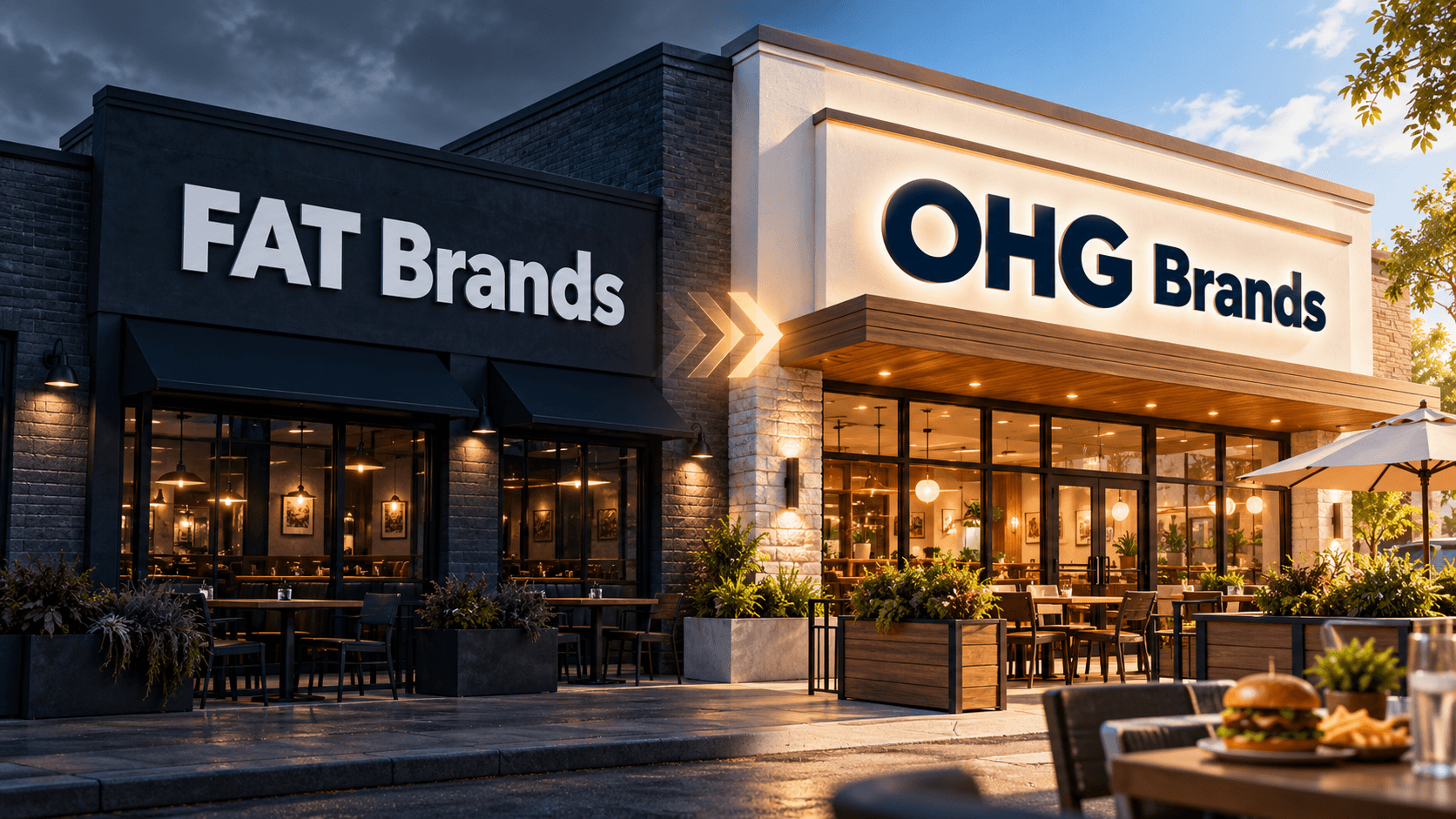
FAT Brands' $1B acquisition empire fell into bankruptcy and sold for $965M, re-emerging as OHG Brands with 1,700 restaurants.
Oct 1, 2026
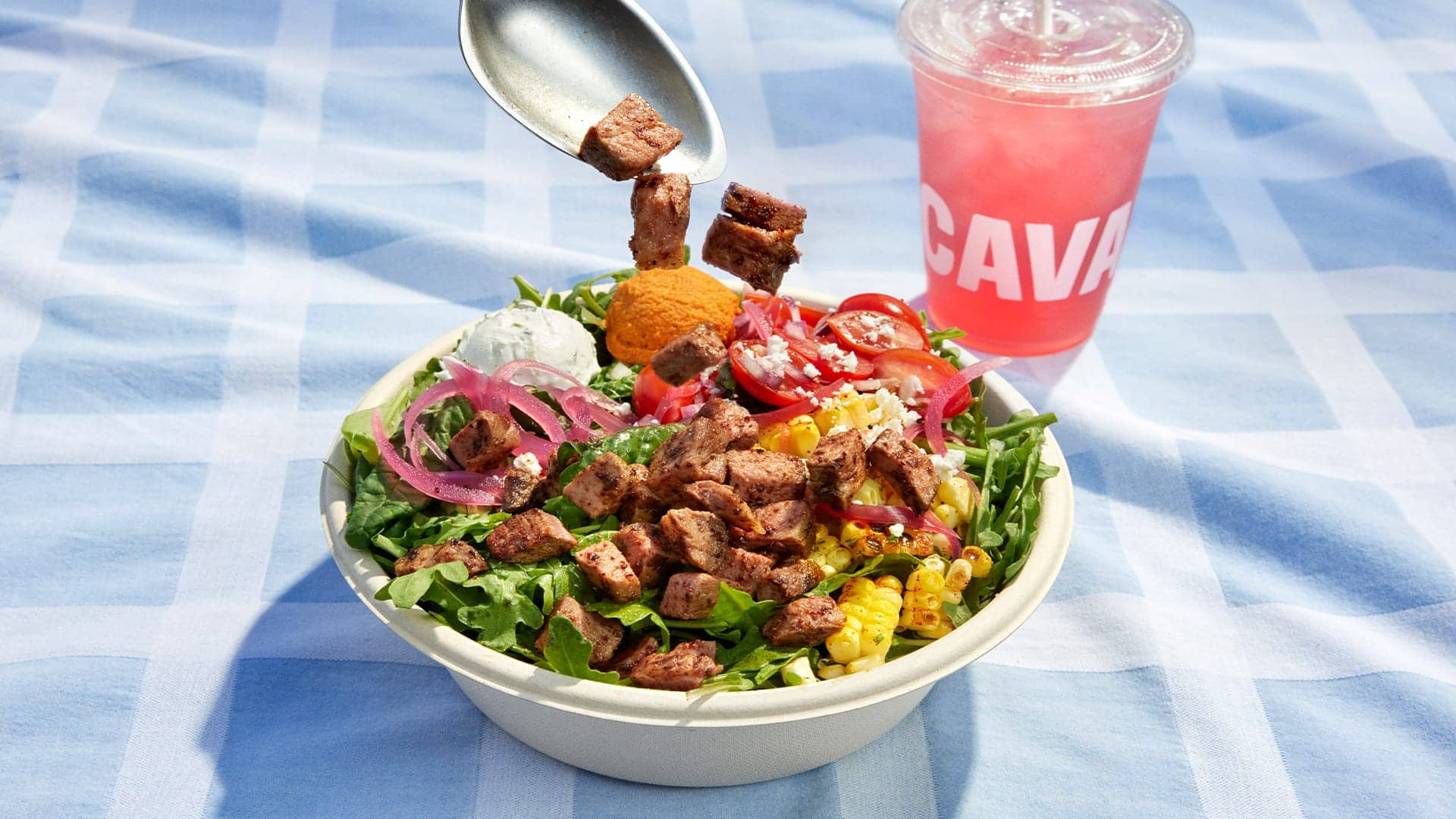
CAVA names John Ludeke, former Dr. Squatch Chief Brand Officer, as its new CMO to drive national growth and guest loyalty.
Oct 1, 2026

Unlock Exclusive Access To Webinars, Events, And The Latest News For Free!
Explore the impact of technology in the restaurant industry, from AI implementation to IT leadership changes, and how they are transforming customer experiences.

Photo by Sergio Arteaga
Amid challenging times for the restaurant industry, many chains are turning to technology to enhance operations and stay competitive. Companies like Bloomin’ Brands are embracing AI to streamline processes and elevate customer experiences. AI-powered solutions can help in optimizing menu offerings, personalized marketing, efficient order processing, and predictive analytics for better decision-making. By leveraging AI, restaurants can gain valuable insights into consumer preferences and behavior, leading to improved service and increased customer loyalty.

Photo by Sergio Arteaga
The integration of AI and new point of sale systems is not only benefiting customers but also transforming the way employees engage with their work. These technological advancements enable restaurants to provide personalized recommendations to diners, reduce waiting times, and improve overall service quality. Moreover, AI-driven insights can empower staff by simplifying tasks, automating routine processes, and fostering a more efficient workflow. This results in enhanced productivity, job satisfaction, and ultimately, better customer satisfaction.

Photo by Sergio Arteaga
The recent wave of IT leadership changes within major restaurant chains signifies a strategic shift towards prioritizing digital innovation and technology integration. With experienced CIOs like Rafael, who have a strong background in hospitality technology, companies are better equipped to navigate the complexities of the modern dining landscape. Effective IT leadership plays a crucial role in steering organizations towards leveraging technology for operational efficiency, customer engagement, and sustainable growth.
The ongoing tech executive shuffle, exemplified by role swaps and new appointments at companies like McDonald’s, Ascent Hospitality Management, and Fat Brands, reflects a dynamic response to the evolving technological needs of the industry. These changes not only bring fresh perspectives and expertise but also indicate a concerted effort to stay ahead in an increasingly tech-driven market. By reshaping IT leadership roles, restaurants can adapt to changing consumer behavior, optimize business processes, and drive innovation.
Photo by Sergio Arteaga