True Food Kitchen Files Bankruptcy, Closes 12 Sites
True Food Kitchen filed for Chapter 11 bankruptcy, closing 12 locations and shrinking to 34 restaurants across 14 states amid $42.1 million in debt.
News
Oct 5, 2026
True Food Kitchen filed for Chapter 11 bankruptcy, closing 12 locations and shrinking to 34 restaurants across 14 states amid $42.1 million in debt.
Oct 5, 2026

Snooze Eatery names industry veteran Amy Hom as COO, starting Sept. 28, to strengthen hospitality and operations ahead of its next growth phase.
Oct 5, 2026
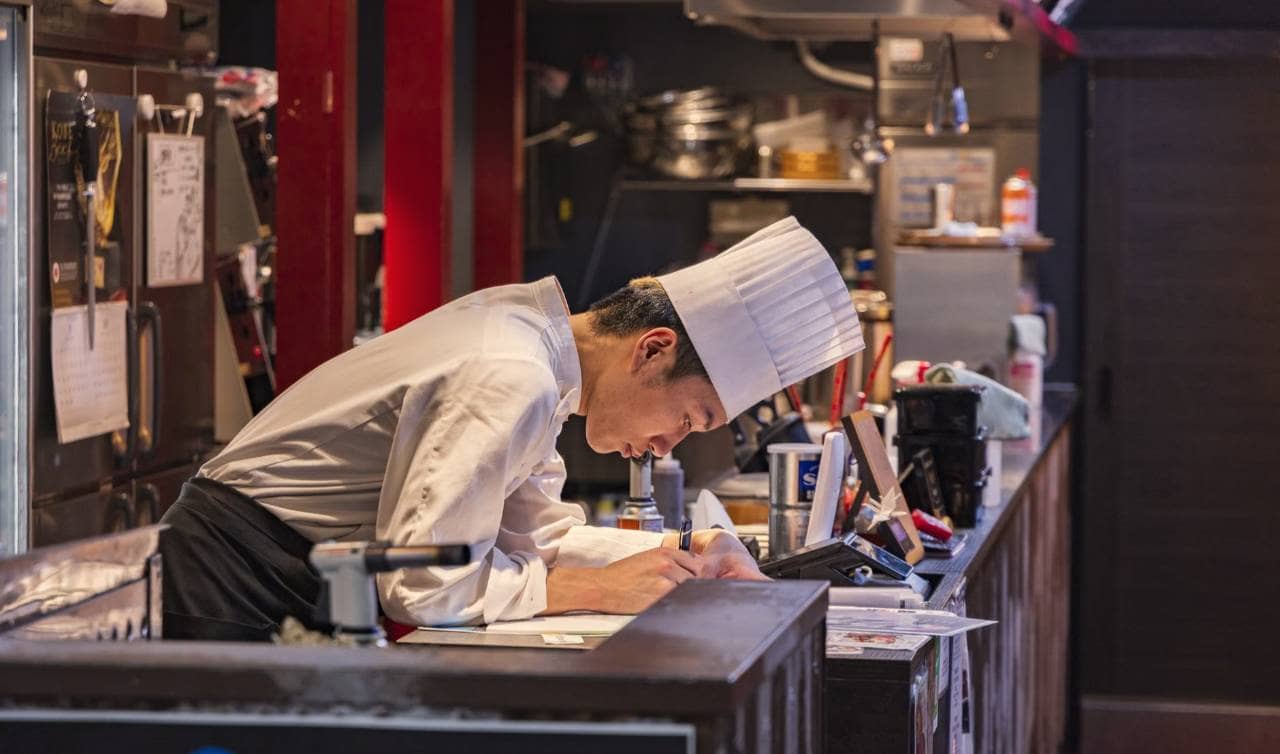
Restaurants can control operating costs by tracking food, labor, rent, utilities, technology, marketing, and other expenses against sales.
Oct 5, 2026

Opening a second restaurant location requires readiness, clear goals, financial planning, funding, smart strategy, standardized operations, strong teams, and careful launch monitoring for sustainable growth.
Sep 30, 2026

Evaluate restaurant industry performance in Q3 2026 through key trends affecting restaurant sales, traffic, consumer spending, labor, costs, and technology.
Oct 2, 2026
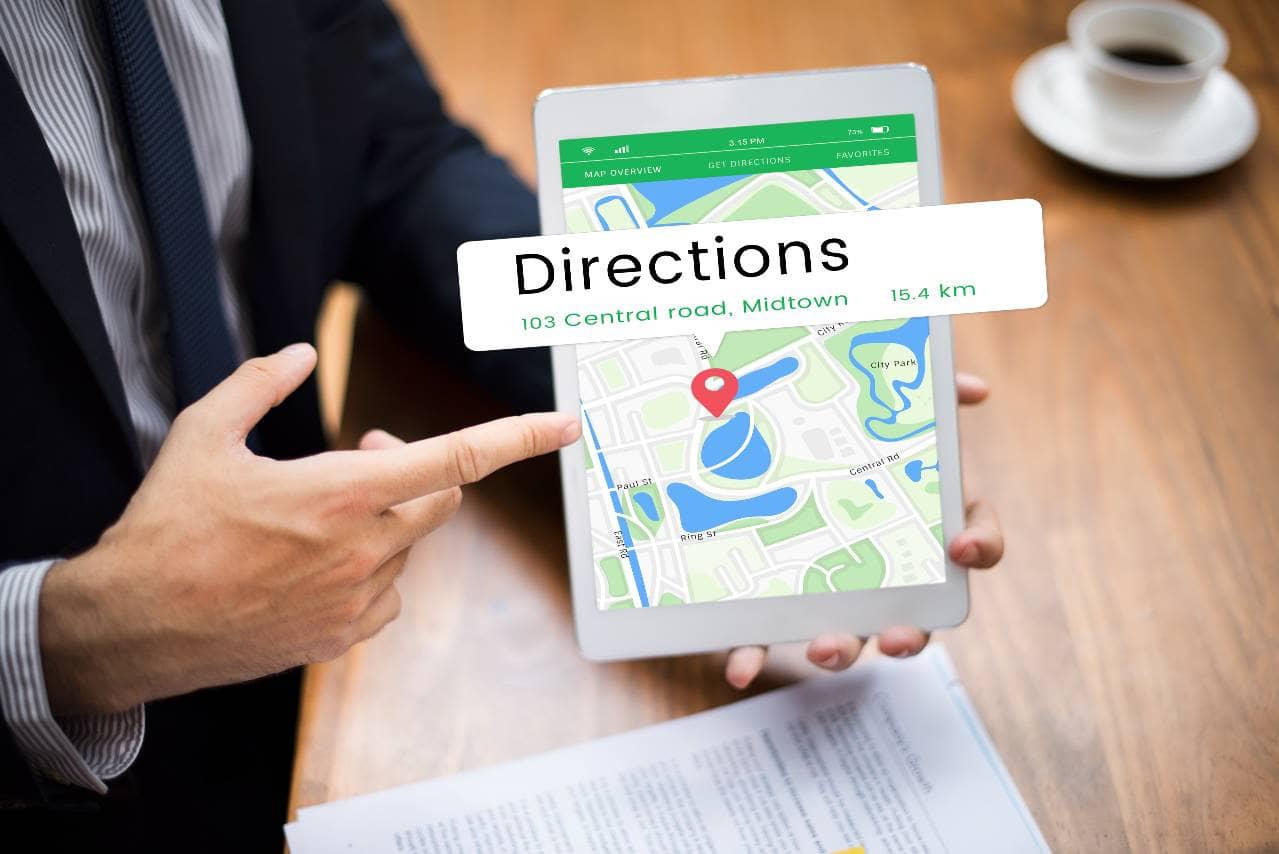
Improve restaurant visibility with local SEO by optimizing Google Business Profile, targeting local keywords, managing reviews, and maintaining accurate online information.
Oct 5, 2026
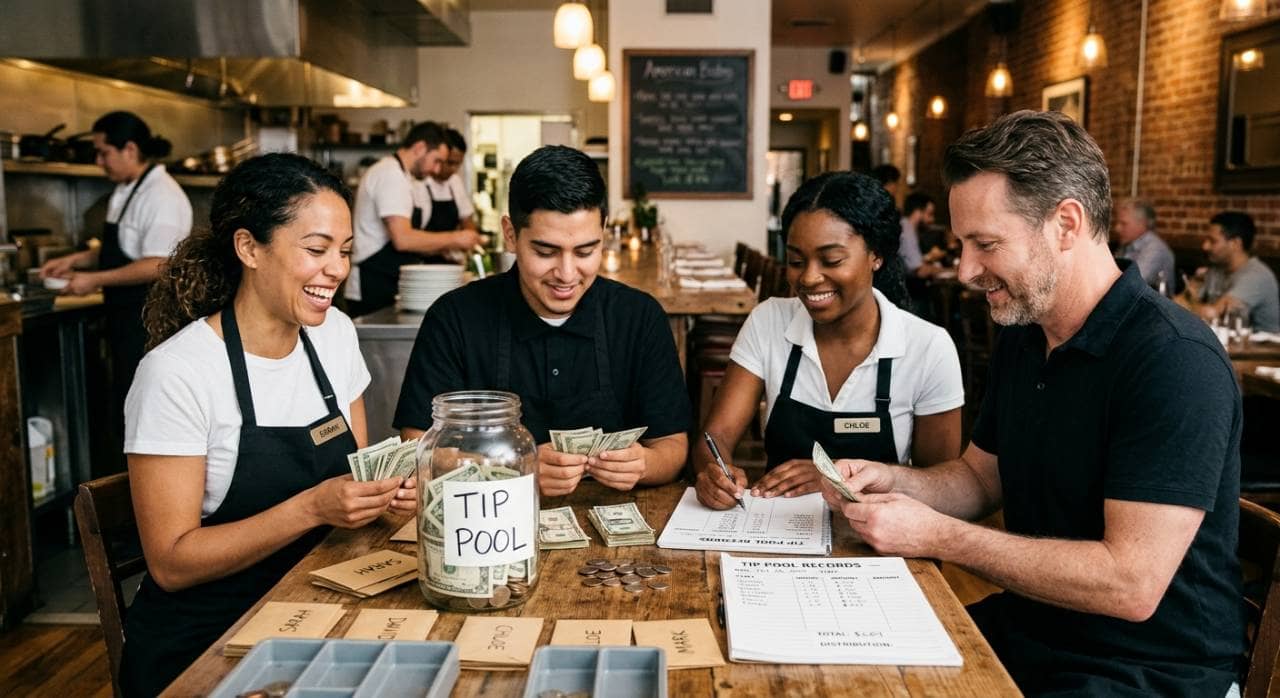
Understand tip pooling rules, employee eligibility, distribution methods, compliance requirements, recordkeeping practices, and policies restaurant owners need for proper tip management.
Oct 2, 2026

Whit's Frozen Custard hires industry veteran Amos Durbin as COO to guide franchise expansion, drawing on two decades of restaurant leadership experience.
Oct 2, 2026
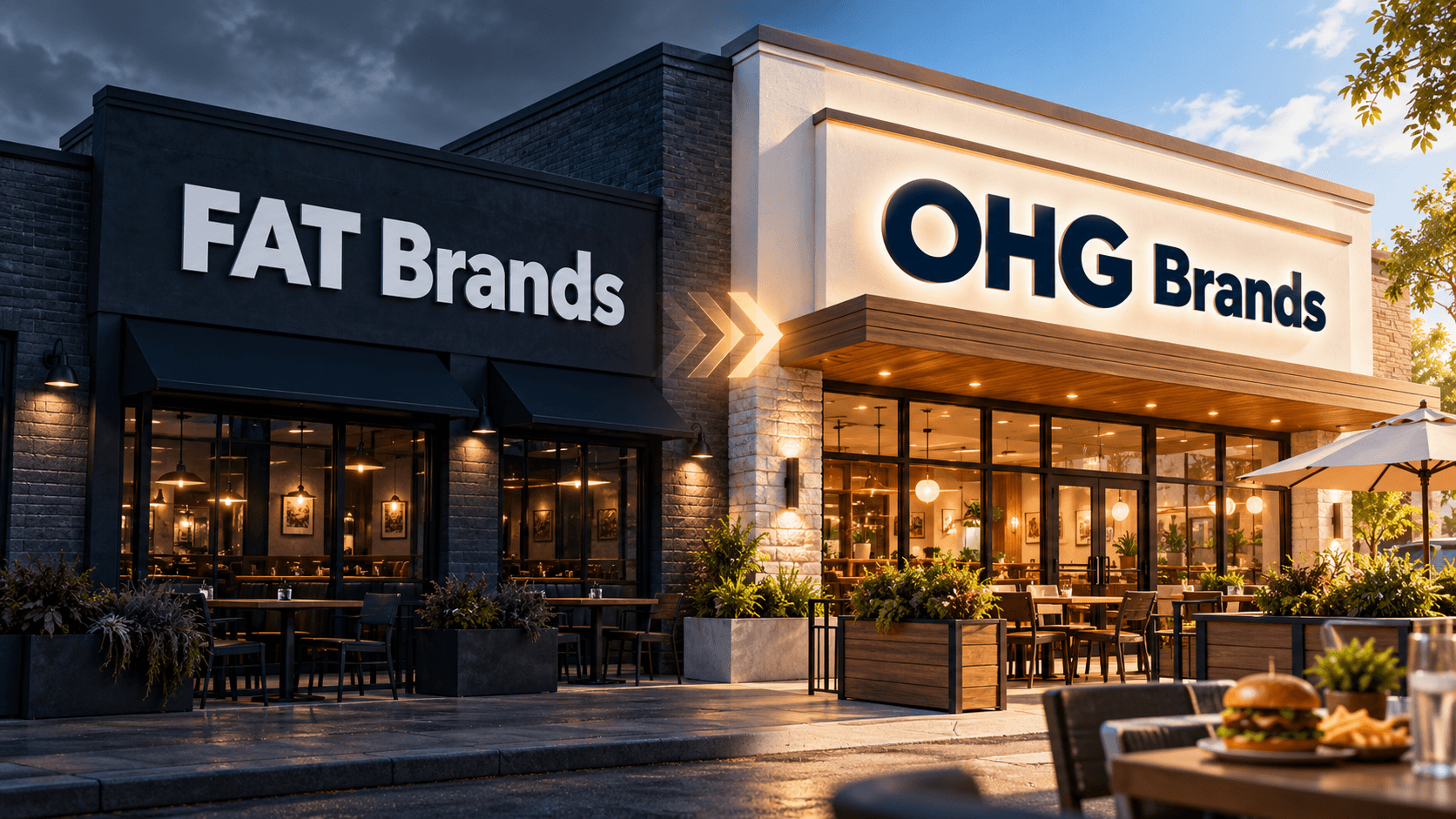
FAT Brands' $1B acquisition empire fell into bankruptcy and sold for $965M, re-emerging as OHG Brands with 1,700 restaurants.
Oct 1, 2026
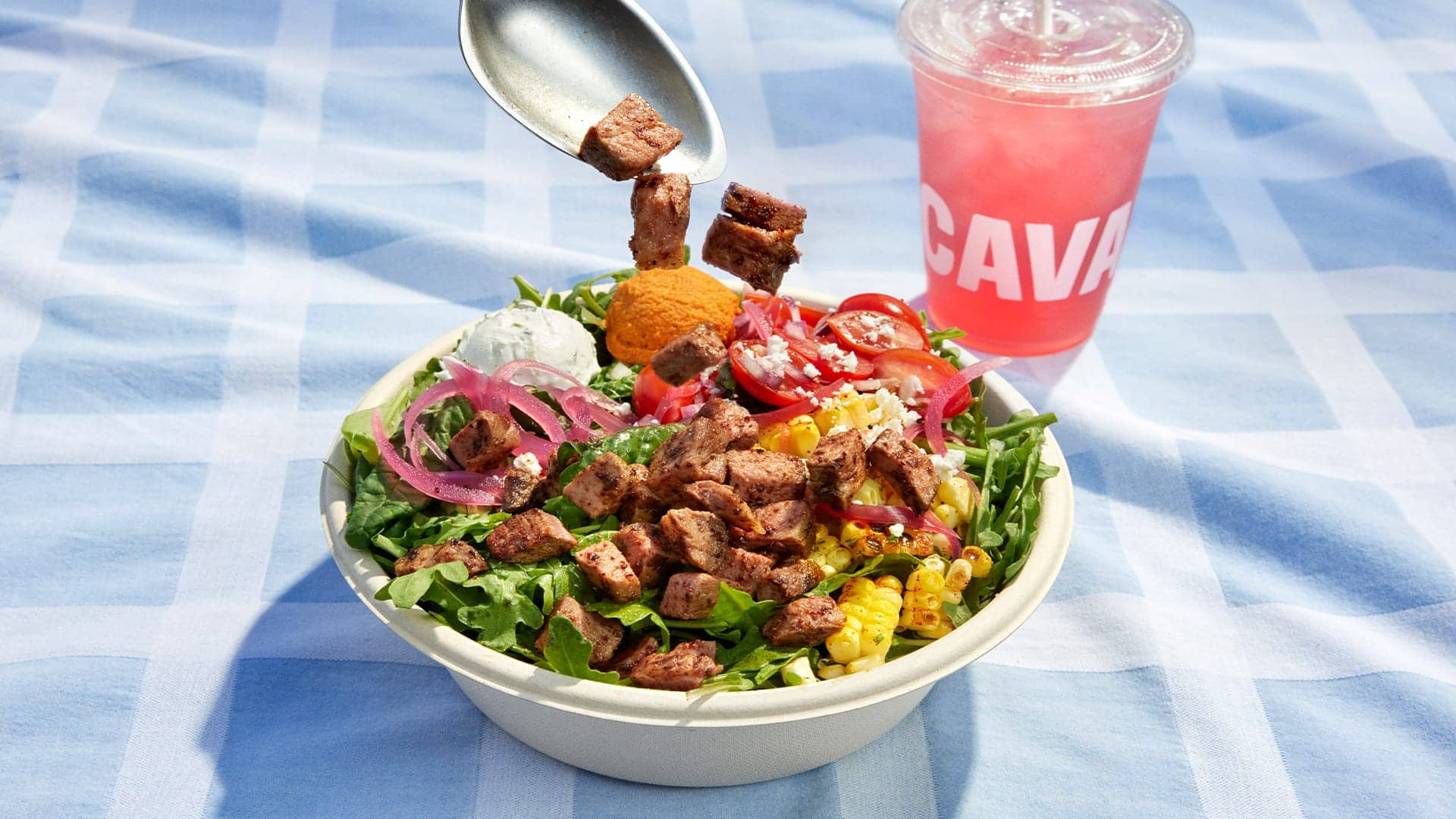
CAVA names John Ludeke, former Dr. Squatch Chief Brand Officer, as its new CMO to drive national growth and guest loyalty.
Oct 1, 2026

Unlock Exclusive Access To Webinars, Events, And The Latest News For Free!
Explore the significance of a Chief People Officer in fostering organizational growth and talent acquisition in the hospitality industry.

Photo by Scott Evans
A Chief People Officer, like Jamie Griffin at Shake Shack, plays a pivotal role in ensuring a company has the right talent pool to support its growth ambitions. In the case of Shake Shack, aiming to expand to 1,500 restaurants necessitates a strategic approach to talent acquisition. This involves not only hiring managers and hourly employees but also focusing on creating a diverse and inclusive workforce that aligns with the company's 'people-first approach.'
One of the primary responsibilities of a Chief People Officer is to oversee and enhance the team member experience within the organization. By focusing on factors such as organizational design, leadership development, and total rewards, the Chief People Officer ensures that employees are motivated, engaged, and well-supported in their roles. This, in turn, leads to higher retention rates and a more positive work environment.

Photo by Scott Evans
Chief People Officers are instrumental in cultivating strong, people-centric cultures within companies. Jamie Griffin's experience in helping restaurants 'scale, evolve, and build strong, people-centric cultures' highlights the importance of a robust organizational culture in driving success. By focusing on areas such as team member relations and compliance, Chief People Officers create an environment where employees feel valued, leading to higher productivity and employee satisfaction.
In addition to overseeing various HR functions, a Chief People Officer often leads HR teams at support centers or headquarters to support enterprise growth. By providing leadership, guidance, and strategic direction to HR professionals, Chief People Officers like Jamie Griffin enable the HR department to effectively contribute to the overall growth and capabilities of the organization. This involves developing HR strategies that align with the company's objectives and values.
Photo by Scott Evans